How to Start a Homestead: 9 Beginner Mistakes to Avoid (And One Might Break Local Law)
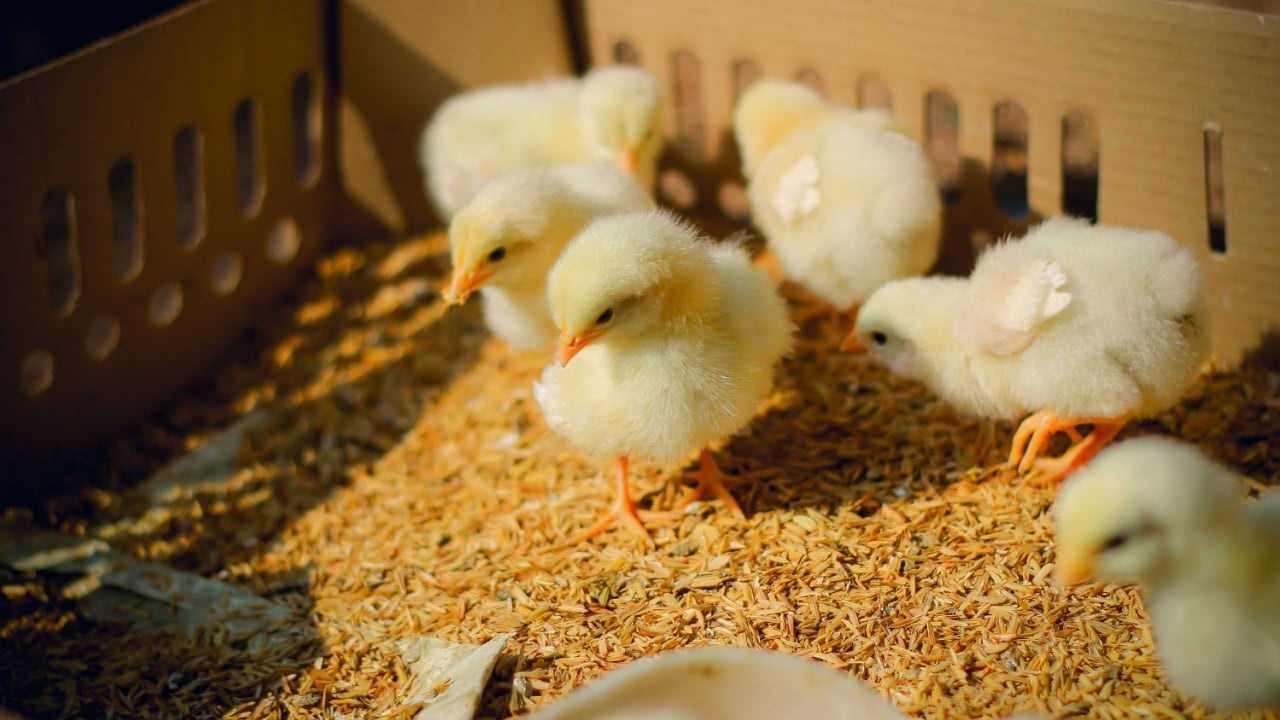
The most popular way to start a homestead, by bringing home a box of fluffy chicks, is also the move most likely to cost you money, irritate your neighbors, and in some towns, break the law.
It sounds harmless. Chickens top nearly every beginner list, and a backyard flock feels like proof that you are finally living the dream. But the experienced homesteaders who recommend chickens are often the first to admit their biggest regret was piling on animals before they understood the fencing, the feed bills, and the rules. Most beginners never think to call the town office until a neighbor already has.
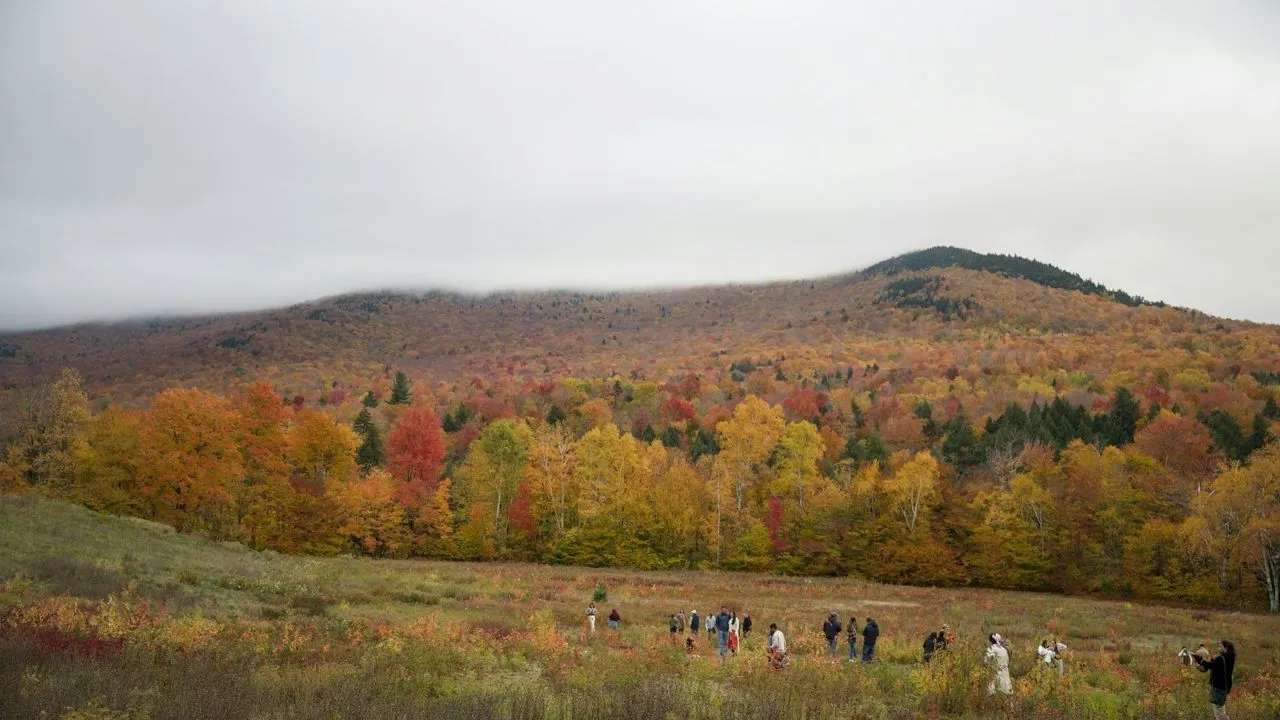
That is why timing matters more than you think. Late fall is when the smartest homesteads actually begin: the garlic goes in, the soil gets built, and the plans get made before spring fever fills the feed store with peeping chicks. If you are in your 50s or 60s and finally have the time and the space to do this, a slow, deliberate start protects both your budget and your back.
Below are the nine mistakes that trip up new homesteaders most often, drawn from extension specialists and from people who learned the hard way. Avoid them, and your first year will cost less and last longer than most.
1. Buying Chickens Before You Check the Law
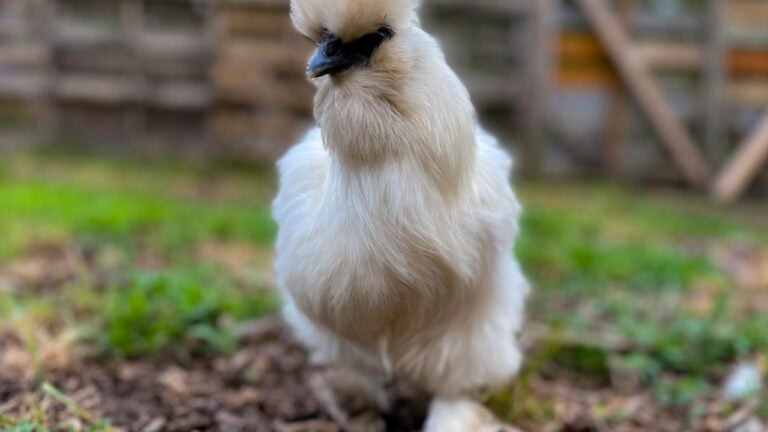
Most homeowners don’t realize backyard birds are a regulated use of property. According to the University of Delaware Cooperative Extension, many states require backyard flocks to be registered with the state Department of Agriculture, and some towns limit the number, breed, or sex of birds. Even selling eggs can bring its own licensing rules. “Before starting, check local laws to confirm backyard chickens are allowed where you live,” the specialists advise. You would be in good company if you skipped this step: Anne Briggs of Homestead Living, who now farms 30 acres in Tennessee, admits her very first flock was kept illegally in a small city backyard.
2. Forgetting What Your Coop Says to the Neighbors
A coop is not just your project; it is the view from your neighbor’s kitchen window. UGA Extension Forsyth County notes that roosters are prohibited in some places and that ordinances may require coops to sit 25 to 50 feet from property lines. The good news, as UGA’s Heather Kolich points out, is that “hens don’t need one around to lay eggs.” Skip the rooster, set the coop back, and compost the litter so odor and flies never become the whole street’s problem.
3. Assuming Backyard Eggs Will Save You Money
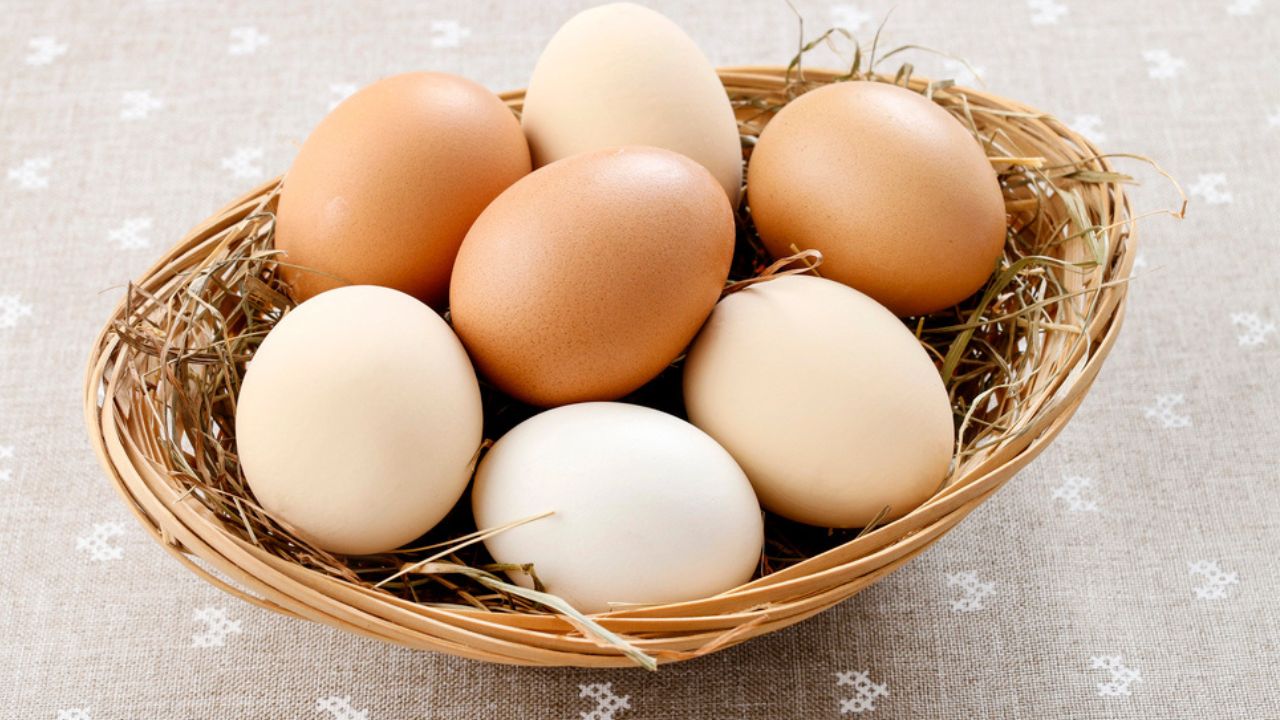
In a USA TODAY report, Oklahoma State University Extension livestock specialist Dana Zook calculated that store eggs would need to cost $10 a dozen for three straight years before an eight-hen flock saves a family money. The University of Delaware budget puts ten hens at $1,759 over three years, or $3.37 a dozen, before counting roughly 20 minutes of daily chores. Zook’s blunt verdict: “it’s not a cheap project.” Keep hens for the eggs, the compost, and the joy; just stop expecting them to shrink your grocery bill.
4. Adding Too Many Animals, Too Fast
This is the villain of nearly every homesteading story. Anna Chesley of Salt in My Coffee added bees, chickens, ducks, sheep, and pigs within 18 months, then was blindsided by fencing, hay, and vet bills, including a sick lamb that died despite costly care. “I put too many animals on our homestead too quickly,” she writes, and she says every experienced homesteader she has asked shares that regret. Add one species at a time, and set aside a few hundred dollars per species each year for medical emergencies.
5. Waiting Until Spring to Plant Anything
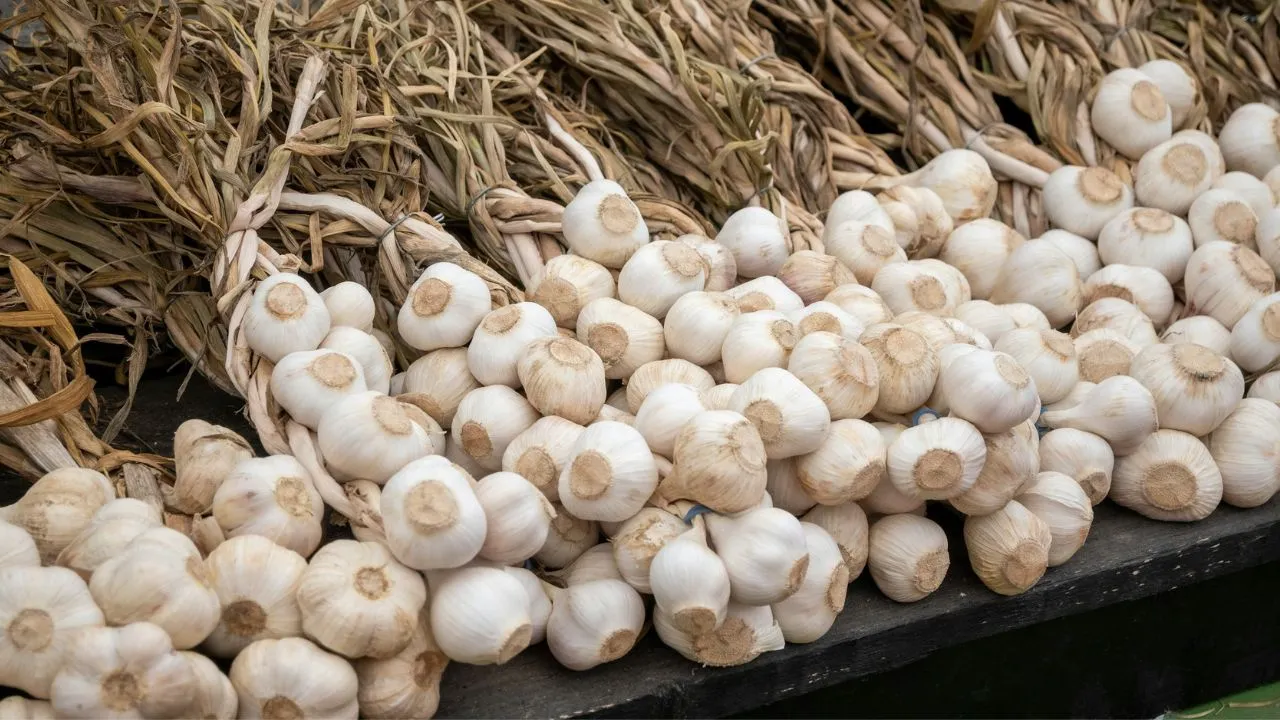
Right now, in November, is one of the most valuable planting windows of the year, and most beginners miss it entirely. The Old Farmer’s Almanac recommends planting garlic in fall, about one to two weeks after the first killing frost in colder climates, for a harvest the following June through August. Old-time gardeners even said garlic “learns” a garden, because saved cloves adapt to your soil, and replanting your biggest bulbs each fall means you never buy seed garlic again. Chesley adds that fruit trees, berries, and asparagus pay you back year after year.
6. Ignoring the Health Risk Inside the Coop
Never hand the grandchildren a fluffy chick to cuddle. The CDC warns that backyard poultry “can carry Salmonella germs even if they look healthy and clean,” and advises keeping children younger than 5 away from the birds and anything in their area. Adults 65 and older are also more likely to become seriously ill, so wash your hands for 20 seconds after every egg run and keep a dedicated pair of coop boots outside the house.
7. Building a Coop Before Scouting for Predators
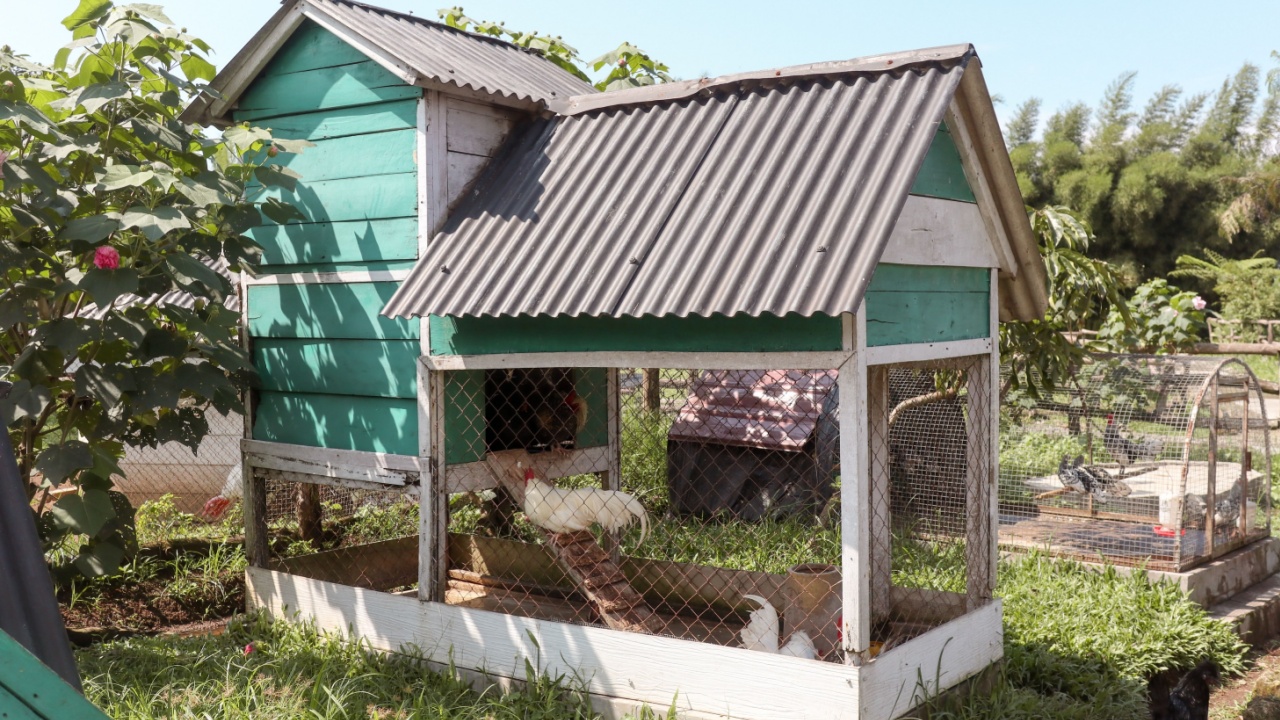
A coop that looks sturdy to you can look like a buffet to a coyote. Writing for Project Upland, homesteader Mike Fitzgerald admits, “I didn’t take stock of what predators might be lurking in the shadows.” He says a simple trail camera would have shown how close coyotes came to the house at night, and he warns that neighbors’ dogs and cats are threats, too. Run a camera for a few weeks before the first bird ever arrives.
8. Spending on Gear Before Learning the Skill
Homesteading feeds online are full of beautiful tools, and beginners buy them. Mary Woita of Boots & Hooves Homestead lists “overspending on tools or equipment” among the most common early pitfalls and says a few patio pots or a single 4×8 raised bed is enough to grow real food. Your grandparents’ generation understood this; Briggs remembers her grandfather, a Great Depression survivor, fixing, reusing, and recycling nearly everything himself. Make compost for free, which The Thrifty Homesteader says has been her only fertilizer for years, and save seed: The Bearded Butchers note that one packet of heirloom seeds can cover two or more seasons.
9. Trying to Build the Whole Homestead in Year One

National Land Realty warns that raising animals, starting a garden, building a greenhouse, and preserving food all in your first year is a shortcut to burnout. Briggs started with a few chickens and raised beds built from fencing scraps on a tiny city lot, and grew from there over a decade. Her advice to beginners fits on an index card: “Slow is steady; steady is fast.” Pick one project this winter, learn it well, and add the next only when the first runs smoothly.
How to Start a Homestead the Smart Way
Your first homestead purchase shouldn’t be a chick; it should be a call to your town clerk and a bag of seed garlic. This November, make three moves: ask your town or county about animal rules and permits, get garlic in before the ground freezes, and spend the winter learning one skill, such as bread baking or canning. For hands-on practice without the investment, From Scratch Farmstead volunteered at a local vegetable CSA in exchange for a weekly produce box before gardening at scale. As Katie Millhorn of Millhorn Farmstead puts it, “skills matter far more than acreage.” By spring, you will be ready for hens, if you still want them, with the paperwork, predator plan, and budget already done.
Even seasoned growers stumble at first; The Thrifty Homesteader admits her first suburban garden was “completely overtaken by weeds.” The difference between the people who quit and the people who thrive is rarely land or money. It is patience. Skip the rush that sinks so many first years, start with the law, the soil, and one good skill, and the homestead you have been dreaming about will still be waiting in spring, only cheaper, safer, and far more likely to last.
Read more:
7 perennial planting mistakes to stop making right now
How to Grow Zucchini Vertically: 7 Steps That Save Space and Double Your Harvest