8 “Unkillable” Houseplants That Are Toxic to Pets (and the Pet-Friendly Houseplants to Grow Instead)
The water in a vase of grocery store lilies can kill a cat in less than three days, according to the U.S. Food and Drug Administration. Most people who bring those lilies home have no idea.
That is the problem with houseplants and pets in a nutshell. The plants we are told are the easiest to grow- the pothos, snake plants, ZZ plants, and monsteras on every beginner list- are the same plants that land on the toxic side of the ASPCA database. In 2025, plants and fungi made up 7.5% of the more than 376,000 exposures handled by ASPCA Poison Control, which works out to roughly 28,000 cases in a single year.
Timing makes this worth your attention now. October is when cooler weather pulls pets indoors for longer stretches, and it is also when amaryllis kits, lilies, and boxed bulbs start crowding the checkout aisle for holiday gifting.
The good news is that you do not have to choose between a green home and a safe one. Below are eight popular houseplants to stop buying, each paired with a pet-friendly houseplant alternative that gives you the same aesthetic look.
1. Stop Buying True Lilies If You Have a Cat
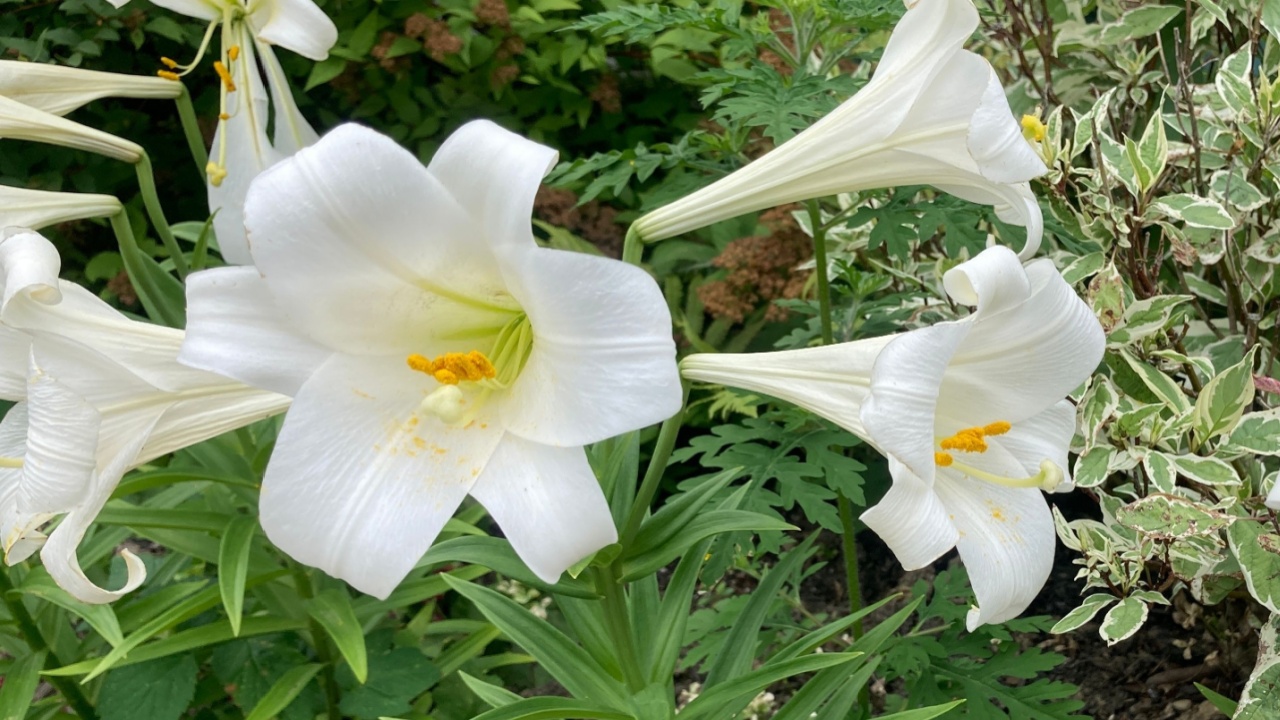
Easter, Asiatic, Oriental, and daylilies are the most dangerous plants on this list for cats. The FDA warns that every part of the plant is toxic, pollen and stems included, and “even the water in a vase.” Treatment delayed by 18 hours or more generally means kidney damage that cannot be reversed. According to Purdue University’s College of Veterinary Medicine, no one knows why cats, and only cats, suffer fatal kidney failure from lilies.
Instead, try growing a Phalaenopsis orchid, which blooms for months and is on the ASPCA’s list of pet-friendly plants.
2. Get Rid of the Sago Palm Before the Dog Finds It
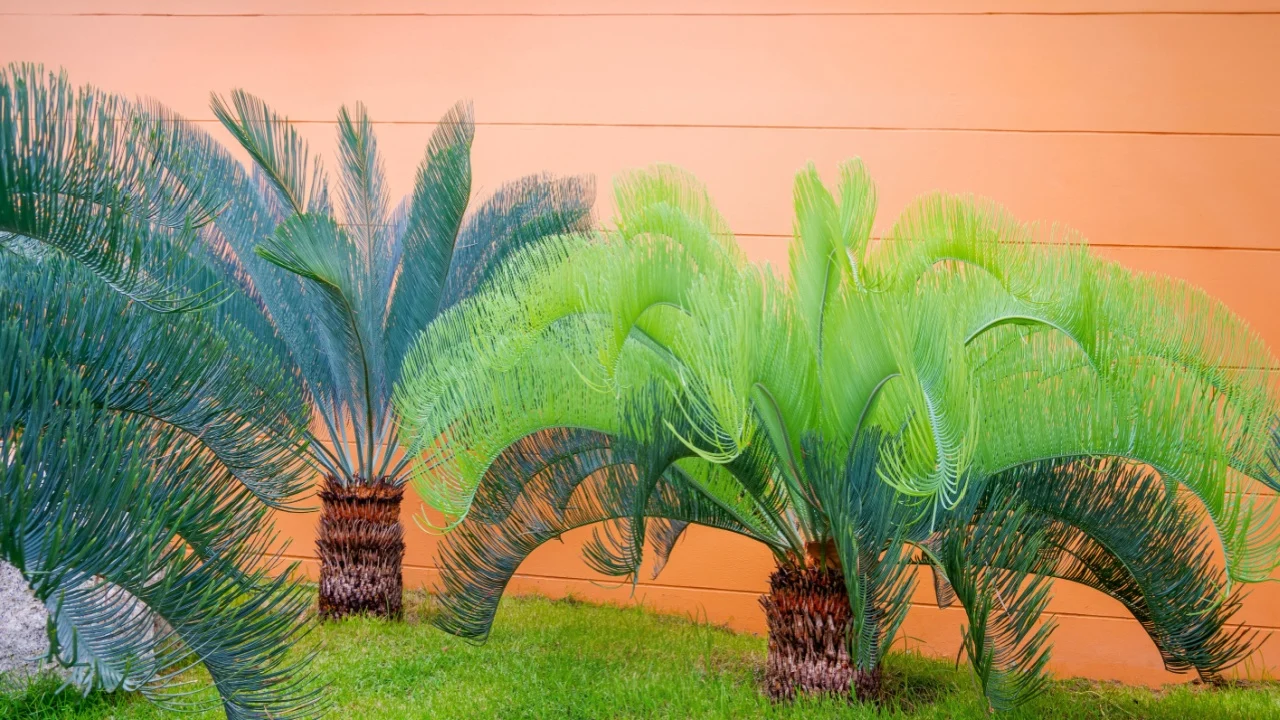
The sago palm looks like a tidy little palm tree, but it is not a palm at all, and it is one of the deadliest plants a dog can chew. Its seeds are the most toxic part, and the damage targets the liver. According to PetMD, “only 50 percent of dogs with sago palm poisoning survive,” even with treatment.
Trying growing a true palm as an alternative. Your great-grandmother had the right idea with the parlor palm, a fixture since Victorian times that tolerates low light and is safe for cats and dogs.
3. Stop Trusting “Out of Reach” With Pothos

Pothos is the plant everyone recommends to beginners, and it contains calcium oxalate crystals that irritate the mouth and throat on contact. Most owners think a high shelf solves the problem. As Country Living puts it, “a simple six-foot jump isn’t going to stop them.” Cats love trailing vines, which makes pothos the worst possible plant to hang where a cat can see it.
A spider plant is a safe alternative here. A 4-inch pot runs about $14.95 at Chelsea Garden Center, and every one of its dangling babies roots in a glass of water, so your second, third, and fourth plants are free. Grow a few spares, because many cats find spider plants irresistible.
4. Swap Out Your Snake Plant

Snake plants are sold as indestructible, and they are. They are also considered mildly toxic to pets if eaten, according to Costa Farms, one of the country’s largest houseplant growers. “Mildly” usually means drooling and an upset stomach, but that is still a vet call nobody wants.
Instead, you may consider growing the cast iron plant, which handles the same dim corners and missed waterings. Country Living calls it “almost indestructible,” and it is safe for pets.
5. Don’t Let the Peace Lily’s Name Fool You
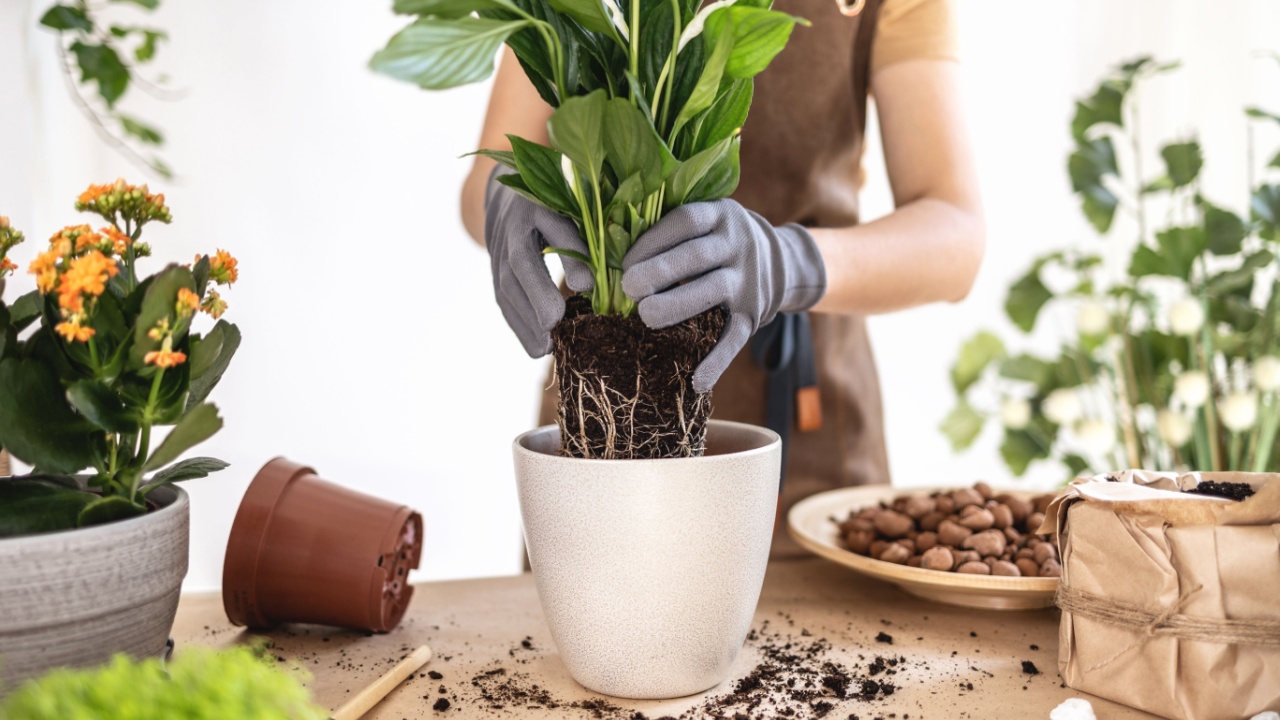
Costa Farms is blunt: “Peace lilies are not true lilies.” That means they will not cause the kidney failure that real lilies do. However, they are still loaded with the same irritating crystals as pothos, so a curious dog or cat will end up pawing at its mouth and drooling.
A bird’s nest fern is a safe alternative, which gives you the same glossy, upright green and thrives in humid bathrooms.
6. Avoid Monstera and Philodendron in Homes With Chewers

Monstera and philodendron are the backbone of nearly every trendy plant shelf. Nursery professionals know this, but the tag rarely says it: both are on the unsafe list. Paris Lalicata of The Sill told Architectural Digest that toxic plants carry chemical defenses meant to deter predators, “including your nibbling pet.”
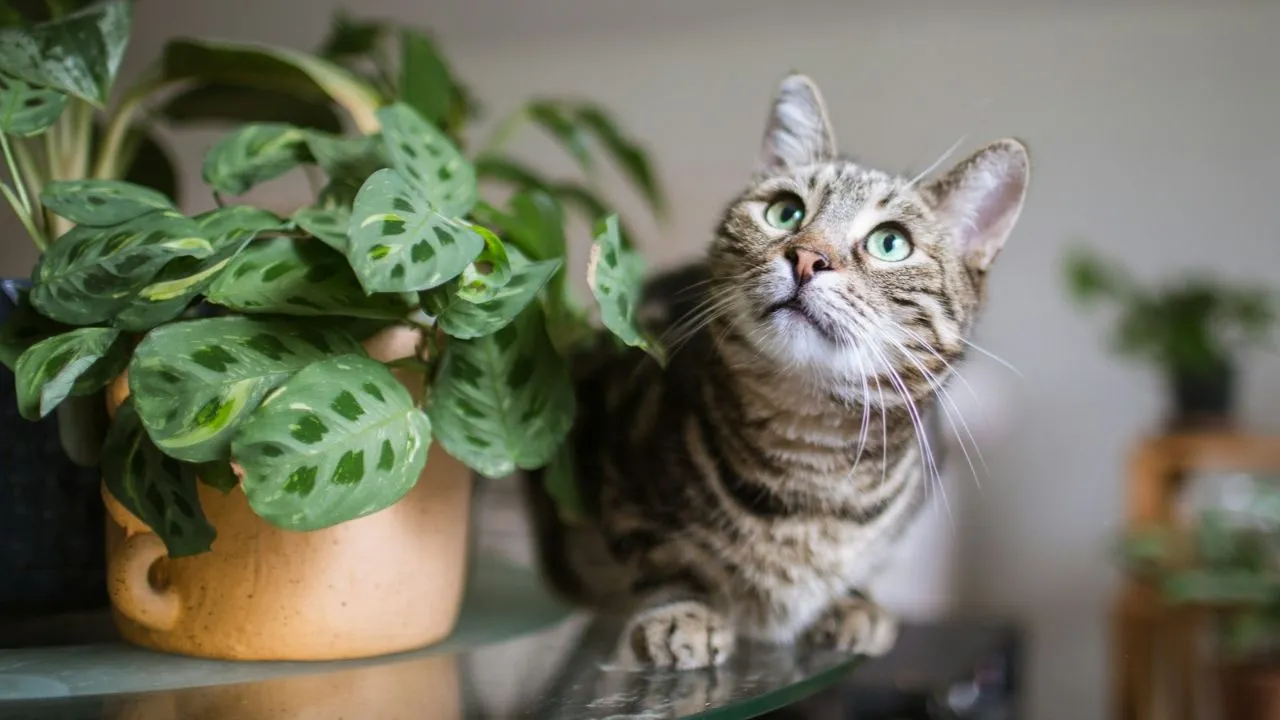
Try growing Calathea orbifolia instead, with its big, striped, statement leaves, or any peperomia if you want something smaller and easier.
7. Stop Buying ZZ Plants for Low Light
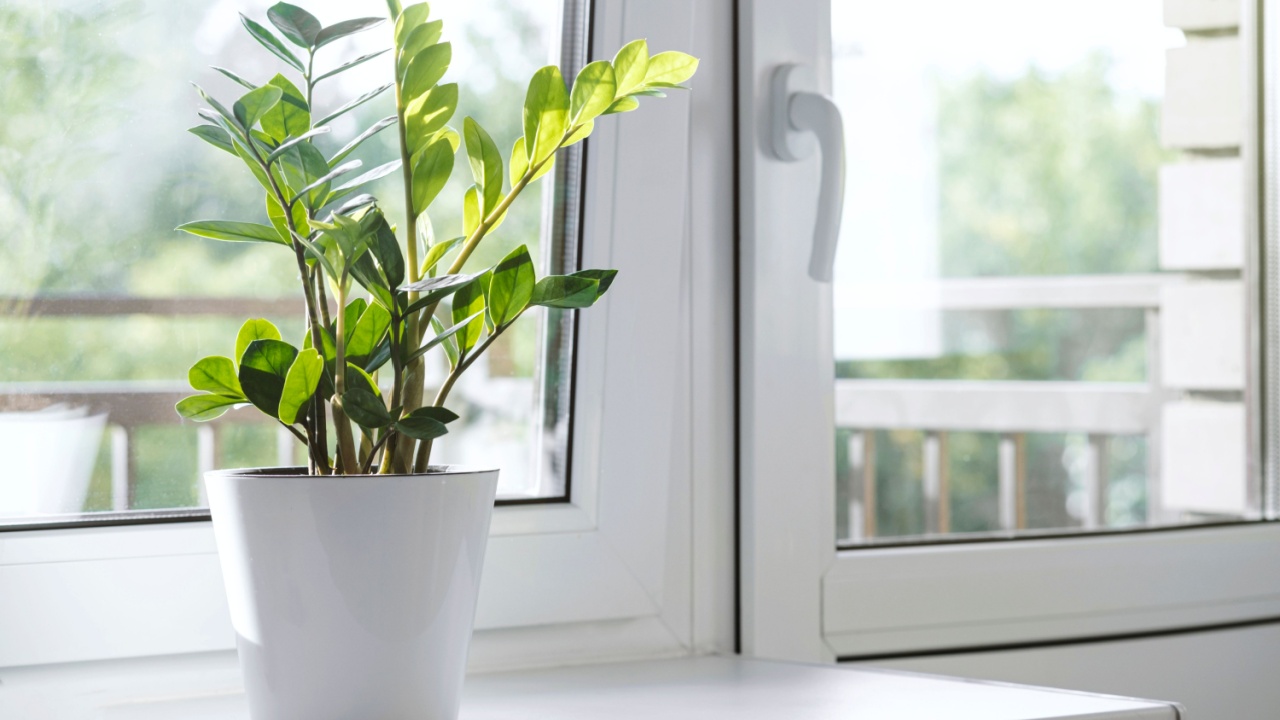
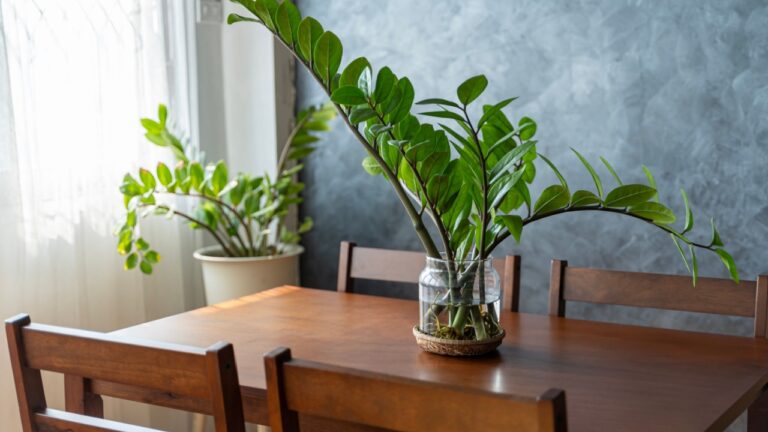
The ZZ plant is the go-to “I can’t keep anything alive” recommendation, and it is another calcium oxalate plant that Costa Farms lists as not pet-friendly.
A ponytail palm is the safe alternative here. Despite the name, it is a succulent that stores water in its swollen trunk, and Chelsea Garden Center describes it as “exceptionally drought tolerant.” A 6-inch pot runs about $29.95, and it forgives a forgotten watering far better than you would expect.
8. Never Gift an Amaryllis to a Friend With Pets

Amaryllis bulbs flood stores right now, in October, and they make up a huge share of holiday plant gifts. According to Penn State Extension, amaryllis is poisonous to cats and dogs, with the toxin concentrated in the bulb. Handing one to a neighbor with a beagle puts them in an awkward spot: toss your gift or risk their dog.
Instead, try growing a Christmas cactus. The Old Farmer’s Almanac says it is one holiday plant that “can be gifted without worry” to pet owners.
A Greener, Safer Home Starts With One Swap
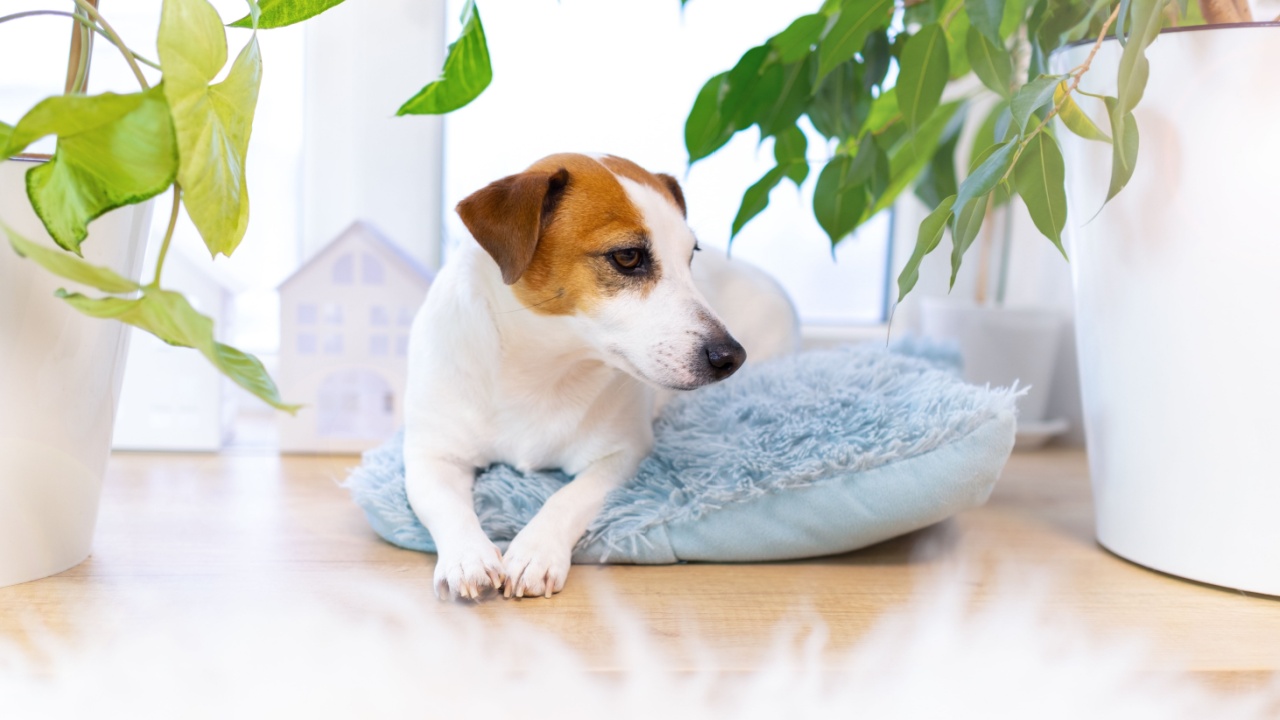
Hard to kill and safe to keep are two very different promises, and the plant tag only makes one of them.
Walk through your home before the end of October with your phone in hand. Look up anything you are unsure about in the ASPCA Toxic and Non-Toxic Plant Database, checking the botanical name, not just the common one. Rehome the worst offenders (lilies and sago palms first) to friends without pets. Then fill the gaps with free spider plant babies and a pot of cat grass to give chewers something better to do.
Keep in mind that pet-safe does not mean pet-proof. Even nontoxic plants can cause a mild upset stomach if a pet eats enough, and fertilizers or leaf sprays can cause problems of their own. Save ASPCA Poison Control’s 24-hour number, (888) 426-4435, in your phone today.
You do not need to empty your windowsills or give up the hobby you love. Swap one plant this week, propagate a few spider plant babies for free, and by the time the holidays arrive, your home will be just as green, with nothing in it that could send your best friend to the emergency vet.
Read More
Washing Your Lettuce Won’t Remove Cyclosporiasis, But Growing Your Own Will
Your Grandmother Stored These 8 Foods All Winter Without Canning a Single Jar