Leave the Leaves: 8 Fall Cleanup Mistakes That Throw Away Free Mulch, Invite Ticks, and Can Even Get You Fined
The best mulch you will get all year is lying on your lawn right now, and most homeowners pay to have it hauled away. According to The Old Farmer’s Almanac, the leaves of one large tree can be worth as much as $50 in plant food and humus. We were raised to rake, bag, and haul that value to the curb anyway.
The habit runs deep. For anyone who has spent 30 or more autumns in the garden, fall cleanup is a ritual: the rake, the tarp, the tidy row of paper bags. But the ritual adds up. The U.S. Environmental Protection Agency estimates landfills received about 10.5 million tons of yard trimmings in 2018, and come spring, many of the same homeowners buy bagged mulch to cover the beds they just stripped bare.
That second purchase is the part that stings. Bagged mulch runs roughly $2 to $15 a bag, and each bag covers only about 8 square feet, according to HomeAdvisor. Covering a modest 200-square-foot bed takes about 25 bags, or $50 to $375 spent replacing what your trees dropped for free. With October nearly over and leaf drop at its peak, the decision you make this weekend sets the cost of next spring.
Here are the eight mistakes to stop making this fall, starting with the most expensive one.
1. Stop Bagging Your Leaves for the Curb
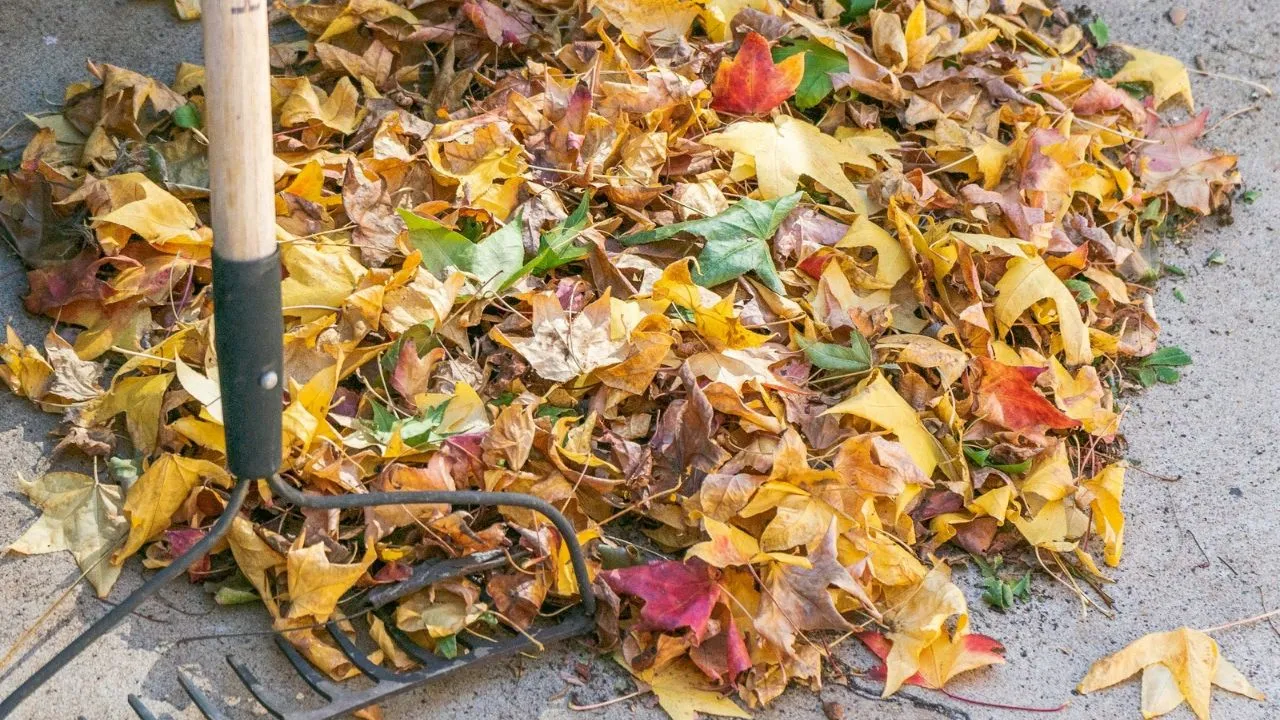
This is the villain of the whole story. Rhonda Ferree, a horticulture educator with the University of Illinois Extension, notes that leaves hold 50 to 80 percent of the nutrients a tree pulls from the soil and air during the season. Her verdict is blunt: leaves “should be managed and used rather than bagged or burned.” Your grandmother, who called a pile of rotted leaves gardener’s gold, was right all along. Rake lawn leaves straight into your beds instead of into bags; it costs nothing and takes less time.
2. Never Strip Your Garden Beds Bare
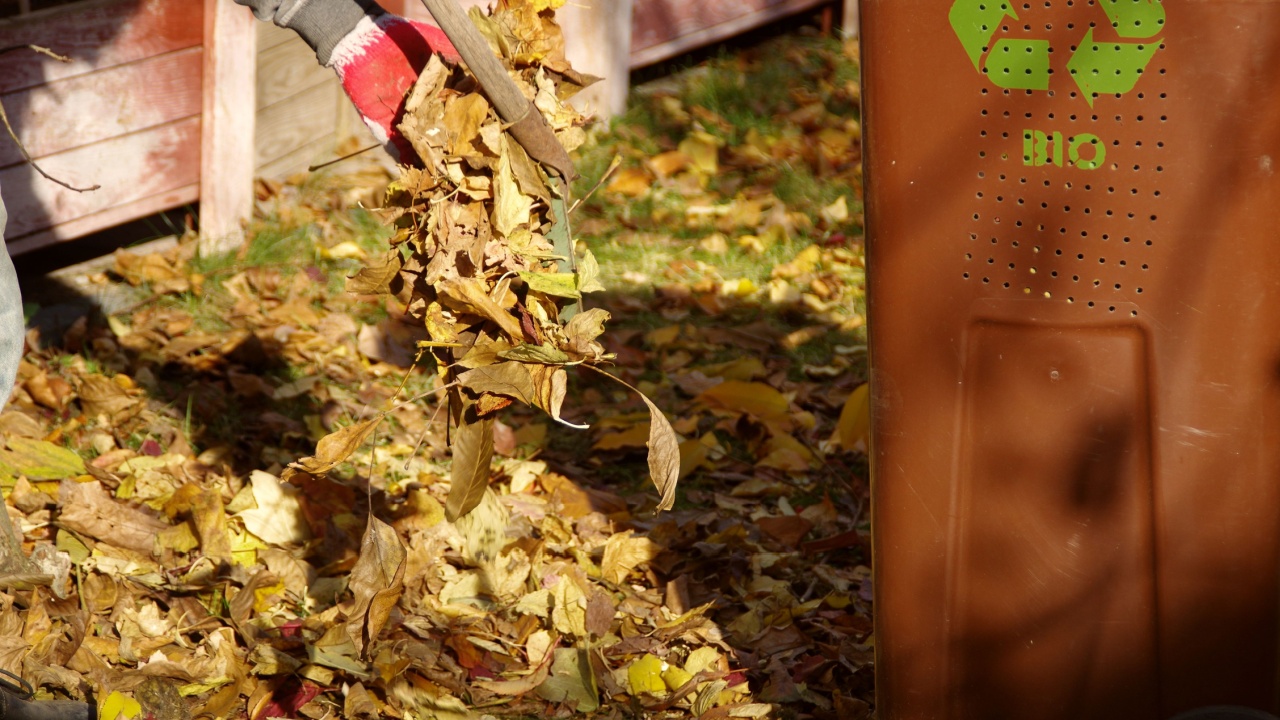
A University of Maryland study led by entomologist Max Ferlauto, conducted in about 20 suburban yards, found that removing leaf litter cut the number of moths and butterflies emerging the next spring by 45 percent, and spiders by as much as 67 percent, according to a summary from Penn State Extension. Ferlauto puts it plainly: removing leaf litter means “killing or disturbing the insects that hibernate on the forest floor.” Those are the pollinators and pest eaters you will be wishing for in June.
3. Avoid Shredding Every Leaf in Your Flower Beds
Ferlauto’s team found that shredding leaves did as much damage to overwintering insects as bagging them, because the blades destroy eggs, caterpillars, and cocoons. The Xerces Society is direct about it: “Avoid shredding leaves with a mower.” Keep leaves whole in perennial beds, under shrubs and around tree bases. Save the mower for the lawn and the vegetable garden, where fast breakdown matters more than habitat.
4. Don’t Let a Thick Layer Smother Your Lawn
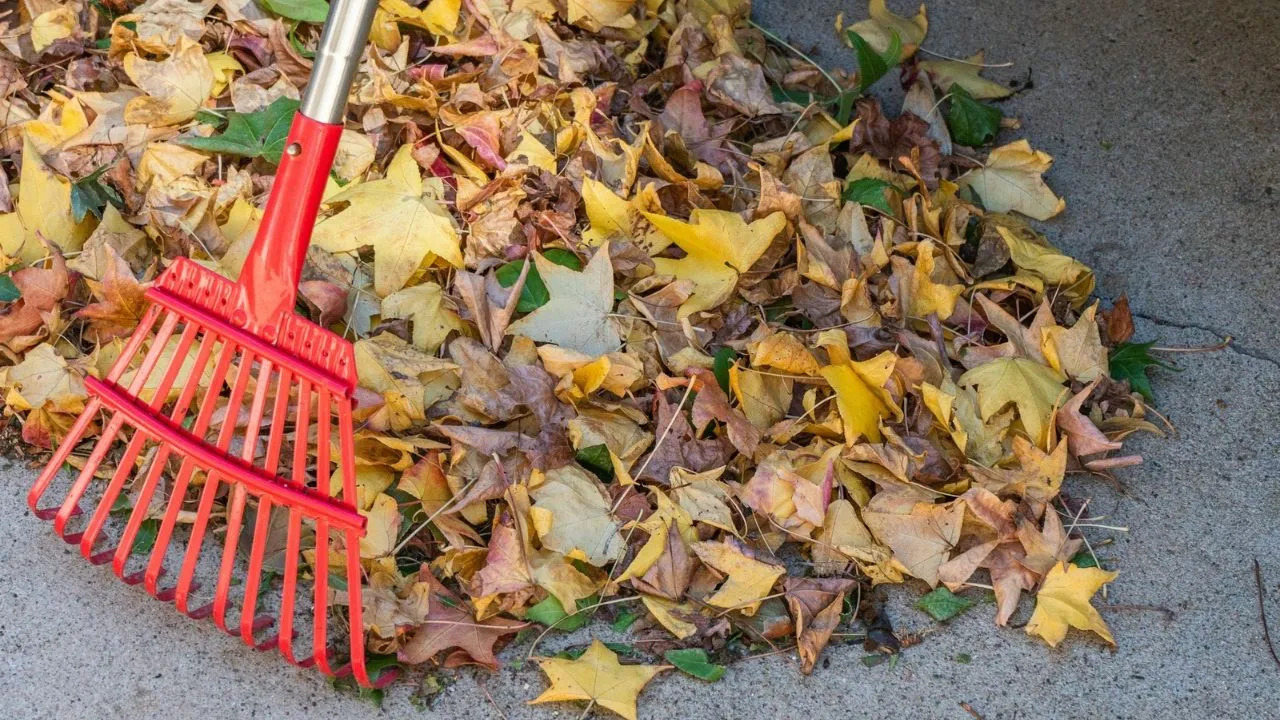
A heavy, matted blanket of leaves will kill grass over winter. The fix is free, and it actually improves your turf. Piedmont Master Gardeners recommend mowing with the blade at about three inches and making passes until you can see green grass again. “Lawns actually benefit from a thin layer of leaves,” they note. The bonus is weed control: research at Michigan State University found that maple leaves mulched into turf reduced dandelion counts by up to 84 percent. That is money you will not spend on weed and feed next spring.
5. Never Dump Your Leaves at the Edge of the Woods
This one is a genuine safety hazard. A New Jersey study reported by CIDRAP found that blacklegged tick numbers tripled in plots where leaves were raked or blown to the edge of the woods. Those piles were two to three times deeper than natural leaf litter, creating ideal humid winter shelter, according to Entomology Today. Jordan, one of the study’s authors, said the team was “surprised about the magnitude of the increase in ticks.” Pile leaves in low-traffic corners, well away from patios, play sets, and dog runs.
6. Stop Spreading Leaves Without Checking the Tree
Not every leaf belongs in your beds. Black walnut leaves carry a growth-suppressing chemical that harms other plants, warns Primex Garden Center, so compost them separately or send them away. If you have dogs, watch the oak trees. An ASPCA veterinary toxicologist writing for Vetstreet explains that acorns can cause stomach upset and “can also become lodged in the GI tract and cause an obstruction.” Keep oak heavy piles out of the dog’s favorite patrol route and keep outdoor water bowls clear of leaves.
7. Never Burn Your Leaves (You May Be Breaking the Law)
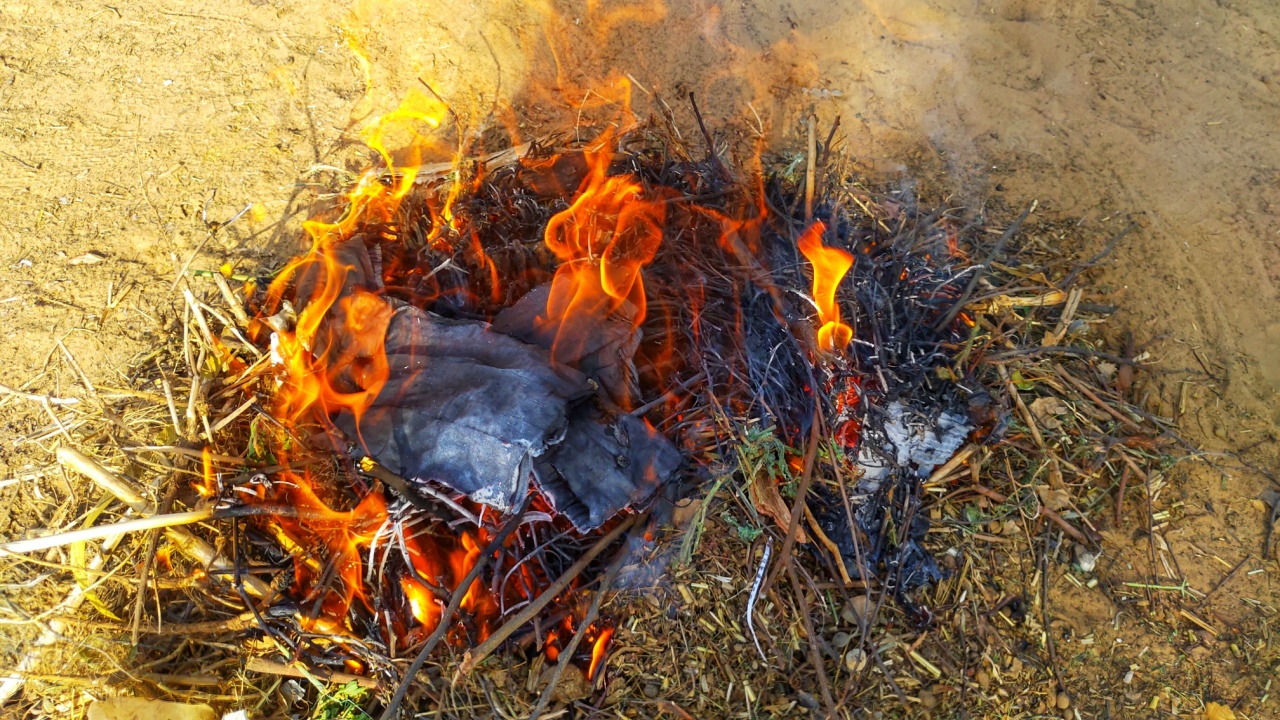
Many homeowners still assume a backyard burn pile is fair game. In much of the country, it is not. In New York, Cornell Cooperative Extension warns that “burning is punishable by law and can lead to fines starting at $375,” and the state restricts leaf burning in favor of composting. Burning also releases irritants and fine particles into the air your neighbors breathe and creates a fire hazard, the Piedmont Master Gardeners point out. Check your town’s rules before you strike a match; you may already be out of compliance.
8. Don’t Let Your Leaves Spill Into the Street
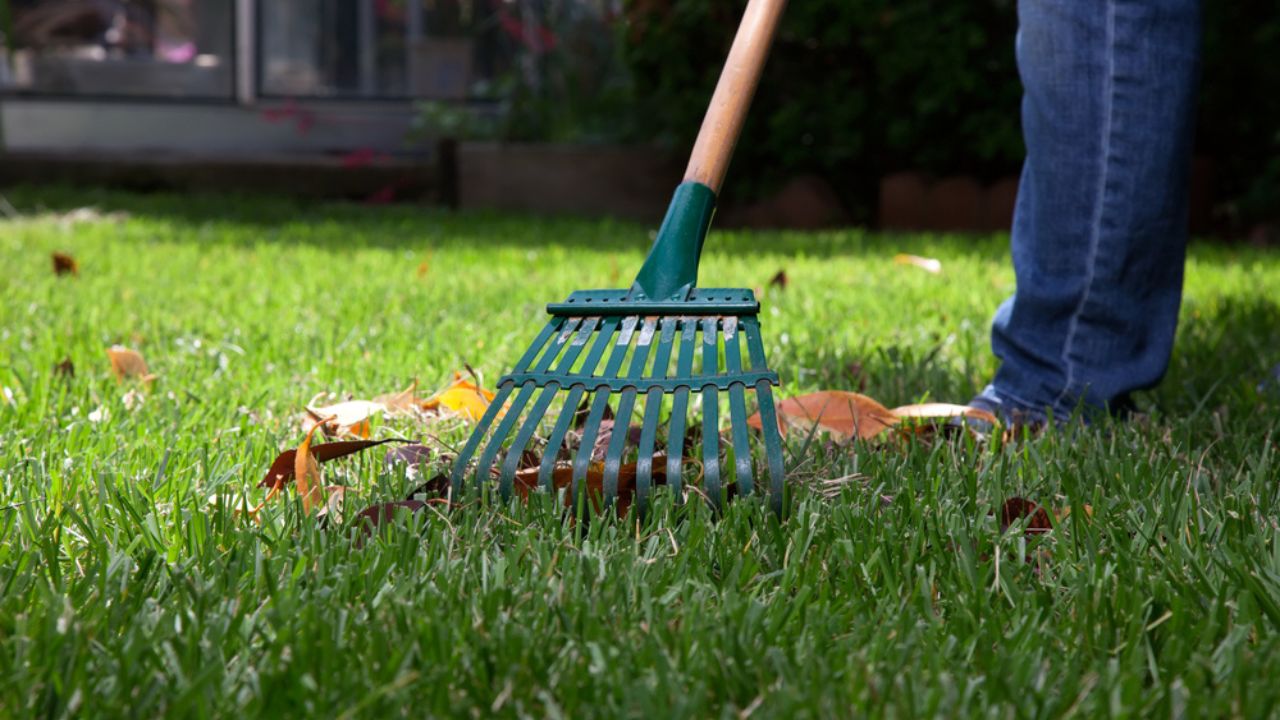
Leaving leaves in your yard is one thing. Letting them drift onto the road is another. In Greensboro, North Carolina, homeowners get a warning, then a $75 fine, then up to $500 for leaves left in the street, even though leaves kept in the yard are allowed, WFMY News 2 reports. Many HOAs have covenants about yard upkeep, too, so reread yours. To keep a natural yard from reading as neglect to the neighbors, Penn State Extension advises that you “edge your beds to create a neat separation of garden and lawn.” A crisp edge makes a leafy bed look deliberate.
The Bottom Line: Your Trees Already Paid for Your Mulch
The rake and bag routine feels responsible, but it throws away fertilizer, habitat, and real money every single fall. Keep the leaves on your property, keep them out of the street and away from the woods’ edge, and let them do what they have done in forests for millions of years. Every bag of leaves you drag to the curb is mulch you’ll be buying back in May. Skip the bags this year, and let The Old Farmer’s Almanac math work in your favor: up to $50 of plant food from every large tree, delivered free.
Read More
Washing Your Lettuce Won’t Remove Cyclosporiasis, But Growing Your Own Will
Your Grandmother Stored These 8 Foods All Winter Without Canning a Single Jar