Already Dreaming About Next Year’s Garden? This 2,000-Year-Old Trick Lets You Throw Out Your Plastic Seed Trays for Good
Somewhere in your garage or shed right now, there is probably a stack of cracked plastic seed trays you swear you’ll reuse next spring. Here’s the uncomfortable truth: your seedlings never needed them in the first place.
Those flimsy flats and six-packs are the quiet villain of seed starting. You buy them, scrub them, store them, and replace them. Each plastic tray has to be sanitized every year to keep pathogens away from young seedlings, and the cells themselves box roots in until they circle. Meanwhile, a method that is older than any garden center has been doing the same job without a scrap of plastic.
So what is soil blocking? It’s the practice of pressing damp seed starting mix into firm little cubes that act as pot and soil at once. Right now, as you’re beginning to dream of next year’s garden, is the moment to make the switch. The tool costs about $45 once, and for gardeners rethinking which chores are worth the effort, having one less thing to clean, stack, and buy matters.
But soil blocking is not magic, and anyone promising it will double your harvest hasn’t read the university trials. Below you’ll find what it is, what it truly fixes, the mistakes that make blocks crumble, and one hidden danger sitting inside the bag of mix itself. It all starts with a simple cube of dirt.
What Is Soil Blocking, Exactly?
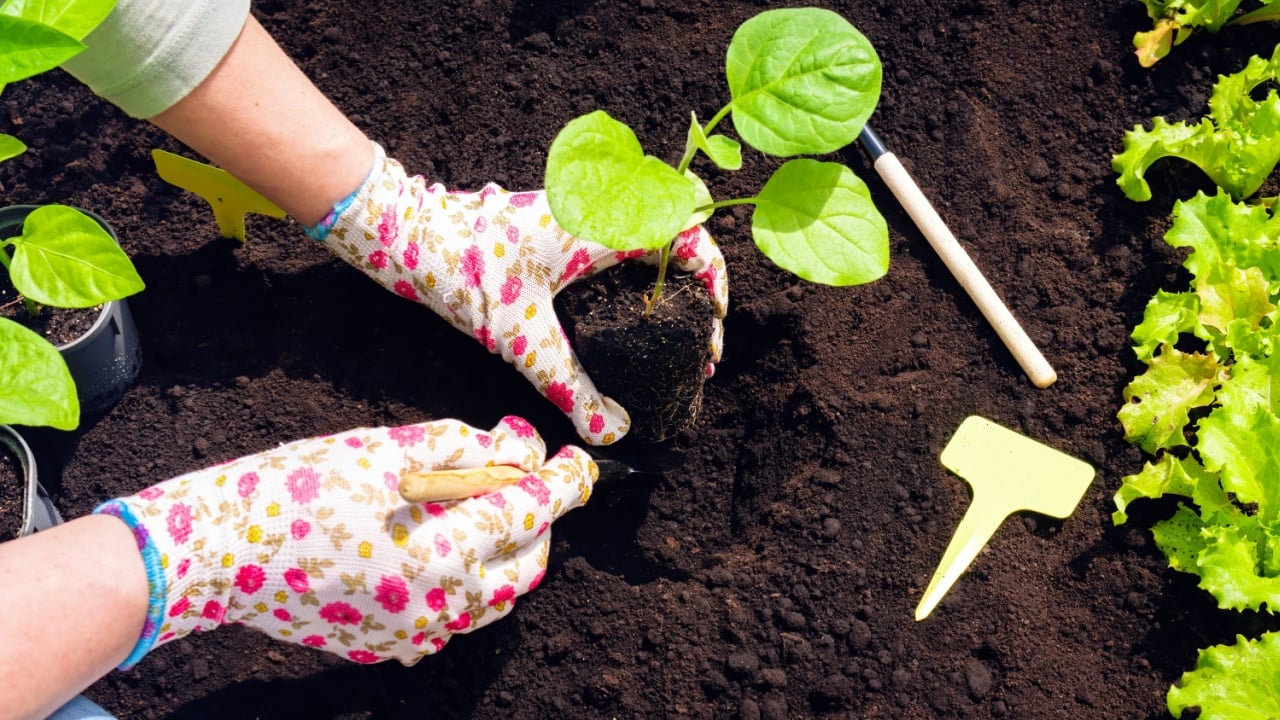
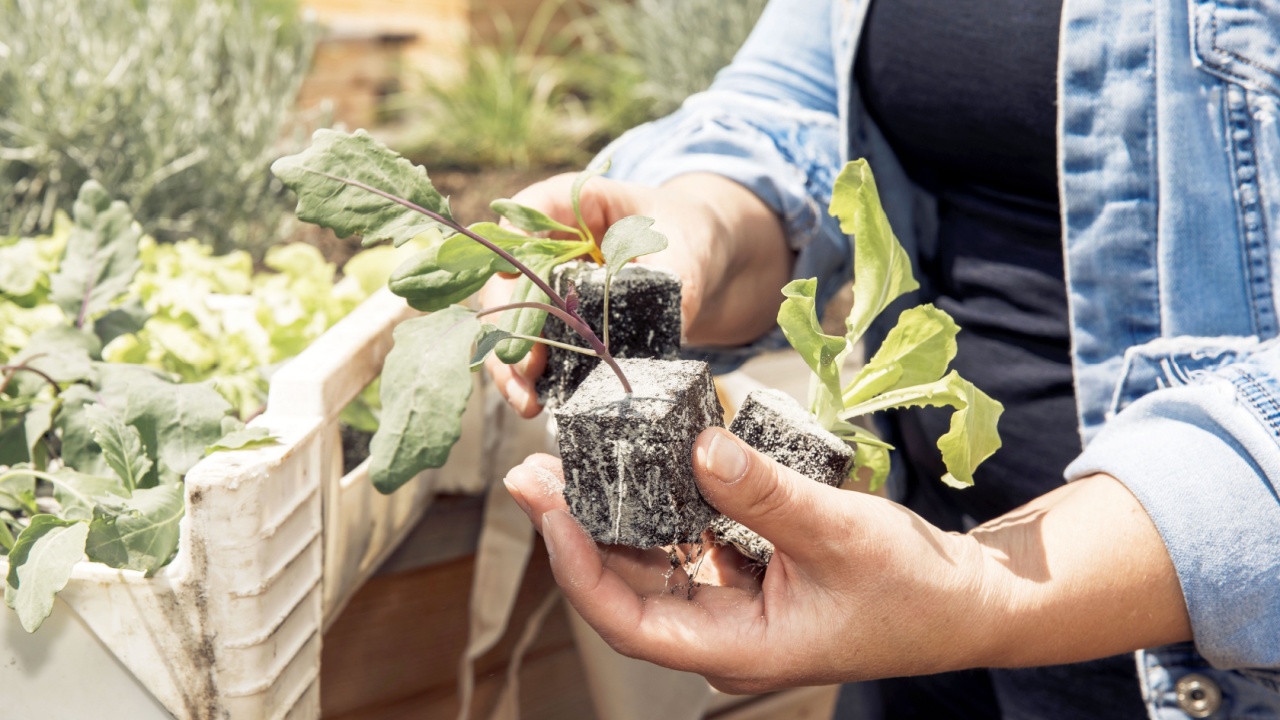
Soil blocking uses a handheld metal press to compress very wet seed starting mix into freestanding cubes, each with a small dimple on top for the seed. Nicole Burke of Gardenary describes the result as “a pot-less pot,” because the block is both the growing medium and the container.
The idea is ancient. According to Cornell Small Farms, planting seeds into cubes of soil was documented in Central America 2,000 years ago, and Dutch growers have spent nearly a century refining the modern method. American gardeners largely learned it from Eliot Coleman, whose book The New Organic Grower made blocking famous. Penn State Extension notes that blockers typically come in 3/4 inch, 2 inch, and 4 inch sizes, and smaller blocks can nest into larger ones as seedlings grow.
1. Stop Buying Plastic Trays Every Single Spring
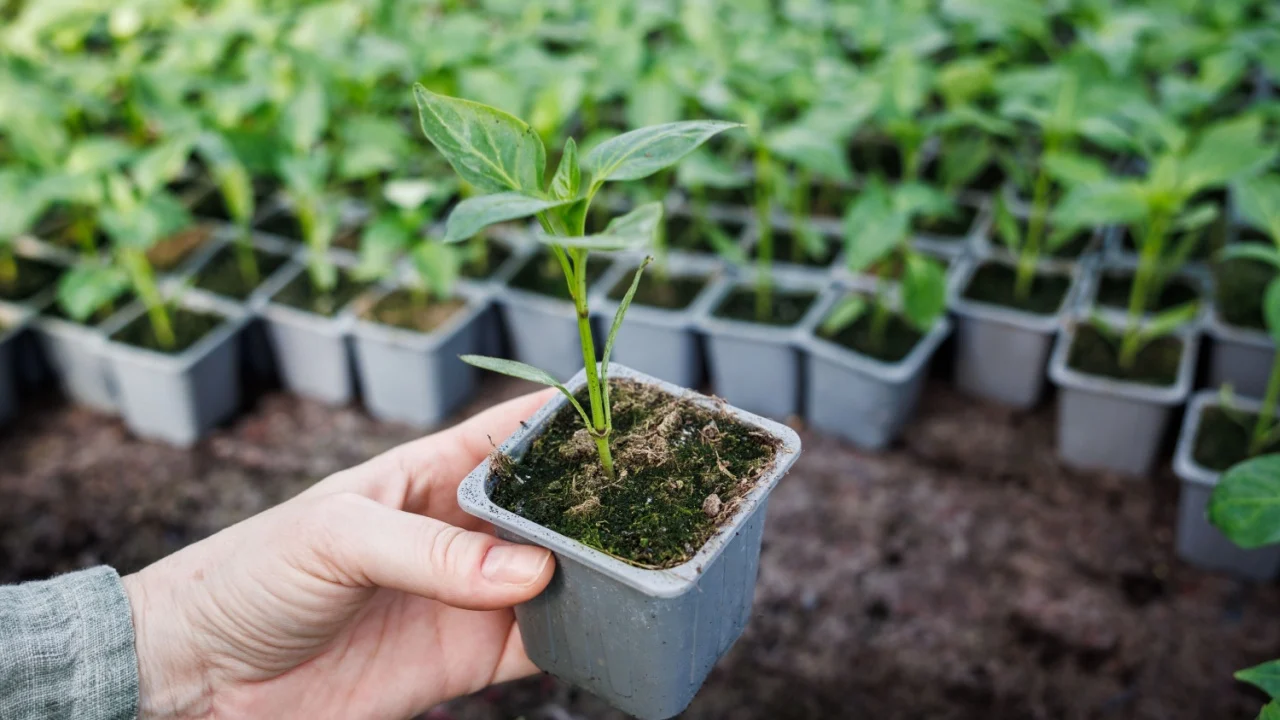
This is the reason most gardeners switch. Joe Lamp’l of Joe Gardener reports that a five-cell handheld blocker runs about $45 and will last forever, while a 72-cell Swift Blocker is a one-time $345 purchase. “Over the years, it will pay for itself in savings on plastic trays,” he writes. Petra Page-Mann of Fruition Seeds told Cornell Small Farms she has used her large blocker for nearly two decades. Once you own it, each new block costs almost nothing beyond the mix, and you’ll only sanitize the blocker and bottom trays instead of a towering stack of cells.
2. Say Goodbye to Roots Circling the Bottom of the Cell
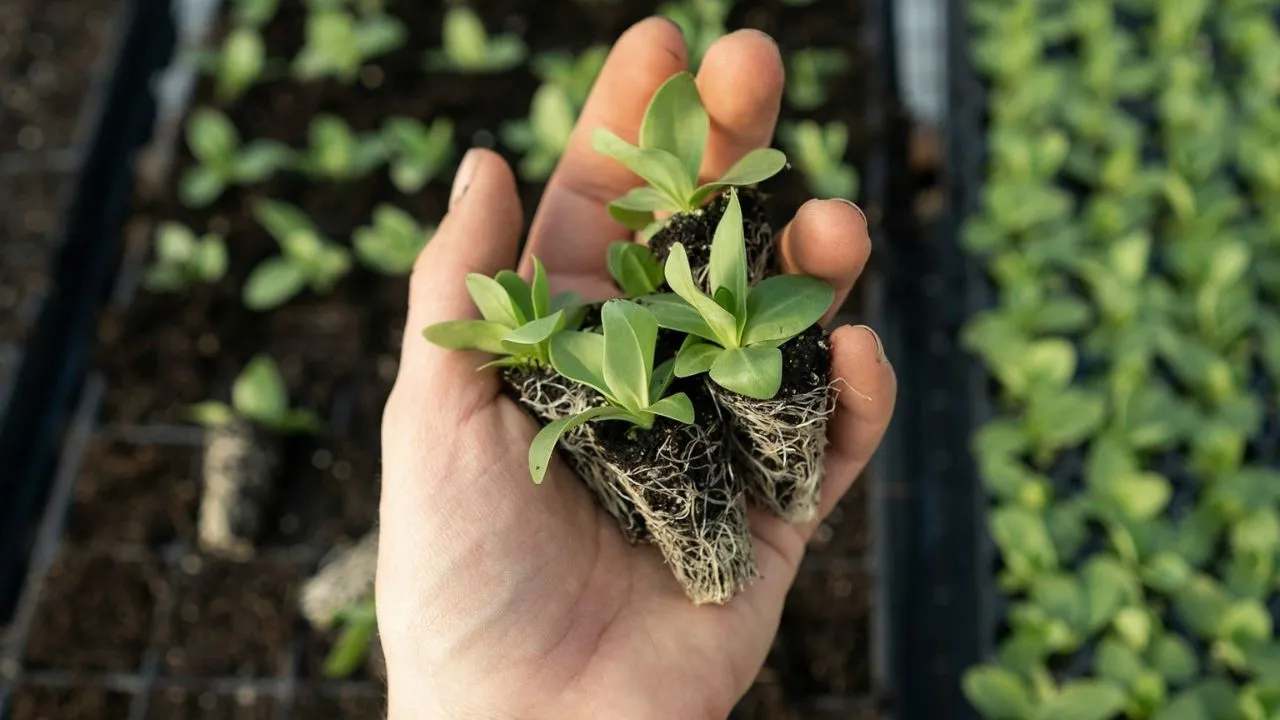
In a plastic cell, roots hit the wall and turn, eventually spiraling into a stunted knot. In a soil block, roots that reach the edge meet open air and simply stop, waiting until they touch soil again. This is called air pruning. “Seedlings grown in soil blocks develop stronger root systems than those grown in containers,” writes Penn State Extension Master Gardener Jim Kasten, crediting the extra oxygen and that natural pruning effect.
3. Never Yank a Seedling Out of a Cell Again

However gently you push a seedling out of a plastic cell, you disturb its tender roots. With soil blocks, the entire cube goes into the ground. “The air pruning process primes the plants for less transplant shock,” explains Michelle of Forks in the Dirt. Cornell Small Farms recommends planting quick crops such as lettuce and zinnias straight into the garden as blocks after about four weeks, while slower crops like peppers get potted up into 4-inch containers first.
4. Don’t Use Regular Potting Soil (This Is Why Blocks Crumble)
Here’s what experienced soil blockers rarely mention up front: most crumbling blocks are a mix problem, not a technique problem. Penn State Extension warns that traditional potting soil is the wrong consistency; blocking mix needs peat or coir to bind and hold moisture. Bark chunks, sticks, and stones in cheap bagged soil create weak spots that split blocks once roots move in. Mix about 3 parts blend to 1 part warm water, per Penn State, aiming for what Northern Gardener calls “a consistency near wet cement.” Pros hand pack the corners, which crumble first, and rinse the blocker between every set.
5. Avoid the Hidden Danger in the Bag, Not the Block
This is the part nobody puts on the seed packet. According to a CDC report, a soil survey in Australia found Legionella bacteria in 33 of 45 potting soil samples tested, a startling 73 percent. One species, Legionella longbeachae, has been linked to Legionnaires’ disease in gardeners, and NSW Health in Australia warns the risk of infection rises if you are older, a smoker, or have a weakened immune system.
The good news is that soil blocking works with soaking wet mix, and NSW Health says wetting potting mix helps keep contaminated dust out of the air. The risky moment is tearing open a dry bag and fluffing it. “Put on a face mask and wear gardening gloves before you open the bag,” advises NSW Health’s Dr. Jeremy McAnulty, and wash your hands afterward even if you wore gloves.
6. Stop Watering From the Top (and Don’t Let Blocks Go Gray)
A heavy stream from above will erode a fresh block, Penn State Extension cautions, so fill the tray underneath instead. “Bottom-watering is your new best friend,” says Petra Page-Mann in Cornell Small Farms. Blocks lose moisture faster than plastic cells, though; Joe Lamp’l checks his daily, noting that dry blocks turn gray-brown and hard, and veteran growers warn a fully dried block is stubborn to rewet. To prevent green algae, let the top millimeter dry between waterings.
7. Don’t Expect a Bigger Harvest
Many soil blocking fans promise bigger, earlier crops. The research disagrees. In a Michigan State University Extension trial of six tomato varieties, “Soil blocks did not increase yield or decrease days to harvest.” The block-started tomatoes grew taller, 39.7 inches versus 27.8 inches, but produced no more fruit. An Iowa State University study went further: cucumbers grown in plastic flats outweighed block-grown cucumbers by 20 percent in 2022 and 38 percent in 2023. Switch for the savings, the space, and the simplicity, not for a miracle harvest.
Start Small This Winter

Don’t buy every size at once. “The large soil blocker is the way to go” if you only own one, according to Cornell Small Farms, since 2-inch blocks suit nearly every crop. Start with an easy tray of lettuce, kale, or cabbage, which Gardenary recommends for a first run. Joe Lamp’l makes blocks with bagged seed starting mix straight from the bag, so you can skip mixing your own recipe. If your wrists or shoulders protest, work standing over the tray for leverage, and keep a few sturdy trays for squash and onions, which Seed to Fork still starts in pots.
The plastic tray had a good run, but it was always a middleman. Gardeners in Central America were planting seeds into cubes of soil 2,000 years ago, long before anyone sold a six-pack. Soil blocking won’t grow you a bigger tomato; it grows you a smaller pile of plastic, and that alone is reason enough to switch. Clear out the cracked trays this fall, buy one good blocker, and let next spring’s seedlings stand on their own.
Read More
The 7 Best Garden Items to Thrift This Fall
9 Smart Ways to Save Money in the Garden Before Fall Ends