Man Wants Neighbor’s Tree Removed—Instead, He’s Ordered to Help Save It
A homeowner blamed his neighbor’s tree for making a mess around his swimming pool. The homeowner ultimately sought to have his neighbor’s tree removed outright.
Instead, a tribunal found the pool itself had contributed to the problem.
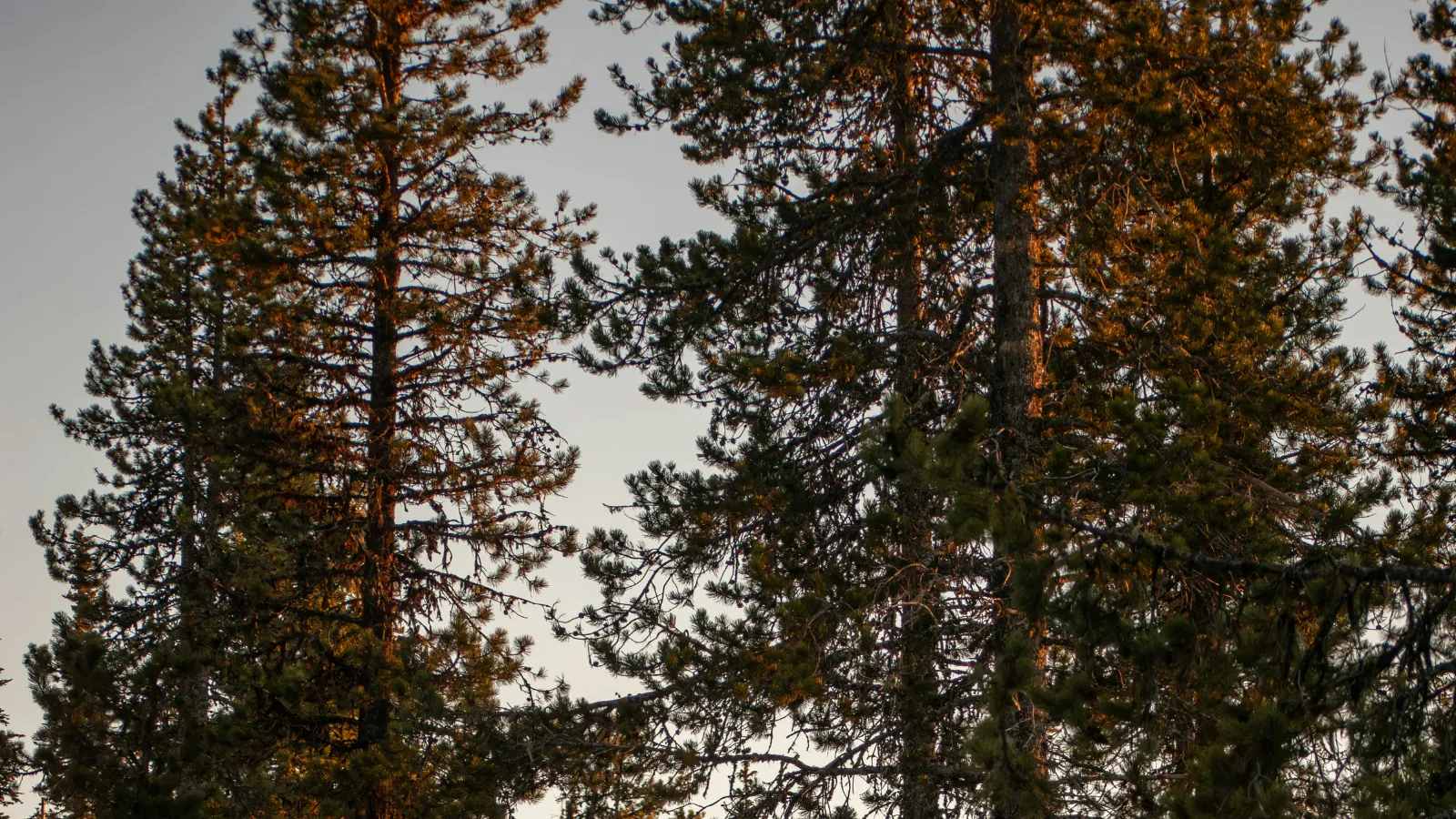
The affected parties were Allen Edward Blundell and Jason Nissen of Brisbane, Australia. Blundell sought an order requiring the removal of a hoop pine growing on Nissen’s property, citing spiked seeds, leaflets, and seedpods all falling around his property and into his pool.
On the one hand, the Queensland Civil and Administrative Tribunal agreed that the tree was substantially interfering with Blundell’s enjoyment of his property. However, in Blundell v Nissen, decided Sept. 15, it was found there was “no basis” to remove the healthy tree when pruning could sufficiently address the problem.
The case is further complicated by the fact that Blundell had built his pool beneath the existing tree’s branches, and this would shape the tribunal’s decision.
Pool Excavation Damaged the Tree’s Roots

In November 2023, Blundell installed an in-ground pool measuring 4.8 meters by 4 meters. The pool was built beside the tree in question, which had been growing on that adjacent property since 1998. This is actually roughly two decades before Nissen himself bought the property, which was back in April 2018, according to Blundell v Nissen.
According to the tribunal’s decision, excavation for the pool extended into the tree’s Tree Protection Zone and Structural Root Zone. Those zones are recognized under Australian Standard AS 4970–2009, Protection of trees on development sites, which provides guidelines for protecting existing trees during construction. The Tree Protection Zone covers the broader area needed to protect a tree from construction impacts. The Structural Root Zone specifically accounts for the root area important to a tree’s stability. One arborist calculated a 17.7% incursion associated with the pool installation.
Blundell acknowledged that he had not consulted Nissen or an arborist before building the pool. He knew leaf litter would affect it, but told the tribunal he had not expected as much as ultimately fell. Blundell also said the narrow lot left him with no other place to put the pool.
The tribunal found that Blundell had “brought upon himself to a large extent” the impact of leaf litter by choosing to put a swimming pool beneath the tree’s branches.
It also found that he had “caused harm to the tree” by excavating within its protection zone.
Homeowner Must Pay for Tree Treatments
Rather than ordering Nissen to remove the tree, the tribunal ordered at least three soil treatments meant to optimize and protect the tree’s health.
Blundell must pay for those treatments. Six months after the first soil treatment, he must also pay for pruning that will reduce most branches above his pool by about half.
Nissen isn’t off the hook, though. As the tree’s owner, he must pay for a separate Class 2 pruning within 12 to 18 months. Each man must also clean up tree litter that falls on his own property.
That last instruction addressed another point of conflict in the dispute. Blundell acknowledged collecting litter from his property and throwing it over the fence onto Nissen’s side. He agreed to stop.
The hoop pine therefore stays, at least for now. Blundell gets some relief from the branches above his pool—but he also gets the bill for addressing damage caused when that pool was built. When it comes to tree law, the fallout can really branch out quickly (pun intended!).
This case teaches neighbors to look at the full picture before they take others to court, which may not result in the intended outcome.