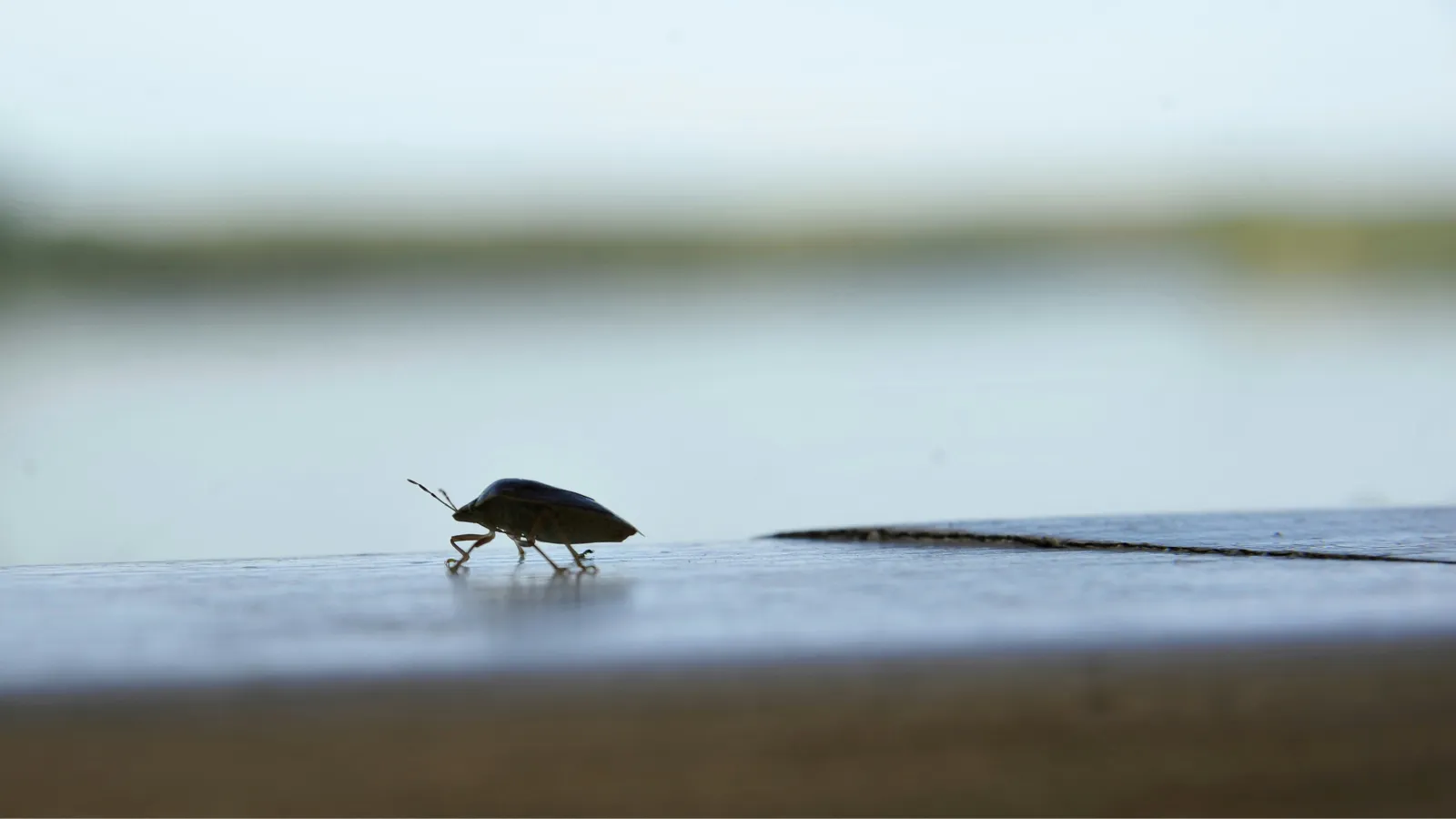
Why Stink Bugs Invade Homes in Fall And What Actually Keeps Them Out
Are stink bugs suddenly gathering around your windows and doors every autumn? Those smelly scoundrels are not necessarily looking for something to eat. For one particularly troublesome species, your house may simply look like a great place for them to call home through the winter chill.
Brown marmorated stink bugs become especially noticeable around homes in early fall. According to Penn State Extension, adults start searching for protected shelters to spend the winter in September and October.
The invasive insect normally spends the warmer months outdoors feeding on fruits, vegetables, and other plants. Once those temperatures start dropping, however, cracks and spaces inside buildings look highly attractive as hiding places.
That makes early fall an important time to check a home before large numbers find their way inside.
Why Stink Bugs Head Indoors in Fall
Most stink bugs do not live very long. A 2020 University of Minnesota entomology study indicates that while surrounding temperatures can affect their lifespan, they live less than a year.
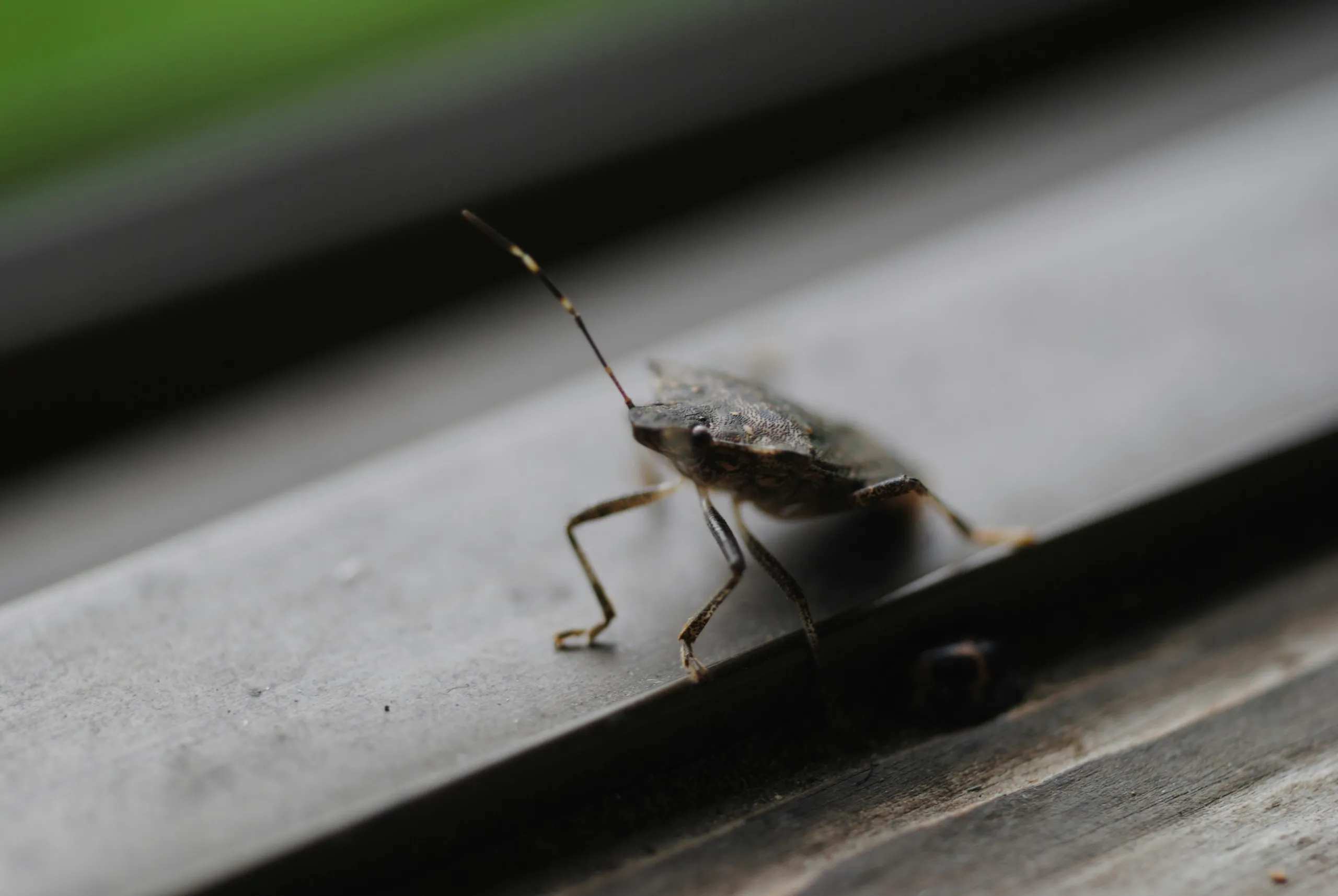
Brown marmorated stink bugs spend the winter as adults. University of Maryland Extension says they commonly seek shelter inside homes and other buildings as fall arrives.
They can gather on exterior walls before slipping through openings; sometimes a gap can be surprisingly small, and they still fit through. Common entry points include spaces around windows, doors, siding, utility pipes, chimneys, and roofline trim.
The good news is that, once inside, they are mostly just a nuisance and a startling presence. Penn State Extension says they do not reproduce inside buildings or damage the structure, so what you see is what you get that winter.
As for their infamous odor, that is a defense mechanism. Disturbing or crushing them can release the awful smell, which is one reason squashing a houseful of stink bugs is not the most ideal removal strategy.
Keeping Them Out Works Better Than Spraying
Physical barriers are the best first line of defense. Penn State Extension recommends sealing cracks around windows, doors, siding, pipes, and other openings and repairing damaged window and door screens.
Weatherstripping and other gaps deserve attention as well. The goal is to close potential entrances before stink bugs settle into walls, attics, and other secluded nooks and spaces.
Once they are inside, University of Maryland Extension recommends removing them with a vacuum or sweeping them into a container of soapy water. A vacuum can temporarily pick up their odor, so homeowners may prefer a separate shop vacuum for larger numbers.
Routine indoor pesticide spraying is generally not recommended for this particular problem. The better long-term approach is decidedly less dramatic, more peaceful, and ultimately far less smelly: find where the bugs are getting in and close the door before next fall’s uninvited guests arrive.