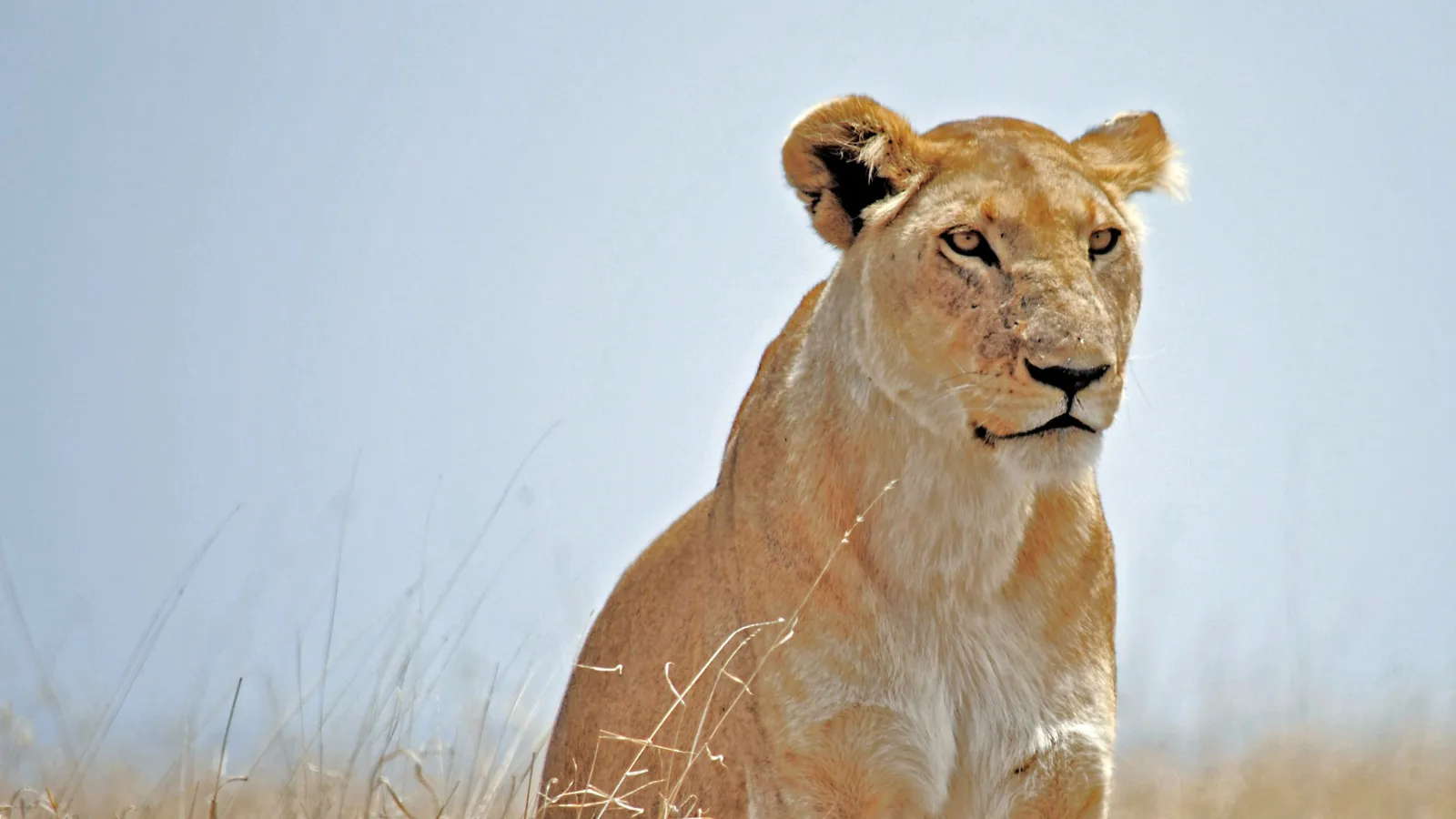
10 Lions Found Dead, Others Missing as Tanzania Investigates Suspected Poisoning
Ten lions have been found dead in northern Tanzania’s Ngorongoro Conservation Area, where wildlife officials are investigating what may have been a poisoning in the Ndutu area.
In a Sept. 19 statement posted by the Ngorongoro Conservation Area Authority on Facebook, the agency said preliminary findings indicated the lions “may have died after ingesting poison.” NCAA said it had begun a technical investigation to establish the cause and determine whether anyone was responsible.
However, NCAA Deputy Conservation Commissioner Joas Makwati, as reported by The Guardian Tanzania, said it was too early to reach a definitive conclusion and said the public should wait for the government’s findings.
One Lion Is Being Treated As Search Continues
Embedded media follows. Please allow a moment for it to load.
The group in the Ndutu area numbers about 33 lions, Ndutu Supervisor Abihudi Sengele said. Twelve had been located alive and safe as of Sept. 22, while teams were still trying to account for the remaining lions, The Guardian Tanzania reports.
View this post on Instagram
Sengele said the 10 lions had fed on a giraffe carcass before they were found dead. He said the animals ate part of the carcass, moved away and later returned to feed again.
Another lion was being monitored and treated after showing symptoms that included excessive salivation and vomiting. NCAA wildlife veterinarian Dickson Wambura said the animal was responding to treatment.
“Yesterday we continued monitoring it, and today we administered additional medication,” Wambura said, as reported by The Guardian Tanzania, adding, “it is progressing well.”
Officials Await Laboratory Results
UNESCO describes Ngorongoro as a multiple-use conservation area where wildlife has long coexisted with semi-nomadic Maasai pastoralists and their livestock.
The protected landscape is also part of the larger Serengeti ecosystem.
Poison can create dangers beyond the original animal initially exposed. The International Union for Conservation of Nature has warned that poisoned carcasses can also kill scavengers, including hyenas and vultures, that feed on the remains.