8 Perennials You Should Always Divide in the Fall
That perennial clump in your garden that stopped blooming last year isn’t aging out. It’s suffocating. Underneath the soil, its roots have spent years tangling into a dense, woody mass that can no longer pull nutrients or water from the surrounding earth. And every fall you walk past it without a shovel in hand, you’re letting the problem get worse.
This is the mistake seasoned gardeners rarely talk about. Overcrowded perennials don’t die dramatically; they fade. The blooms shrink, the center goes bald, and eventually, the plant that once anchored your entire border produces nothing but leaves, and most gardeners blame the variety rather than the neglect. According to Penn State Extension, division is “the easiest and most common method of increasing perennials,” and it’s also the most overlooked one.
In September, your soil is still warm from summer, air temperatures are cooling, and autumn rains are on the way. That combination gives freshly divided roots the perfect conditions to establish before the ground freezes. Wait until October in most zones, and the window slams shut. And every division you make is a free plant; considering that nursery perennials run $8 to $25 each, a single afternoon of dividing can save you $150 or more.
Not every perennial should be divided in fall, and getting that wrong can cost you the whole plant. But these eight need your attention right now, before September ends, or they’ll spend another year choking themselves out.
1. Peonies
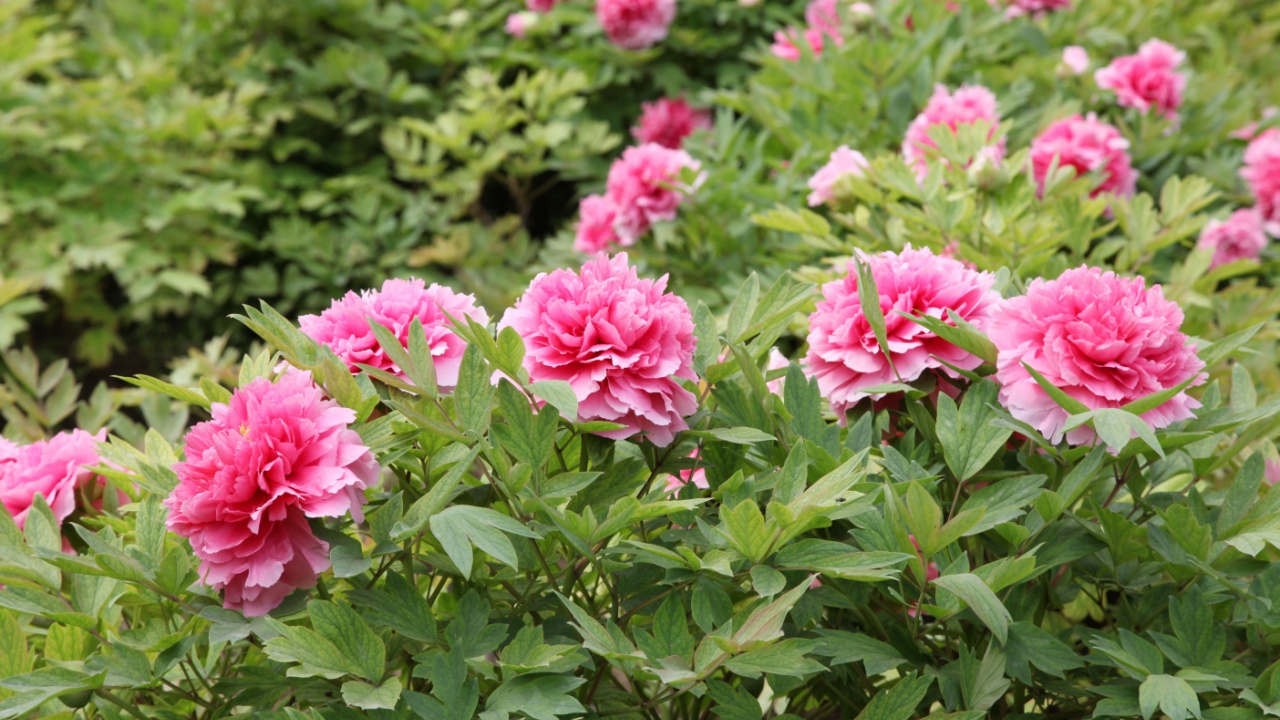
If there’s one perennial that absolutely must be divided in fall, it’s the peony. Unlike most plants on this list, peonies should only be divided in early autumn; spring division often results in a plant that refuses to bloom for years.
“Over time, the stems and roots grow all gnarly and eventually choke out the buds and center of the plant,” says Adrienne Roethling, plant expert and former garden director for Paul J. Ciener Botanical Garden, in an interview with Martha Stewart. “This will often lead to root rot.”
The trick with peonies is depth. Each division must be replanted with the buds (called “eyes”) no more than 1.5 inches below the soil surface, according to the University of Minnesota Extension. Plant them too deep, and they won’t bloom; too shallow and they’ll heave out of the ground over winter. A well-divided and maintained peony can live for 50 years or more.
2. Bearded Iris
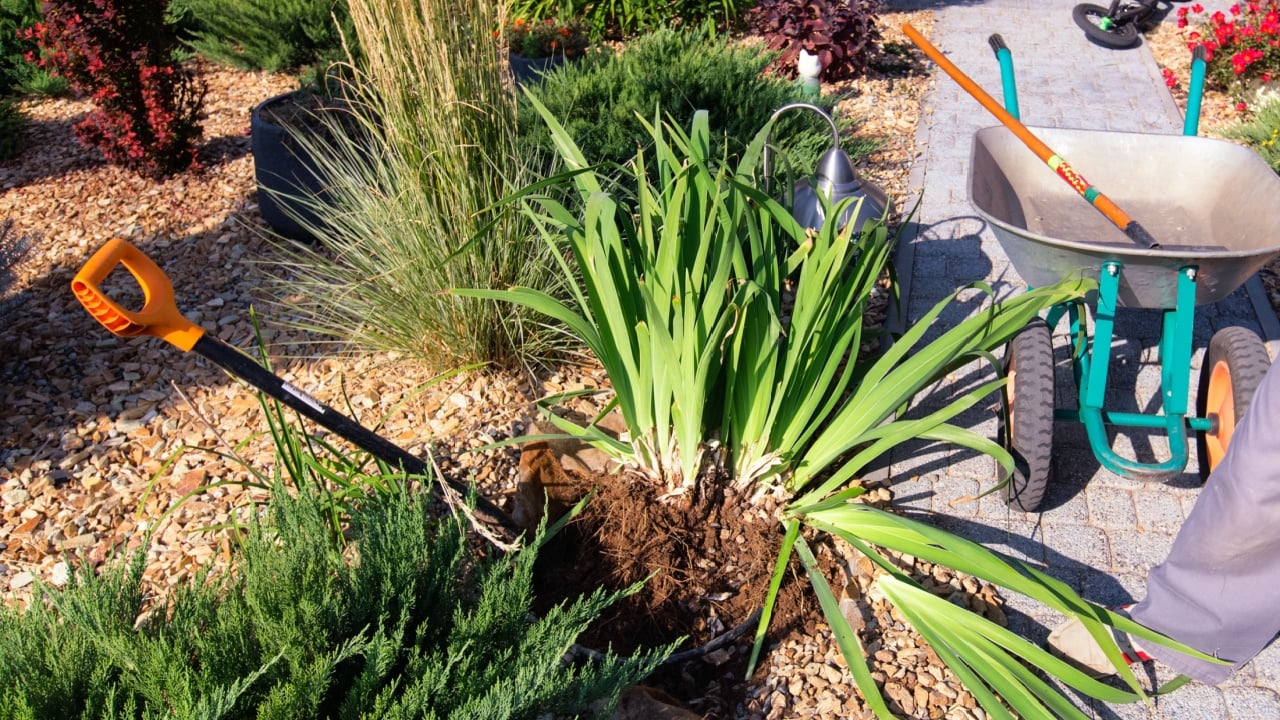
Experienced gardeners call it the “donut test.” When your iris clump develops a bald, dead center with a ring of healthy growth around the edges, it’s past due for division. That dead center is the oldest part of the rhizome, and it’s stealing resources from the younger, productive sections.
“Overcrowding could cause the plant to stop flowering and make it more susceptible to root rot,” explains Kelly Funk, president and CEO of Jackson & Perkins, speaking with Martha Stewart.
Bearded iris is typically divided in late summer after blooming, but early September still works in most zones. When you divide, barely cover the rhizomes with soil; burying them too deep is one of the most common iris mistakes. Each piece only needs one healthy fan of leaves and a section of firm rhizome to thrive.
3. Daylilies
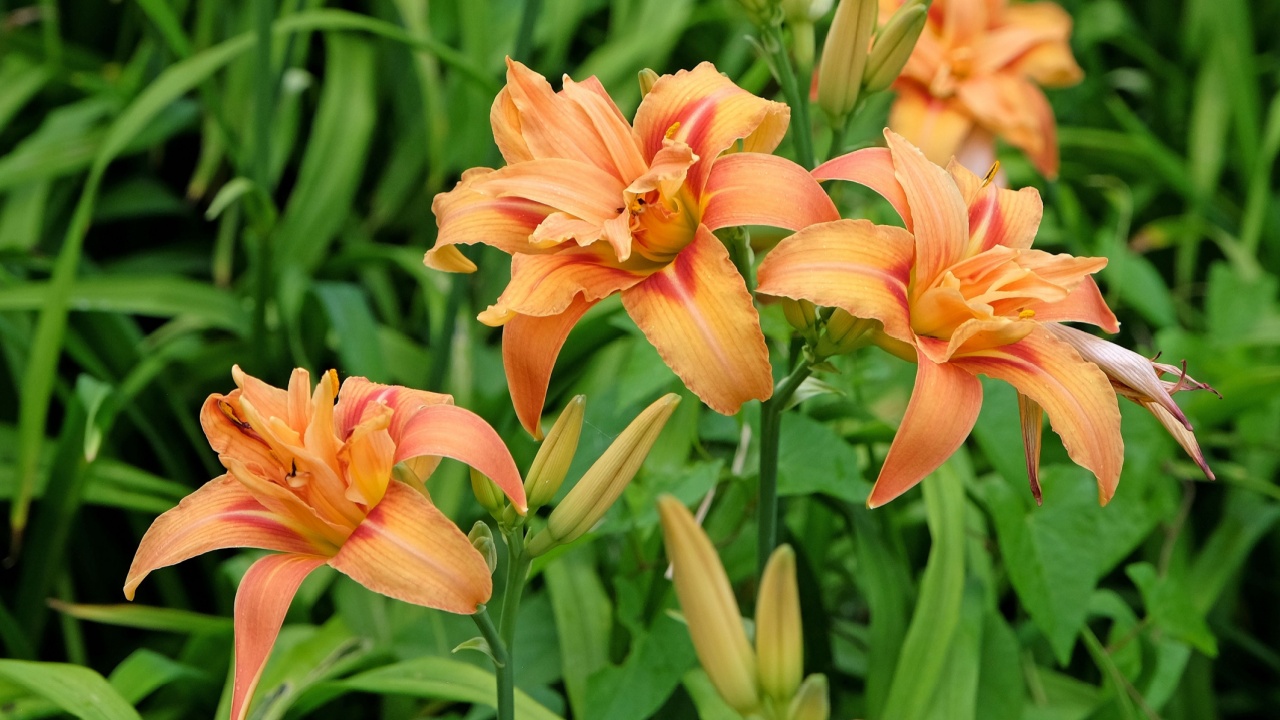
Daylilies are the most forgiving perennial on this list, which is exactly why so many gardeners take them for granted. One gardener started with two plants along her patio and, through nothing more than annual fall division, lined an entire alley with daylilies within four years without spending a penny.
“They always respond well to dividing,” says Roethling. “Dig the plants and sever the roots until you have as many divisions as you want.”
Before replanting, trim the foliage back to five to eight inches from the crown, as Penn State Extension recommends. This helps the reduced root system support the plant through winter. Each division needs at least one “fan” of leaves and a cluster of healthy roots.
4. Hostas
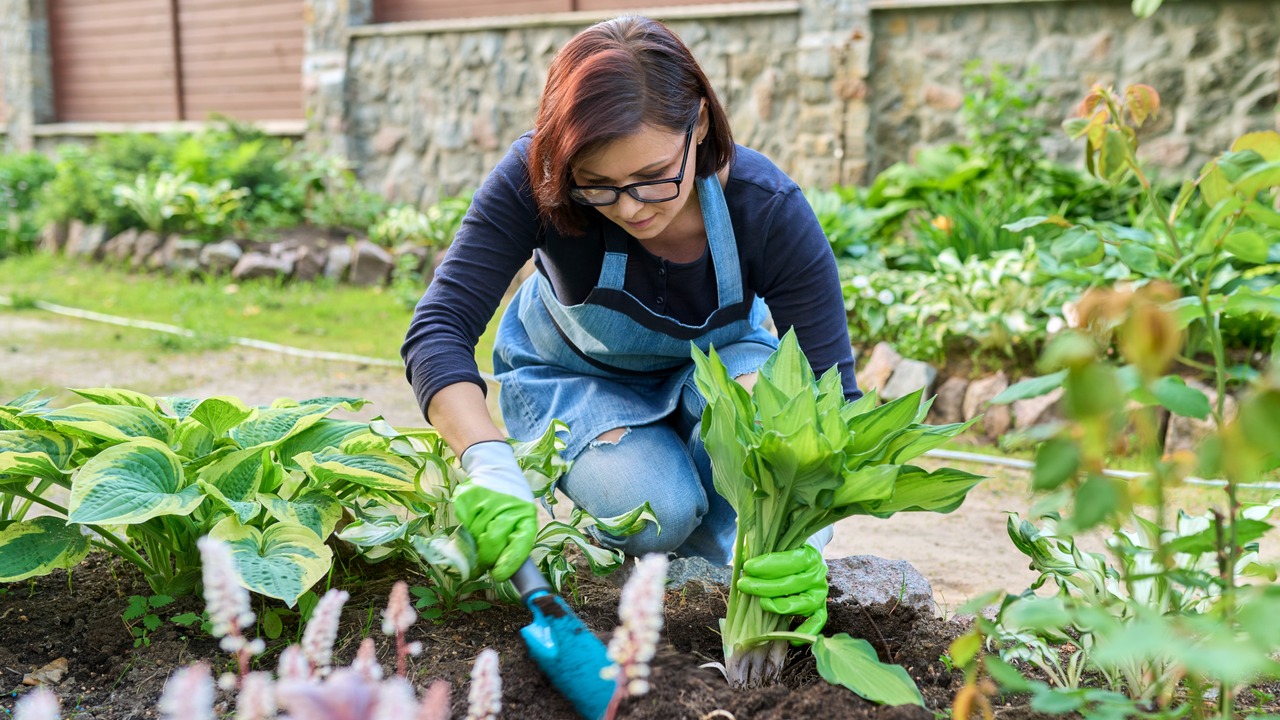
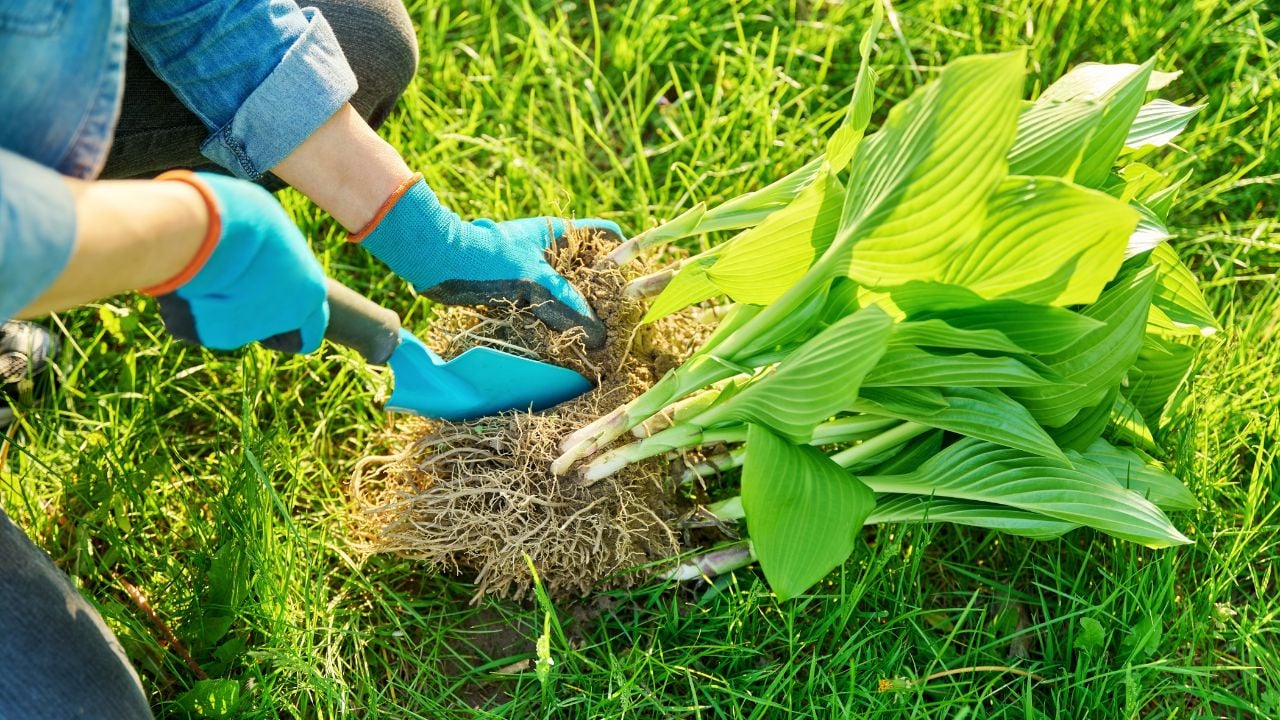
Hostas are remarkably good at telling you when and where to divide them. Look closely at a mature clump, and you’ll see natural “seams” between sections; visible splits where the plant has already begun separating itself. That’s your cutting line.
The Royal Horticultural Society recommends lifting congested clumps in late autumn, noting that “hostas with tough, fibrous roots can be divided with a sharp spade, slicing the clump in two.” Larger clumps can be split further to leave sections containing five or six shoots. For gardeners in their 50s and beyond who have watched hostas spread for decades, division is often the only thing that restores the tight, sculptural look the plants had when they were young. Each division can fill a new shady spot in your garden for free; at $12 to $20 per nursery hosta, that adds up fast.
5. Bee Balm
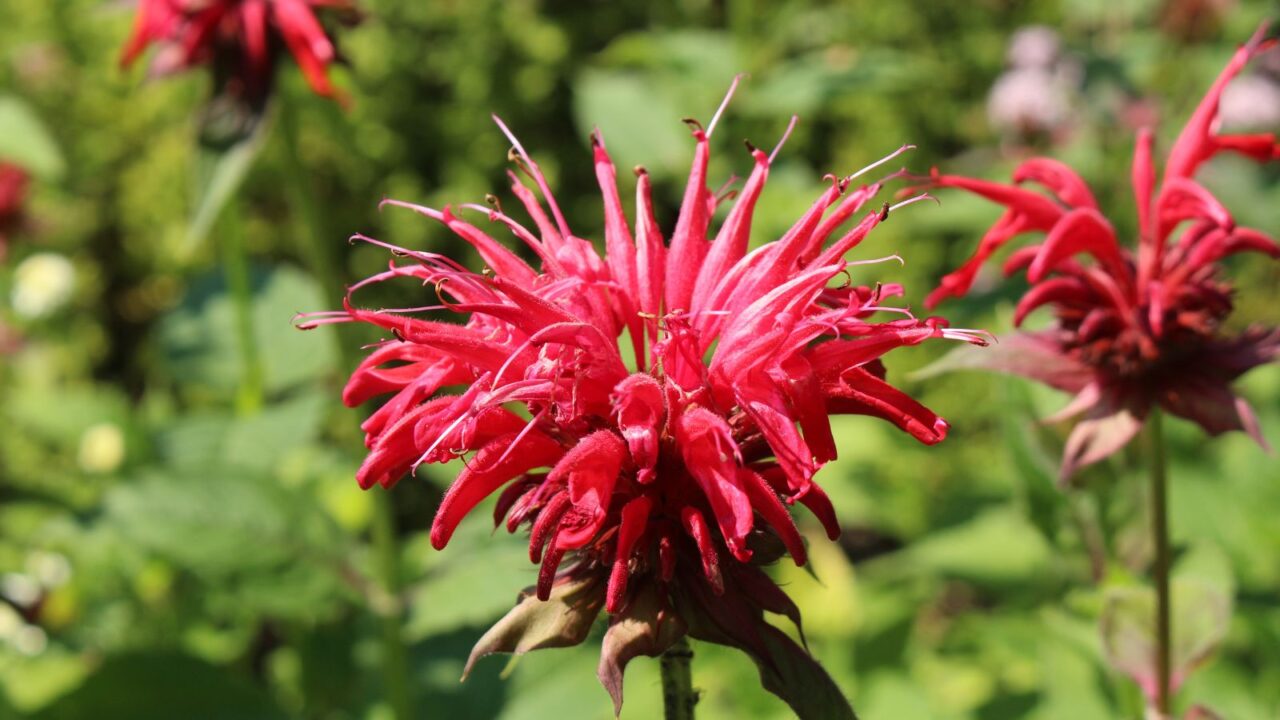
Bee balm is the villain of this list. Left undivided, it will colonize your entire flower bed within three seasons, smothering less aggressive neighbors and developing the powdery mildew it’s infamous for. “Dividing bee balm every two to three years helps control mildew, prevents spreading, and rejuvenates the plant,” says Funk.
Bee balm demonstrates this more dramatically than almost any other garden perennial. The center dies out, the outer edges keep spreading, and what was once a tidy pollinator magnet becomes a scraggly, mildew-covered mess. Division isn’t optional here; it’s maintenance. When you divide, discard the dead woody center and replant only the vigorous outer sections. This is the same renewal technique The Old Farmer’s Almanac has recommended for ring-forming perennials for decades.
6. Yarrow
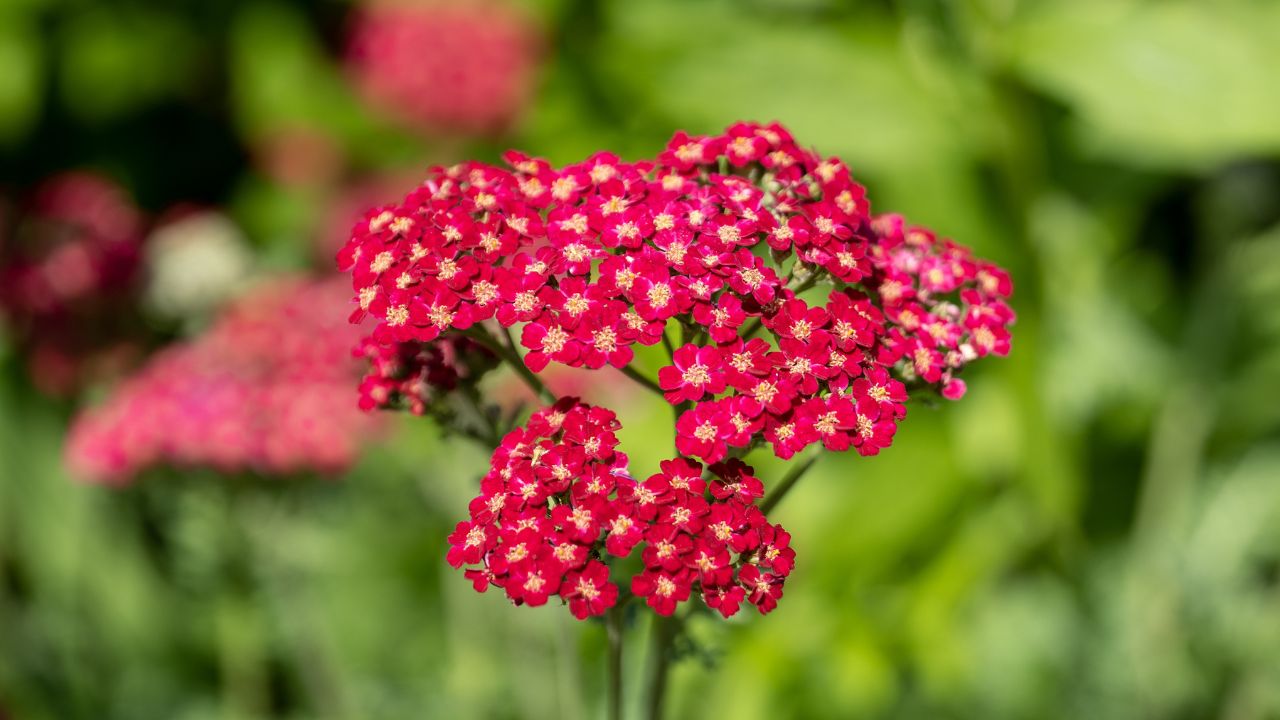
If your yarrow is flopping over by midsummer despite full sun, it doesn’t need staking. It needs dividing. Compacted clumps of yarrow inhibit airflow and produce weak stems that can’t hold themselves upright, according to Kelly Funk in Martha Stewart.
Yarrow is one of those old-fashioned remedy plants your grandmother almost certainly grew. It costs almost nothing to maintain, thrives in poor soil, and multiplies so readily that dividing it every two to three years is the only real task it requires. Each division can fill a dry, sunny spot that would cost you $10 to $15 to plant with a nursery specimen. Divide in early fall, set the crown slightly high in the soil, and walk away.
7. Astilbe
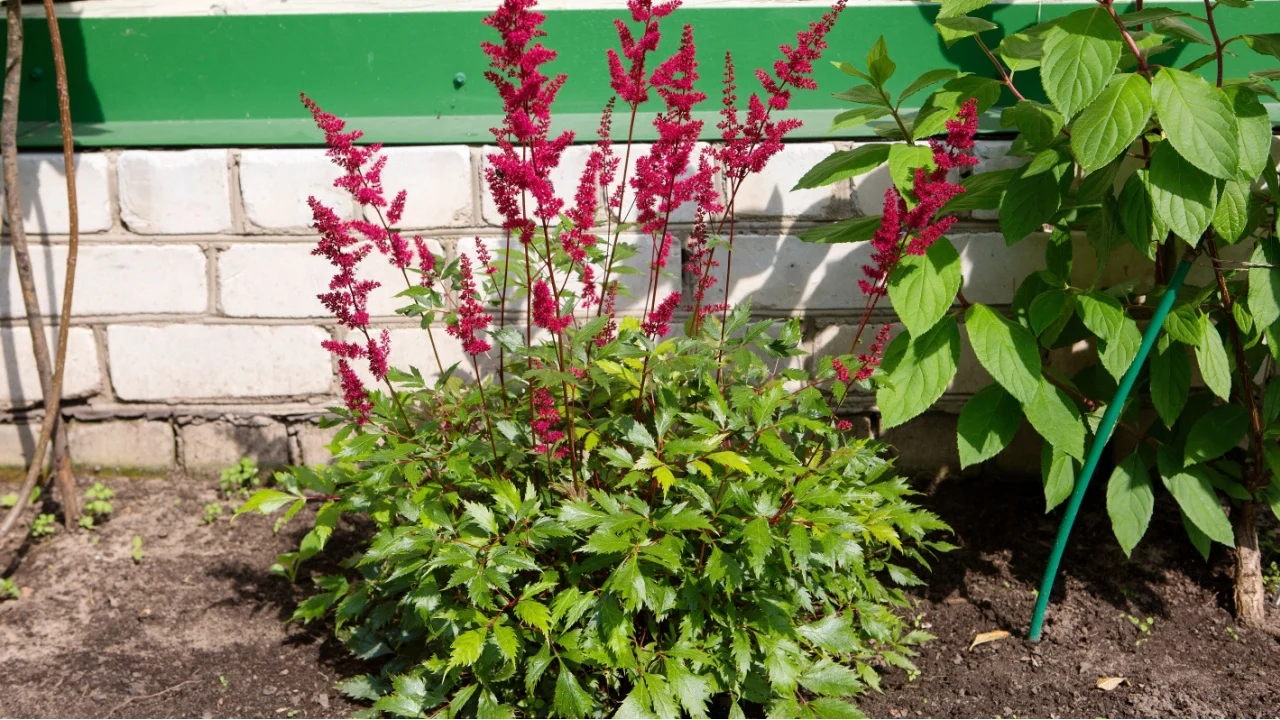
Astilbe is the shade garden workhorse that gets less attention than it deserves, and less division, too. Dense crowns restrict new growth, limit flowering, and quietly increase the risk of root rot, according to Funk. Most gardeners notice the decline only when blooms go from lush plumes to thin, sparse stalks.
Penn State Extension recommends dividing astilbe every three to four years, ideally in early spring before foliage unfolds or in late summer. Early September, before temperatures drop, still works well. When dividing, look for three to four “eyes” (buds) per section and replant at the same depth as the original crown. Astilbe divisions are particularly generous; a single mature plant can easily yield four to six new ones.
8. Coneflowers

Coneflowers are among the most reliable perennials in any garden, but reliability breeds complacency. Without division every four to five years, they become too dense, flowering weakens, and pest pressure increases.
The fix is simple: uproot the clump, cut it into sections with a sharp knife, and replant. According to Penn State Extension, coneflowers can be divided in either spring or fall, but fall division in September lets you see exactly what you’re working with while the plants are still fully leafed out. Each section only needs a few healthy roots and a couple of shoots to grow into a full-size plant by next summer.
The Perennials You Should Never Divide in Fall
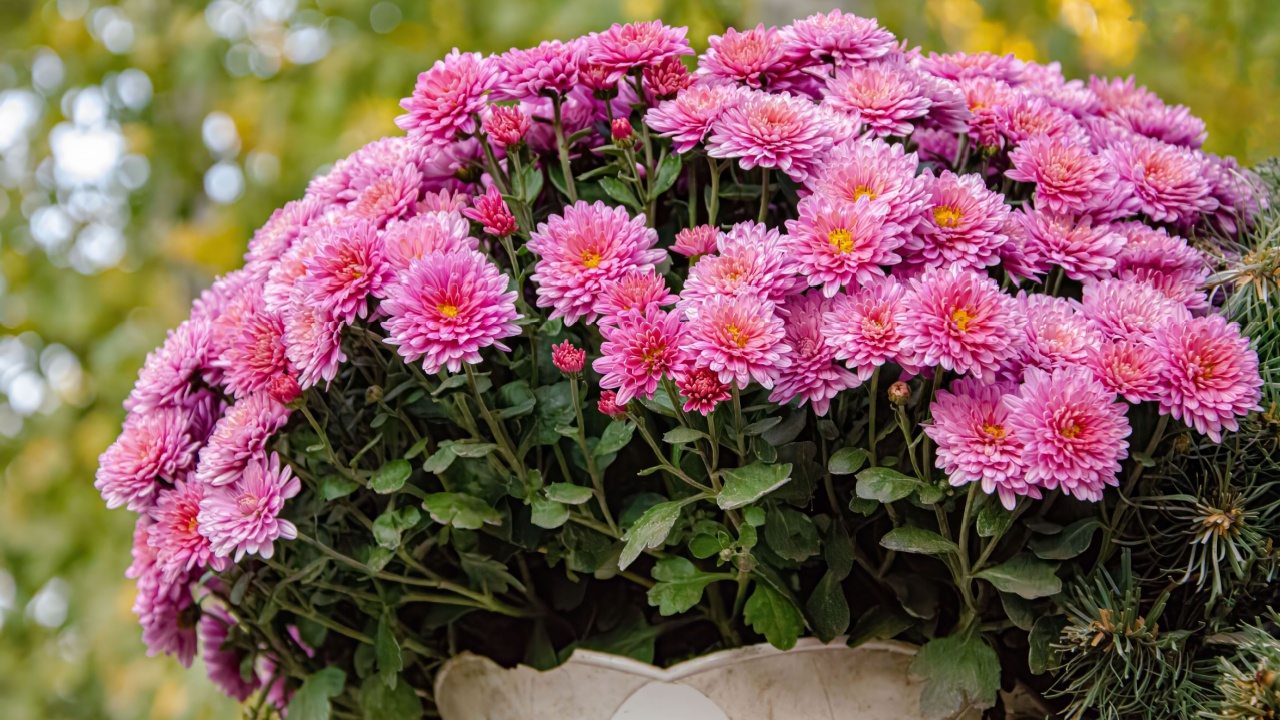
Knowing which perennials to divide matters just as much as knowing which ones to leave alone. False indigo has deep, woody taproots that don’t recover from fall division; the plant will suffer transplant shock and likely die over winter, according to Linda Langelo, horticulture specialist at Colorado State University Extension, speaking with Martha Stewart. Chrysanthemums are still actively flowering in fall and need their energy for blooms, not roots. Russian sage, lavender, and bleeding heart all have fragile root systems or single crowns that resent disturbance at any time, according to Proven Winners.
And don’t overlook the wildlife factor. Ornamental grasses like switchgrass and muhly grass provide critical habitat for birds and small animals through winter. “Leave it alone throughout winter, and then in spring cut back foliage and divide the clump,” recommends Damon Abdi, assistant professor of landscape horticulture at Louisiana State University AgCenter, in Martha Stewart.
How to Divide Perennials Without Killing Them
The entire process takes about 20 minutes per plant, costs nothing, and is far less scary than it sounds. Most perennials are astonishingly durable; as long as each division has several good roots and some healthy foliage, it will grow, according to Proven Winners.
Start by watering the soil the day before you plan to dig, which loosens the earth and reduces root damage. Choose a cloudy day if possible. Dig one to two inches beyond the foliage edge to capture the full root system, then lift the clump and shake off loose soil. For fibrous roots, pull sections apart by hand or with two back-to-back garden forks. For denser roots, use a sharp spade or knife. Replant divisions immediately at the same depth as the original, water deeply, and mulch lightly. Then stop worrying; the nursery professionals know what most beginners learn the hard way: these plants want to be divided, and they’ll reward you for it.
A Fall Task That Pays for Itself
Dividing perennials is the rare garden chore that gives back more than it takes. Twenty minutes and a sharp spade can turn one tired, overcrowded plant into four or five vigorous new ones, each worth $8 to $25 at the nursery. That’s $150 or more in free plants from a single afternoon, and the originals will bloom better than they have in years.
Right now in September, conditions are ideal. The soil is warm, the air is cool, and there’s still time for roots to settle in before winter. Your grandmother didn’t need a gardening book to know this; she just grabbed her spade every September and got to work. The peonies she left behind are proof enough that it works.
Read More
Washing Your Lettuce Won’t Remove Cyclosporiasis, But Growing Your Own Will
Your Grandmother Stored These 8 Foods All Winter Without Canning a Single Jar