Design Your Garden With This Effortless French Aesthetic from the 2026 Chelsea Flower Show
One garden at this year’s Chelsea Flower Show stopped visitors in their tracks, and it was not because of roses.
Baz Grainger’s The Killik & Co ‘A Seed in Time‘ Garden featured 21 different species of ornamental grasses swaying in the spring breeze, and it signaled something that American gardeners have been quietly discovering on their own: the most elegant, French-inspired gardens are no longer built with high-maintenance hedges and fussy topiaries. They are built with grasses. Homes and Gardens called low-maintenance grasses one of the five defining trends of Chelsea 2026, noting their “innate ability to bring height, texture, and movement” to any garden design.
What caught the attention of garden designers on both sides of the Atlantic is how naturally ornamental grasses achieve the refined look that French gardens are famous for: symmetry, layered heights, cool silver-blue tones, and year-round structure. MasterClass describes the French garden aesthetic as one built on “symmetry, order, geometric shapes, and a limited color palette,” and the right ornamental grasses deliver all four without the weekly pruning sessions that traditional French plantings demand. Better still, a single $8 starter pot divided every two to three years can fill an entire border for free.
If you have been admiring French-style gardens and assuming they require a professional landscaper and a bottomless budget, the eight grasses below will change your mind. Every one of them was inspired by what is working right now on the world’s most prestigious garden stage, and every one of them will thrive in an American backyard with almost no effort.
1. Blue Fescue: The Signature French Garden Edging
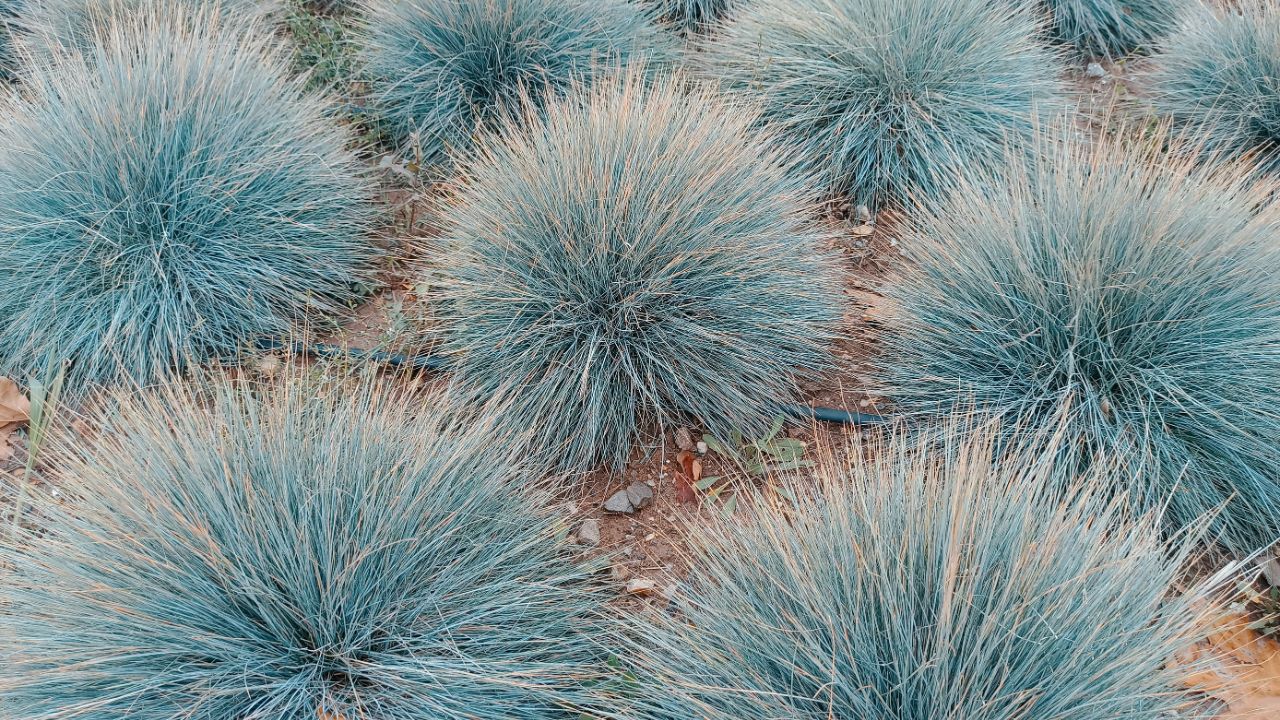
If the French parterre had a signature grass, it would be Blue Fescue (Festuca glauca). This compact silver-blue ornamental grows just 10 to 12 inches tall and forms tidy, dome-shaped mounds that echo the clipped boxwood spheres at the heart of traditional French garden design.
“Blue Fescue is drought and poor soil tolerant, hardy in cold regions, and one of the most versatile grasses for formal borders,” notes Garden Design magazine. One $8 starter pot divided after two years gives you six to eight plants for free, saving $150 or more compared to buying each individually.
2. Karl Foerster Feather Reed Grass: The Vertical Backbone
Every French garden needs strong vertical lines, and Karl Foerster Feather Reed Grass (Calamagrostis x acutiflora ‘Karl Foerster’) delivers them at three to six feet tall with the posture of a palace guard. Its narrow, upright form reads as architectural rather than wild, precisely the quality that made grasses like this a centerpiece at Chelsea 2026.
Monrovia Nurseries confirms this Perennial Plant of the Year winner tolerates heat, heavy clay, and zones 5 through 9. For gardeners who love the French aesthetic but no longer want to spend weekends pruning hedges, Karl Foerster is the grass for you. It offers all the structure of boxwood with none of the labor.
3. Blue Oat Grass: The Silver-Toned Showpiece
Traditional French gardens restrict their palette to cool tones, and Blue Oat Grass (Helictotrichon sempervirens) fits that rule as though it were bred for Versailles. Its pale blue, evergreen foliage holds its color through winter in mild regions, giving your garden structure long after summer perennials have faded.
Garden Design notes it tolerates “a wide range of conditions” in zones 4 through 8. At two to four feet tall, it fills the mid-height tier in a layered French planting scheme beautifully, pairing especially well with lavender and catmint, two classic French garden companions recommended by French Petal Gardens for naturalistic designs.
4. Japanese Forest Grass: Elegance for Every Shady Corner

The Chelsea showgrounds reminded designers that great gardens do not ignore the shade, and Japanese Forest Grass (Hakonechloa macra ‘Aureola’) is the reason why. Its cascading golden-green foliage turns coppery pink in fall, and it is one of the only ornamental grasses that genuinely thrives in partial shade, according to Garden Design.
Experienced gardeners consistently call it the most elegant grass for formal settings. At just one to one-and-a-half feet tall, it is the perfect living skirt for a French garden fountain or stone urn; the kind of finishing detail that makes a garden look designed rather than merely planted.
5. Pink Muhly Grass: The Romantic Fall Showstopper
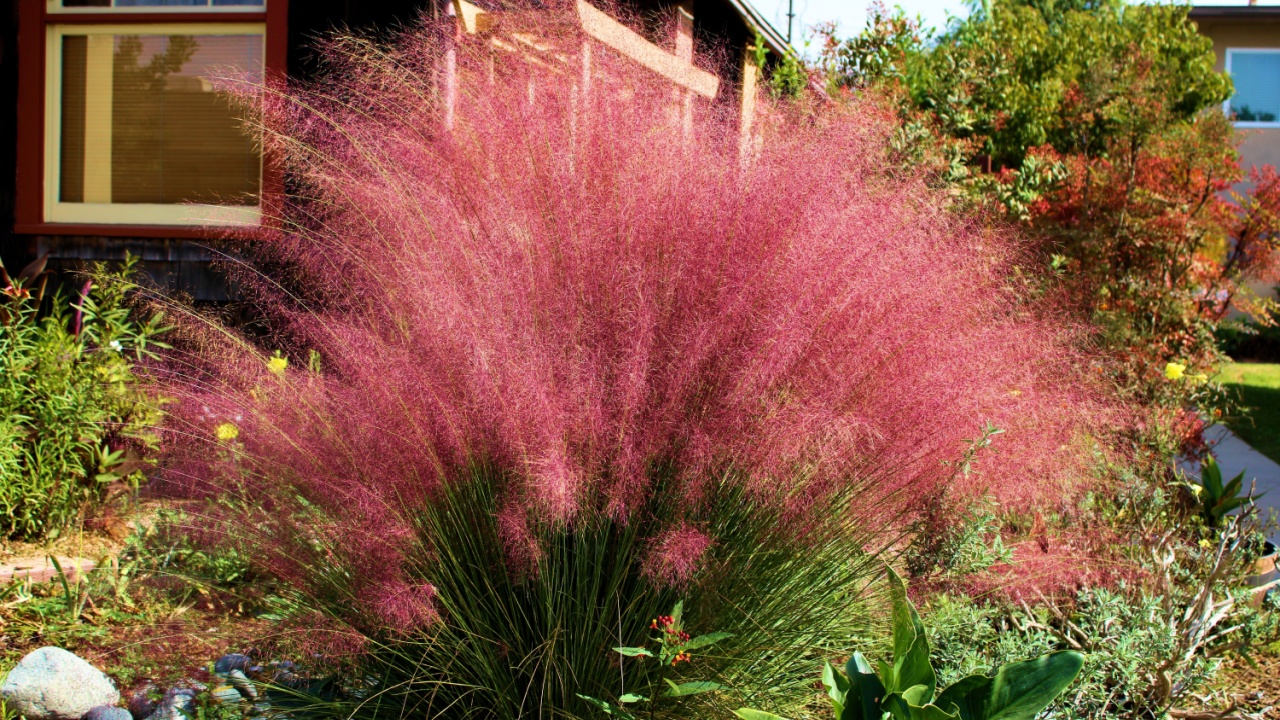
French gardens are designed to deliver beauty in every season, and Pink Muhly Grass (Muhlenbergia capillaris) earns its place by producing the most breathtaking fall display of any grass on this list. Its cotton candy-pink seed heads emerge in late summer and last through autumn, turning an ordinary border into something that belongs on the cover of a magazine.
This native grass thrives in zones 6 through 9 and requires very little water once established, per Garden Design. The smartest French garden designs pair it with lavender for a layered, romantic effect that looks like it cost a fortune but actually costs a fraction of traditional plantings.
6. Prairie Dropseed: The Chelsea Star That Smells Like Popcorn
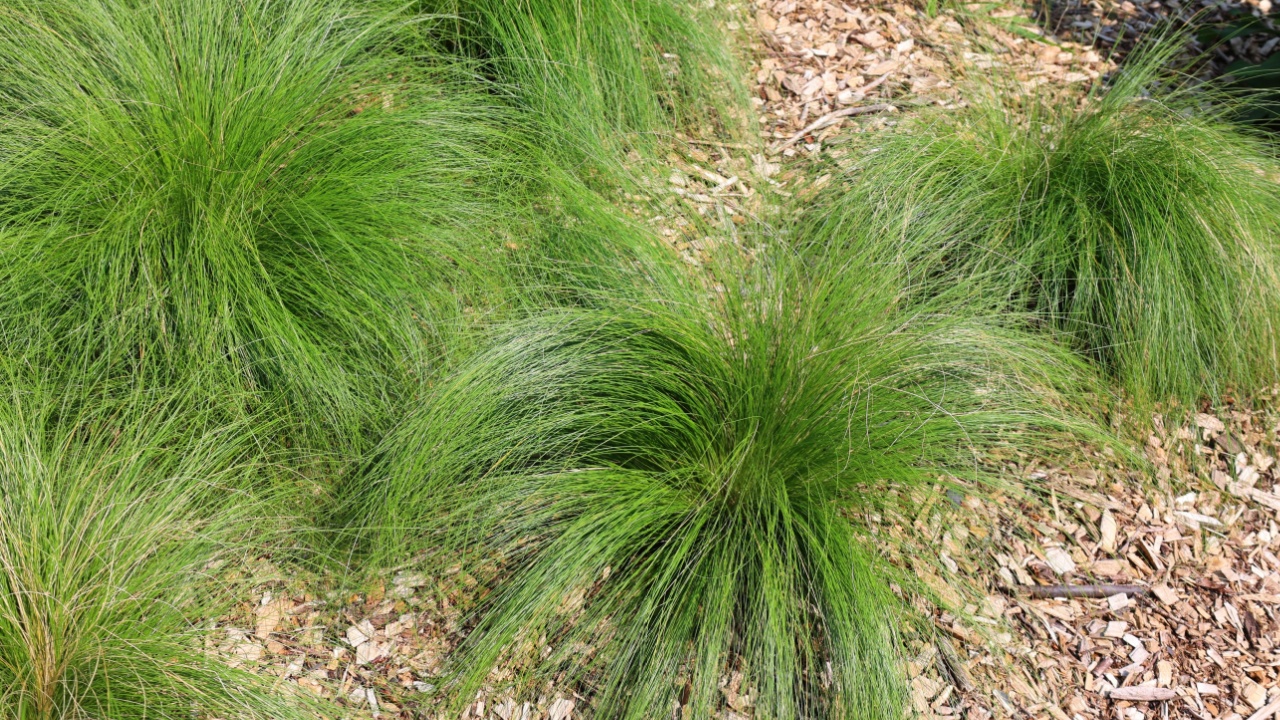
Prairie Dropseed (Sporobolus heterolepis) is the grass nursery professionals quietly plant in their own gardens. Highlighted at the 2026 Chelsea Flower Show by Homes and Gardens, this native grows two to three feet tall and produces seedheads with a fragrance often compared to buttered popcorn; a delightful surprise in a formal garden setting.
The University of Nebraska-Lincoln Extension recommends dividing ornamental grasses every two to three years, noting that even inexpensive starter pots yield surplus plants you can share with neighbors. One Prairie Dropseed becomes three, then nine. Within a few seasons, you have created an entire French-inspired border for under $50 total; hundreds less than traditional boxwood hedging.
7. Little Bluestem: The Four-Season Color Artist
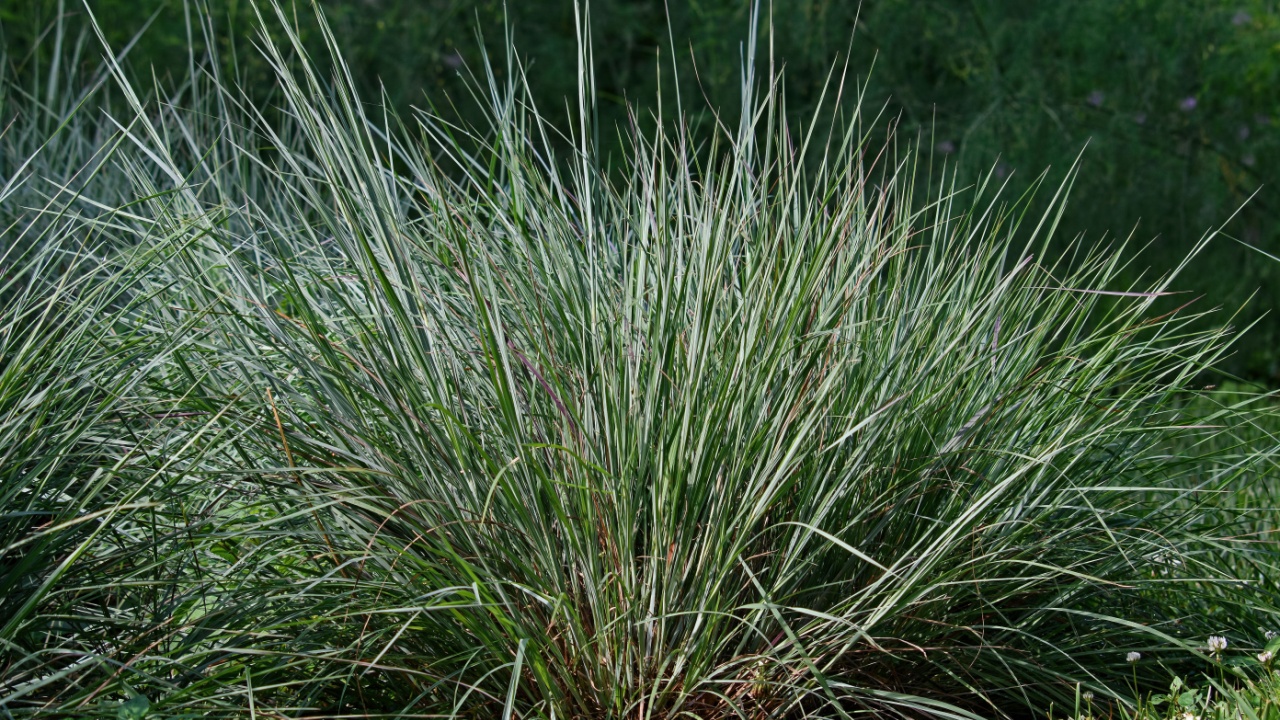
Little Bluestem (Schizachyrium scoparium) might be the most underappreciated grass in French garden design. Its smokey mauve-blue summer foliage shifts to deep burgundy and copper in fall, providing the kind of seasonal color progression that French gardens are famous for. As a North American native adapted to zones 3 through 9, it needs almost no watering after its first year.
Garden Design notes the ‘Blue Paradise’ cultivar works beautifully in borders and naturalized settings. It pairs perfectly with the silvers and blues of Blue Fescue and Blue Oat Grass, creating the cool-toned harmony that defines the French palette.
8. Evergreen Sedge: The Year-Round Finishing Touch
Evergold Sedge (Carex oshimensis ‘Evergold’) completes the French garden picture by solving the one challenge every ornamental grass gardener faces: what happens in winter? This compact evergreen grows eight to eighteen inches tall with gold-and-green variegated foliage that holds its color through the coldest months, per Garden Design.
Use it as living edging along gravel paths, around stone borders, or massed in formal rows for year-round structure. French Petal Gardens recommends using ground covers to “fill gaps and retain moisture,” and Evergold Sedge does exactly that while adding the elegance a French-inspired garden demands.
Choosing the Right Grass for Your Garden
One lesson from Chelsea 2026 is that variety selection matters more than any other decision. A few things worth knowing before you plant: avoid Pampas Grass, Fountain Grass, and Mexican Feather Grass, which are classified as invasive in many states and can spread into neighboring properties. Pampas Grass is also toxic to dogs, per the ASPCA. Stick to the eight clump-forming varieties above, and you will never worry about a grass escaping its bounds.
If you garden in a fire-prone region, keep grasses at least five feet from structures and cut back dried foliage in late spring. Sedges like Evergold stay greener in dry conditions and present a lower fire risk, according to research cited by Ambitious Harvest. And if your HOA has strict rules, these eight varieties all stay tidy and intentional-looking; a world away from the unkempt appearance that earns violation notices.
The French Garden, Reimagined
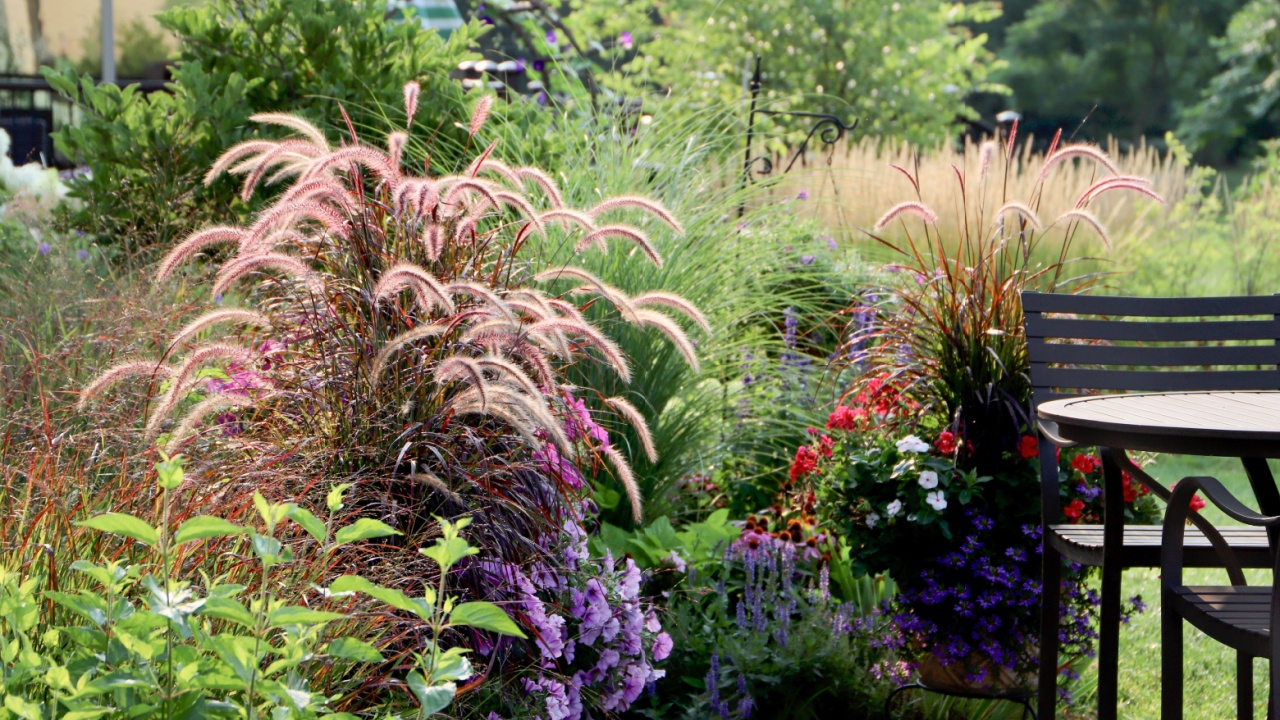
The 2026 Chelsea Flower Show proved that the future of elegant garden design is not more maintenance; it is smarter plant choices. The French garden your grandmother dreamed of, one with layered heights, silver-blue tones, seasonal drama, and a sense of order, is now achievable for almost nothing, with plants that practically take care of themselves.
Start with three or four varieties from this list. Let them establish for one season. Divide in spring. Within three growing seasons, you will have a garden that looks like it was designed by a professional and costs less than a weekend dinner out to maintain each year. That is the real trend from Chelsea 2026: beauty that does not demand your entire weekend in return.
Read More
Washing Your Lettuce Won’t Remove Cyclosporiasis, But Growing Your Own Will
Your Grandmother Stored These 8 Foods All Winter Without Canning a Single Jar