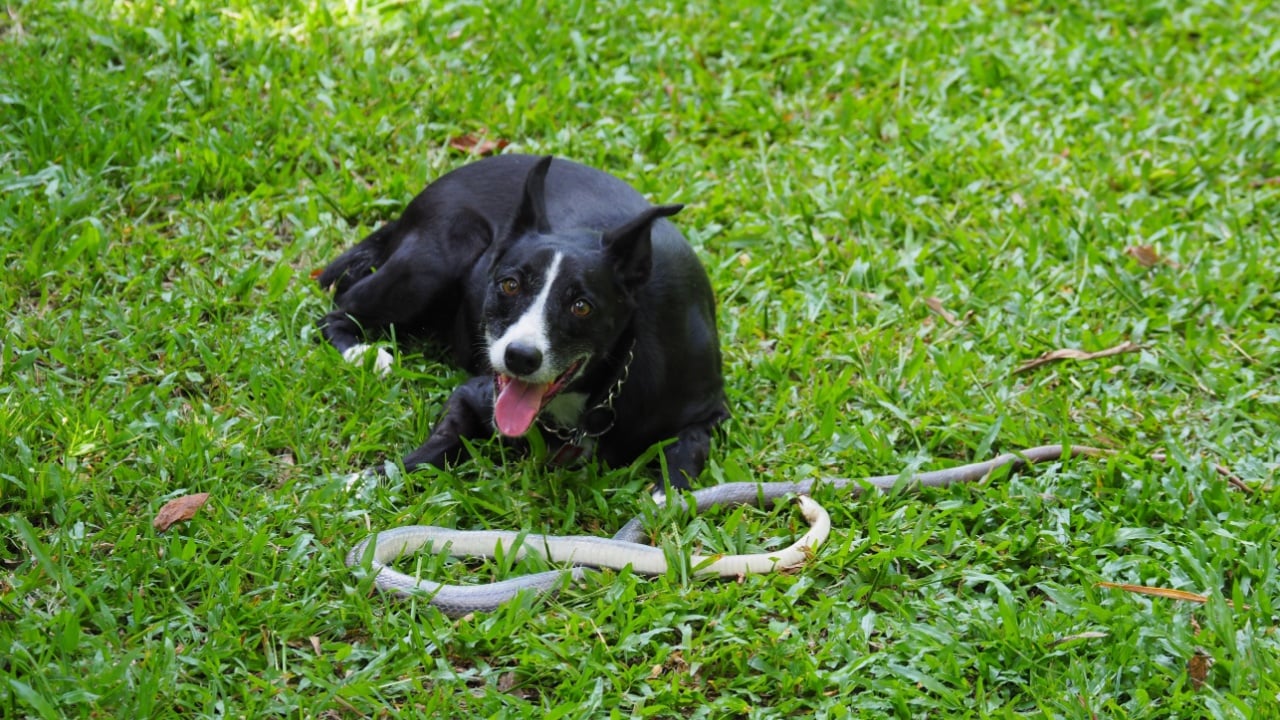
14 Snake‑Safety Tips Every Dog Owner Needs for Summer Yard Time
Snake season sneaks up fast. As temperatures climb, snakes that have been dormant all winter start moving again, into yards, under porches, and along walking trails. For dog owners, that’s not just an inconvenience. It’s a real safety concern.
Snake bites in dogs happen more often than many people realize. According to Frontiers Veterinary Science, up to 300,000 pets are bitten annually by snakes, with rattlesnake bites accounting for 99% of venomous bites in pets. A big part of that comes down to curiosity. Dogs investigate with their noses, often getting too close before a snake feels threatened.
The tips in this listicle draw on guidance from established veterinary and wildlife experts, including advice from Rocklin Ranch Veterinary Hospital in California and resources compiled by Proud Dog Mom. The goal was to take a widely circulated list and go a step deeper—explaining not just what to do, but why it matters.
Here’s what to do to keep snakes away from dogs, starting with the yard and working outward.
1. Learn Which Snakes Live in Your Area
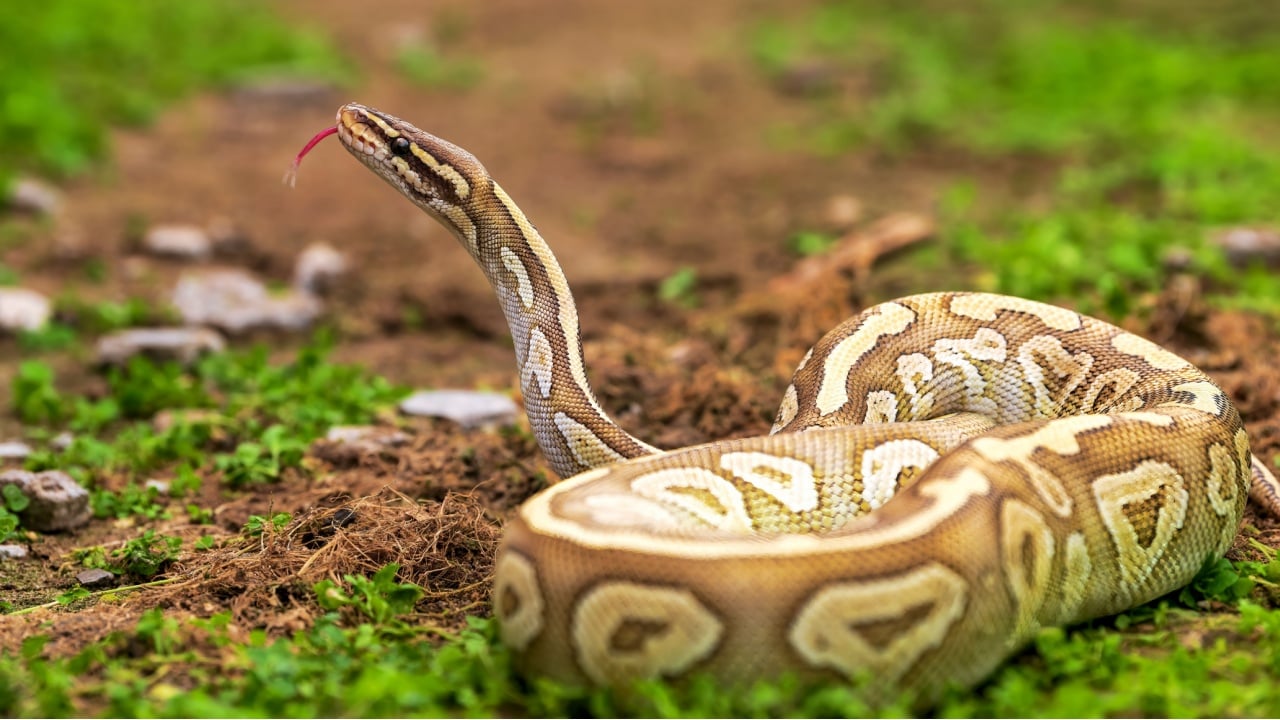
Not all snakes are venomous, and not all venomous snakes behave the same way. The Eastern Diamondback Rattlesnake, Copperhead, Water Moccasin (Cottonmouth), and Coral Snake are among the most dangerous in the U.S., and each has a different habitat preference and strike behavior.
Knowing which species are common in a region helps owners recognize what they’re dealing with and understand the level of risk.
A quick call to a local wildlife authority, veterinarian, or animal control office can give a solid picture of what’s active in the area and when. Seasonal activity patterns vary by species, so this kind of local knowledge is practical, not just precautionary.
2. Keep the Grass Short

Snakes favor tall grass because it provides cover from predators and a comfortable place to rest. Keeping the lawn mowed low removes that cover and makes the yard less attractive as a resting spot. It also makes any snake that does pass through much easier to spot before a dog does.
A good rule of thumb is to mow regularly throughout warmer months, not just when the grass looks long.
Snakes can settle into grass that doesn’t look particularly overgrown, especially near fence lines or garden borders where mowing is easy to skip.
3. Fill in Holes Around the Yard
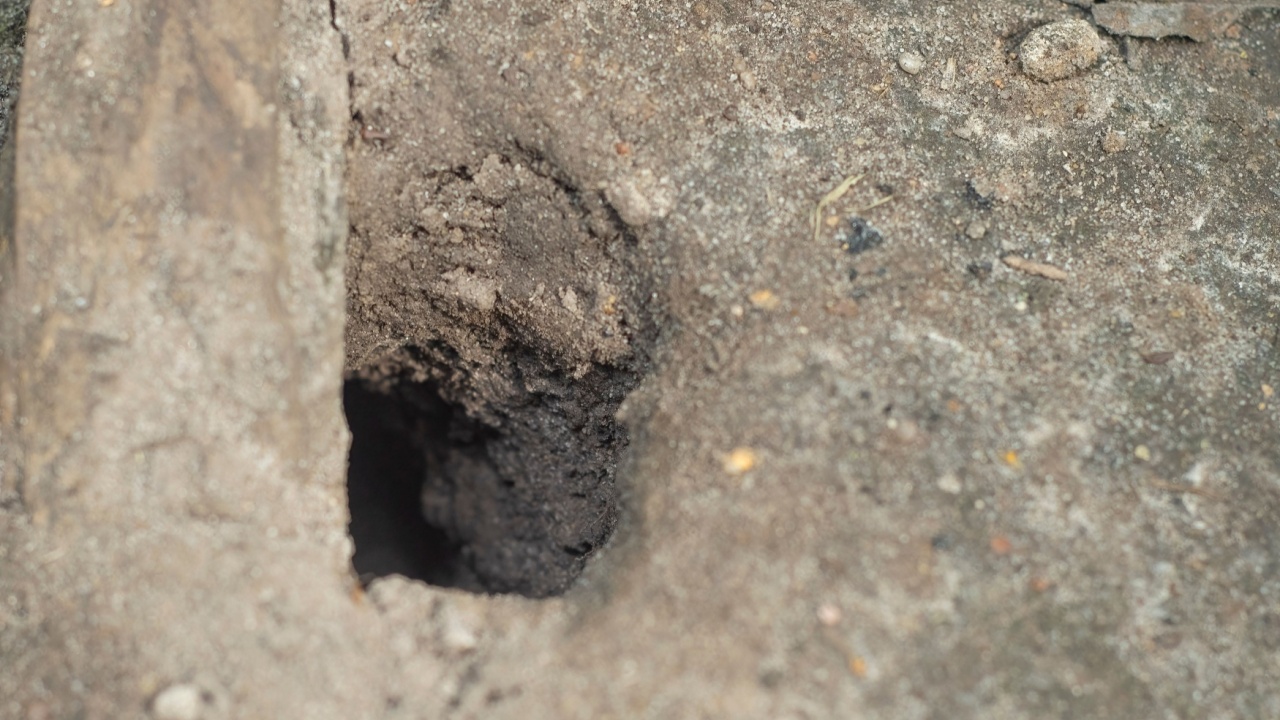
Small animals like moles, voles, and chipmunks dig holes throughout yards, and snakes are quick to take advantage of those openings.
A ready-made burrow offers shelter, concealment, and sometimes a meal. Filling those holes in with compacted soil or sod removes that option.
Walk the yard a few times per season, looking for new holes, especially after heavy rain, which can soften soil and make burrowing easier. Pay particular attention to areas near fences, garden beds, and compost piles where critter activity tends to be higher.
4. Keep the Yard Tidy and Clutter-Free
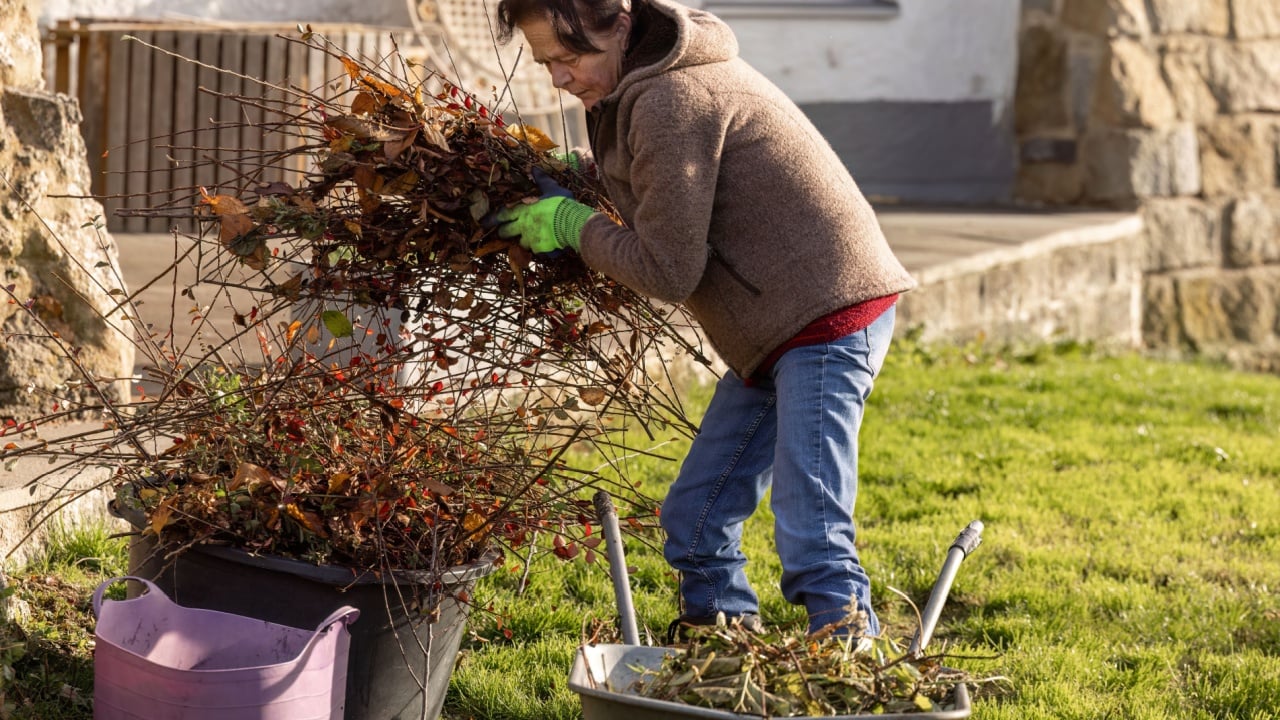
Snakes don’t need much space to hide. A loose pile of leaves, a gap under a garden shed, or an untrimmed shrub can become a resting spot with very little encouragement. Reducing that kind of clutter throughout the yard makes it genuinely harder for snakes to feel comfortable there.
Specific spots to focus on include woodpiles (which attract the rodents snakes feed on), rock piles, thick mulch or pine straw beds, and any dense ground-level vegetation. Woodpiles should be stored at least a foot off the ground and positioned away from the house.
Shrubs and hedges should be pruned so the ground underneath them is visible. When in doubt, the fewer hidden spots there are, the better.
5. Install Snake Fencing
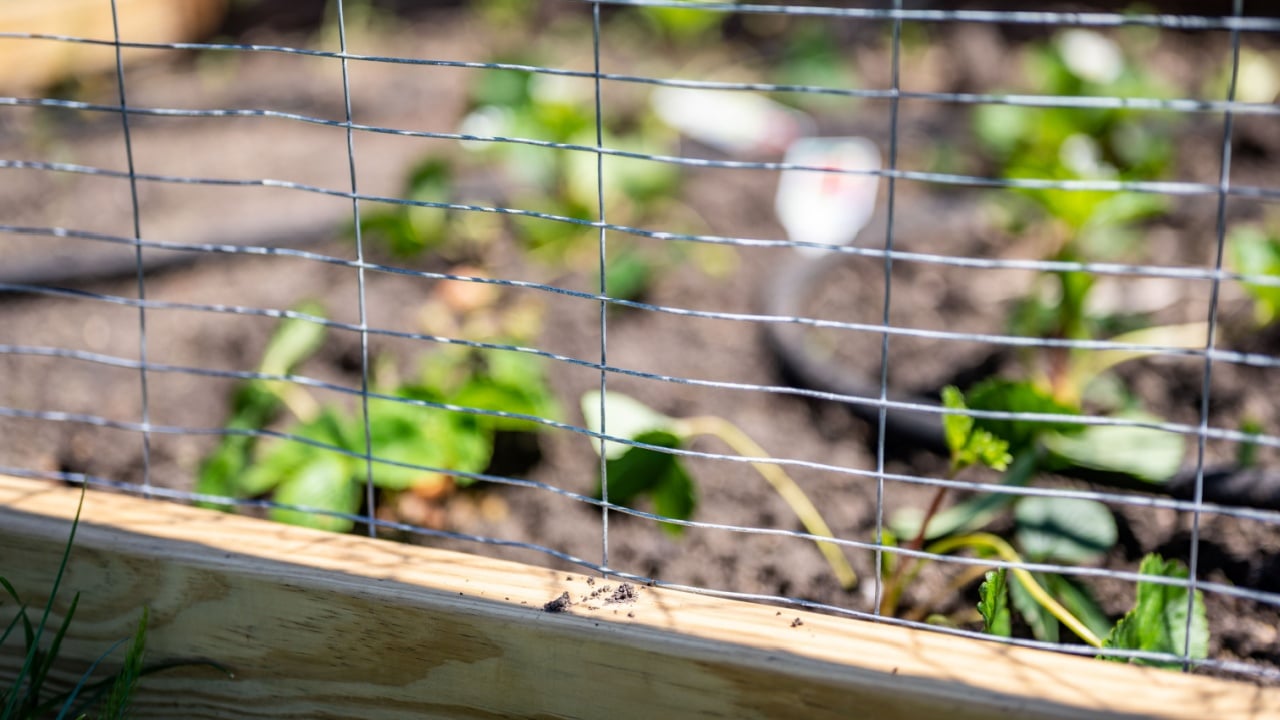
Snake fencing is a physical barrier designed to prevent snakes from entering a yard or specific area. It typically uses a fine mesh material installed at ground level, angled outward at the base to prevent snakes from getting underneath it. When properly installed, it’s one of the more reliable prevention tools available.
Installation matters a lot here. The fencing needs to extend below ground level, and any gaps at corners or gate entries need to be sealed.
A video by Rattlesnake Solutions on YouTube (search “Does Your Snake Fence Actually Work?”) breaks down the correct mesh type and installation technique helpfully and practically.
6. Use Snake Repellents Strategically

Snake repellents work by creating scents or sensations that snakes find unpleasant, discouraging them from entering a specific area. Sulfur powder is a commonly marketed option, but it has a strong odor and can irritate the skin of pets, so many vets advise caution with it around dogs.
More pet-friendly alternatives include diluting six to eight drops of cinnamon or clove essential oil into a gallon of water and spraying areas where snakes have been spotted. Lemongrass planted around the perimeter of a yard may also help deter them naturally.
Rocklin Ranch Veterinary Hospital in California recommends laying sharp materials like coral, holly leaves, pine cones, or eggshells as a physical deterrent barrier near the foundation of a home. Snakes avoid rough, uncomfortable surfaces when possible.
7. Keep the Dog on a Leash in High-Risk Areas

Dogs have no instinct to avoid snakes. What they do have is an instinct to investigate new smells and movement. A snake that feels cornered or startled will strike, and the interaction can happen in seconds before an owner has a chance to intervene. A leash keeps that distance manageable.
This applies especially during mating season in spring, when snakes are more active and more aggressive. Baby snakes deserve special attention. They’re not safer just because they’re smaller.
In some cases, a baby venomous snake can be more dangerous than an adult because it hasn’t yet learned to regulate venom release, which means it may inject a full dose in a single bite.
8. Seal Outdoor Vents and HVAC Entry Points
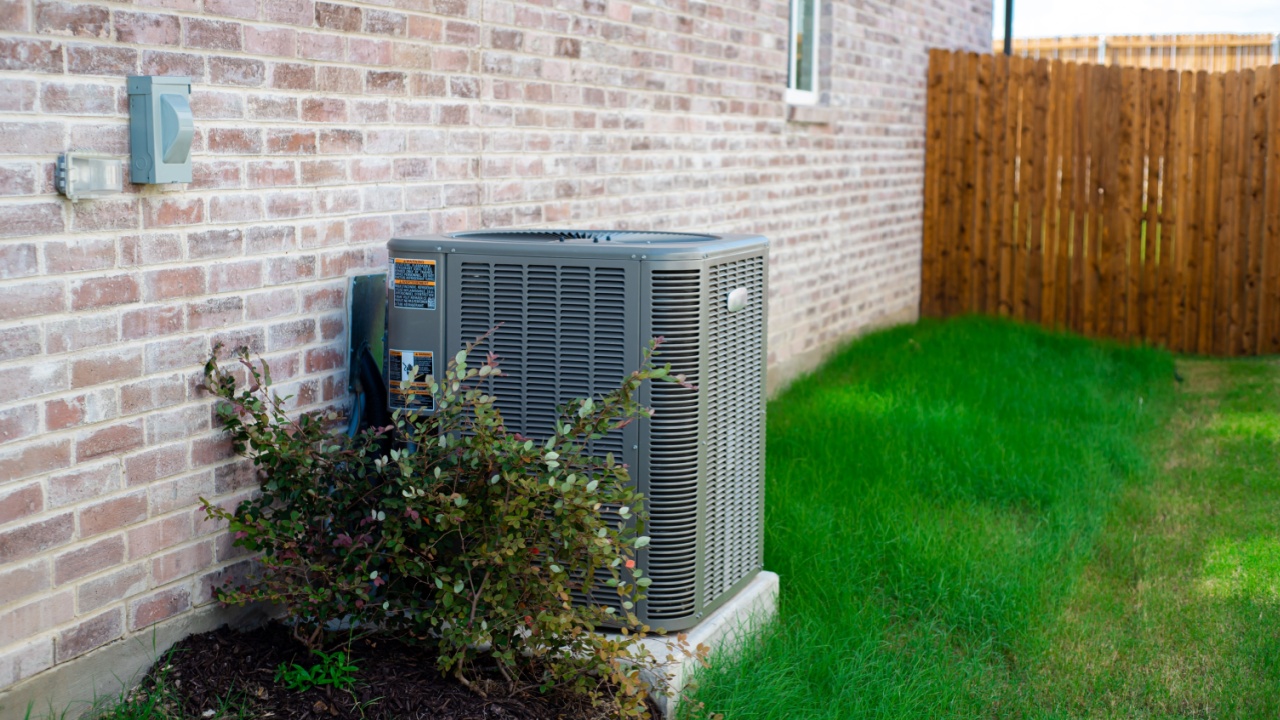
Any opening on the exterior of a home is a potential entry point for a snake. Dryer vents, gas fireplace exhausts, HVAC unit gaps, and outdoor drainage openings are commonly overlooked, but snakes use them regularly.
Once inside, they can end up in walls, crawlspaces, or, as has happened to homeowners across the country, inside the fireplace itself.
Sealing these openings with 1/4″ metal mesh is an effective fix. Plastic mesh tends to degrade faster and can be pushed through more easily. Metal is more durable and harder for snakes (and other critters) to bypass.
9. Be Careful in Garages and Sheds
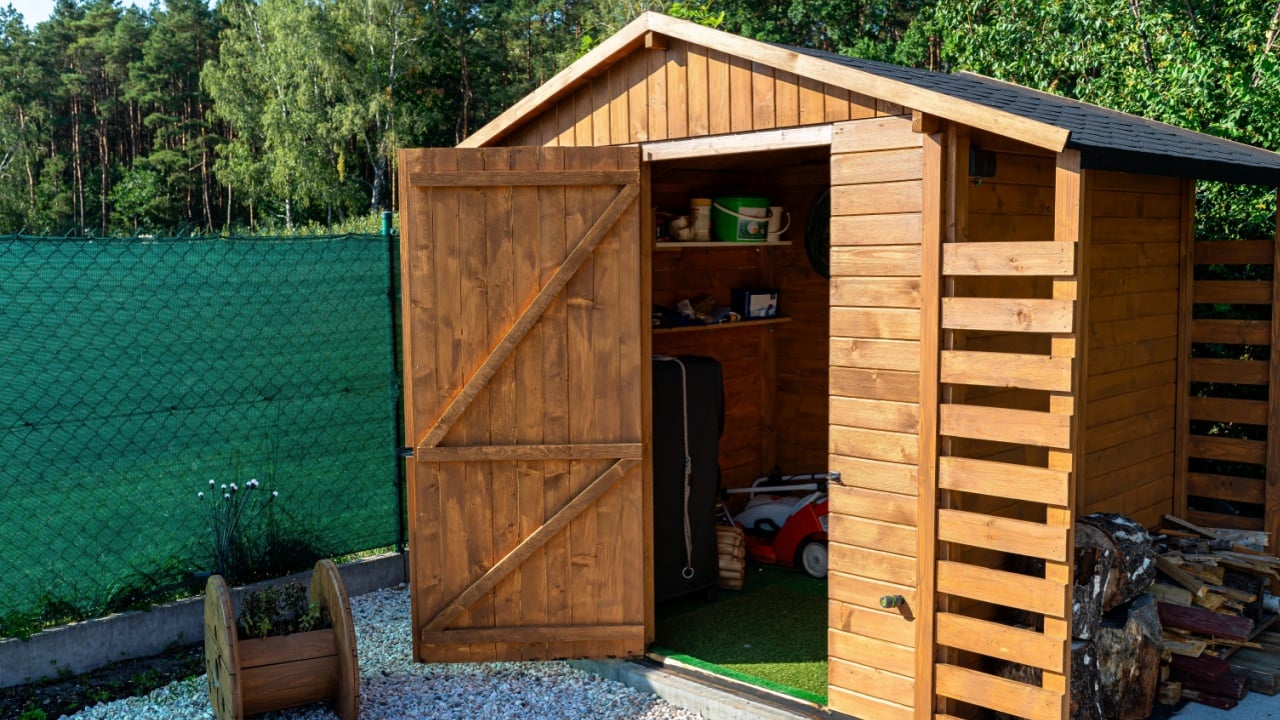
Garages and outdoor sheds tend to attract the insects and small rodents that snakes feed on, which makes them appealing places for snakes to settle.
A dog that races into the garage or shed ahead of its owner is at risk of startling a snake that’s hiding in a corner or behind stored items.
Keeping the garage door closed as a default habit helps significantly. Inside the garage, avoid leaving piles of items on the floor where snakes can conceal themselves. Shed doors should be kept shut,t too, and both spaces should be checked before letting a dog run in.
10. Watch Near Water Sources

Snakes are often concentrated near water, ponds, streams, drainage ditches, and even large puddles can attract them, along with the frogs, fish, and small animals they prey on. Dogs love water too, which creates an obvious overlap in interest.
When walking a dog near any water source, keep the leash short and stay on clearly visible paths rather than the water’s edge.
Tall grass and reeds near water are particularly worth avoiding, as they offer cover for snakes that are hunting or resting.
1`. Stay Calm During a Snake Encounter
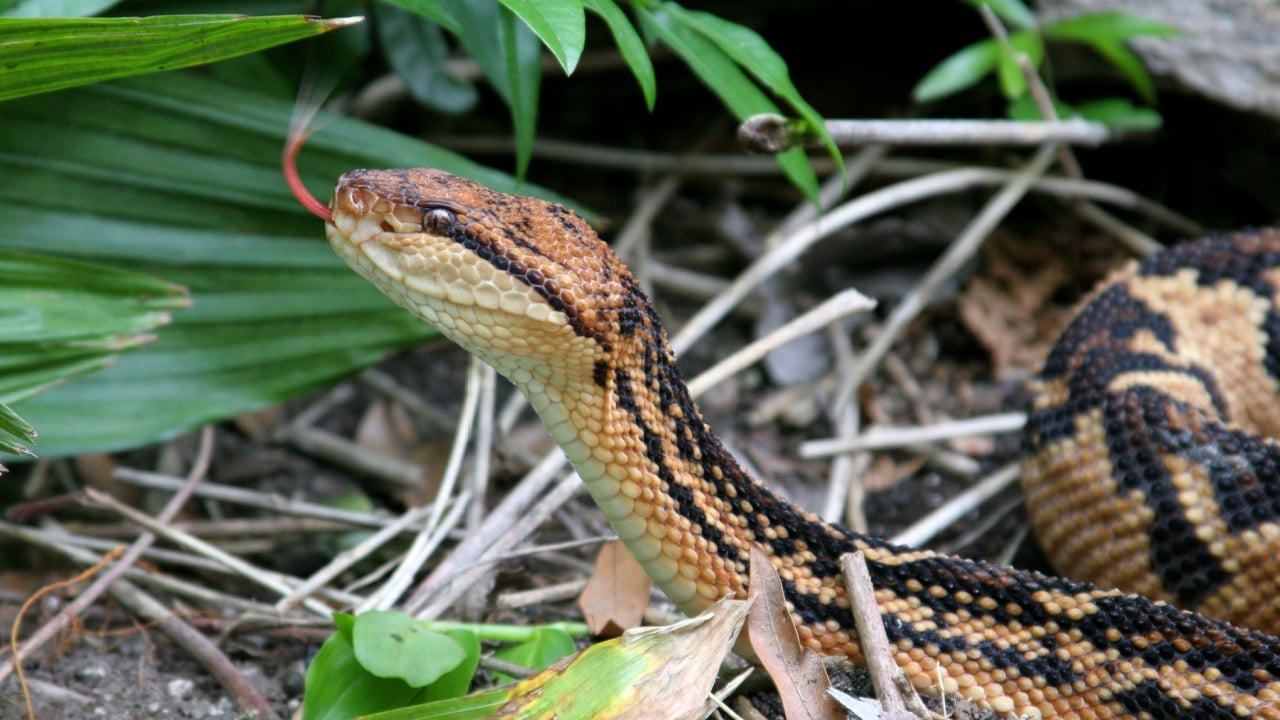
When a snake appears, a calm and steady response protects both the dog and the owner. Sudden movement or loud noise can startle a snake into striking, while a calm retreat gives both parties time to move apart without conflict.
The priority is to move the dog away from the snake at a controlled pace.
It’s worth having a plan before an encounter happens. Know the emergency vet clinic’s number, understand what symptoms of a venomous snake bite look like (swelling, pain, lethargy, and vomiting are common), and don’t attempt to handle or kill the snake, as that dramatically increases the risk of a bite.
12. Consider Snake Aversion Training
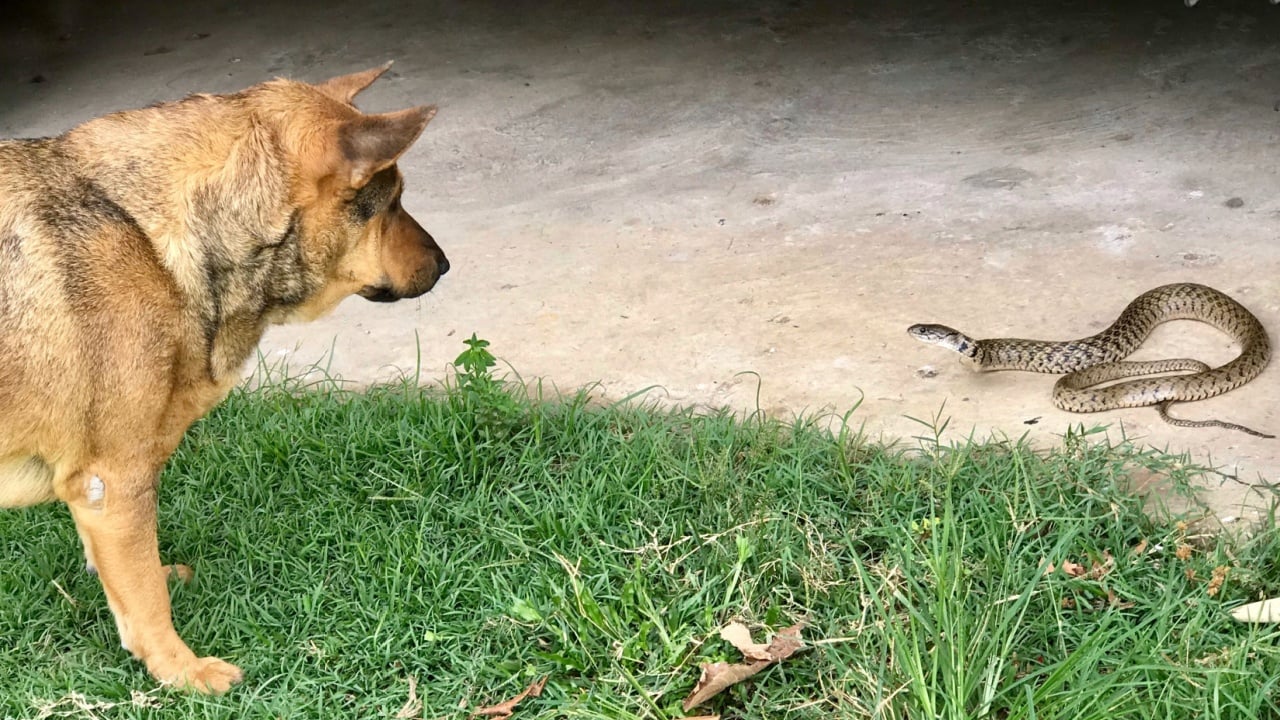
Snake aversion training is a conditioning program where dogs are taught to recognize and avoid snakes using scent, sight, and sound cues. Many trainers who specialize in this use controlled, humane methods to create a strong avoidance response in the dog. It’s especially popular in the Southwest, where encounters with rattlesnakes are more frequent.
Results vary by dog and trainer, but many owners in high-risk areas report it as one of the more confidence-building investments they’ve made.
It doesn’t replace the other preventative measures, but it adds a layer of protection in situations where a leash or barrier isn’t available.
13. Ask a Vet About the Rattlesnake Vaccine

A rattlesnake vaccine exists for dogs and is worth a conversation with a vet for those living in areas with heavy rattlesnake populations. The vaccine is designed to stimulate the immune system to produce antibodies against rattlesnake venom, which can slow the progression of venom and reduce the severity of symptoms following a bite.
It’s not a cure; a bitten dog that has been vaccinated still needs immediate veterinary care, but it may buy more time. The vaccine is typically given as an initial dose followed by a booster, and annual boosters are generally recommended.
A vet familiar with local snake activity can help assess whether it’s appropriate for a specific dog and lifestyle.
Protect the Dog, Protect the Yard
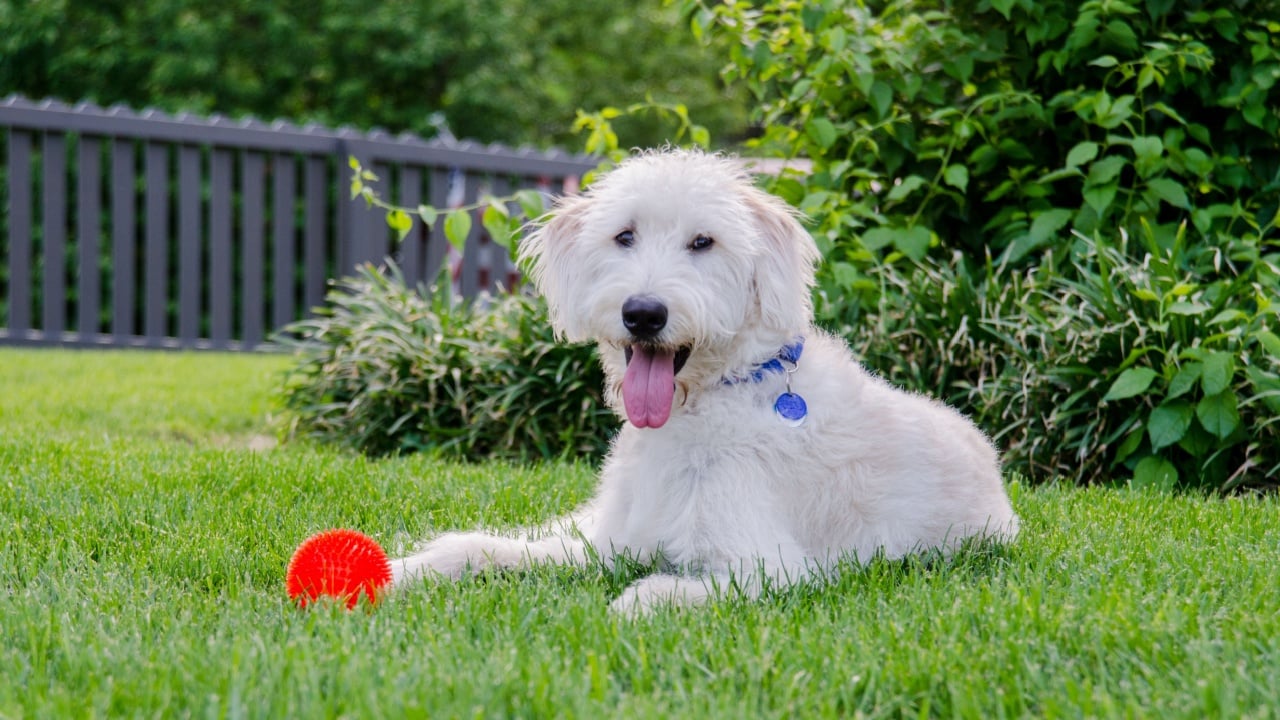
No single tip eliminates the risk. Snakes are adaptable and unpredictable. But taken together, these measures make a yard and home significantly less hospitable to them and put a dog owner in a much stronger position to prevent an encounter.
A good starting point is a thorough yard assessment. Checking for clutter, gaps, overgrown vegetation, and water sources that might be drawing snakes in. From there, building a few consistent habits around mowing, leash use near natural areas, and seasonal home maintenance can make a real difference.
For those in high-risk regions, connecting with a local vet about the rattlesnake vaccine and a professional trainer about snake aversion is worth the time. A little preparation goes a long way.