Dave Ramsey Explains Why ‘Viral’ FHA Mortgage Hack Doesn’t Work Like People Think It Does
It’s no secret that the path to homeownership is becoming harder and harder for many Americans to navigate. Home prices have skyrocketed since 2020, with many starter homes now costing more than ever before. According to Zillow, the average U.S. home value is $371,774 as of July 31, 2026.
Rising prices aren’t the only things keeping people from purchasing their first home. Real estate taxes, insurance, and the cost of maintenance have all gone up as well, making it harder for the average American to even qualify for a mortgage.
That doesn’t even take into consideration the current interest rates in the U.S., which Bankrate put at 6.75 percent on Aug. 25, 2026. However, people on TikTok think they’ve found a way around this last part thanks to assumable mortgages, which are having their viral moment on TikTok right now. If you’ve never heard of these before, TikTokers are saying that these types of loans allow you to assume the current homeowner’s loan when you purchase their property, including their remaining loan balance and existing interest rate.
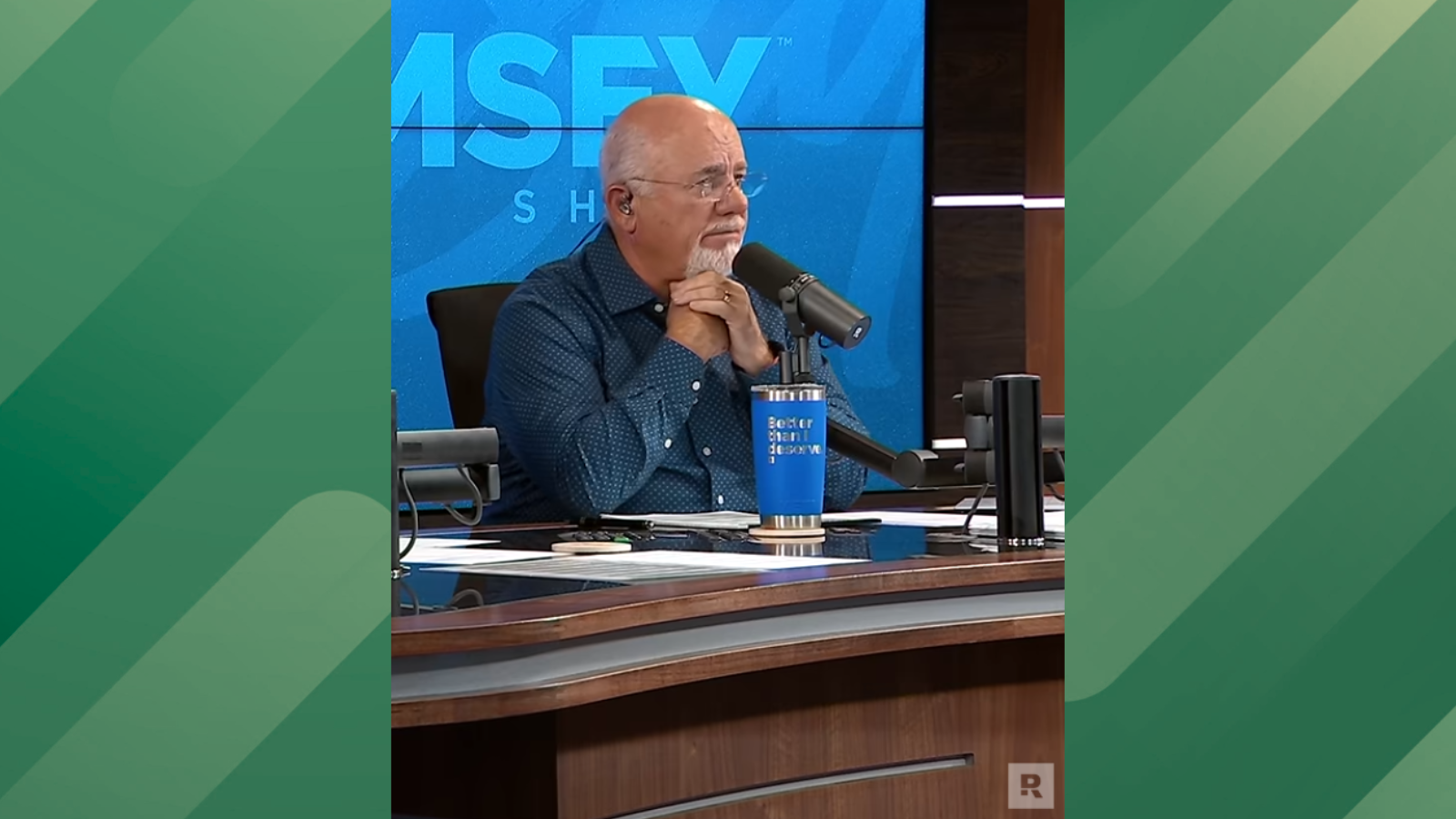
However, when one caller reached out to Dave Ramsey to discuss this possibility, he got a quick lesson in taking financial advice from social media, as Ramsey explained why assumable mortgages aren’t the magic solution that some influencers make them out to be.
A Caller Wanted to Know if They Should Consider an Assumable Mortgage
A man posed the question on the Aug. 26 episode of The Dave Ramsey Show, asking the financial guru if he should consider an assumable mortgage so he could buy a house. Ramsey paused for a moment before answering the caller, asking where he heard the term. The caller quickly confessed that he learned about these mortgages on TikTok, prompting Ramsey to drop a history lesson on his listeners.
Ramsey called the “hack” out as a misunderstood trend that works more in theory than it does in reality. That’s because there are a lot of rules that go into qualifying for an assumable mortgage. For starters, the FHA.com website says that the mortgage documents would’ve had to have been signed prior to Dec. 15, 1989, in order for anyone to take the loan over without any restrictions. When you consider the fact that a 30-year loan would’ve been paid off by 2019, it makes it next to impossible to find one of these types of loans.
Ramsey Says That Many Banks Have a Clause That Prevents People From Assuming Their Loans
FHA mortgages that were signed after that date are subject to a whole lot of other requirements, including some that can be specific to the lender who carries the note. For example, Ramsey says that some banks have a clause that requires the loan to be paid in full at the time of the sale, which would prevent someone from assuming another person’s loan.
This, of course, is the appeal of the assumable mortgage, since it allows you to take advantage of a lower interest rate, keeping your monthly payments more manageable.
These Types of Offers Could Land Homeowners in Trouble
Ramsey also offered a word of caution for anyone who was looking at a home where the seller posed the mortgage as assumable, without actually going through the process of removing their name from the mortgage. In this case, the new owner would continue making the payments under the previous owner’s account, only transferring the title of the property into their name.
Ramsey said this information could very easily get both parties in trouble, prompting the bank holding the mortgage to foreclose on the property as a result.
Of course, that’s not to say that there aren’t instances out there where this could work (every scenario is unique), but Ramsey definitely advises hopeful homeowners against considering this as their primary plan when they go to buy a house.