An Austin Man Claims the City Violated His Constitutional Rights When They Fined Him for Trimming His Trees
Could trimming the trees on your property trigger a constitutional crisis? That’s what one homeowner is suggesting is happening in his Austin neighborhood, after he received a hefty bill for trimming back some of the trees on his property. But it wasn’t just any bill; it was a nearly $9,000 bill.
Now the homeowner has hired a lawyer and filed a federal lawsuit, according to CBS Austin.
According to the publication, the issue all stems from Michael Petrick’s decision to trim back some trees on his property. Petrick hired a tree company, which got right to work. But when the inspector who was overseeing a different project at the home came to take a look at how the work was going, he reportedly “had a conniption fit” about what was being done.
That’s because it sounds like the pruning violated the city’s tree ordinance, prompting the fine. But Petrick is fighting back against the so-called unconstitutional laws, since his attorney argues that the trees belong to Petrick and not the city, which should have no say over the matter. Here’s what we know.
The Tree Trimming Company Advised Petrick on Which Trees to Cut
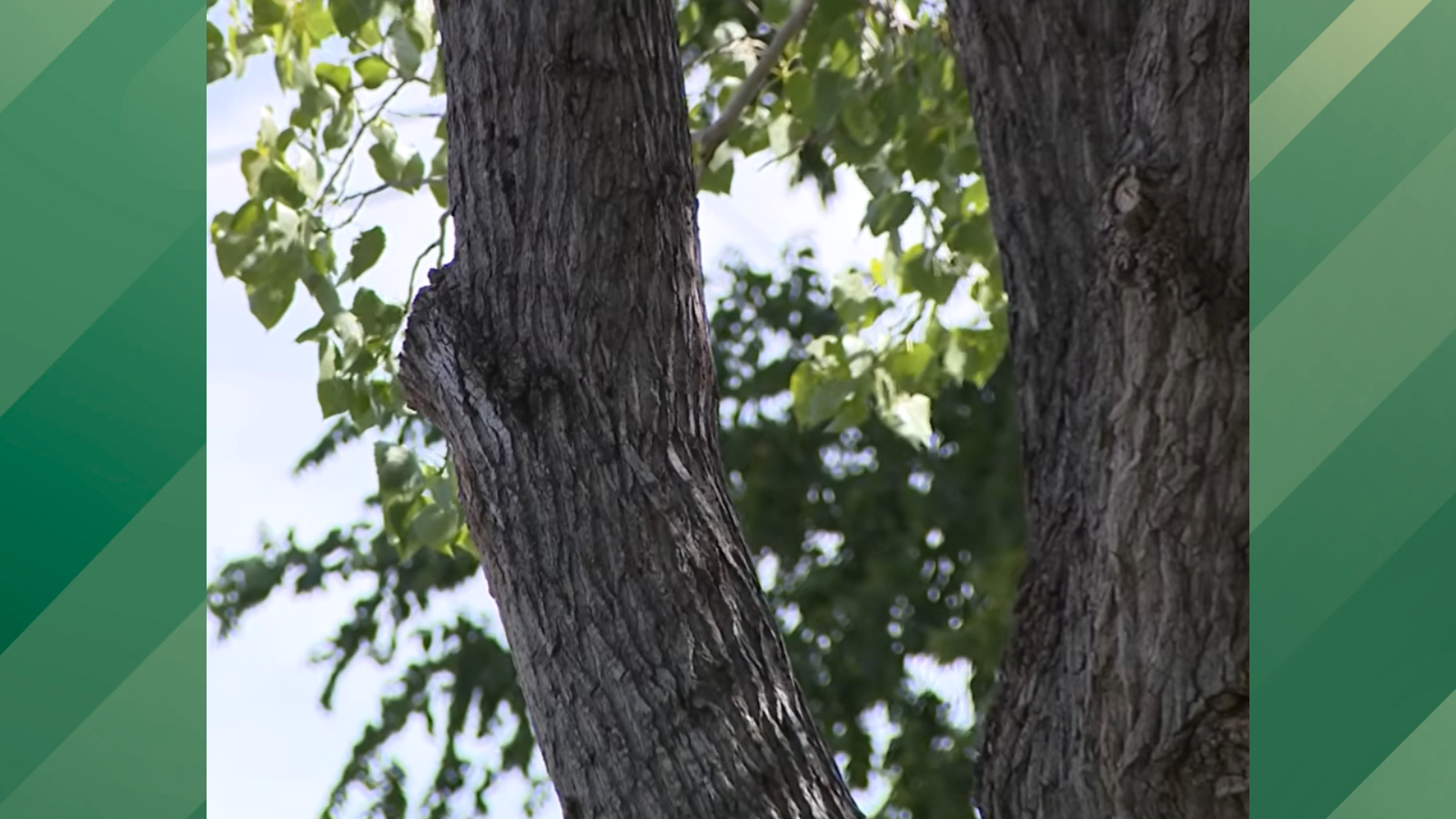
Local NBC News station KXAN reports that the tree trimming company is the one who suggested cutting down a tree that had already split, and trimming back two other trees—one in the backyard that was deeply tangled in the power lines, and another in the front yard that hung over the street.
But when the inspector came out to look at the property, he said that the tree trimming had been too severe. “He apparently came by and saw that these trees were getting taken out and had a conniption fit about it,” he recalled. According to the complaint, Petrick had violated the city ordinance by having the trees pruned to such a degree that the city actually considered them removed. As such, he was given the option to plant replacement trees or pay the city an $8,800 mitigation fee.
This Isn’t a Rare Case
Believe it or not, this isn’t the first time a homeowner has gone up against the city over tree trimming issues. “Tree ordinances have really sprung up all over the country,” Laura Beth Latimer, an attorney with the Texas Public Policy Foundation, who represents Petrick, explained. “They’re all over Texas. They’re all over the United States.”
And Latimer thinks that Petrick has a case due to how the founders created this country. “The Fifth Amendment prohibits takings on behalf of the government,” she said. “So you can’t just take away someone’s property or someone’s interest in something without compensating them first.” That’s something that Latimer argues the City of Austin didn’t do.
So how do you prevent ending up in a similar situation as Petrick? Your first step should be consulting with your local municipality to see exactly what the rules state. If you’re struggling to find them online, you can also call your local code enforcement office or county extension office for more information. Of course, how you proceed once you learn the rules will be up to you.