It’s August. Stop Pruning These 8 Plants Before You Ruin Next Year’s Garden
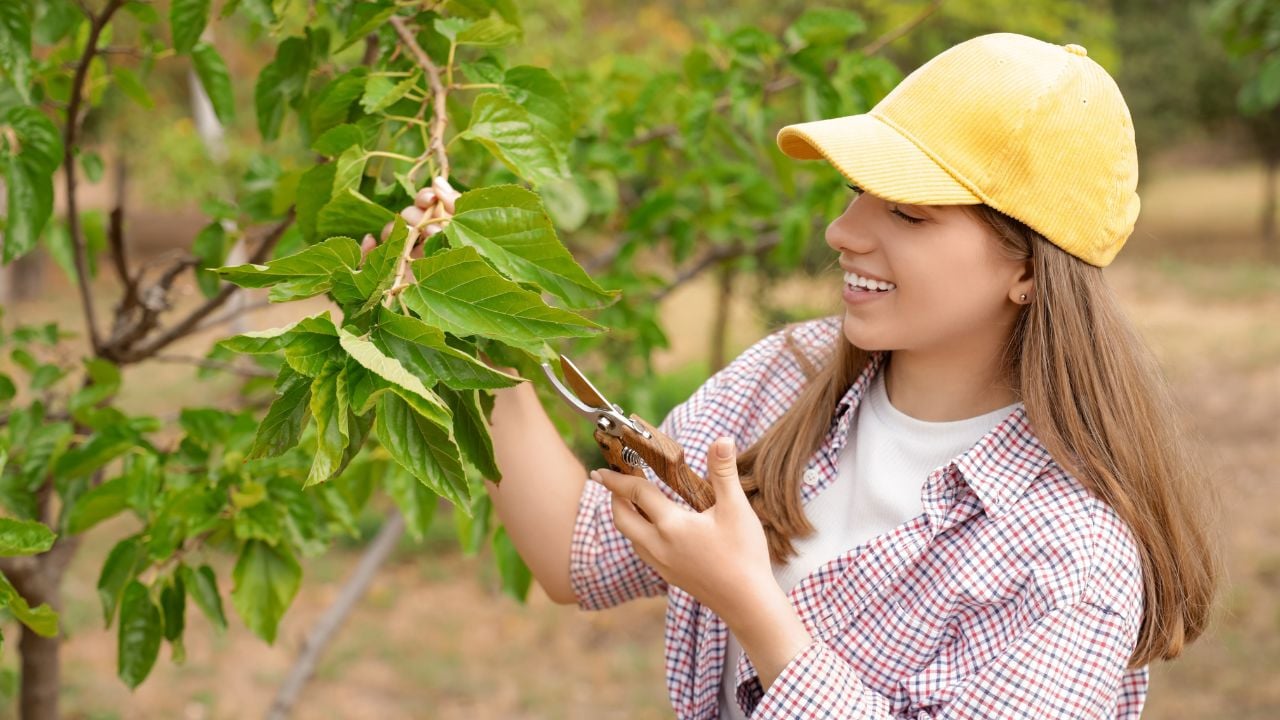
You pruned your hydrangea last August because it looked overgrown. This spring, it barely bloomed. That is not bad luck; it’s misinformed gardening. According to Gardening Know How, pruning at the wrong time is one of the most common and costly mistakes home gardeners make, and August is when the damage usually happens. One wrong cut on a shrub that is quietly building next year’s flower buds, and you have erased an entire season of blooms without realizing it.
The problem is bigger than a single missed bloom. Iowa State University Extension warns that pruning deciduous shrubs in August or early September encourages a late flush of tender growth that cannot harden before the first frost, leaving plants vulnerable to winter injury and dieback. So you are not just losing flowers; you are weakening the plant itself. Experienced gardeners who have been tending yards for decades still fall into this trap, because August feels like the right time to tidy up before fall.
The stakes are real, and they are financial. Replacing a mature shrub can cost $50 to $200 at the nursery, and that does not include the years of growth you lose. A single bad pruning session in late summer can quietly cost a household hundreds of dollars in plant replacements and lost harvests over the following year. For gardeners who have spent years building their landscapes, the loss is not just monetary; it is personal.
The good news is that knowing which plants to leave alone in August, and which ones actually benefit from a trim right now, takes about five minutes to learn and can save your garden for years. Here is your complete August pruning guide: eight plants to stop cutting, the handful you should be trimming, and the one mistake almost everyone makes that professionals never do.
1. Spring-Flowering Shrubs Are Already Building Next Year’s Buds
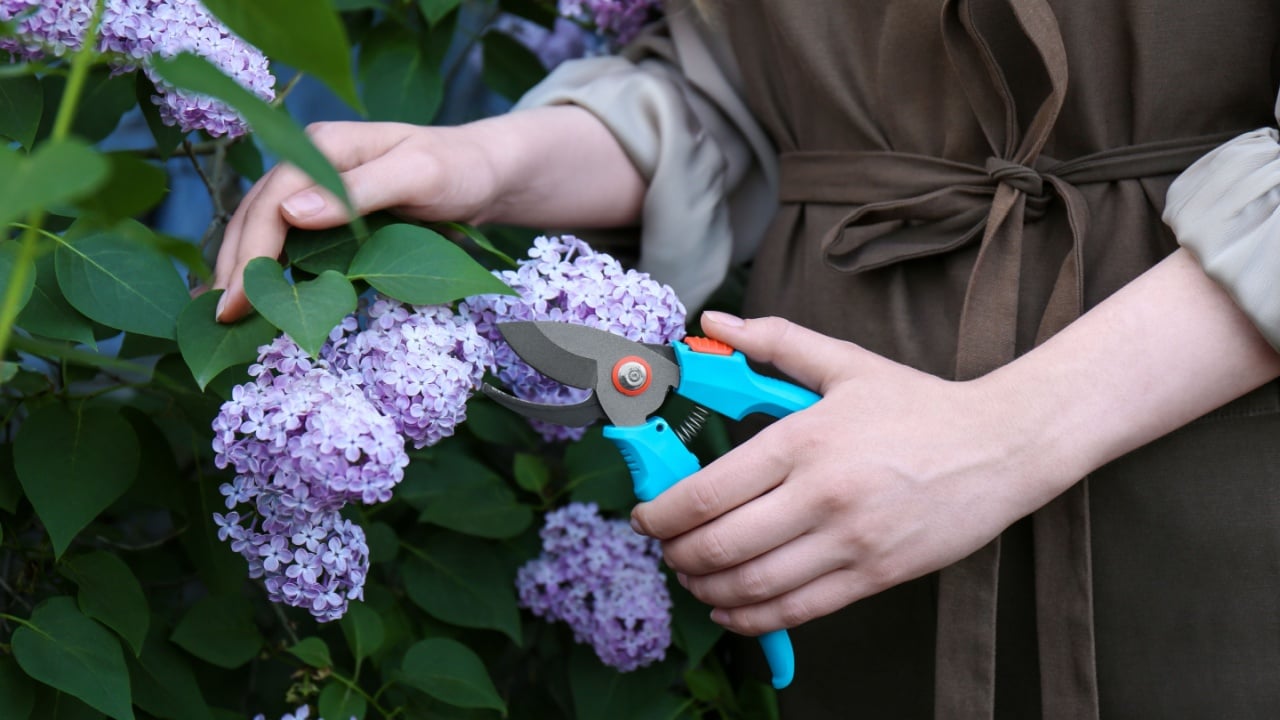
Lilacs, forsythias, and rhododendrons bloom on old wood, meaning they form flower buds on stems grown the previous season. By August, those buds are already developing inside the branches. Cut them now, and you are physically removing the flowers you were going to enjoy next April. The Royal Horticultural Society advises keeping early-flowering shrubs well watered during dry periods in August to support bud formation, not pruning them. Your grandmother knew to leave these alone after the Fourth of July, and she was right.
2. Never Hard-Prune Lavender Into Old Wood

Lavender is one of the most commonly butchered plants in August. Gardeners see the spent flower spikes and reach for the shears, cutting deep into the woody base. Gardening Know How is clear on this: do not cut into older, leafless woody growth, as it may not resprout. Instead, trim back the green leafy growth by no more than one third after the final flush of flowers fades. That light trim costs nothing, keeps the plant compact, and ensures you are not replacing a $15 lavender next spring because you cut six inches too deep.
3. Camellias and Daphne Will Not Forgive a Late Trim
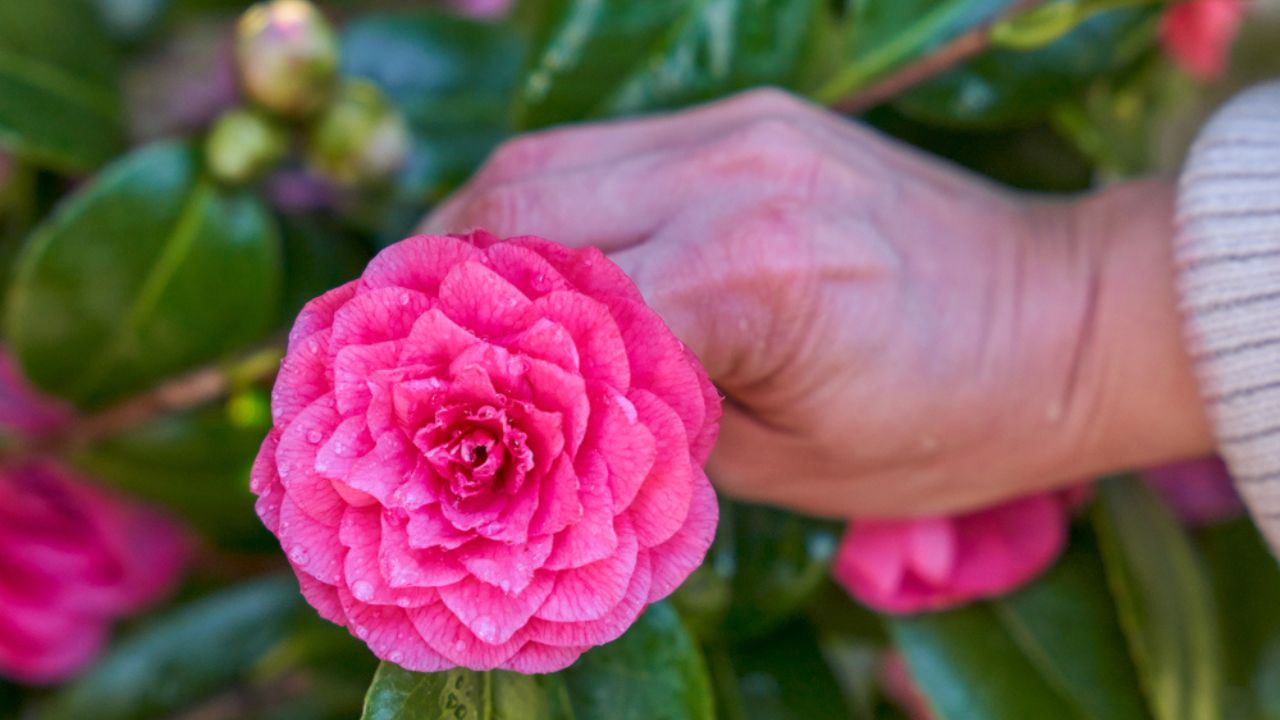
Camellias are forming next year’s buds right now. Pruning in August removes them, and unlike many shrubs, camellias are slow to recover. Homes and Gardens notes that instead of pruning camellias in August, you should keep them well watered during dry spells to support bud formation.
Daphne is even less forgiving. This slow-growing shrub should never be hard pruned; it is unlikely to recover. A light shaping after flowering and removal of dead wood is all it tolerates.
4. Ornamental Grasses Look Messy Now, but Leave Them Alone

Miscanthus and other ornamental grasses are developing their feathery seedheads in late summer. Cutting them back now means you lose the entire fall display and remove winter habitat for birds. The correct time to prune ornamental grasses is late February to March, when you cut them back to 8 to 10 inches above soil level just as new green growth appears. Pruning now also stimulates tender growth that will not survive the first hard frost. Patience in August pays off with four months of visual interest for free.
5. Hedges Get One Last Light Trim, Not a Renovation
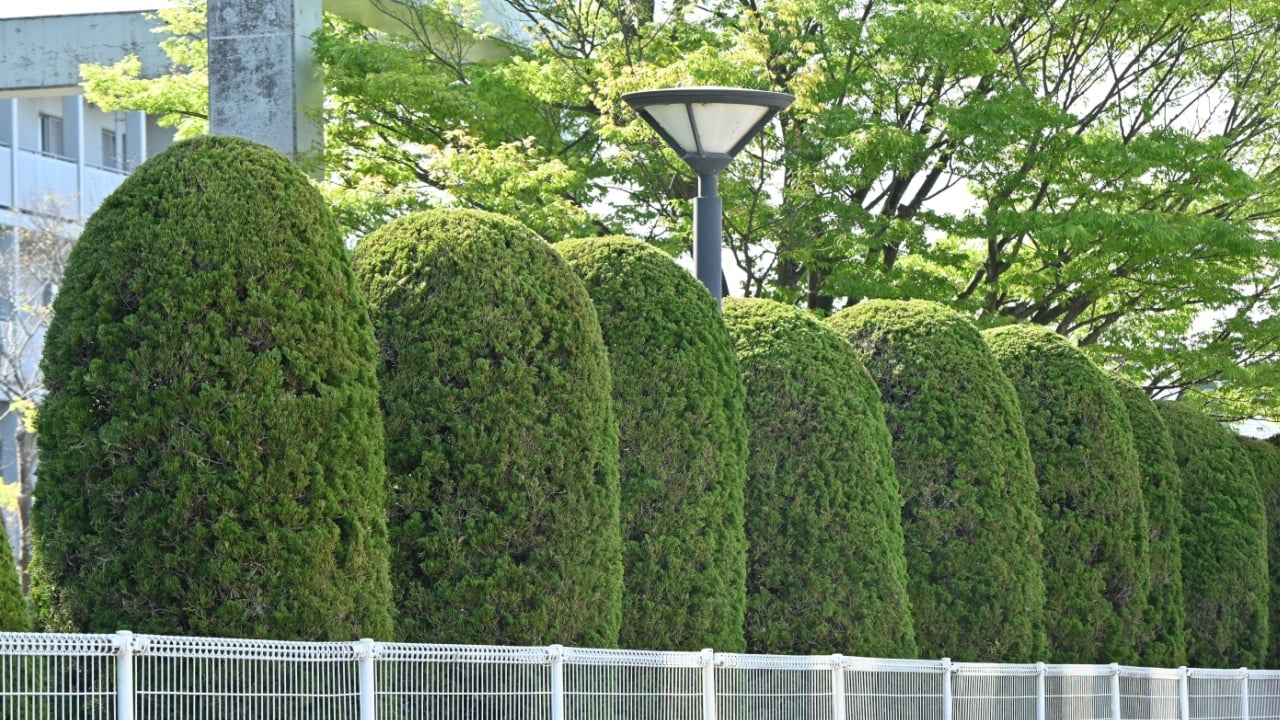
August is your final chance to give formal hedges like privet and beech a tidy shape before autumn. House Beautiful recommends a light trimming to keep hedges crisp through winter without stimulating excessive late growth. But here is the critical warning most gardeners miss: always check for active bird nests before cutting. Disturbing nesting birds is illegal under federal law, and fines can reach $15,000 under the Migratory Bird Treaty Act. A simple walk along your hedge with a flashlight before you trim can prevent both a legal problem and a neighborhood conflict.
6. Stone Fruit Trees Are the August Exception
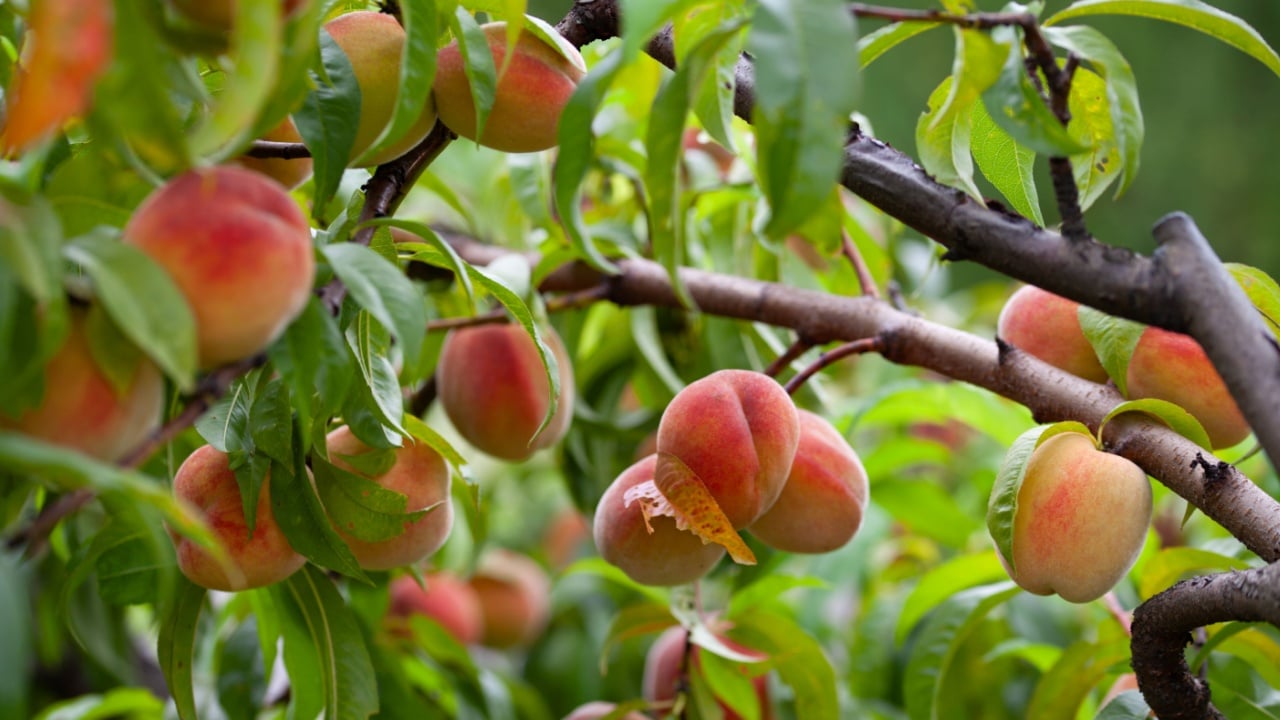
Here is the counterintuitive part of your August pruning guide. While most trees should be left alone, stone fruit trees like cherries, plums, peaches, and apricots must be pruned in summer, not winter. Homes and Gardens explains that pruning stone fruits in winter invites silver leaf and bacterial canker, fungal diseases that enter through wounds when spores are prevalent. August pruning, right after harvest, lets the cuts heal quickly while spores are at a minimum. A well-timed summer prune on a single peach tree can mean the difference between 30 pounds of fruit next year and a diseased tree that produces nothing.
7. Herbs Need Harvesting, Not Hard Cutting
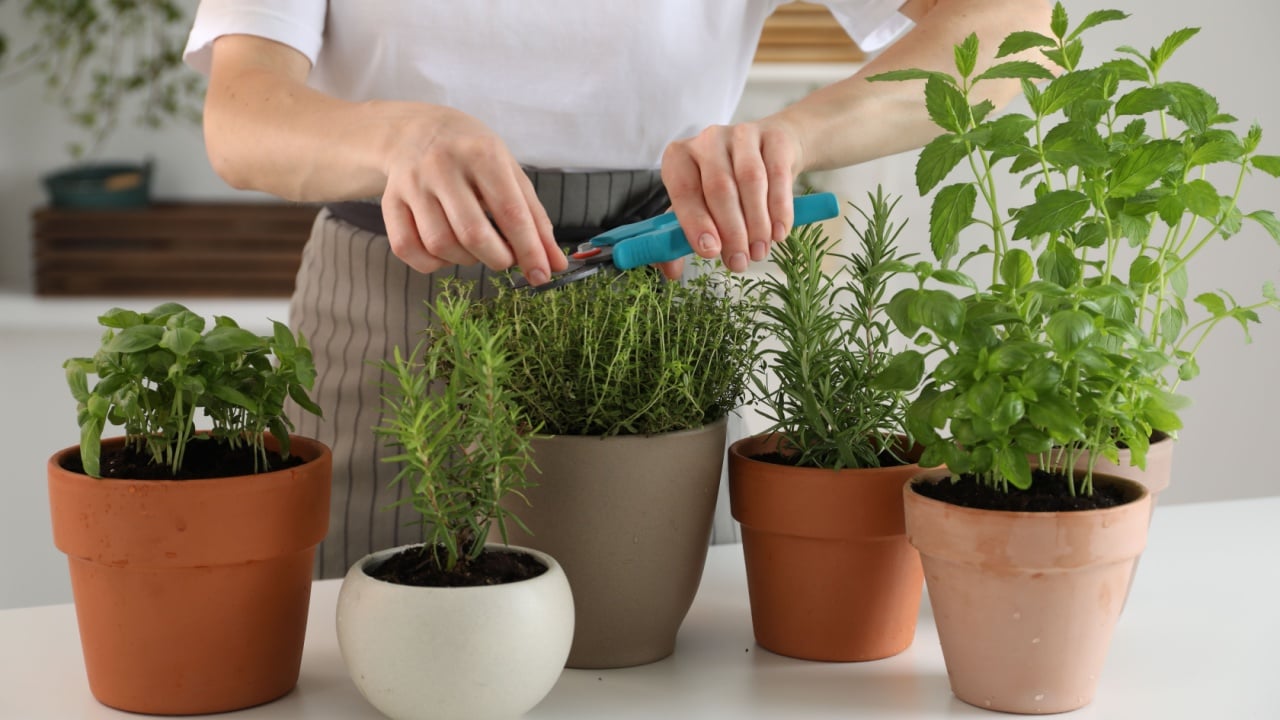
Oregano, mint, sage, and marjoram benefit from regular harvesting in late summer, but Gardening Know How warns against removing more than one-third of a perennial herb’s growth at a time. The stems you harvest now can actually become free new plants. Healthy cuttings of basil, rosemary, and mint root easily in water or soil, meaning your August harvest doubles as a propagation session that costs nothing. A single rosemary plant can produce $50 worth of cuttings in one season if you know when to trim and when to stop.
8. Wisteria and Rambling Roses Need Their Summer Prune Now
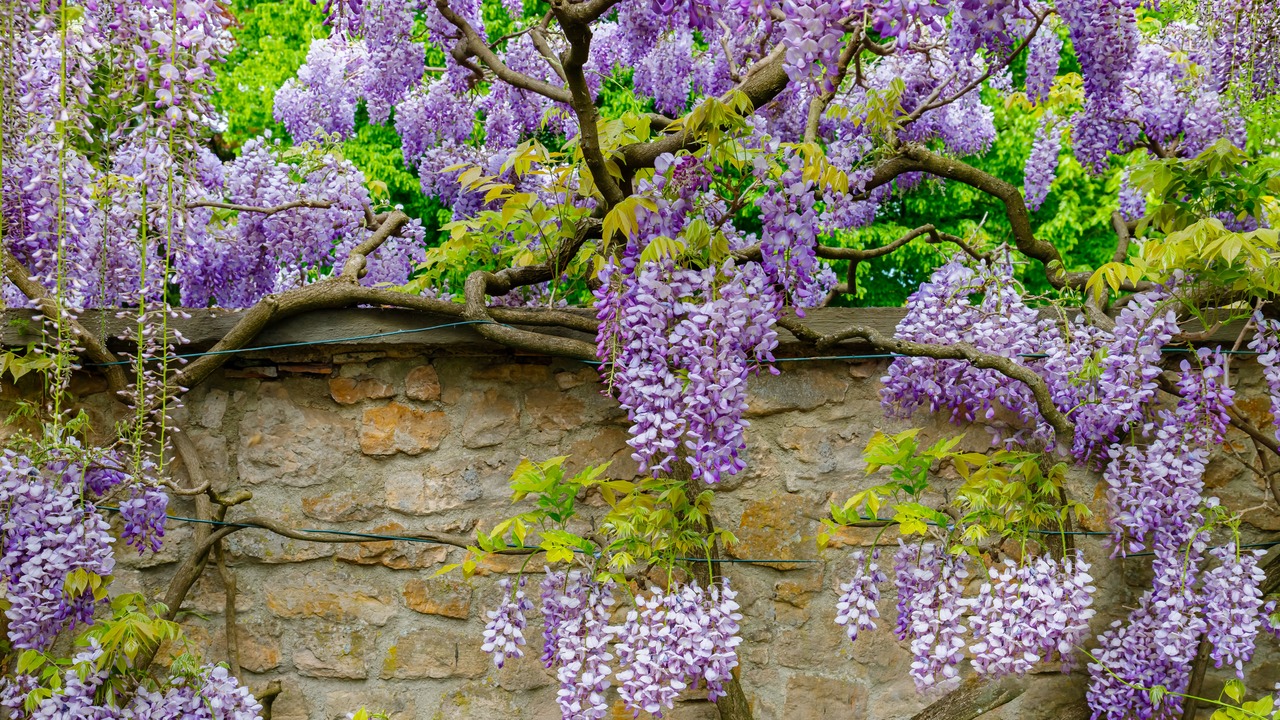
If you have been letting your wisteria run wild all summer, August is actually the month to rein it in. The Royal Horticultural Society recommends cutting back this year’s long, whippy side shoots to about five or six leaves from the main framework. This directs energy into developing flower buds rather than excess foliage, and it keeps vigorous stems from creeping into gutters and rooflines, a problem that can cost hundreds in repair bills. Rambling roses follow the same pattern: after flowering, remove about one in three of the oldest canes at ground level and tie in new growth. Skip this step, and your fence or arbor becomes a tangled, unproductive mess by next spring.
What to Do Instead of Reaching for the Pruners
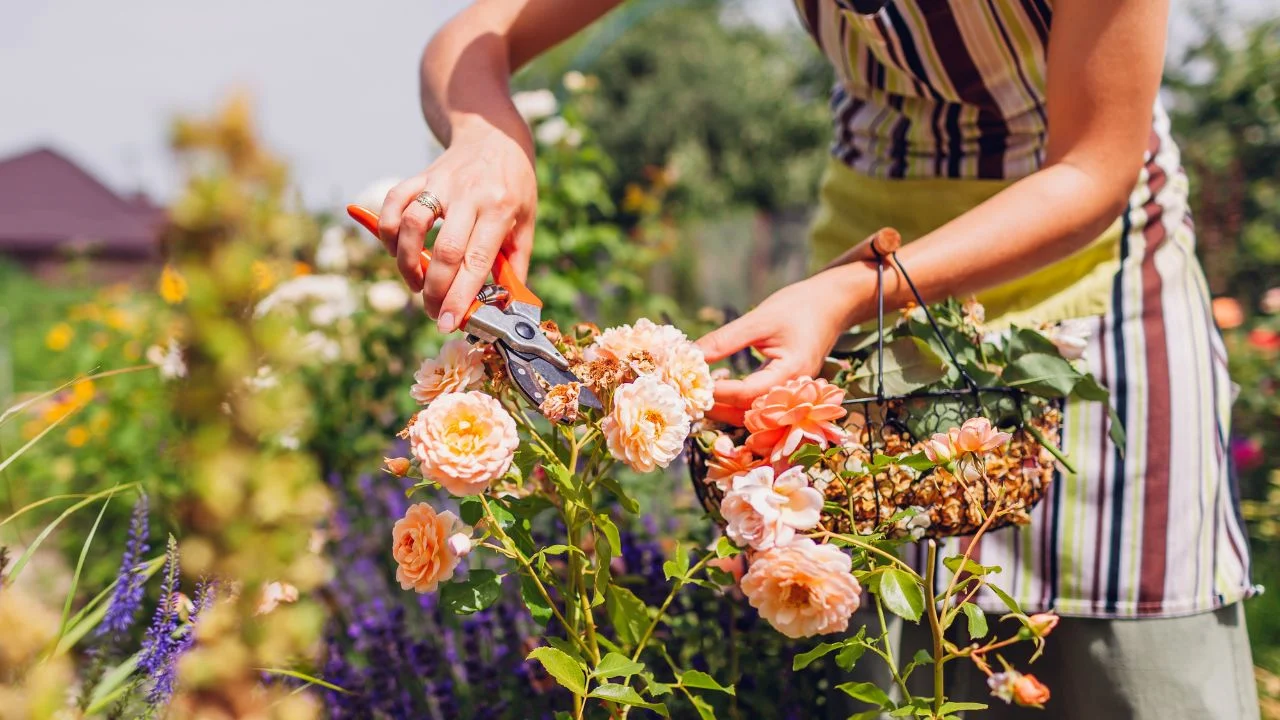
The best thing you can do for most plants in August is water them, not cut them. Deep soaking during dry spells supports bud formation, root development, and overall winter hardiness. If your pruning shears are itching for work, focus on deadheading spent flowers, removing any dead, damaged, or diseased wood (the three D’s, which can always be removed regardless of season), and harvesting herbs for the kitchen. Save the serious pruning for late winter, when most deciduous shrubs can be safely cut hard, and the risk of encouraging frost-tender growth is zero.
August gardening is less about doing and more about restraining yourself. The gardeners with the healthiest, most productive yards are not the ones who prune the most; they are the ones who know exactly when to put the shears down. A few minutes of research now saves real money and real heartbreak next spring. Your garden is already preparing for next year. The best thing you can do is let it.
Read more:
Is Your House A Wildfire Target? 7 Things That Increase Your Risk At Home
Is The Heat To Blame for Your Struggling Vegetable Garden This Summer? Stop Making These 7 Mistakes