A Homeowner Says Strangers Took Over Her Las Vegas House and Police Couldn’t Remove Them
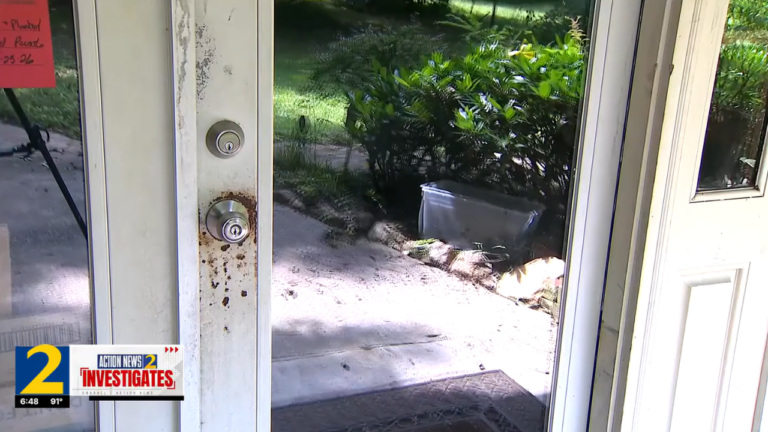
A Las Vegas homeowner says a group of people has taken over the house she owns and has been living there for more than a week. Jenny Rouzan told KSNV that the occupants put their own names on her mailbox, switched the utilities into their names without her knowledge, and removed appliances from the home. She said she does not know who is inside her property.
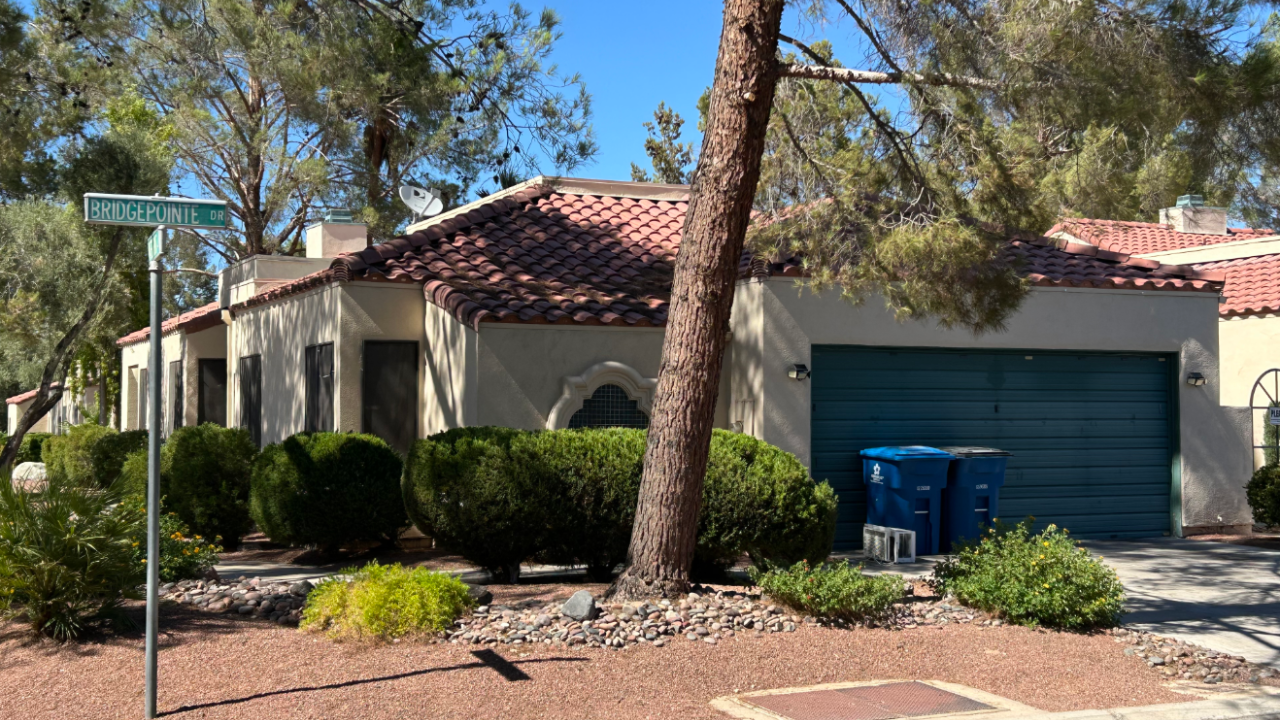
Rouzan said she thought she had found the right house when she got the place, which sits near the Las Vegas Strip and the Las Vegas National Golf Club. She described the home as beautiful and said the people inside have left it filthy. She’s been unable to get back in ever since, however.
Las Vegas police initially tried to make arrests, but that all changed once the people inside produced paperwork. “They were arresting them and then they produced a lease,” Rouzan said of the situation, but added that the lease was fake. The house was never listed for rent or outside her control.
She said an officer told her the document looked suspicious, so she and her realtor got on the phone with police and sent identification proving her ownership. Even so, she said, police told her the lease and the utility bills in the occupants’ names kept them from actually removing anyone. Now, Rouzan says she’s left standing outside her own home while the dispute plays out. The occupants haven’t responded to allegations, either.
What Nevada Law Says About Squatters and Fake Leases
Nevada treats squatting as a crime rather than a purely civil dispute. Assembly Bill 386, which took effect in October 2015, created the offenses of housebreaking and unlawful occupancy. Under NRS 205.0817, a person who knowingly takes up residence in a vacant home commits unlawful occupancy, a gross misdemeanor that carries up to 364 days in jail and a fine of up to $2,000, with three or more convictions rising to a category D felony.
Under Nevada law, someone claiming a right to be in a home is generally expected to offer a rental agreement signed or notarized by the owner, listing the owner’s address and phone number. Before AB 386, occupants who produced any lease at all, even a fake one, could push the matter into civil court so long as there was no evidence of forced entry.
What Could a Homeowner Do Next in This Situation?
When police can’t remove occupants from the scene, the owner’s recourse is to then go to court. The Las Vegas Justice Court maintains a specific case type for unlawful and unauthorized occupant filings under AB 386, which lets an owner ask a judge to order the occupants out. A court can grant an eviction order or set a hearing, and a constable carries out the removal.
Attorneys who work on these cases generally warn owners against handling it themselves. Changing the locks, cutting off the utilities, or physically forcing someone out can expose an owner to liability, and it doesn’t matter if the owner is in the right. If police do make an arrest, Nevada law gives the owner a window to file a Notice of Retaking Possession and post it, which protects the property against a return. For now, Rouzan is waiting for a resolution, and it looks like the situation is continuing to develop.