Florida Homeowners Could Get a Bigger Property Tax Break, But Voters Still Have To Decide
Florida homeowners are closer to a major property tax vote, but the biggest change is not automatic yet.
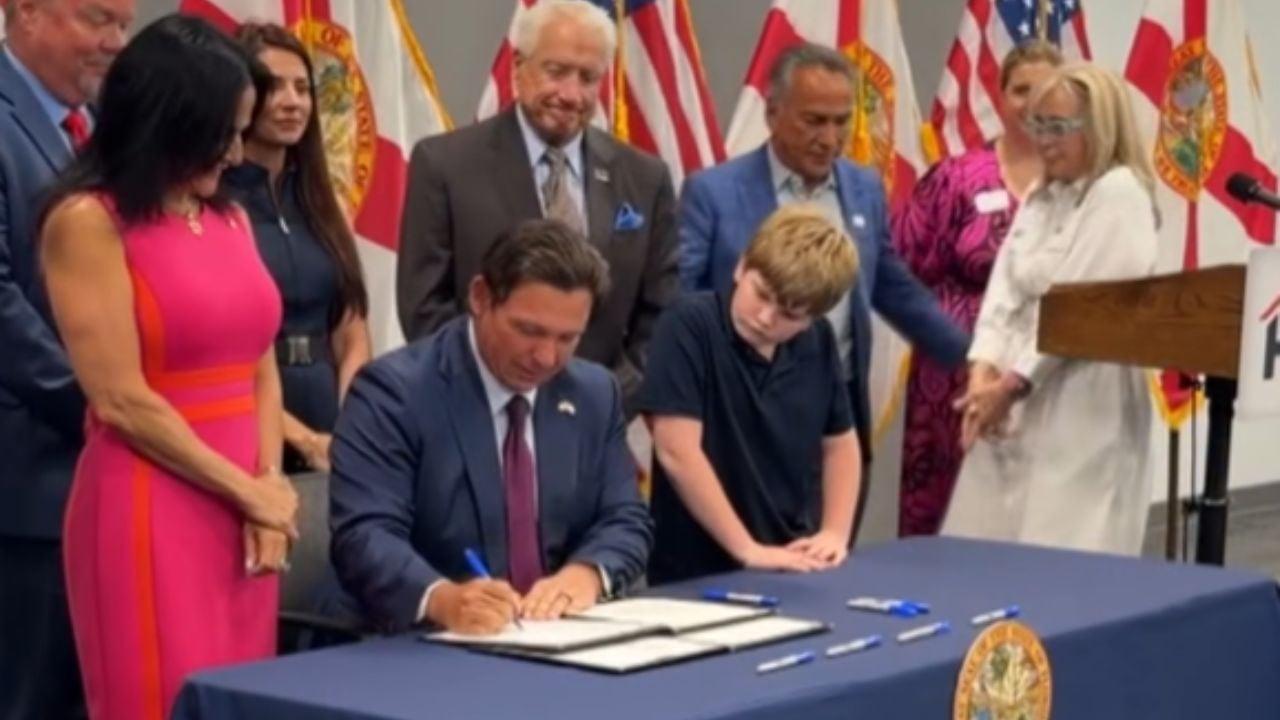
Gov. Ron DeSantis signed two bills Wednesday in Bradenton that he said would increase local government accountability and support property tax relief for homeowners, according to MySuncoast.
The measures include Senate Bill 4-F and House Bill 1329.
SB 4-F took effect immediately after DeSantis signed it. It changes how local governments calculate the maximum property tax rate they may adopt with a simple majority vote.
The larger homeowner question will go to voters in November. If approved, the proposed constitutional amendment would expand Florida’s homestead exemption, a property tax benefit for many people who own and live in their primary home.
The Biggest Tax Change Still Needs Voter Approval
CBS Miami, citing the News Service of Florida, reported that the ballot measure would increase the homestead property tax exemption from $50,000 to $150,000 in 2027 and to $250,000 in 2028.
The measure needs 60% support from voters in November to pass.
That means the implementation bill is now law, but homeowners have not already received the larger exemption. The final decision still belongs to Florida voters.
The New Law Tightens Local Tax Rules
The governor’s office said SB 4-F removes a current adjustment that allowed local governments to increase the rolled-back rate based on growth in Florida’s per-capita personal income.
The rolled-back rate is generally the millage rate that would bring in about the same property tax revenue as the previous year.
The new law also creates higher approval thresholds when local governments want to go above the rolled-back rate.
The governor’s office said millage rates up to 110% of the rolled-back rate require a two-thirds vote of the governing body. Rates above 110% require a unanimous vote, a three-fourths vote for larger governing boards, or voter approval through a referendum.
Cities and Counties Face More Disclosure Rules
DeSantis also signed HB 1329, known as the Local Government Financial Transparency and Accountability Act.
The governor’s office said counties and municipalities will have to publish more financial information online, including budget summaries, revenues and expenditures, departmental spending, staffing information, reserve levels, fund balances, and additional budget documents.
The law also requires quarterly employee compensation reports and annual budget development calendars. Most provisions of HB 1329 are scheduled to take effect Jan. 1, 2027.
Local Officials Warn About Service Cuts
Supporters say the measures could help homeowners by limiting property tax growth and giving residents more visibility into local spending.
Opponents warn that reducing property tax revenue without replacing it could affect local services.
Florida House Democratic Leader Fentrice Driskell told MySuncoast that even a small cut could be devastating, and critics cited public safety, infrastructure, parks, libraries, and other community programs as services that depend on local revenue.
For homeowners, the immediate takeaway is straightforward. SB 4-F is now in effect, HB 1329 brings more local budget disclosures in 2027, and the larger homestead exemption still depends on the November vote.