She Planted 1,400 Vines in Her Parents’ Garden. Four Years Later, the Backyard Dream Became Wine
Natasha Jacka was stuck at her parents’ home during South Africa’s 2020 COVID lockdown when she looked outside and saw a different future for the garden.
Her agricultural studies had been paused, and the family’s sea-facing home in Noordhoek, a suburb of Cape Town, suddenly became the place where she could start building the winemaking life she wanted, according to the Associated Press.
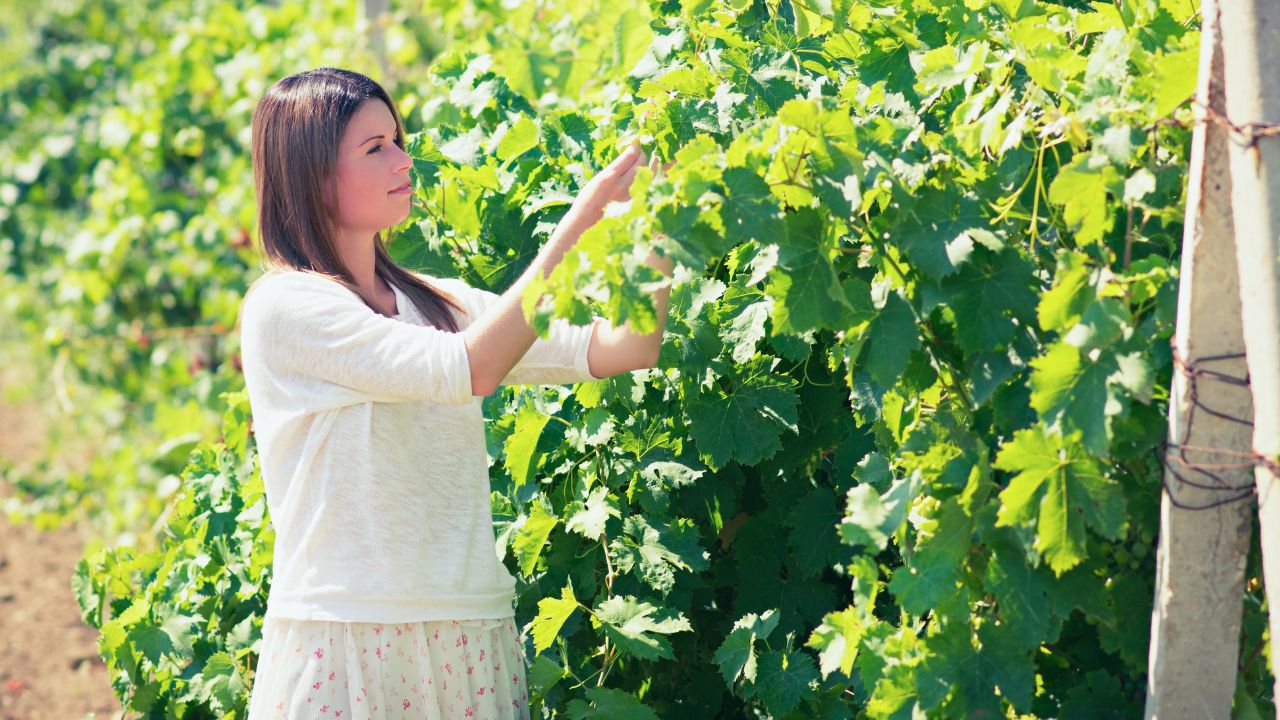
Jacka squeezed 1,400 vines into two blocks in her parents’ garden, which had once been part of a smallholding. One block was planted for a white blend, while the other was planted for Syrah.
The project took four years before the first harvest.
A patch of family land became something valuable because Jacka treated it like a long-term project from the beginning.
The Garden Became A Serious Vineyard
Jacka had worked in restaurants before moving toward wine. Alinea Wines says she joined the harvest team at Cape Point Vineyards in 2017, where she learned the process from grape to bottle.
Planting vines at home still required family buy-in and a lot of physical work. Jacka had to clear the ground, find more than 1,000 vines, plant them, and add wooden stakes for support.
Her parents helped with the project, though AP reported that her mother was eventually banned from planting after putting one vine in upside down.
The First Harvest Took Four Years
AP reported that Jacka planted the vines, cared for them, harvested the grapes, and even stomped them herself. Four years later, the first vintage arrived from the vines she had planted in the family garden.
Regular wine farms may have more than 50,000 vines, while Jacka’s home vineyard had just 1,400.
The project also came with a backyard problem named Spirit. The family’s miniature horse liked the taste of the vines, and Jacka told AP they lost one or two before making the planting horse-proof.
Backyard Vines Take Planning And Patience
Grapes need room, support, water planning, pruning, and protection from whatever else uses the yard.
UC Agriculture and Natural Resources says home grape irrigation depends on climate and soil, but drip irrigation is often useful, and soil should stay moist without staying wet. Utah State University Extension says grape pruning removes a large amount of cane growth each year so vines can stay balanced and productive.
That is why a backyard vineyard is closer to planting an orchard than planting a quick seasonal crop. The posts, rows, pruning, pests, animals, and harvest all become part of the same long project.
Jacka later built Alinea into a broader wine label using grapes from other parts of the Cape region. Wine.co.za identifies her as the founder and winemaker of Alinea Wines and says she planted the two vineyard blocks in Noordhoek during her final year of study.