Kansas County Rejects Data Center And Battery Storage Bans For Rural Land
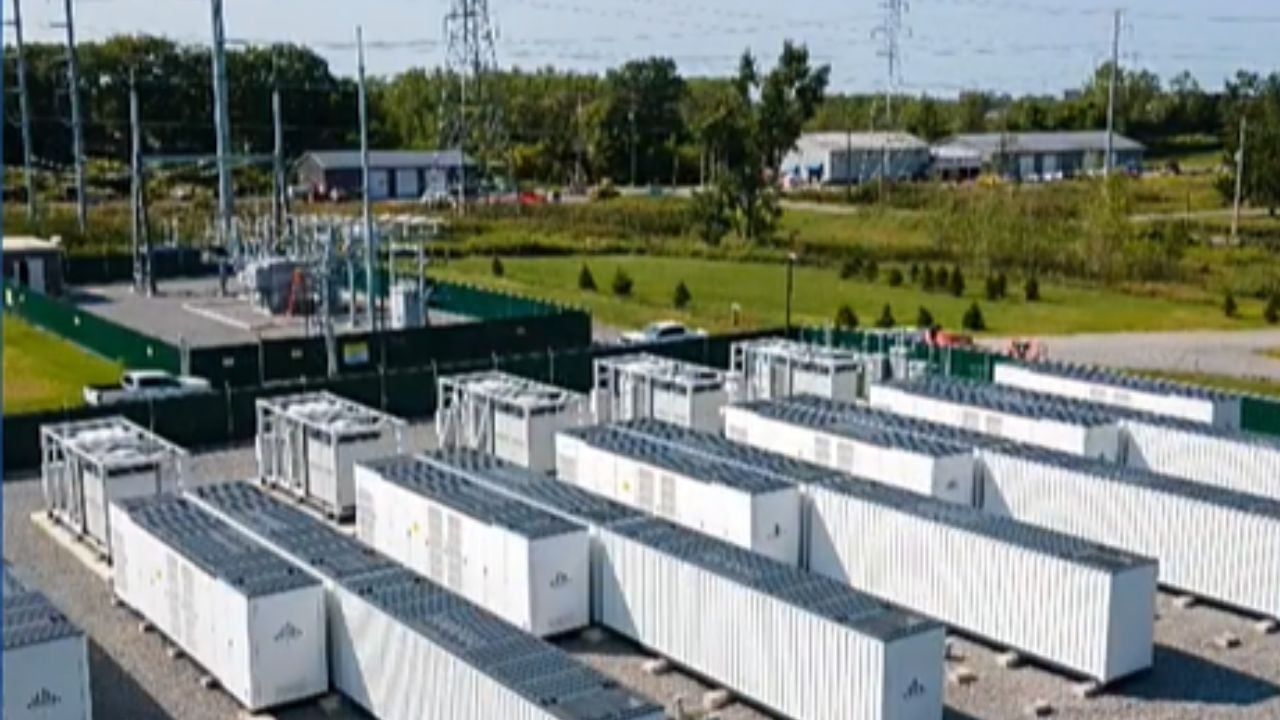
Reno County, Kansas, will not ban battery energy storage systems or large data centers for now, leaving any future projects to move through the county’s normal planning process if applications are filed.
The decision followed a special County Commission meeting Monday night in Hutchinson. According to KWCH, commissioners heard from concerned residents before declining to advance bans, moratoriums, or new regulations for battery energy storage systems and data centers in unincorporated areas of the county.
Commissioners said no applications for either type of project have been submitted in Reno County. Still, the debate has already become a rural-property issue, with residents raising concerns about water use, noise, property values, health issues, fire risk, and long-term liability.
The vote does not approve a battery storage site or a data center. It means the county has chosen not to block those uses before a specific proposal, location, site plan, and public review process exist.
The Battery Storage Ban Failed On A Split Vote
Hutch Post reported that a motion to ban battery energy storage systems in the county’s zoned, unincorporated areas failed 3-2.
Commissioners Don Bogner and Randy Parks supported the ban, while Commissioners Ron Vincent, Richard Winger, and Ron Hirst voted against it.
Opponents of battery storage raised concerns about groundwater, public safety, fire hazards, cleanup costs, and whether future abandoned projects could leave local government with liability.
The Data Center Ban Also Failed
Commissioners then considered data centers, including large hyperscale facilities tied to artificial intelligence and cloud computing.
A motion to ban data centers larger than one acre in zoned, unincorporated areas also failed 3-2, according to Hutch Post.
KWCH reported that Commissioner Richard Winger argued the county should not ban an industry before seeing the facts of an actual proposal.
Future Projects Would Still Face Public Review
Ad Astra Radio reported that future applications would continue to be reviewed case by case.
The Planning and Zoning Commission would hold a public hearing before making a recommendation to the County Commission, which would then have final authority.
For rural property owners, the next thing to watch is whether a real application is filed, where the site would be, how much water and power it would need, what fire-safety plans would be required, what setbacks would apply, how noise would be measured, and who would be responsible for cleanup if a project closed.