Homeowner Says Neighbor’s Chemical Spray Is Killing Grass Along Property Line
A homeowner says a long-running neighbor dispute has moved from trash and complaints to possible lawn damage along the property line.
The anonymous homeowner shared the story on Reddit, where they claimed a camera caught a neighbor walking into the driveway and throwing trash into the yard.
The post was later highlighted by TwistedSifter, which framed the situation as a neighbor conflict with video evidence.
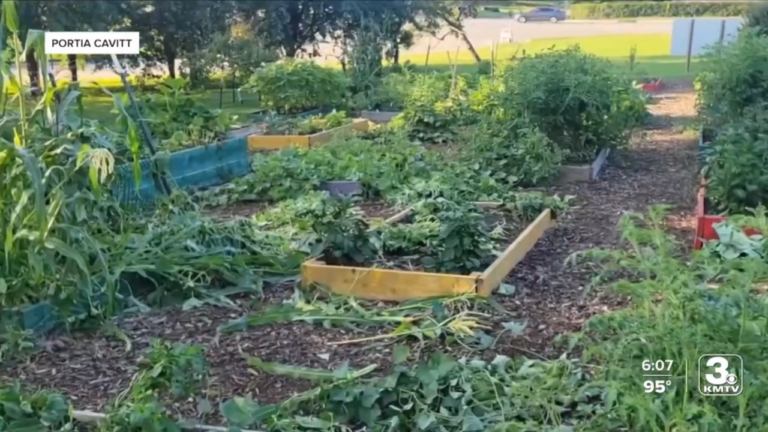
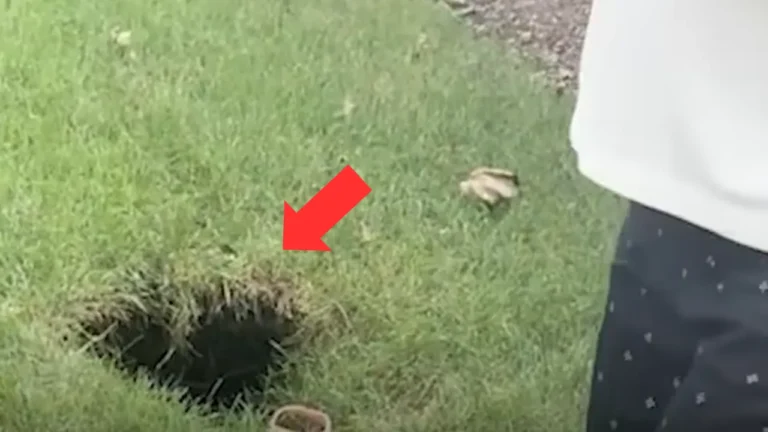
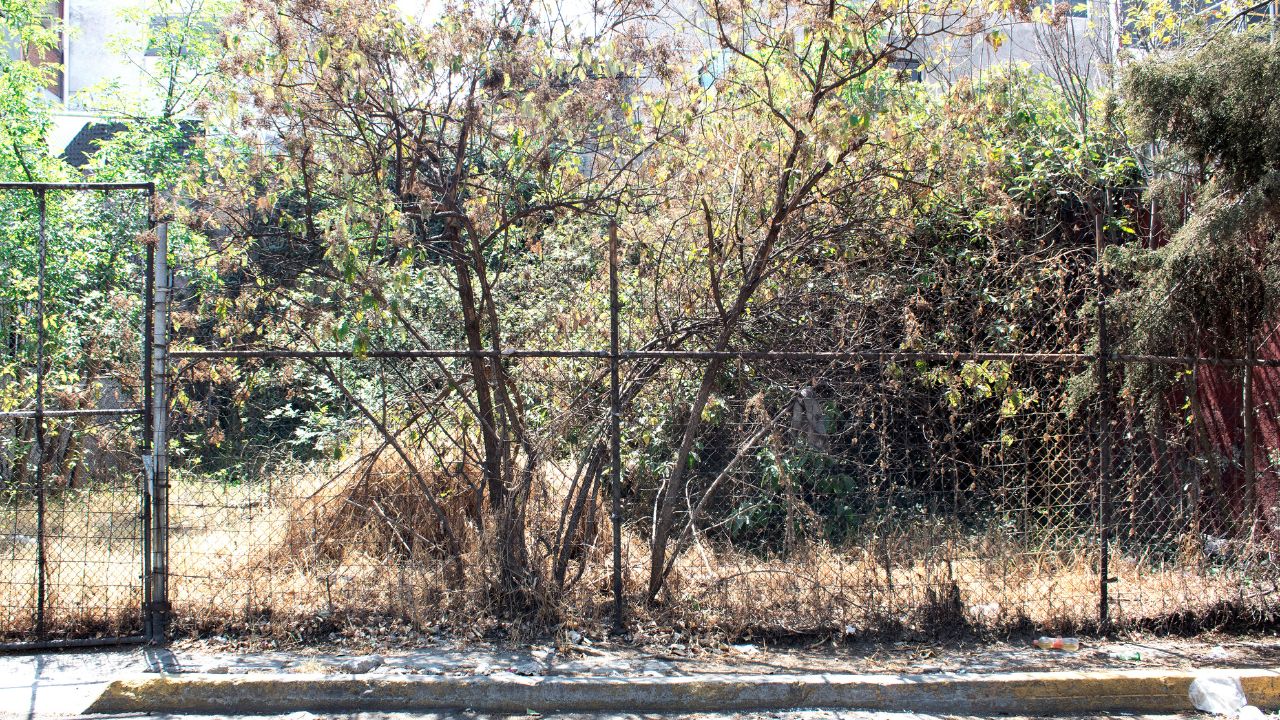
The homeowner also claimed the neighbor sprayed near the fence and that grass on their side has been dying. They said they pay for monthly lawn care and are worried because they have a dog.
The Homeowner Says The Damage Is Along The Fence
In the original Reddit post, the homeowner said the neighbor sprayed near the fence line and that grass on their side was dying.
The homeowner said a camera shows the neighbor spraying, but also said it does not show the product being used. That detail matters because the story cannot confirm whether the spray was glyphosate, another herbicide, or something else.
The poster also said they had video of a lawn-care worker interaction and a separate video of trash being thrown into the yard. Those details may help show a pattern, but they still do not replace product labels, photos over time, repair receipts, or local reports if the dispute keeps going.
Pets Add Another Layer To Lawn-Chemical Disputes

The National Pesticide Information Center says pets may be at risk if they touch or eat plants that are still wet with spray from products containing glyphosate.
NPIC also advises keeping pets away from treated outdoor areas until the pesticide has dried completely, or for the amount of time listed on the product label, whichever is longer.
NC State Extension says glyphosate drift can injure plants that were not meant to be treated and advises keeping people and pets off treated areas until dry.
Video Can Help, But It Does Not Prove Everything
A camera can show movement, timing, and where someone stood. It may not show the exact product, the wind direction, the amount sprayed, or whether the lawn damage came from that one incident.
If spray appears to cross a property line, save the footage, photograph the grass from the same angles over time, keep lawn-care receipts, write down dates, and save any vet records if a pet shows symptoms after contact with a treated area.
Direct arguments at the fence can make a bad neighbor situation worse. Local code enforcement, animal-control, police, or agricultural pesticide regulators may be better places to ask what kind of report fits the facts if trespassing, dumping, chemical drift, or harassment continues.