San Francisco Homeowners Won Dumbest Law Contest Over Restrictive Ceiling Height Rule
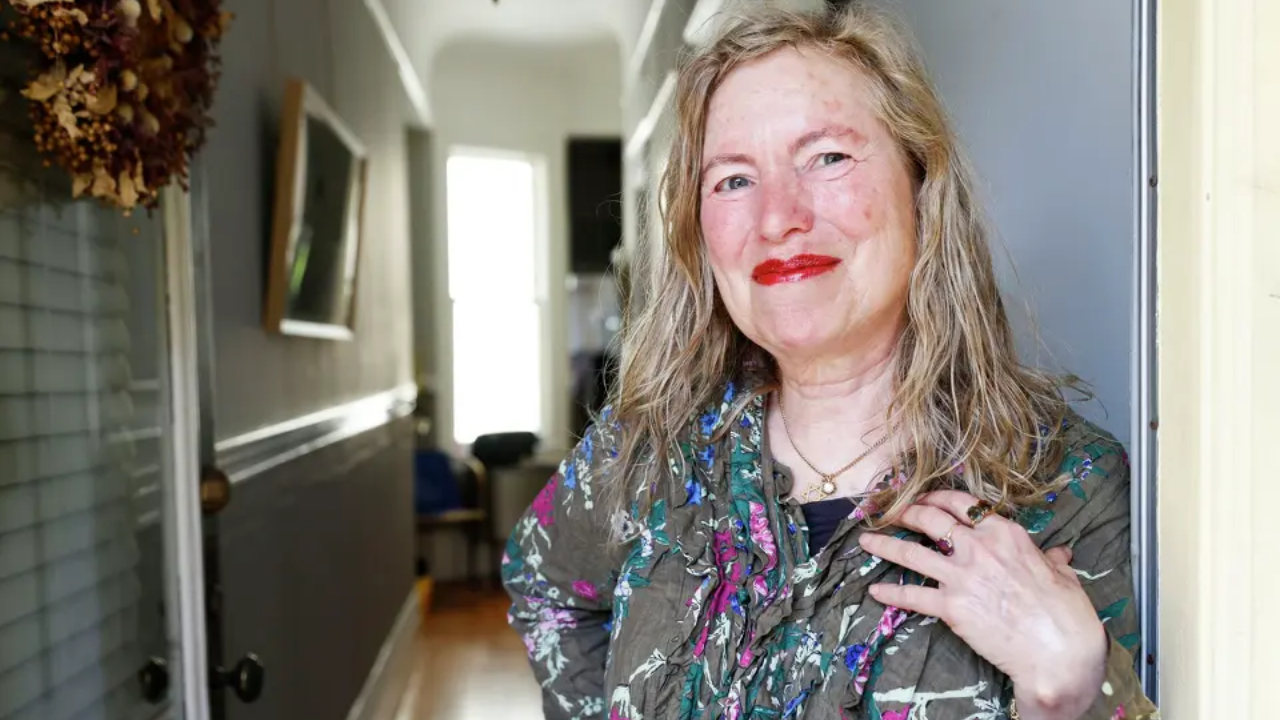
Two San Francisco homeowners were recognized after submitting the same kind of building-code problem to the city’s “dumbest law” contest, according to the San Francisco Chronicle. Katherine Roberts and Mike Nohr were commended Tuesday at the Board of Supervisors meeting as winners of the contest created by Supervisor Alan Wong. Both entries focused on San Francisco’s unusually restrictive ceiling height rules.
Roberts has rented out two basement units in her Edwardian home in Cole Valley for over 20 years. She’s also been trying to legalize them for about as long. The problem is not whether the units exist, but whether their ceiling heights satisfy San Francisco’s local code.
Under the California Residential Code, habitable spaces such as bedrooms must generally have ceiling heights of at least 7 feet. Roberts’ two studio units meet that standard, according to the Chronicle. However, San Francisco requires a local minimum of at least 7 feet, 6 inches because of how the city merged different building-code standards into one local system.
That extra six inches could create a massive construction problem for a home like Roberts’. Bringing the units into compliance could require moving all residents out of the four-unit building, excavating below the home, and underpinning a foundation poured around 1904. According to the Chronicle, the cost could top $1 million.
Why the Ceiling Height Rule Became the Winning Entry
The contest was created by Wong as part of a push to streamline city bureaucracy. He asked residents to identify city rules that create unnecessary problems or make San Francisco harder to live and work in. Roberts and Nohr were selected because their submissions pointed to a rule that can directly affect existing housing.
Roberts’ case had already become a visible example of the issue. The Chronicle reported on her “outlaw ADUs” last December, when the dispute over the ceiling height rule was already in a long bureaucratic stalemate. Roberts’ situation also shows why a technical building-code difference can become a practical barrier to legalizing housing that has existed for years.
What San Francisco May Do About the Rule
Wong said Tuesday that he would advance legislation to bring San Francisco’s ceiling height rules into alignment with state law. The goal is to help more homeowners legally rent existing living spaces inside their homes. He said the change could also create a path for unauthorized dwelling units to become legal units.
Roberts said at the meeting that she was hopeful Wong and the rest of the Board of Supervisors could finally move the issue forward. Similar concerns about keeping units like hers available were raised in the Board chambers as far back as 2013. As of the Chronicle’s report, Wong’s proposal still had to move through the city’s legislative process before any code change could take effect.