Homeowner Disputes $12,000 Tree Removal Bill After Storm Splits Tree in Front Yard
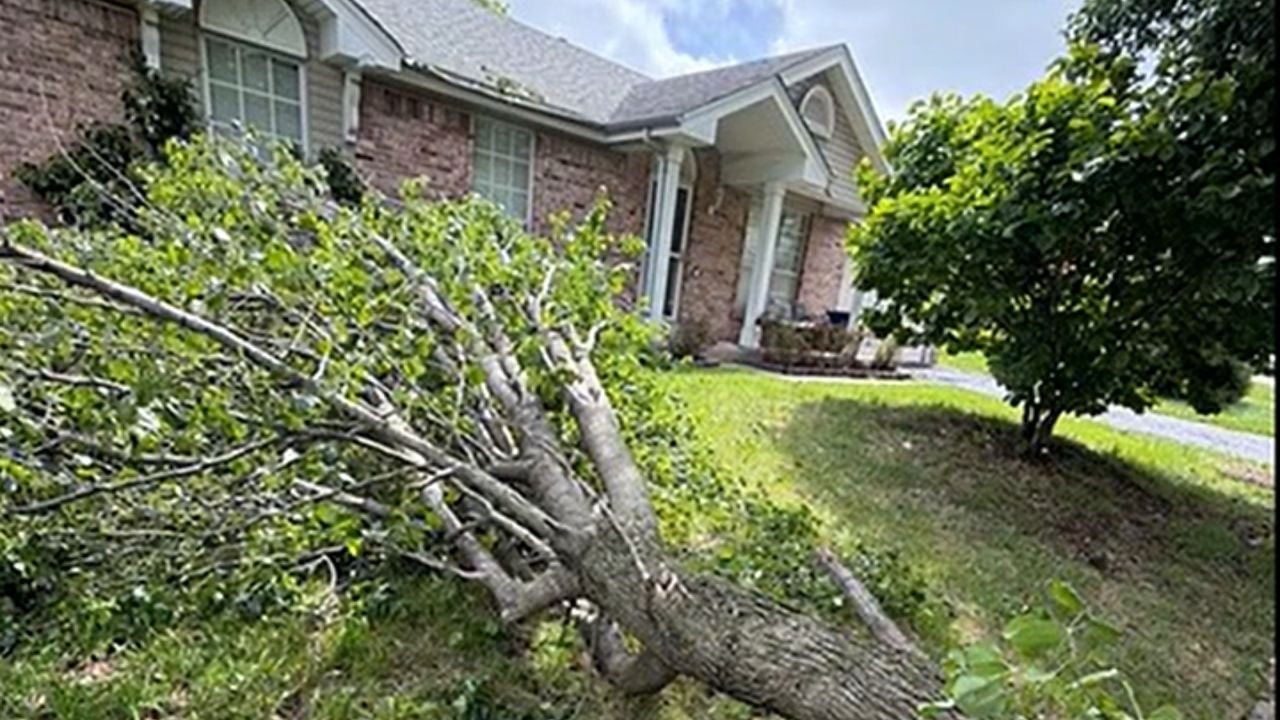
A St. Louis County homeowner is disputing a $12,000 tree-removal bill after an April 27 storm split a tree in half in his front yard.
The homeowner, who asked not to be named, told First Alert 4 that his family was sheltering in the basement when they heard a loud crash. When they came upstairs, part of the tree was down.
He searched online for emergency help. OLI Outdoor Services responded the same day, and the homeowner said he believed he was authorizing the company to look at the damage.
The next day, while he was out of town, the fallen part of the tree was removed. Then came the bill: more than $12,000. The homeowner said his insurer paid $778 toward the claim, and he later received notice of an intent to file a mechanics lien.
The Agreement Did Not Give A Final Price
Documents reviewed by First Alert 4 showed the homeowner signed an emergency mitigation agreement before the work began.
The agreement said the company could not provide a detailed written price estimate before the work and did not guarantee the final total before the job was completed.
That paperwork is now at the center of the dispute. The homeowner said he thought he was allowing the company to inspect the property, not authorizing a bill that would climb above $12,000.
The Company Has Filed Other Liens
First Alert 4 reported that court records show OLI Outdoor Services has filed more than a dozen mechanics liens against Missouri homeowners over the years.
The station also reviewed Better Business Bureau complaints involving emergency tree work and sudden large invoices. In one response cited by First Alert 4, OLI said pricing is not determined by an insurance company’s coverage limits and that customers remain responsible for the full balance regardless of reimbursement.
When First Alert 4 contacted the company, an employee said the tree-debris removal price was inflated because it was an emergency.
Storm Cleanup Can Become A Contract Problem Fast
Storm damage puts homeowners under pressure. A split tree can block a driveway, threaten a roof, or leave a yard unsafe, and the fastest available help may not always come with a clear final price.
The Missouri Attorney General’s consumer division accepts complaints involving fraud, deception, unfair practices, and consumer disputes. The Illinois Attorney General’s home repair guidance advises consumers to get more than one written estimate, review contracts carefully, and make sure key terms are in writing.
Before emergency tree work starts, homeowners should ask exactly what they are authorizing, whether the contractor is charging by the hour, by equipment, by crew, by debris volume, or by another method, and whether insurance has agreed to the work before assuming a large invoice will be covered.