A Quarry May Blast Again After 40 Years. Nearby Homeowners Say the Neighborhood Has Changed
Across the country, homeowners can find themselves living near old quarries, mines, rail corridors, farms, or industrial sites that were quiet long before nearby houses were built.
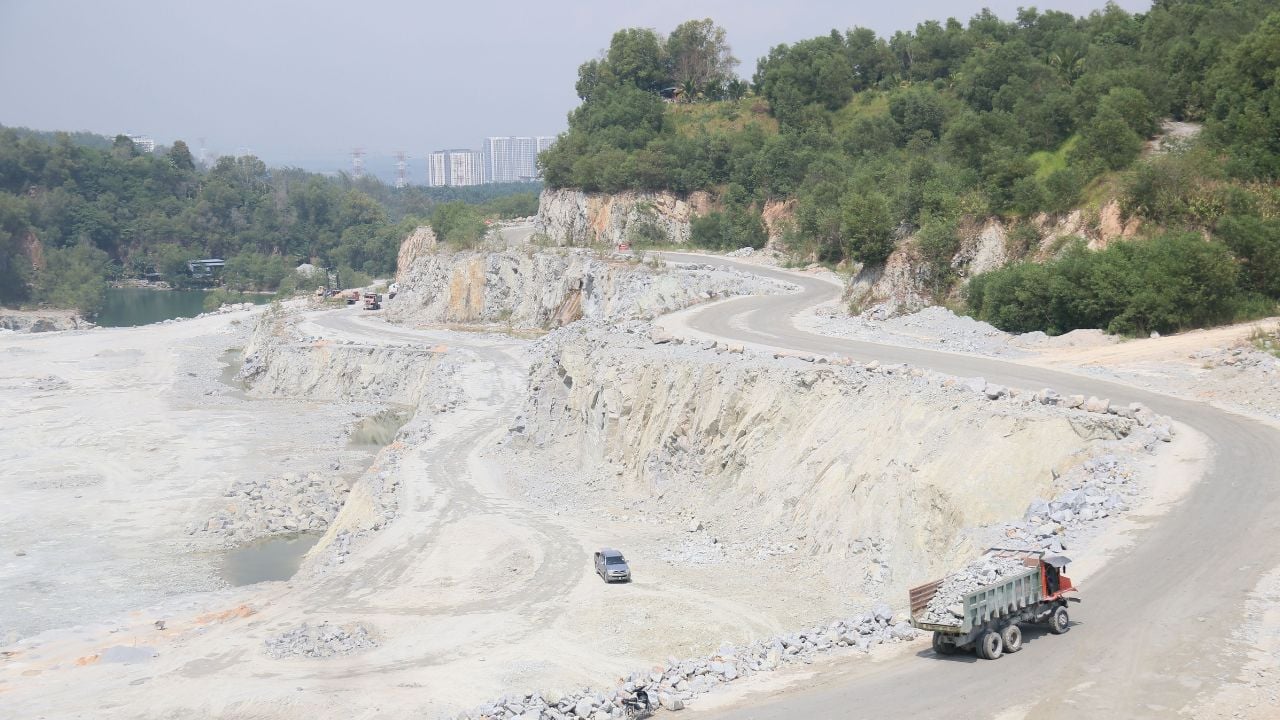
That is the concern now in Henderson, New York, where residents say blasting could resume at King’s Quarry for the first time in about 40 years. The limestone quarry sits near homes that some residents say were not there when blasting last occurred.
Cynthia Connors told WWNY she learned about the plan from a note left on her front door. She said she lives less than a quarter of a mile from the quarry and contacted her homeowner’s insurance company, which told her she was not covered for mining damage.
Connors also raised concerns about well water, air quality, nearby water, safety improvements, and home values. Quarry owner William King told WWNY the operation will follow state rules, does not use chemicals, and is willing to assess nearby homes and pay for potential damages.
Neighbors Say the Area Has Changed Since Blasting Stopped
View this post on Instagram
Connors told WWNY her home did not exist 40 years ago, and many other nearby homes were not there either. That is the part of the dispute that reaches beyond Henderson: a quarry may have a long operating history, but the neighborhood around it can look very different after decades of residential growth.
For nearby homeowners, the questions are not only about noise. Residents are also asking what blasting could mean for foundations, wells, dust, roads, property values, and insurance coverage if damage is alleged after work resumes.
King told WWNY the quarry is willing to assess homes and pay for potential damages. Residents still want to know what documentation would exist before blasting begins, how damage would be evaluated, and who would decide whether a cracked wall, well issue, or other property concern was connected to quarry activity.
The Quarry Owner Says the Operation Will Follow State Rules
King told WWNY the quarry will follow state regulations and does not use chemicals. His comments are important because nearby residents are raising concerns about environmental and property impacts, while the owner says the operation can proceed under the rules that apply to mining activity.
The dispute has not produced a finding that the quarry has damaged nearby homes or water. The current issue is whether residents are comfortable with blasting returning after a long gap, especially when some homes were built after the last period of blasting.
A property can sit near a permitted or historically active industrial use without the current owner fully understanding what that use may allow in the future.
A Nearby Cemetery Is Part of the Concern
Elaine Scott, recording secretary for the Henderson Historical Society, told WWNY that Carpenter’s Cemetery is less than a quarter of a mile from the quarry. She said she believes damage to the cemetery 40 years ago was tied to quarry blasting and became one reason residents spoke up at the time.
King disputed that connection and told the station the cemetery damage was not the quarry’s fault. The article should keep both points together because the cemetery concern is part of residents’ history with the site, not a settled finding about what caused past damage.
Residents are not only asking about current houses; they are also asking about older community places, gravesites, roads, water, and the long memory of what neighbors believe happened decades earlier.
Mining Records Can Be Hard for Homeowners to Track
The New York State Department of Environmental Conservation maintains a mined-land database that lets the public search mine records, including commodity, permit status, acreage, reclamation type, permit dates, location information, and inspection results.
A state mining permit, a quarry owner’s notice, insurance coverage, local road impacts, water concerns, and claims about possible damage may all sit in different places.
Before blasting begins near a home, residents can document the current condition of foundations, walls, ceilings, wells, driveways, outbuildings, and historic structures; ask what pre-blast inspections are available; check insurance exclusions; and keep written records of notices, contacts, photos, and any reported damage.