As Desert Cities Grow, Las Vegas Homeowners Face Strict Summer Watering Rules
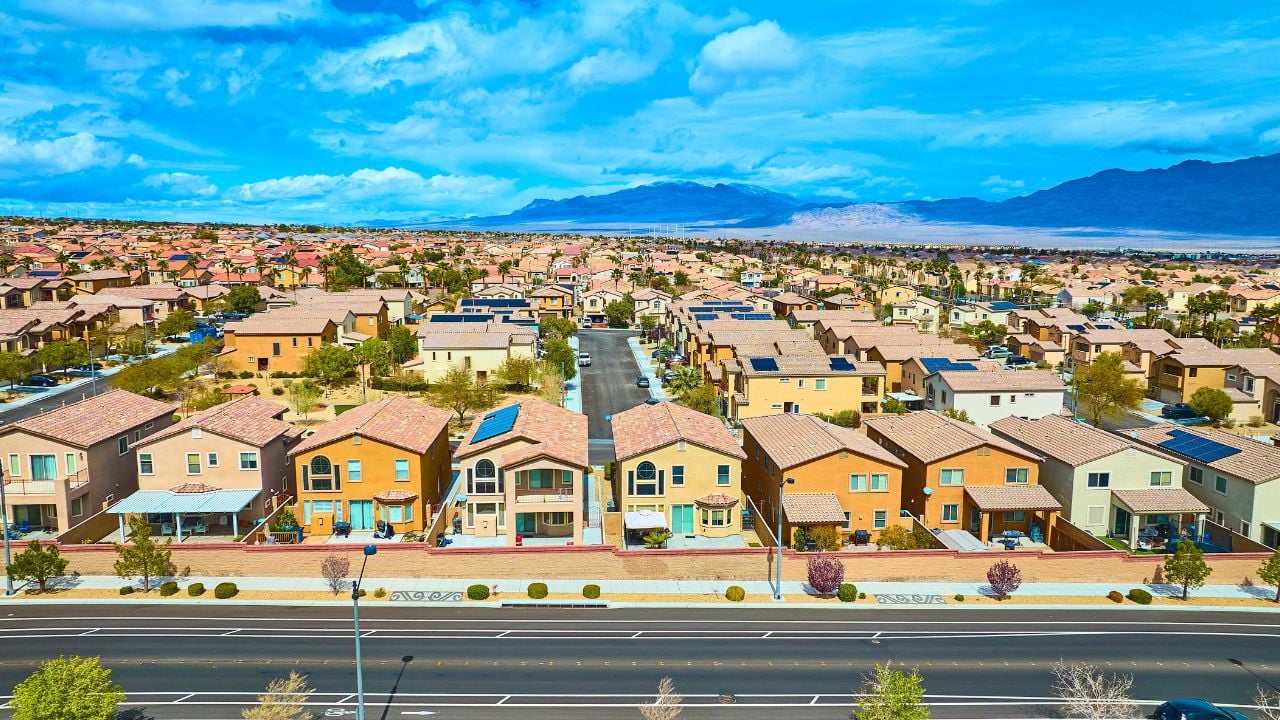
As fast-growing desert communities try to balance new homes with limited water supplies, Las Vegas homeowners are facing another summer of strict outdoor watering rules.
The Las Vegas Review-Journal published a letter arguing that homeowners are being burdened over water while new housing projects and resort landscaping remain part of the valley’s larger growth debate. The letter is opinion, not a new rule, but the timing lands during peak watering season.
The Las Vegas Valley Water District says mandatory summer restrictions prohibit landscape watering between 11 a.m. and 7 p.m. through Aug. 31. Watering is also prohibited on Sundays.
For residents trying to keep trees, shrubs, and limited grass alive in extreme heat, the immediate issue is practical: irrigation timers, sprinkler overspray, drip-line leaks, runoff, and whether the yard is being watered during restricted hours.
Summer Watering Rules Are Already in Effect

The Southern Nevada Water Authority says landscape watering is prohibited between 11 a.m. and 7 p.m. through Aug. 31, when heat makes evaporation more likely. The agency also reminds residents never to water on Sundays.
LVVWD gives similar guidance for customers, telling them to water overnight or around dawn to reduce water lost to evaporation. During summer, a sprinkler running at the wrong time can become a water-waste issue even when the homeowner is trying to protect landscaping from heat stress.
The rules put the focus on small daily decisions: when the timer starts, whether sprinklers spray pavement, whether drip lines are broken, whether water runs into the street, and whether a short cycle is enough for grass but too shallow for trees.
Grass Rules Are Different for Existing Homes and New Development
One of the easiest places to confuse Southern Nevada’s water rules is grass. SNWA says a Nevada law enacted in 2021 will prohibit Colorado River water delivered by Water Authority member agencies from being used to irrigate nonfunctional grass beginning in 2027.
That law applies to commercial, multi-family, government, and other properties. SNWA says it does not apply to grass at single-family residences, including front and back yards. Existing single-family homeowners are not being told under that law to remove every patch of grass at their own homes.
SNWA says its board approved a resolution in December 2021 to prohibit the installation of irrigated grass in new commercial and residential developments, with exceptions for places such as schools, parks, and cemeteries.
The agency says the restriction applies to front and back yards of new residential developments, HOAs, neighborhood developments, community associations, master-planned communities, and individual custom homes built by property owners. That is why water and growth remain tied together in local debate: older neighborhoods still have legacy turf, while new subdivisions are being built under stricter landscape standards.
Pools, Cooling, and Rebates Are Part of the Same Water Debate
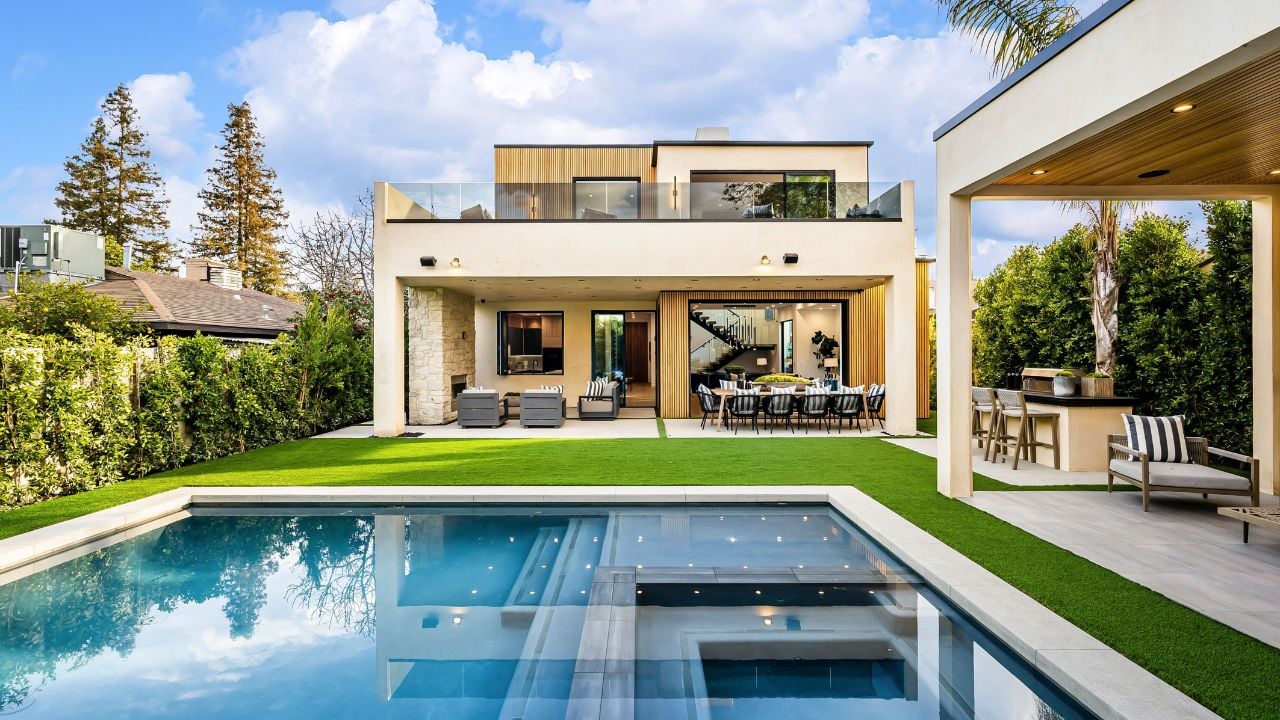
SNWA says local jurisdictions approved a 600-square-foot surface-area limit on new residential pools after the Water Authority supported that change in 2022. The agency says the average Southern Nevada pool is about 475 square feet and that the limit is aimed at the largest, most water-intensive new pools.
SNWA has also supported restrictions on evaporative cooling in new commercial and industrial buildings. The agency says that restriction does not apply to single-family homes, another detail that matters when homeowners read headlines about water policy and try to understand which rules affect their own property.
The rebate side is aimed at changing landscapes rather than stripping yards bare. LVVWD says residential customers can receive an extra $2 per square foot when they convert grass to a Water Smart Landscape, combining with SNWA’s $5 incentive for a total of $7 per square foot, subject to program terms.
SNWA’s own landscape guidance includes desert plants, canopy trees, and flowering bushes that can shade sidewalks, buildings, and rock ground coverings while using less water than grass. A careful desert-yard conversion can protect shade and tree health while reducing high-water turf; a bad conversion can leave a yard hotter and harsher during peak summer.
Homeowners Should Check Timers Before They Check the Headlines
The fastest way for a homeowner to avoid a water-waste problem is to check the irrigation timer. Sprinklers should not run between 11 a.m. and 7 p.m. during the summer restriction period, and they should not run on Sundays.
Drip systems should be checked for broken emitters, clogged lines, overspray, leaks, and dry plants that are no longer getting water where they need it. Sprinklers should be adjusted so water does not run onto sidewalks, driveways, streets, walls, or neighboring property.
Homeowners should also watch trees after turf removal. Trees that were once watered by lawn sprinklers may need deeper, slower irrigation through drip or bubbler systems rather than short cycles designed for grass.
The Review-Journal letter reflects a larger local frustration over conservation and growth, but the rule homeowners can act on now is narrower: through Aug. 31, outdoor watering has to stay out of the 11 a.m. to 7 p.m. window, Sundays are off-limits, and wasted runoff can turn a summer landscape problem into a violation.