Severe Weekend Storms Toppled Roughly 100 Trees and Damage Barns in Maryland
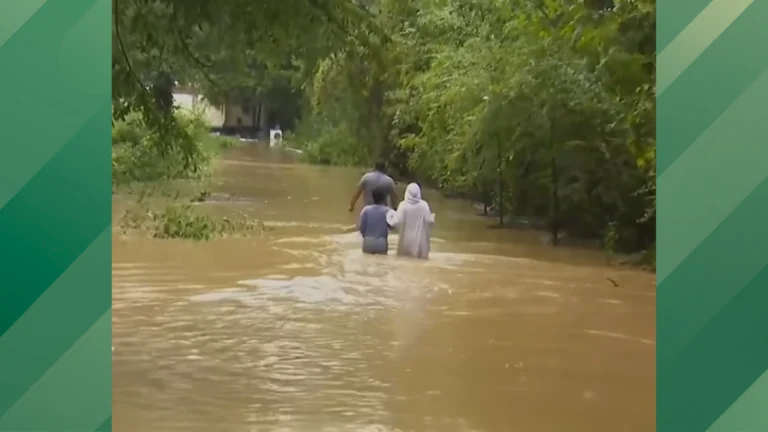
Severe thunderstorms tore through parts of east Frederick County, Maryland on Sunday night. The storms damaged homes, barns, and businesses and knocked out power for residents all over the area. They struck hardest around Libertytown, where around 100 trees were snapped, uprooted, or toppled. By Monday, several streets were still impassable, with downed wires and fallen trees still blocking the way for travelers.
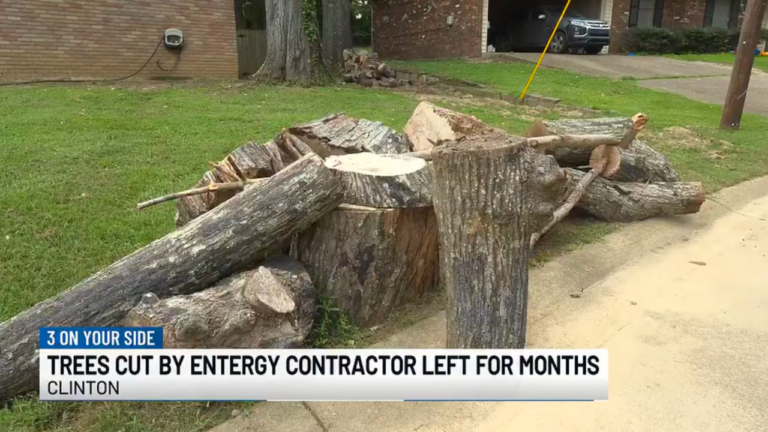
The damage along Bessie Clemson Road was among the worst, with downed trees every few feet and residents working to clear them. A barn there was destroyed as the storm came through as well. Homeowner Dustin Keith told WBAL that debris struck his house and a tree branch just missed his business. He described the storm as “just over instantly”, however, as it blew threw and did damage, then seemingly disappeared.
At By Chance Farm near Libertytown, half of a horse barn was reduced to rubble. Fortunately, no horses were hurt during the storm. A communication tower around the corner was bent in half by the wind. Anthony Rosano, director of Frederick County Emergency Management, affirmed that this kind of damage doesn’t happen very often at all.
Emergency officials said more than 200 calls came in reporting downed wires, transformer fires, and blocked roads. Frederick County Fire Department crews responded around 9:30 p.m. and went door to door until 1 a.m. to check on residents. Around a dozen structures were damaged across the county, though no injuries were reported. The National Weather Service planned to survey the area to determine whether a tornado touched down or the destruction came from straight-line winds.
Tornado or Straight-Line Winds?
Crews from the National Weather Service determine the cause by studying the pattern of the damage. Straight-line winds tend to push trees and debris in one consistent direction. A tornado leaves a more chaotic, convergent pattern, with debris scattered in different directions and trees sometimes crossing over one another. Surveyors also compare the ground evidence against radar data to check for the rotation signature of a tornado. They usually reach a conclusion within a day or two.
Damaging storms like this are the most common type of major weather disaster in the United States. In 2024, the National Oceanic and Atmospheric Administration counted 27 weather and climate disasters that each caused at least a billion dollars in damage, and 17 of them were severe storms. Severe storms also remain the most frequent category of billion-dollar disaster on record. Whether the winds in Frederick County came from a tornado or not, forecasters note that straight-line winds can top 100 mph and damage a far wider area than a single twister.
What Should You Do When a Storm Damages Your Home?
If a storm damages your home, your safety comes first. Stay far away from any downed power lines and assume they are still live, then call 911 and your utility company to report them. If a tree or the wind has compromised your roof or walls, get everyone out and don’t go back into the structure until it has been checked.
Once everyone is safe, document the damage with photos and video before you start cleaning up or making repairs. Contact your insurer promptly, since most homeowners policies cover wind and storm damage to your house, though coverage for tree removal is usually limited to trees that hit a covered structure or block access. You can also lower your risk before the next storm by having a professional remove dead or weakened limbs and check any trees leaning toward your home.