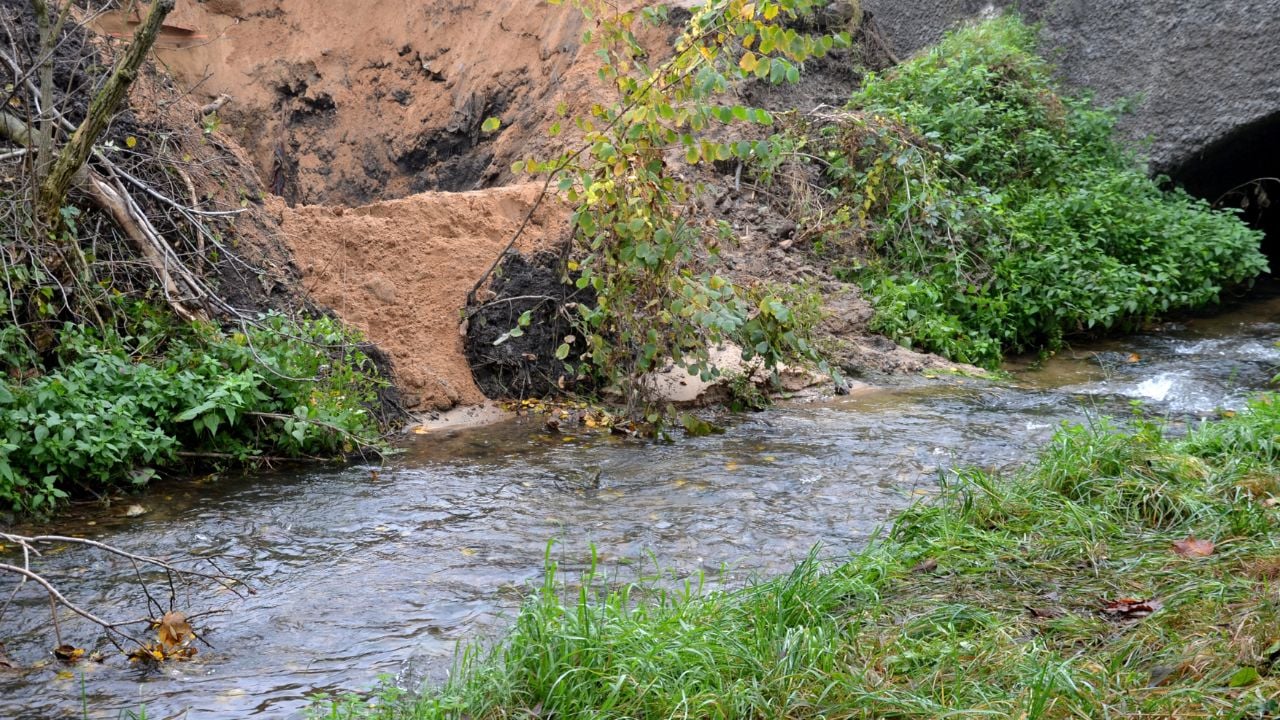
Farmer Ordered To Stop Creek Work After Neighbors Say Excavation Filled Pond With Silt
A Minnesota farmer with a history of wetland violations has been ordered to stop work along Rush Creek after nearby residents said tree clearing and excavation damaged the waterway near their homes.
The case centers on Ernie Mayers, a farmer in Corcoran, Minnesota. According to the Minnesota Star Tribune, the Minnesota Department of Natural Resources issued a cease-and-desist order telling him to stop work that alters the stream banks or creek bed.
Mayers described the South Fork of Rush Creek as a “drainage ditch” and said he wanted to increase its flow. Residents along the southern bank said the work went beyond routine maintenance and left them worried about silt, wildlife habitat, and damage that could be hard to undo.
For property owners, the dispute shows how quickly work near a creek, wetland, pond, or drainage area can become a regulatory fight. Cutting trees, digging banks, moving soil, or changing water flow may look like ordinary land maintenance, but state and local rules can apply before equipment ever reaches the water.
The DNR Told Him To Stop Work
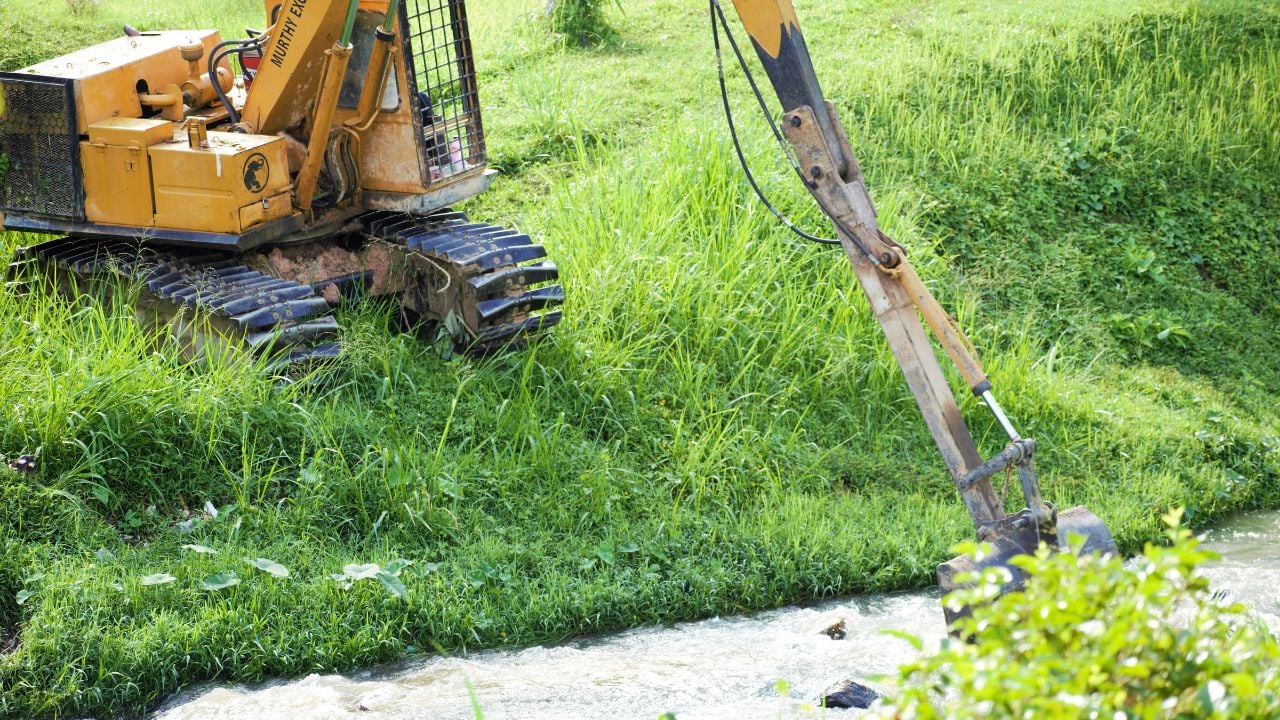
The DNR order followed tree removal and excavation along the creek in Corcoran. The Star Tribune reported that conservation officers arrived after a neighbor contacted the agency, and Mayers was told to stop altering the banks or bed of the stream. State officials had not said whether they would seek fines or damages, and Mayers had not been ordered to restore any part of the creek.
Neighbors Say the Creek Was Damaged
Residents told the Star Tribune that the work changed the creek and pushed silt downstream. One neighbor, Tom Jilk, said a pond on his property had largely filled with silt after the clearing and excavation. The Star Tribune photo caption also described the pond as largely filled with silt after nearby unapproved work altered the waterway.
Wetland Rules Can Follow Landowners for Years
The Rush Creek order comes after an earlier wetland case involving Mayers. The Star Tribune reported that officials previously found an underground tile line and ditch had drained 11 acres of protected wetlands on his land. Minnesota’s wetland rules can involve the DNR, local governments, the Wetland Conservation Act, public waters permits, and federal review. The University of Minnesota Extension also advises landowners to avoid wetland impacts when possible and check requirements before draining, filling, or excavating near wet areas.