A Homeowner Burned Weeds. An Hour Later, Smoke Filled the Basement
A Pennsylvania homeowner’s weed-burning project turned into a fire call after dry grass apparently carried flames toward the house.
According to the Sun-Gazette, Williamsport and area firefighters were dispatched to 3272 Lycoming Creek Road in Old Lycoming Township just before 1 p.m. Sunday after a fire broke out at the property.
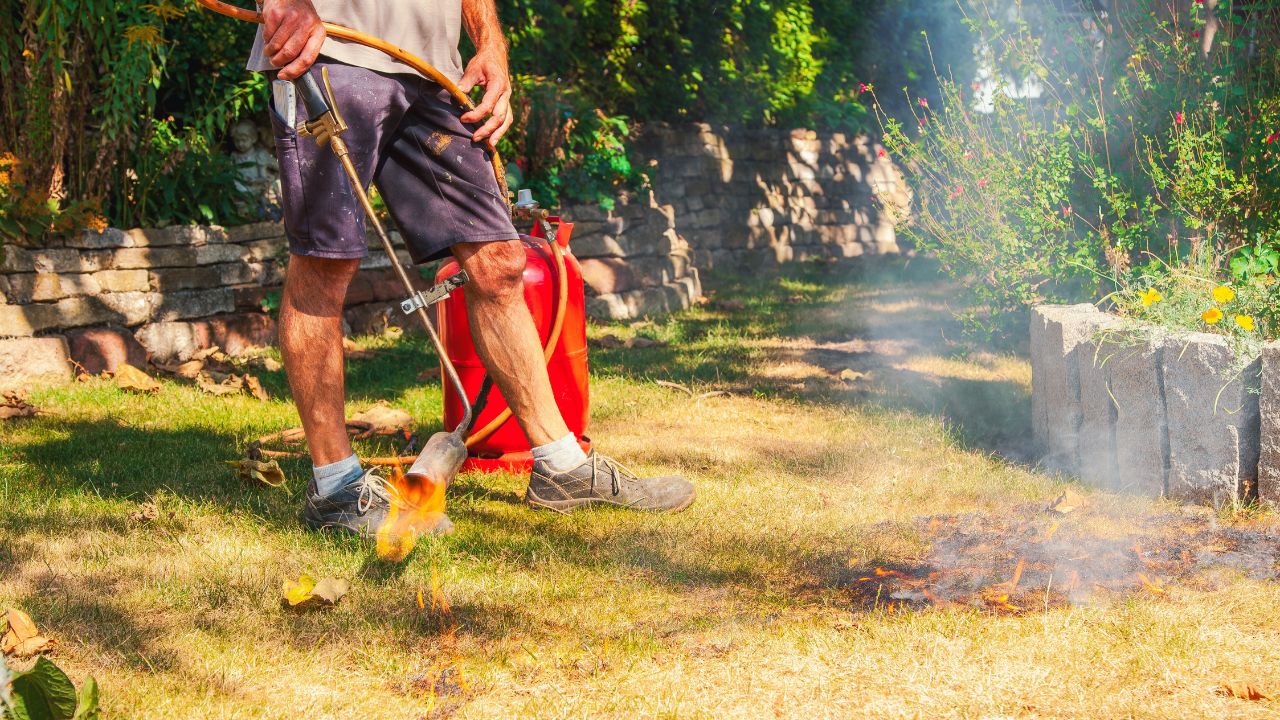
Investigators said the homeowner had burned weeds around the property about an hour earlier. Soon after, smoke began filling the basement.
No one was displaced, and firefighters extinguished the fire within minutes, the newspaper reported. The close call shows how quickly a small outdoor burn can move toward a home when dry grass sits near the foundation, siding, vents, or basement areas.
Investigators Said Dry Grass Spread the Fire
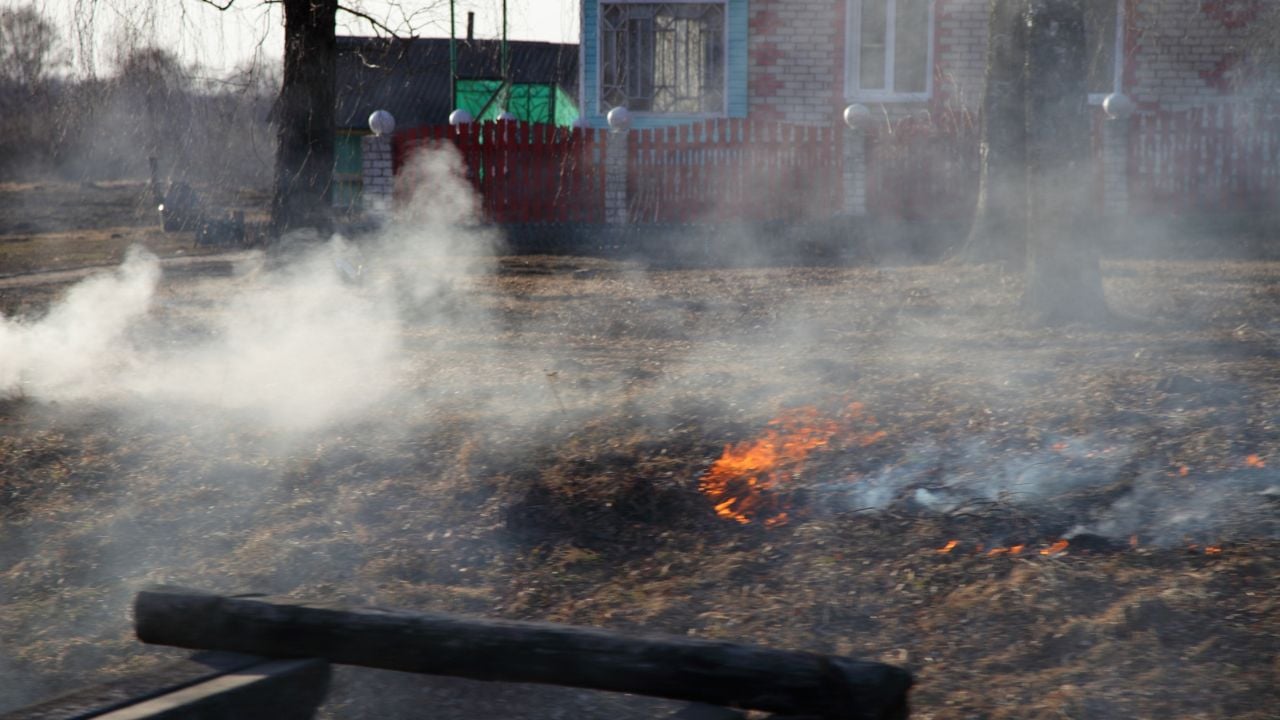
The Sun-Gazette reported that investigators believe some dry grass caught fire and spread to a partition at the back of the home. The smoke in the basement brought firefighters to the scene, but the fire was put out quickly.
Dry grass, weeds, leaves, and small twigs can give flames a path from the yard to the structure. Once fire reaches the back of a house, the next risks can include siding, decks, fences, crawl spaces, basement openings, vents, stored firewood, and debris near the foundation.
Debris Burning Is Pennsylvania’s Top Wildfire Cause
The Pennsylvania Department of Conservation and Natural Resources says debris burning is the No. 1 cause of wildfires in the state. The agency warns that small fires used for trash or yard waste can escape and spread through dry grass and leaves.
Before lighting anything outside, homeowners should check local rules, township restrictions, burn bans, wind conditions, and how dry the surrounding vegetation is. A burn that seems controlled at first can become a problem if embers reach grass, leaf litter, brush, mulch, fencing, or dry material near the home.
The Area Closest to the Home Should Stay Clear
DCNR recommends keeping the immediate 0-to-5-foot area around a home free of anything that can burn, including mulch, wood piles, and dry vegetation.
That zone is important because fire does not have to start inside the house to threaten it. Flames or embers near the foundation, siding, vents, basement openings, decks, porches, or fences can bring the danger close before anyone realizes the outdoor burn has spread.
Homeowners clearing weeds or yard debris should use non-flame methods when possible, especially near the house. If local rules allow burning, water should be nearby, the fire should never be left alone, and burning should be avoided on dry or windy days.
The Old Lycoming Township fire was out within minutes, but the sequence was clear: weeds were burned outside, dry grass apparently carried the fire, and smoke reached the basement about an hour later.