
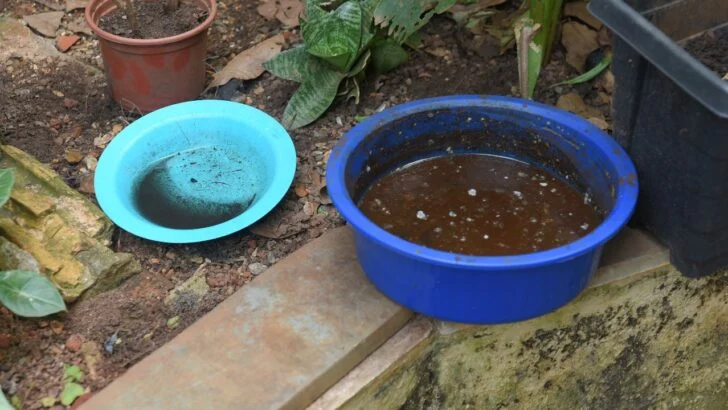
A wet spring can leave more behind than green lawns and full flower beds. It can also leave small pockets of standing water where mosquitoes can breed close to a house.
That yard-level risk is back in focus after Texas health officials confirmed the state’s first West Nile illness case of 2026 in a Harris County resident. The Texas Department of State Health Services said the resident was diagnosed with West Nile virus neuroinvasive disease, the most serious form of the illness.
The Cool Down reported that wet spring weather may increase mosquito risk by leaving more standing water around homes and neighborhoods. The ordinary trouble spots include flowerpots, buckets, pet bowls, clogged gutters, toys, birdbaths, pool covers, and trash containers.
Most people infected with West Nile virus do not develop symptoms, but the best prevention around a home is still practical: remove standing water, block mosquito entry points, and reduce bites when mosquitoes are active.
Harris County Saw Texas’ First 2026 Human Case
DSHS announced on May 19 that Texas had confirmed its first West Nile illness case of 2026 in a Harris County resident. State health officials said the person had West Nile virus neuroinvasive disease.
The agency said West Nile virus is spread through the bite of infected mosquitoes. It also said roughly 80% of infected people have no symptoms, about 20% develop West Nile fever, and less than 1% develop West Nile neuroinvasive disease.
DSHS listed West Nile fever symptoms as fever, headache, nausea, muscle and joint aches, and fatigue. More serious neuroinvasive disease can cause tremors, convulsions, neck stiffness, disorientation, paralysis, and even death.
Standing Water Is the Backyard Problem Homeowners Can Control
Harris County Public Health tells residents to reduce mosquito breeding sites around the home by following the “Tip, Toss, Take Action” message: tip water from open containers, toss items or debris that can hold water, and protect yourself from mosquito bites.
The CDC gives a similar weekly rule. Once a week, homeowners should empty, scrub, turn over, cover, or throw away items that hold water, including tires, buckets, planters, toys, pools, birdbaths, and trash containers.
That makes a post-rain yard check more useful than waiting until mosquitoes are already active around the patio. Small containers can hold enough water for mosquitoes to use, especially when they sit behind sheds, under planters, near trash cans, or along a fence line.
Gutters, Flowerpots, and Pool Covers Are Easy to Miss
View this post on Instagram
DSHS specifically warns that flowerpots, buckets, kiddie pools, dog bowls, toys, and clogged rain gutters can give mosquitoes a place to lay eggs and reproduce.
Homeowners should walk the property after rain and look low: under planters, inside wheelbarrows, behind sheds, under tarps, in old tires, on pool covers, in saucers below pots, and around trash or recycling containers.
Not every water source can be dumped. The CDC says larvicides can be used in standing water that cannot be covered, dumped, or removed, including rain barrels, fountains, gutters or downspouts, non-chlorinated pools, pool covers that collect water, tires, and tree holes. Homeowners should follow label directions and avoid applying more than directed.
Repellent, Screens, and Symptoms Still Matter
Removing water reduces mosquito breeding, but it does not stop every bite. Harris County Public Health recommends long sleeves and pants, reducing outdoor activity during dawn and dusk when mosquito activity is high, keeping doors and windows closed or screened, and using EPA-registered insect repellent as directed.
DSHS also tells Texans to keep mosquitoes from entering the home by using air conditioning and making sure window and door screens are in good repair.
The Cool Down reported that a Memorial Hermann doctor warned early West Nile symptoms can be vague and may feel like the flu. People should seek medical attention for serious warning signs such as confusion, stiff neck, walking problems, speech trouble, tremors, convulsions, paralysis, or disorientation.
The Yard Check Should Become a Weekly Habit
Harris County’s mosquito-control guidance says water is necessary for mosquito survival and tells residents to empty water containers, clean drains and gutters, and maintain sanitation around personal surroundings.
The weekly routine is simple: dump water, scrub containers before refilling them, clear gutters, refresh birdbaths often, store buckets upside down, keep pool covers from sagging with water, repair screens, and use repellent when mosquitoes are active.