
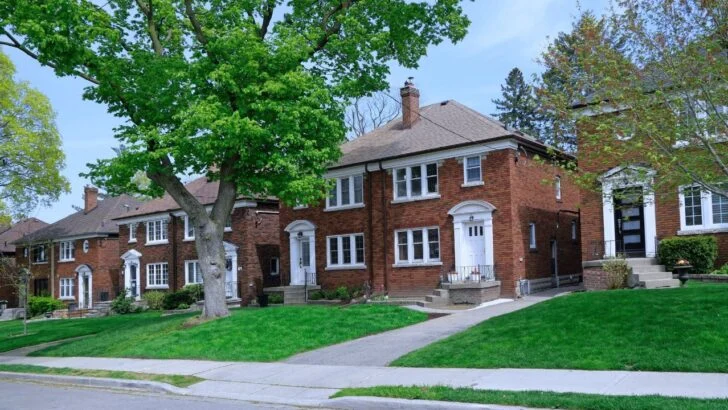
A mature street tree can make a house look established before a buyer ever reaches the front door.
It can shade the sidewalk, soften the street, help cool pavement, give birds a place to land, and make an older block feel greener than new landscaping can. The same tree can also raise a quieter homeowner question: who pays when leaves, branches, roots, stumps, sidewalks, gutters, and sewer lines become a problem?
A June 11 Illinois Times column about Springfield’s urban tree program raised that tension. The column argues that street trees are treated as a public resource while much of the day-to-day burden can fall on the private residents who live closest to them.
That makes curbside trees worth checking before buying, planting, pruning, or complaining. A tree may sit in a public right-of-way, city strip, neutral ground, HOA-managed area, utility easement, or private yard, and the answer can change who trims it, who removes it, and who gets the bill when roots or branches cause trouble.
Springfield’s Tree Program Became the Local Peg
Illinois Times wrote that Springfield’s urban forestry program gained momentum under former Mayor Jim Langfelder, including a city arborist hire, a revived Urban Forestry Commission, tree planting, and outside grant support.
The city’s public-works page says Springfield was named a 2020 Tree City USA and received a Growth Award after meeting requirements that included a tree board or department, a tree-care ordinance, an annual community forestry budget, and an Arbor Day observance.
The local debate sharpened after all appointed members of Springfield’s Urban Forestry Commission resigned at the end of January 2025. Illinois Times reported at the time that members cited a lack of cooperation from the current administration.
That city politics is not the part most homeowners need to carry forward. The useful question is simpler: when a city encourages street trees, who handles the costs after the tree is already shading the block?
Street Trees Can Help the Whole Block
Street trees can shade pavement, improve curb appeal, make walking more comfortable, support birds and insects, and help manage stormwater before it reaches drains and pipes.
That is why cities pursue tree boards, tree-care ordinances, planting grants, inventories, and Tree City USA recognition. The Arbor Day Foundation describes Tree City USA as a national recognition program meant to raise awareness of community trees, set basic standards, and recognize communities that invest in a greener place to live.
For a homeowner, those benefits can still feel uneven. Everyone on the block may enjoy a cooler, prettier street, but the house beside the trunk may deal with more leaves, more branches, more gutter cleaning, more shade on the lawn, and more questions about roots under hard surfaces.
The Maintenance Burden Can Fall on One Address
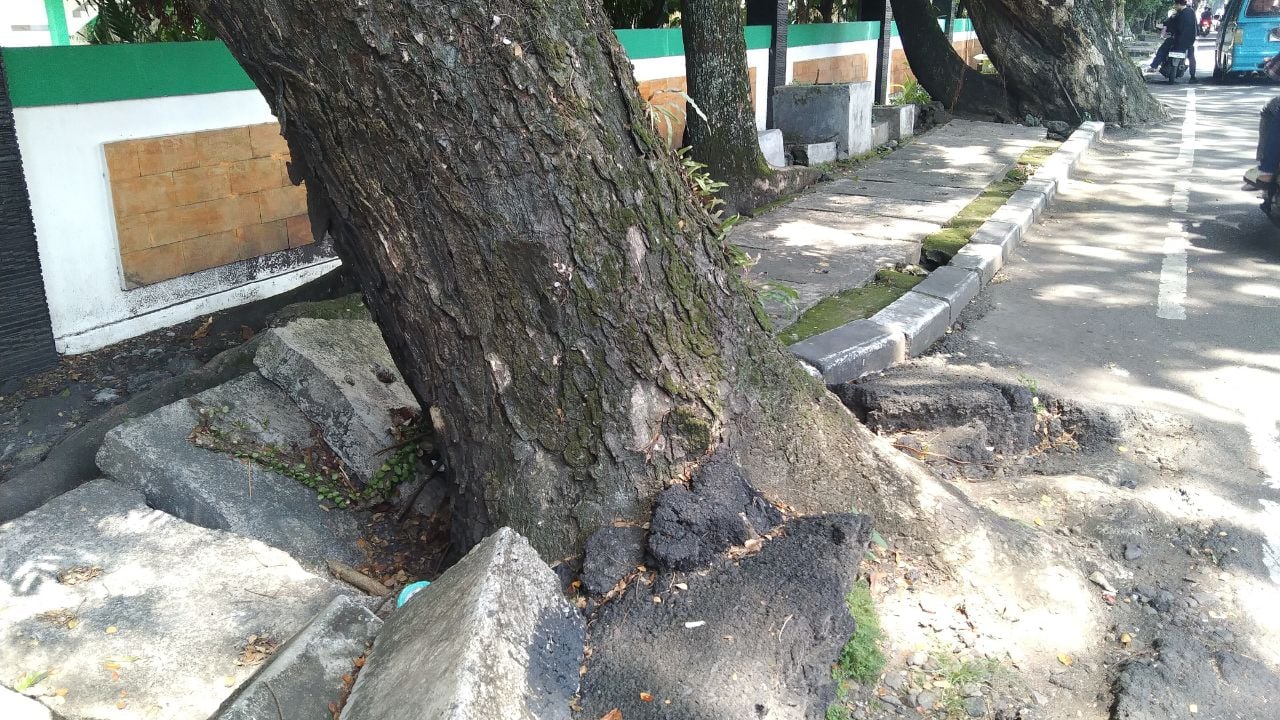
Image Credit: Adansijav Official / Shutterstock
The Illinois Times column points to that uneven tradeoff. Nearby residents may benefit from shade and curb appeal, but the closest homeowner may be the one clearing leaves, picking up branches, managing gutter clogs, mowing around exposed roots, or calling about damaged sidewalks.
The column also gives a sharper Springfield-specific example: when a city tree’s roots clog a private sewer pipe, the pipe owner may have to pay to unclog it. That kind of problem can turn a beautiful canopy into a household repair issue.
Research on street-tree infrastructure costs has found that sidewalk repair is often the largest tree-related infrastructure expense, while curb, gutter, and sewer impacts can also show up in municipal cost studies. The exact responsibility still depends on local law, pipe ownership, right-of-way rules, and whether the damage involves a public or private line.
Buyers Should Ask Who Owns the Tree Before Closing
Anyone buying a house with large trees along the curb should not assume the rules are obvious. The strip between the sidewalk and street may look like part of the yard, but the maintenance authority can depend on the city, utility, HOA, subdivision rules, or local right-of-way policy.
Before closing, buyers should ask whether the tree is public or private, who trims it, who removes dead limbs, who handles stump removal, who pays for sidewalk damage, who handles root-related sewer problems, and whether permits are needed before pruning or removal.
Current homeowners can ask the same questions before a small issue becomes a bill. The right call may be to public works, an urban forestry office, a utility, an HOA, a licensed arborist, or a plumber, depending on whether the problem is a branch, root, sidewalk, power line, or sewer lateral.
A city can value shade and canopy while still giving residents plain answers about ownership, trimming schedules, sidewalk repairs, sewer responsibility, reporting tools, and who to call before a branch, root, or stump turns into a larger expense.