7 Practical Decluttering Rules Taken From the Japanese to Feel Less Controlled by Your Stuff
Japanese homes are often described as calm, ordered, and free of excess. That reputation did not come from minimalism as a trend. It came from a deeply rooted cultural relationship with objects, space, and the idea that what surrounds a person shapes how that person feels.
In the West, the instinct is often to buy more storage. More bins, more shelves, more boxes. The clutter does not disappear; it just gets contained. Japanese decluttering philosophy works from the opposite direction, by reducing what exists rather than managing where it lives.
The difference shows up in daily life. A home with fewer, well-chosen objects requires less maintenance, less decision-making, and less mental energy. Research in environmental psychology has found consistent links between cluttered spaces and elevated stress levels, reduced focus, and a persistent sense of being behind.
These seven rules draw from Japanese practices and philosophy to help anyone cut through the noise and feel genuinely lighter in the spaces where they live.
1. Separate Identity From Possessions

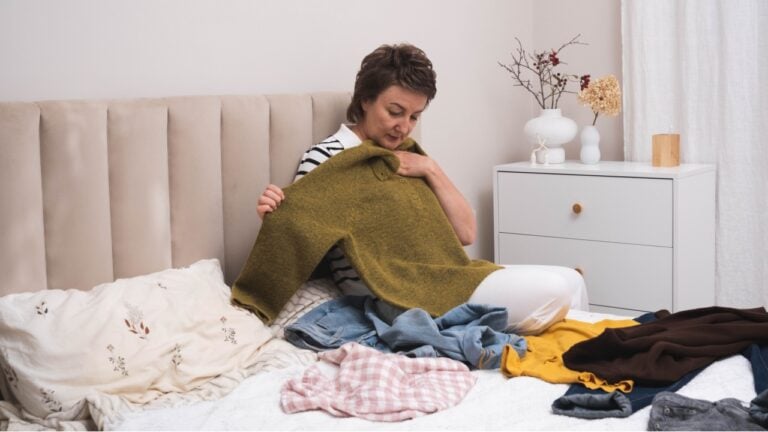
A person is not the sum of their belongings, even though marketing and old habits suggest otherwise. The Japanese approach treats objects as separate from the self, which makes parting with them far less painful.
When a shirt or a gadget no longer holds emotional weight, the decision to keep or release it becomes clear. This small shift dissolves the guilt that usually keeps unused items stuck in closets for years.
Emotional distance from objects also softens the fear of loss that fuels overbuying. A keepsake can be appreciated without being hoarded, and a gift can be released without insult to the giver.
The memory lives in the mind, not the object, so the object can move on. That freedom turns decluttering from a sad goodbye into a quiet relief.
2. Treat Cleaning as a Mindful Ritual
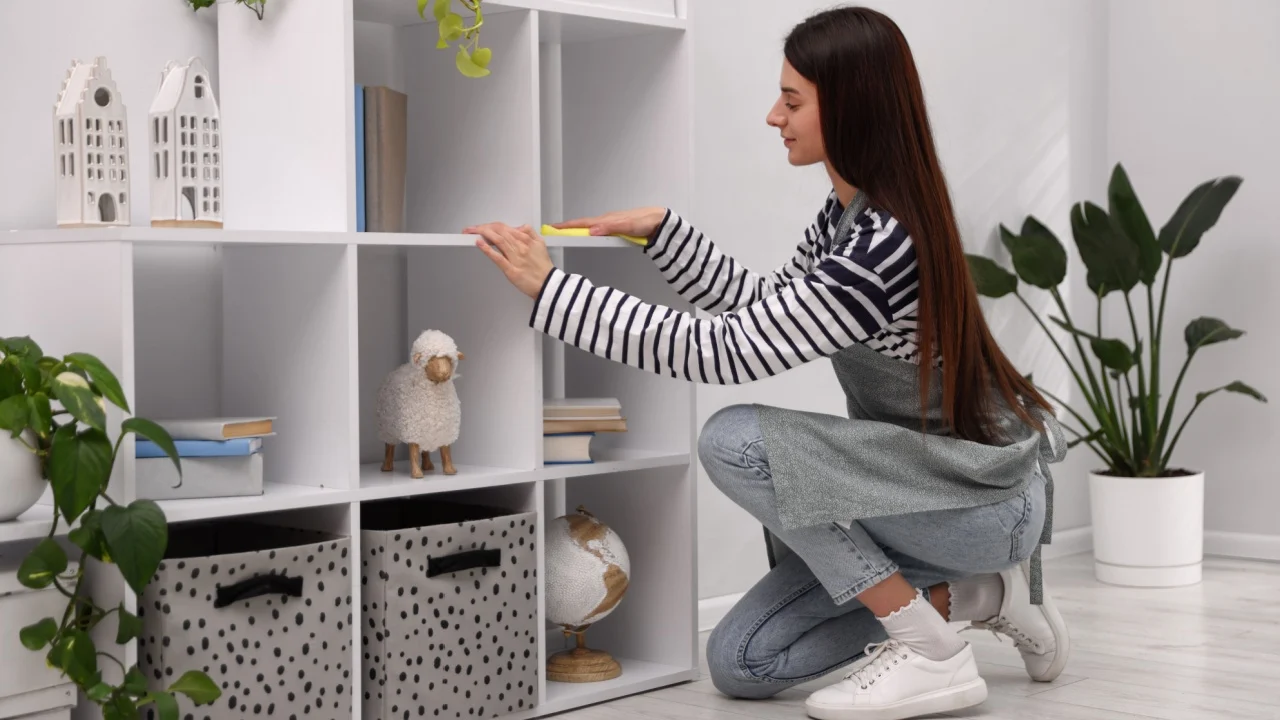
Cleaning often gets shoved into the category of dreaded tasks, rushed through, and resented. The Japanese view flips that idea by treating tidying as a deliberate mindfulness practice that settles the mind.
Wiping a surface or folding a cloth becomes a moment of attention rather than a race to finish. The repetition itself calms the nervous system and brings a sense of order that reaches beyond the physical room.
This practice works best when it happens slowly and without distraction. A few quiet minutes spent caring for a space build a relationship with the home that mindless chores never create.
People who clean this way report feeling grounded and clear afterward. The room ends up cleaner, and the mind ends up quieter.
3. Wait a Week Before Any Purchase

Impulse buying fills homes with items that seemed important for a single afternoon. A simple pause of seven days breaks that cycle by giving desire time to fade.
If the object still feels necessary after a week, it likely fills a genuine need. If it slips from memory, that forgetfulness reveals the truth that it was never needed at all.
This waiting period saves money and floor space in equal measure. It also exposes how often shopping serves as a mood fix rather than a real solution.
The delay creates room for honest reflection, and honest reflection prevents most clutter before it ever arrives. A home stays lighter when fewer things make it through the front door.
4. Choose Quality Over Quantity

Cheap, disposable items break quickly and breed replacements that multiply the mess. The Japanese preference leans toward durable goods made from natural materials that last for decades.
A single well-made tool outperforms a drawer full of flimsy ones and asks for far less space. Investing in fewer, better objects reduces both waste and the steady churn of buying and discarding.
Lasting items also deepen the care a person gives them, which strengthens the bond between owner and object. A solid wooden spoon or a sturdy ceramic bowl earns its place through years of service.
That kind of ownership feels satisfying in a way no bargain bin can match. Quality, in the end, costs less than the endless cycle of replacing junk.
5. Welcome Empty Space as Intention
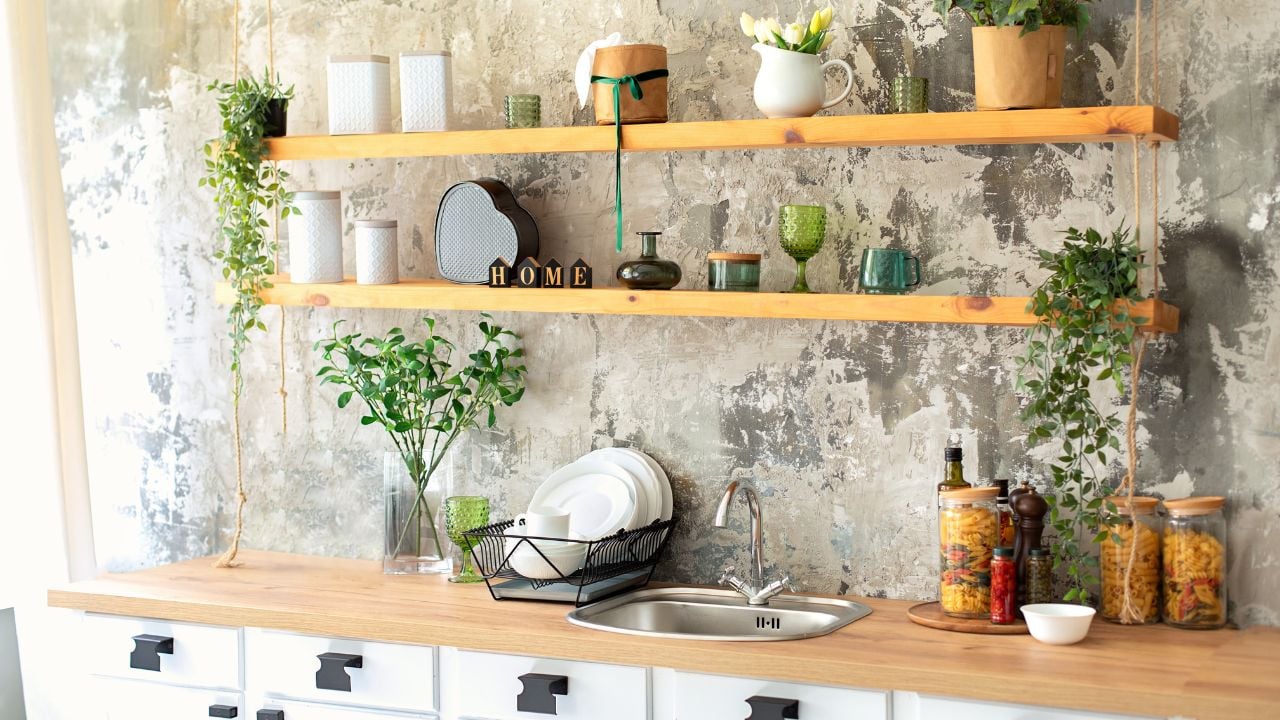
In Japanese design, the concept of ma treats space as a positive feature rather than a gap to fill. A bare wall or an open shelf gives the eye room to rest and the mind room to breathe.
This emptiness is planned, not accidental, and it carries as much value as the objects around it. The result is a home that feels open and calm instead of crowded and loud.
Many people feel an urge to fill every blank surface, as if emptiness signals failure. Letting that urge pass reveals how much beauty lives in restraint.
Open space draws attention to the few items that truly matter, giving them weight and presence. A room with room to breathe tends to soothe everyone who walks into it.
6. Follow the One In, One Out Habit
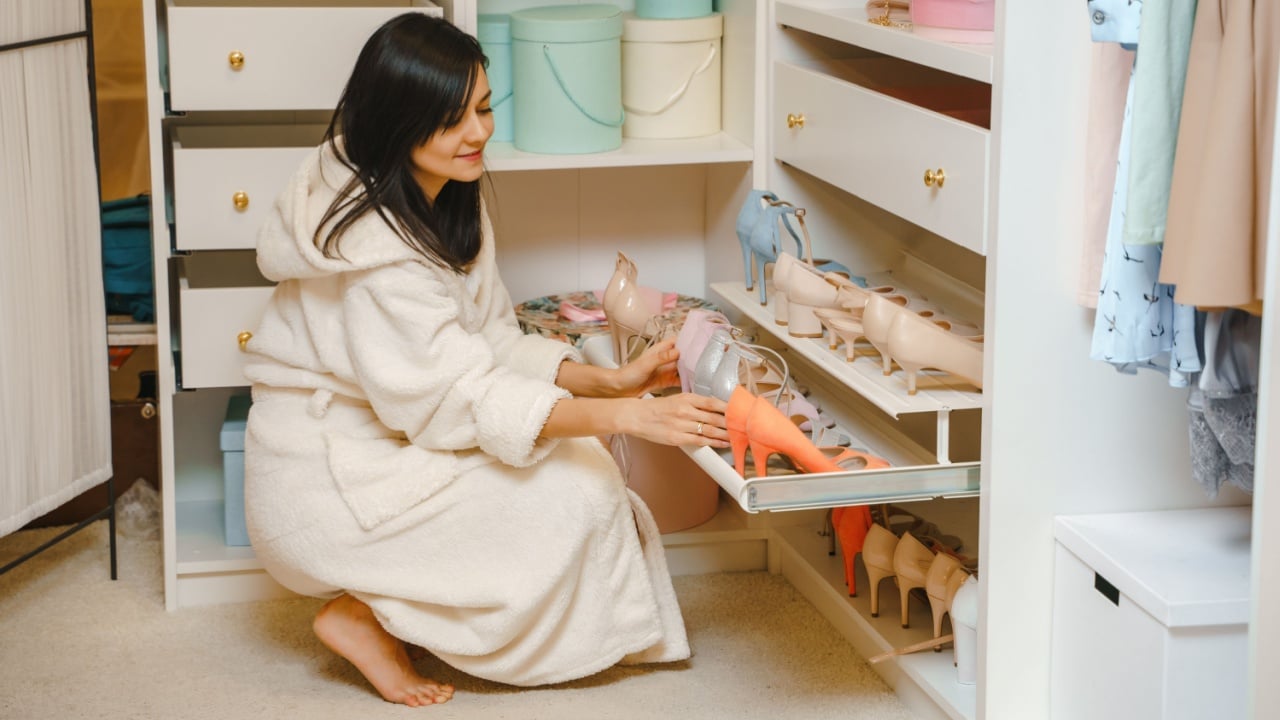
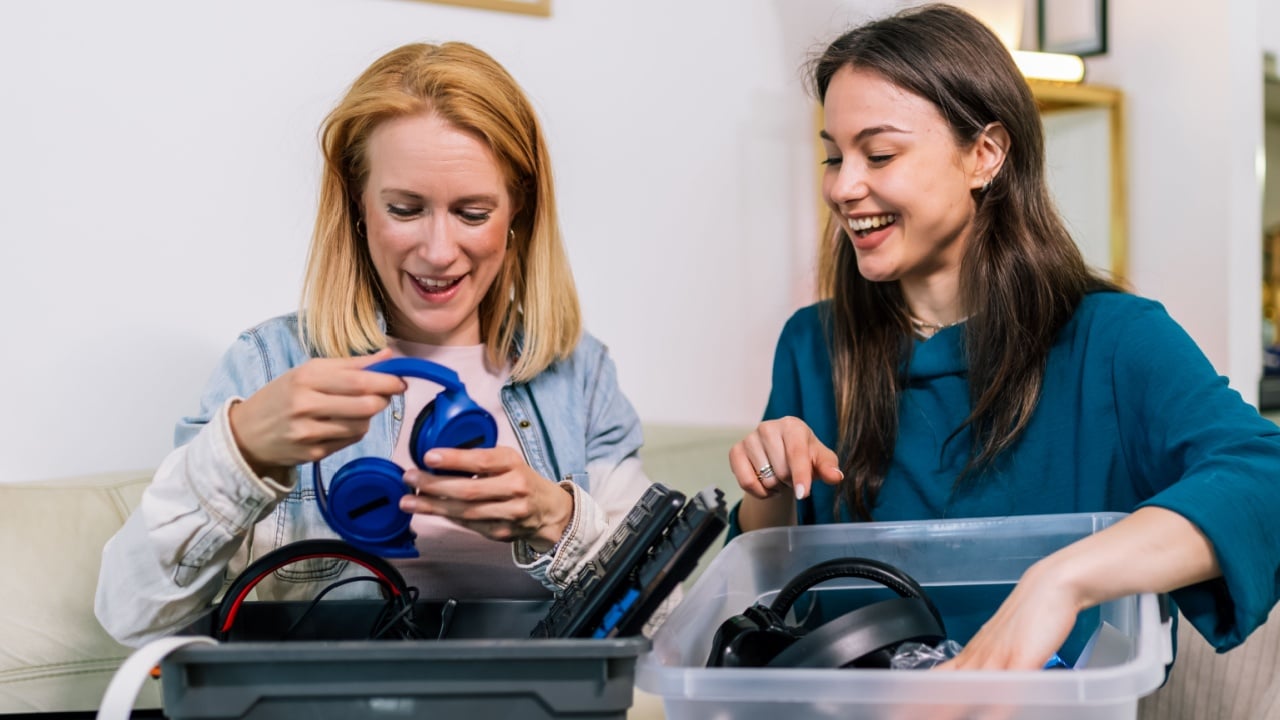
Clutter creeps in slowly, one new item at a time, until the home reaches its limit. The one-in, one-out habit halts that creep by pairing every arrival with a departure.
A new pair of shoes means an old pair leaves, keeping the total count steady. This rule turns shopping into a conscious trade rather than a thoughtless addition.
The practice also sharpens awareness of what already exists in the home. Choosing which item to release forces a fresh look at belongings that faded into the background.
That review often surfaces things that should have been left long ago. Balance stays intact, and the home never tips back into overflow.
7. Keep Daily Clutter Out of Sight
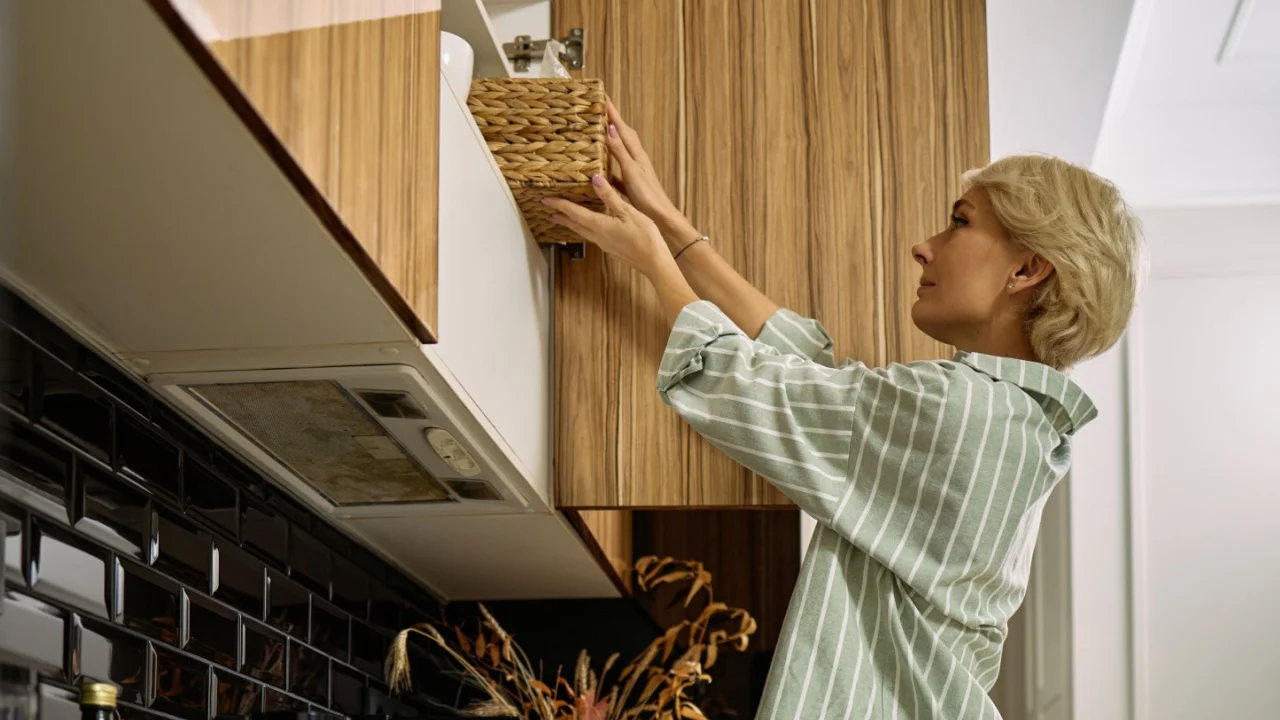
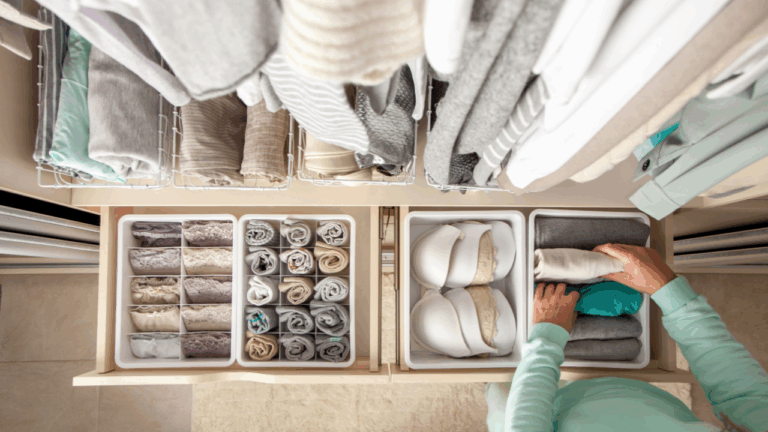
Visible clutter sends a constant signal of unfinished tasks to the brain, even when ignored. The Japanese habit of storing everyday items behind closed cabinets and inside drawers leaves surfaces clear.
A bare counter or an open tabletop reads as calm and complete to anyone who sees it. Hiding the working parts of daily life lets a room feel finished rather than mid-chaos.
This approach asks for a designated home for each object, which prevents the slow drift of things onto flat surfaces. Once everything has a place, returning items becomes quick and automatic.
The visual quiet that follows measurably lowers stress. A clear surface gives the eyes nowhere to snag, and that ease carries through the whole space.
A Lighter Way Forward
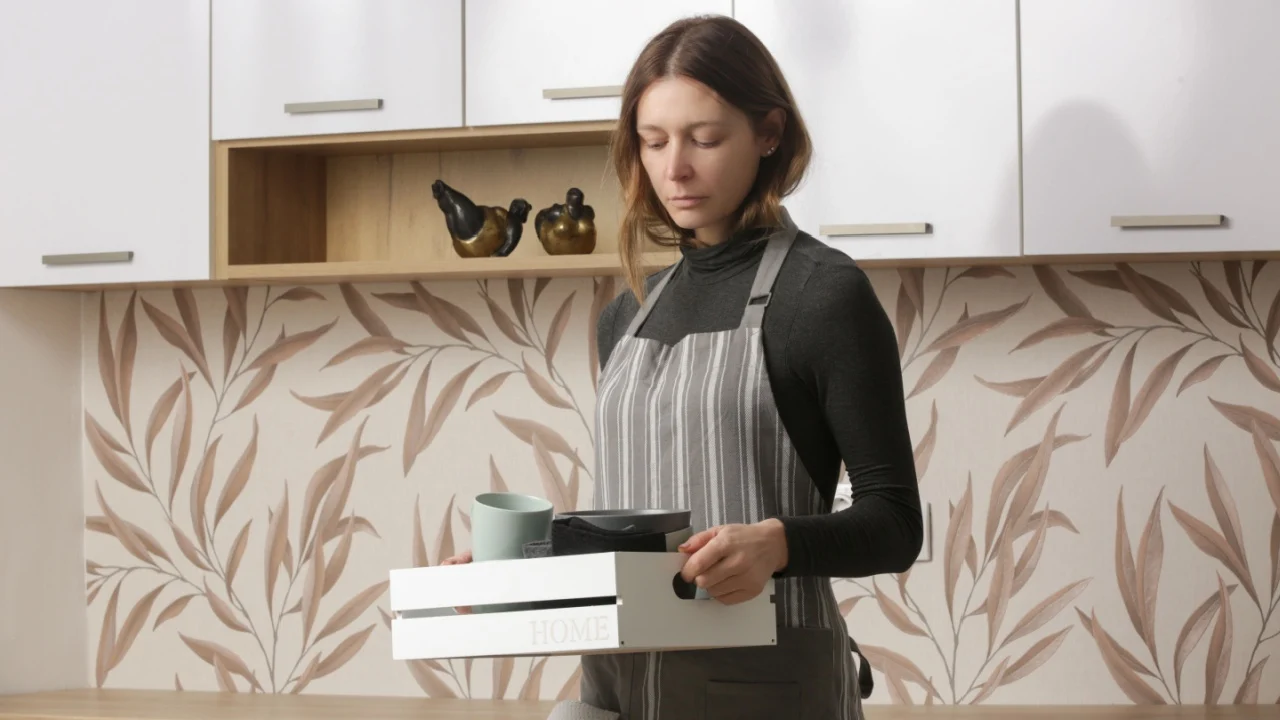
Objects should serve life rather than rule it. Adopting even a few of these Japanese rules changes the relationship between a person and their home in lasting ways.
The methods reward patience, since calm spaces grow from steady habits rather than a single frantic purge.
Real change shows up in the moments between cleanups, when a home stays manageable without constant effort. A space shaped by these principles asks for less upkeep and returns more peace.
Read More:
7 Best Methods for Decluttering That’ll Actually Stick, According to Experts
6 Reasons Marie Kondo’s Decluttering Method Doesn’t Work for Everyone, and What to Try Instead