7 Flower Seeds to Buy Once and They’ll Self-Seed Forever
A single packet of seeds can quietly turn into years of color. Some plants take care of their own future, dropping seed or spreading roots while the gardener does almost nothing. That kind of return on one small purchase is hard to beat.
One gardener, Figment Cottage Gardens on Facebook, notes that the trick lies in choosing flowers that either self-sow or multiply through simple division. These plants do the slow work of filling beds and borders on their own schedule.
Many of these blooms also feed pollinators, soften bare patches, and return stronger after a year or two in the ground. They suit a relaxed cottage-style backyard where a little wildness looks charming rather than messy.
Here are seven reliable flowers that reward a single buy with lasting results.
1. Bee Balm That Multiplies Fast
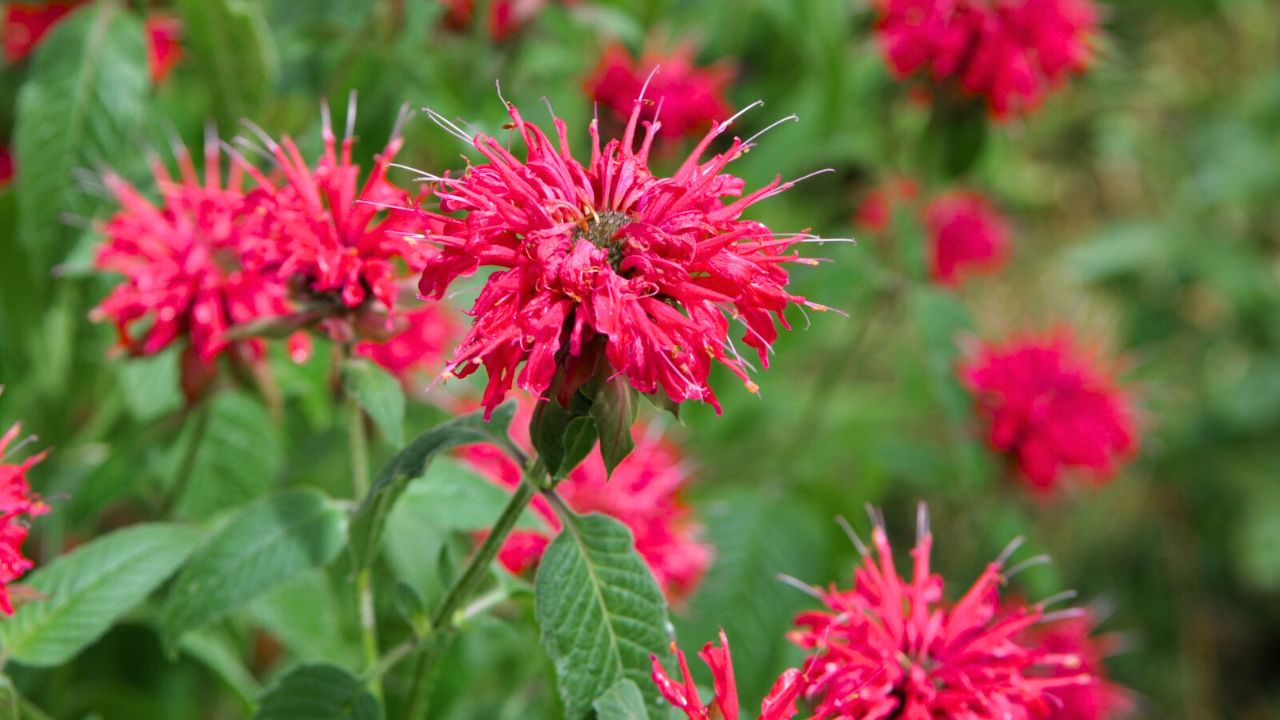
Bee balm grows in spreading clumps that practically beg to be split apart. In a single season, a strong plant can be dug up and divided into several smaller pieces, each ready to grow on its own.
The shaggy red, pink, or purple flowers draw hummingbirds, bees, and butterflies in steady numbers. Its leaves carry a minty scent that many gardeners enjoy brushing against.
Division works best in spring or early autumn when the plant has energy to spare. Lifting the clump and pulling it into rooted sections, then replanting right away, keeps each piece healthy.
Good airflow matters here, since crowded bee balm can develop powdery mildew on its foliage. Planting in a sunny spot with room to breathe helps the colors stay bright and the leaves clean.
2. Yarrow That Sows Its Own Seedlings
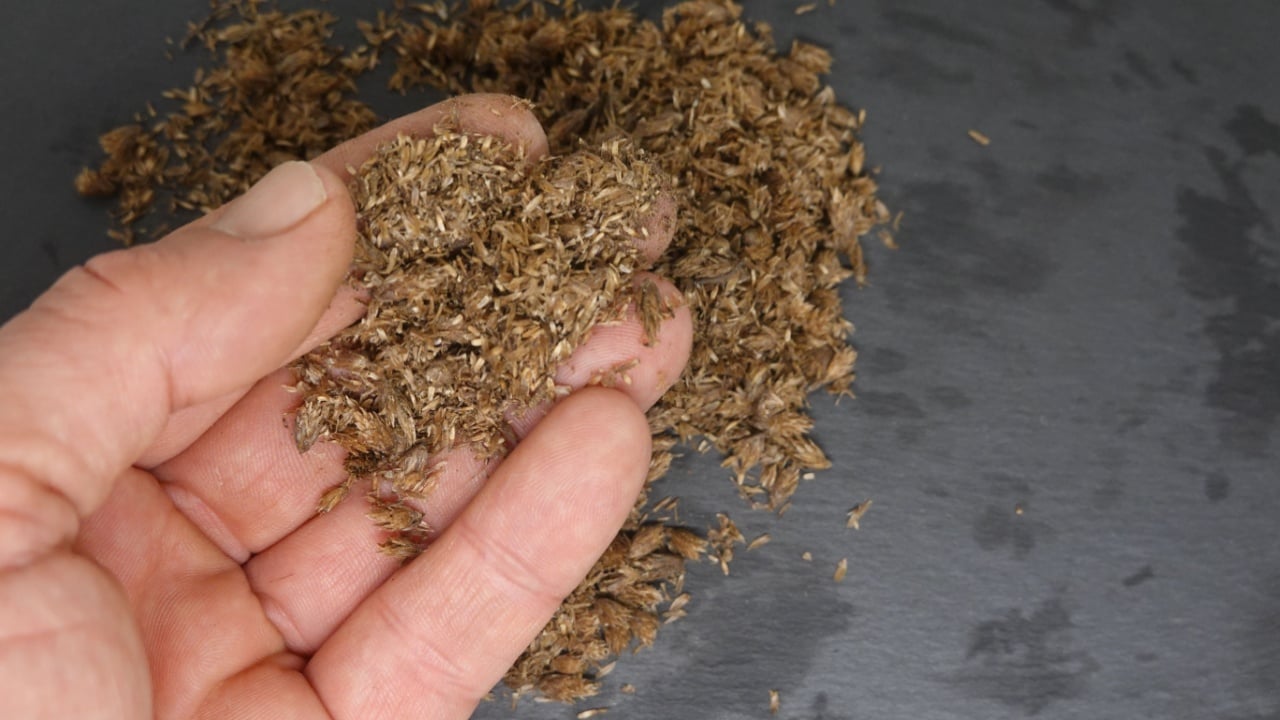
Yarrow spreads with little encouragement, dropping seed that turns into tiny plants all around the parent. A gardener who grows one variety often finds new seedlings scattered across the bed by the following season.
The flat flower heads come in white, yellow, pink, and deep red, and they hold their shape well when dried. Pollinators of every kind treat yarrow as a steady food source through summer.
This plant tolerates poor soil, drought, and heat that would stress fussier flowers. Those young seedlings transplant easily, so extras can be moved to fill gaps elsewhere in the yard.
Cutting back spent blooms can slow the spread for anyone who wants tighter control. Left alone, yarrow forms a generous patch that returns year after year without any cost.
3. Hollyhocks for Endless Self-Sown Spires
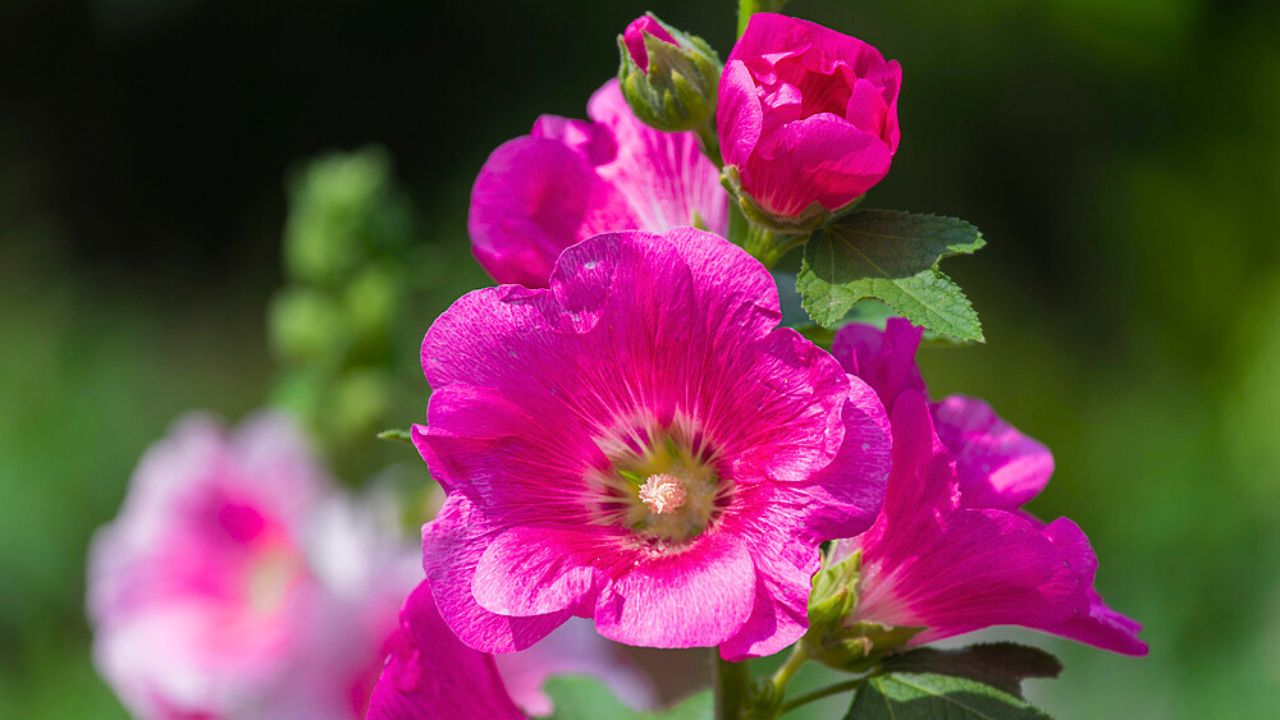
Hollyhocks reach tall and dramatic, sending up flower spikes that can top six feet in good soil. Allowing the plants to set seed at the end of the season creates a free supply for direct sowing the next spring.
The papery seeds drop near the base and sprout where they land, or a gardener can gather and scatter them by hand. Though often grown as biennials, a steady cycle of seedlings keeps blooms coming each year.
These flowers love a sunny wall or fence that shields them from strong winds. Rust disease is the most common issue, so removing affected lower leaves and watering at the soil line both help.
Sowing seed shallowly, pressed just under the surface, gives the best germination. A back-of-the-border spot suits their height and lets shorter plants fill the front.
4. Coreopsis for Quick Division
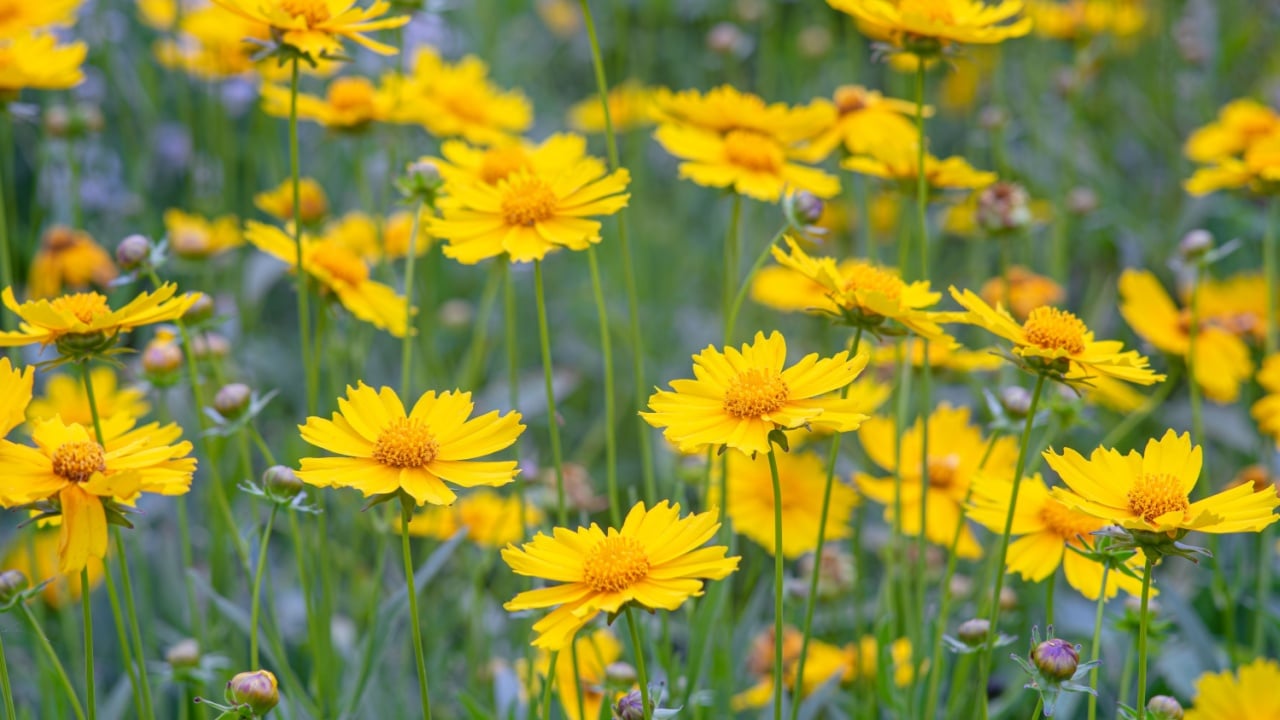
Coreopsis grows quickly and forms clumps that can be split in a single season. A gardener who lifts a mature plant and separates the roots into several pieces gains multiple new starts within months.
The cheerful yellow, orange, and red daisy-like blooms cover the plant from early summer into autumn. Bees and small butterflies visit constantly while the flowers last.
Regular removal of faded blooms pushes the plant to produce more, stretching the display for weeks. Coreopsis handles dry spells well once established, so it suits low-maintenance beds and borders.
Dividing every couple of years keeps the center of the clump from thinning out. Full sun and average soil are all this plant needs to put on a long, generous show.
5. Foxglove That Scatters Its Seed
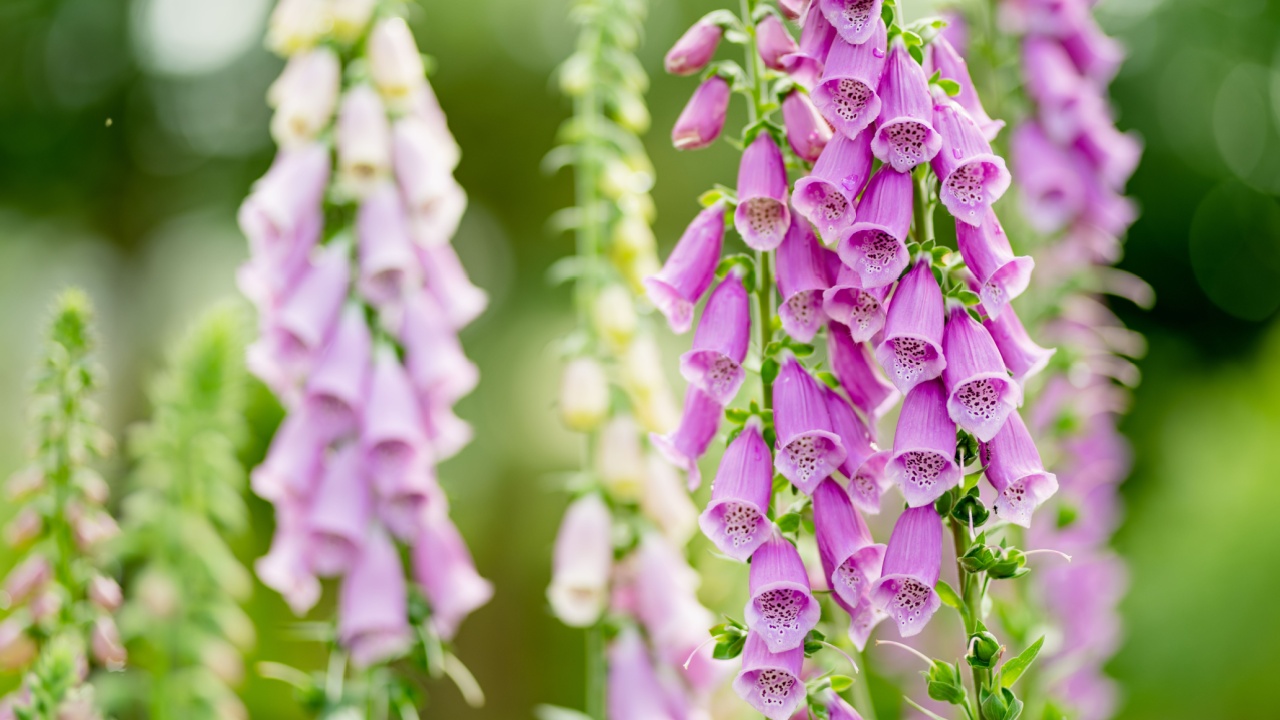
Foxglove produces tall spires lined with tubular flowers in pink, purple, white, and soft apricot. Allowing the plant to set seed lets it drop thousands of fine specks that sprout the following season.
A gardener can also shake the dried seed heads over bare ground to spread plants wherever blooms are wanted. As a biennial, foxglove flowers in its second year, so a fresh batch of seedlings each season keeps the cycle going.
These flowers prefer dappled shade and rich, moist soil, which makes them useful for spots where sun-lovers struggle. Bumblebees crawl right inside the tubular blooms, so the plant supports pollinators well.
Every part of foxglove is toxic if eaten, so gardeners with pets or young children should place it with care. Thinning crowded seedlings gives the remaining plants enough room to grow tall and full.
6. Verbena Bonariensis for Airy, Prolific Spread
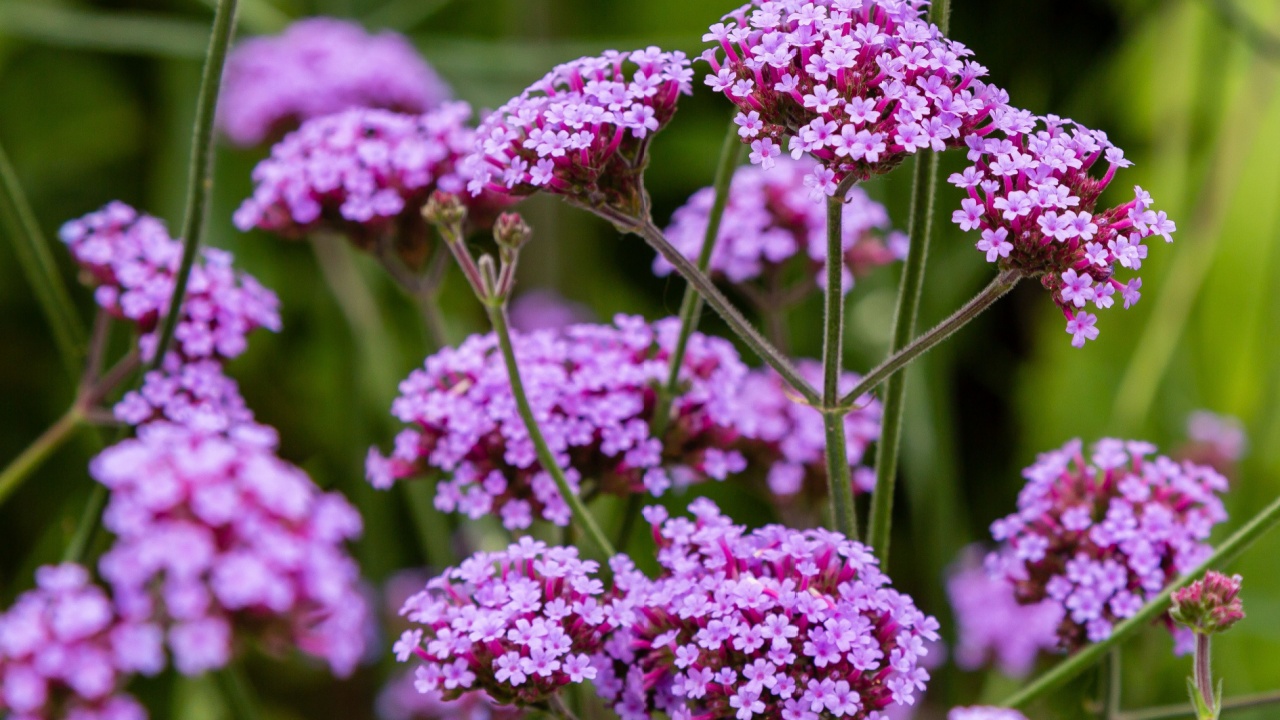
Verbena bonariensis sends up thin, branching stems topped with small clusters of purple flowers. This plant self-seeds with enthusiasm, often filling gaps throughout the garden by the next year.
Its see-through structure lets it weave among other plants without blocking the view behind it. Butterflies, in particular, find the flat purple clusters hard to resist.
The seedlings are easy to spot and simple to move while young, so spacing stays manageable. In colder regions this plant may act as an annual, yet its abundant seed keeps it returning all the same.
Leaving the stems standing through winter offers seed for birds and shelter for beneficial insects. A sunny position with free-draining soil produces the tallest, most floriferous plants.
7. Calendula for Cheerful Self-Sown Blooms
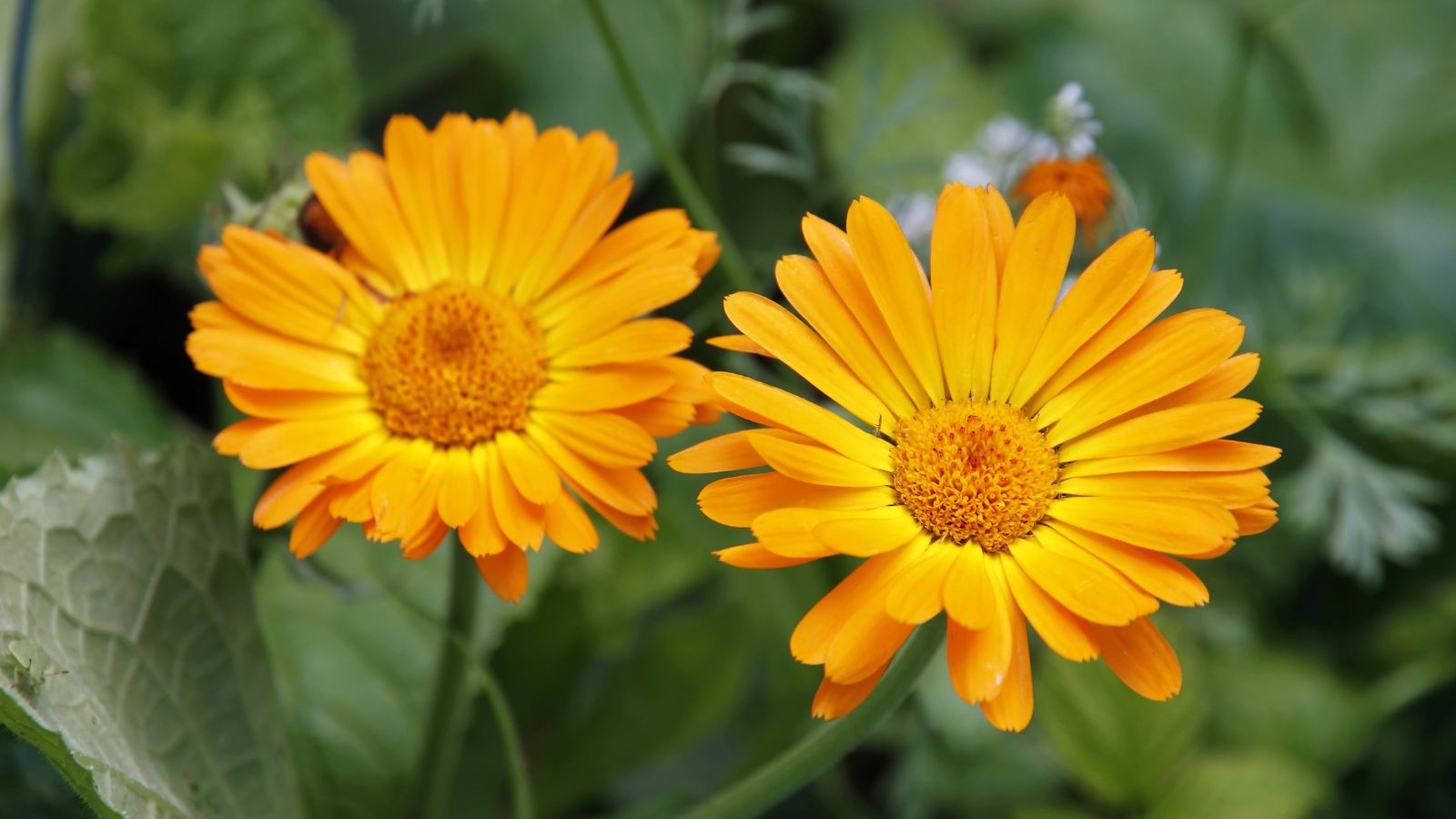
Calendula rounds out the list as a bright, dependable self-seeder that suits a relaxed backyard planting. The orange and yellow daisy-like flowers drop curved seeds that sprout readily wherever they fall. A gardener who lets a few blooms go to seed in late summer will see fresh plants appear the next spring. These flowers grow fast from seed and often bloom again in autumn after a midseason trim.
Calendula petals are edible and have long been used in skin balms and herbal teas. The plant copes with cool weather, so it stretches the flowering season at both ends. Regular harvest of the blooms keeps new buds forming and slows the seed drop for anyone wanting fewer volunteers. Poor to average soil and a sunny spot are enough to keep it happy.
A Smarter Way to Stock a Garden

By planning for self-seeding plants and easy division, a gardener can fill new beds, share extras with neighbors, and refresh tired corners without another trip to the store.
The plants also build a stronger backyard habitat, since most of them feed bees, butterflies, and birds across the seasons.
For the best results, a gardener can group these flowers by their light and water needs, placing shade-lovers like foxglove apart from sun-seekers like sedum and coreopsis.
Marking where seedlings tend to appear makes spring cleanup easier and prevents accidental weeding of young plants.
Read More:
8 Self-Seeding Vegetables That Regrow All on Their Own
20 Self-Seeding Flowers Worth Planting Once and Enjoying for Years