6 Veggies That Aren’t Worth Growing at Home
Every gardener dreams of a backyard packed with food that pays for itself. The reality looks a little different once certain plants take up space, soak up effort, and hand back almost nothing in return.
Some vegetables simply cost more to raise than they ever save. They demand tricky conditions, special timing, or huge growing areas, and the harvest barely fills a bowl. Others just aren’t what gardeners expected, yield too much produce that they don’t know what to do with, or stay so cheap at the store that homegrown versions never make financial sense.
Smart gardeners learn to spot these underperformers early. That way, prime bed space goes to crops that actually trim the grocery bill instead of crops that drain it.
Here are six vegetables that rarely earn their spot in a budget-minded garden, along with smarter ways to handle each one.
1. Celery
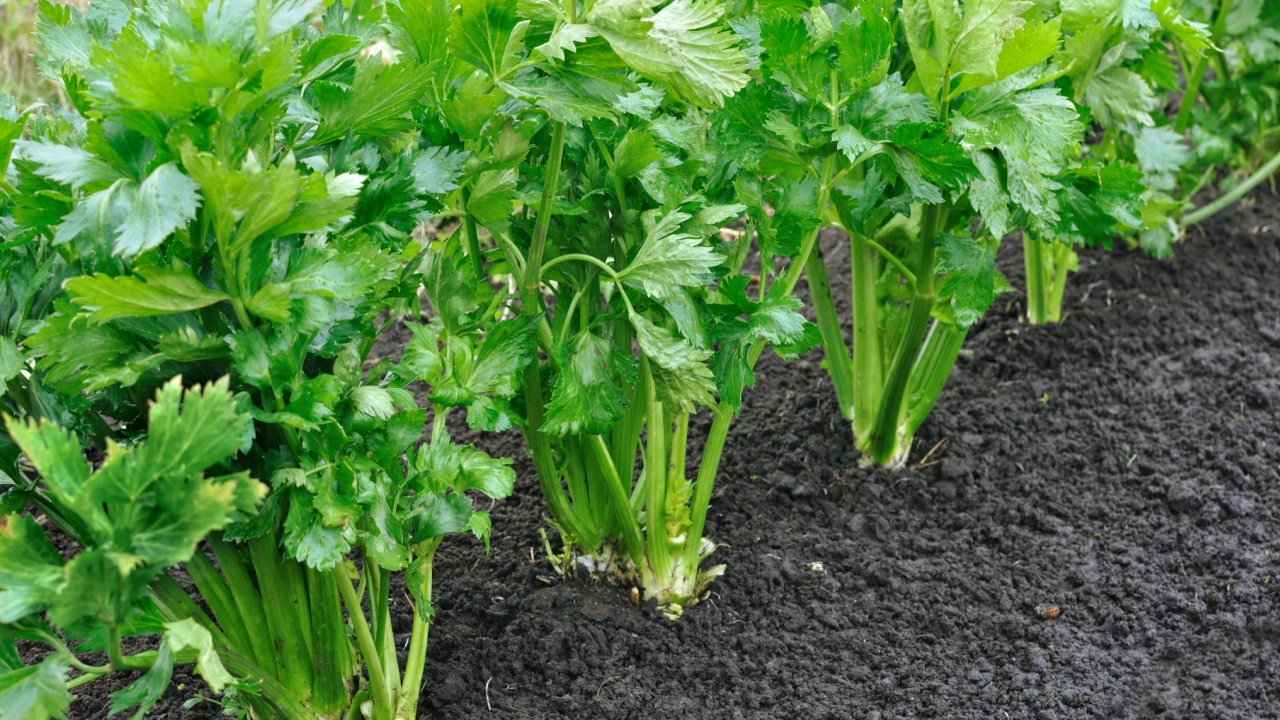
Celery ranks among the fussiest crops a home grower can attempt. The seeds germinate slowly and unevenly, and young seedlings react badly to even small temperature swings.
Stalks also need steady moisture and rich soil over a long season, so the time and water add up fast. After all that care, the payoff is a vegetable that already sits cheaply on most store shelves.
Flavor offers little reason to push through the trouble, since homegrown and store-bought stalks taste nearly identical. Gardeners who love the crunch can buy celery for a low price and skip months of babysitting.
Those set on growing something similar might try leaf celery or lovage, which deliver a comparable taste with far less fuss. Both shrug off heat better and forgive the occasional missed watering.
2. Jerusalem Artichokes
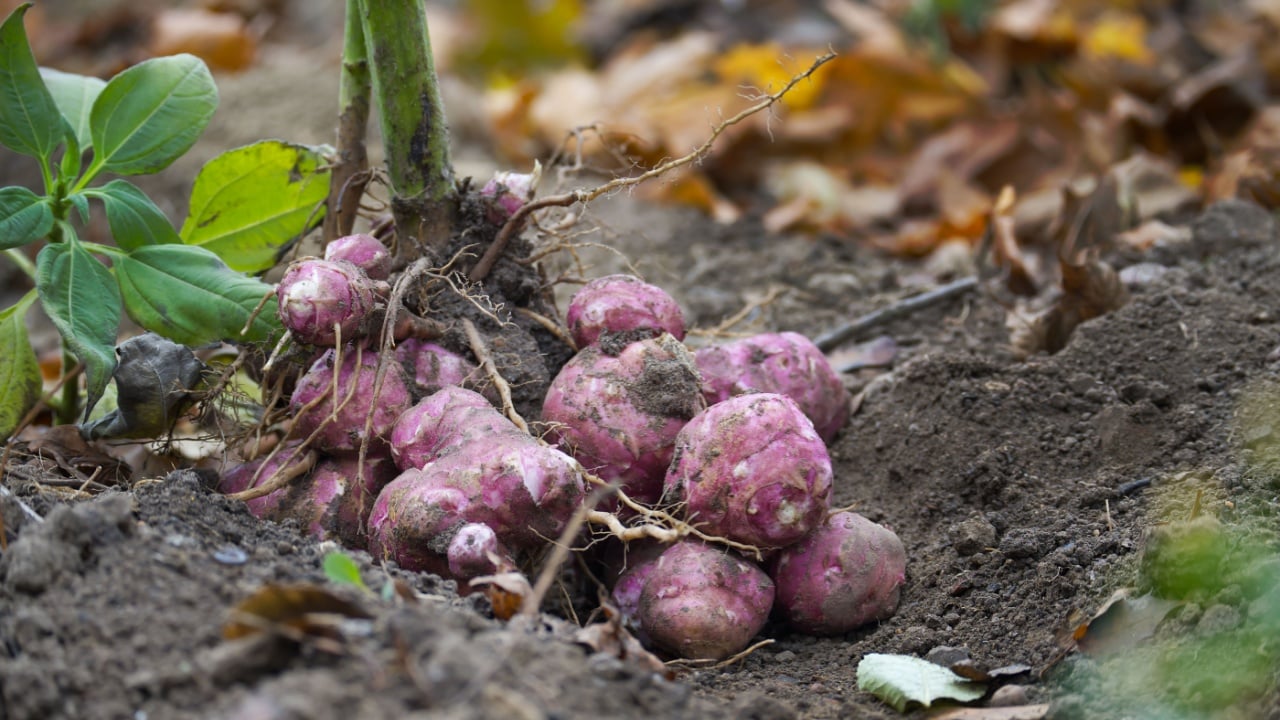
This one made the list for its invasiveness, not low yield.
Jerusalem artichokes, also called sunchokes, grow with almost no effort, which sounds great until harvest time. The tubers spread aggressively and can take over a bed within a single season.
Many people also struggle with the taste, since the flavor leans toward earthy and unusual. On top of that, the tubers can cause digestive discomfort that turns first-timers off quickly.
The bigger problem is what happens after the first crop. Leftover tubers sprout the next year again, so the plant returns whether anyone wants it or not. Gardeners hoping for a calorie-dense survival food might keep a small patch in a contained spot.
For everyone focused on flavor and easy meals, the garden bed serves better to be filled with potatoes or sweet potatoes instead.
3. Artichokes
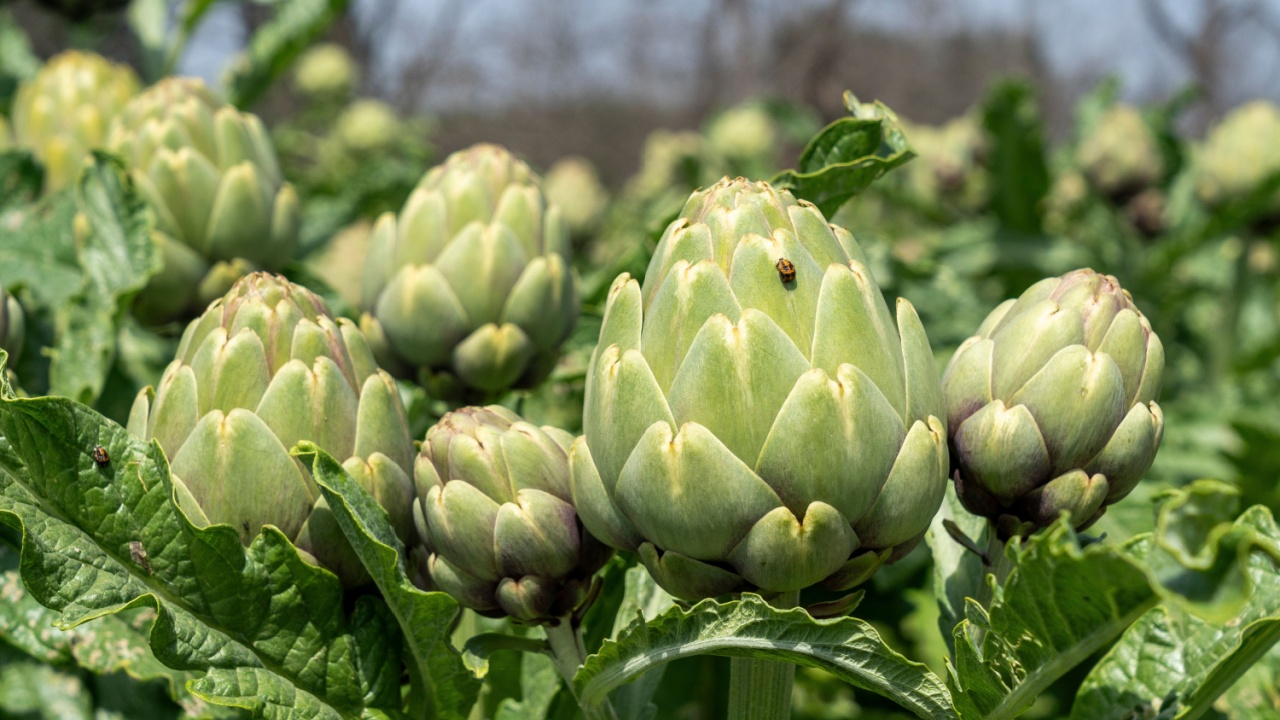
Artichokes look stunning in a garden, yet they make poor financial sense. Each plant can stretch up to five feet wide and tall, claiming a huge slice of growing space.
In return, a single plant produces only a handful of edible buds per season. That ratio of space to harvest leaves little room for other, more productive crops.
The plants also prefer mild climates and can take a full year before they bear anything worthwhile. Colder regions often need extra protection just to keep them alive through winter.
Fans of the buttery flavor usually come out ahead by hunting for deals at farmers’ markets during peak season. The savings on space alone often outweigh anything a backyard artichoke could provide.
4. Napa Cabbage
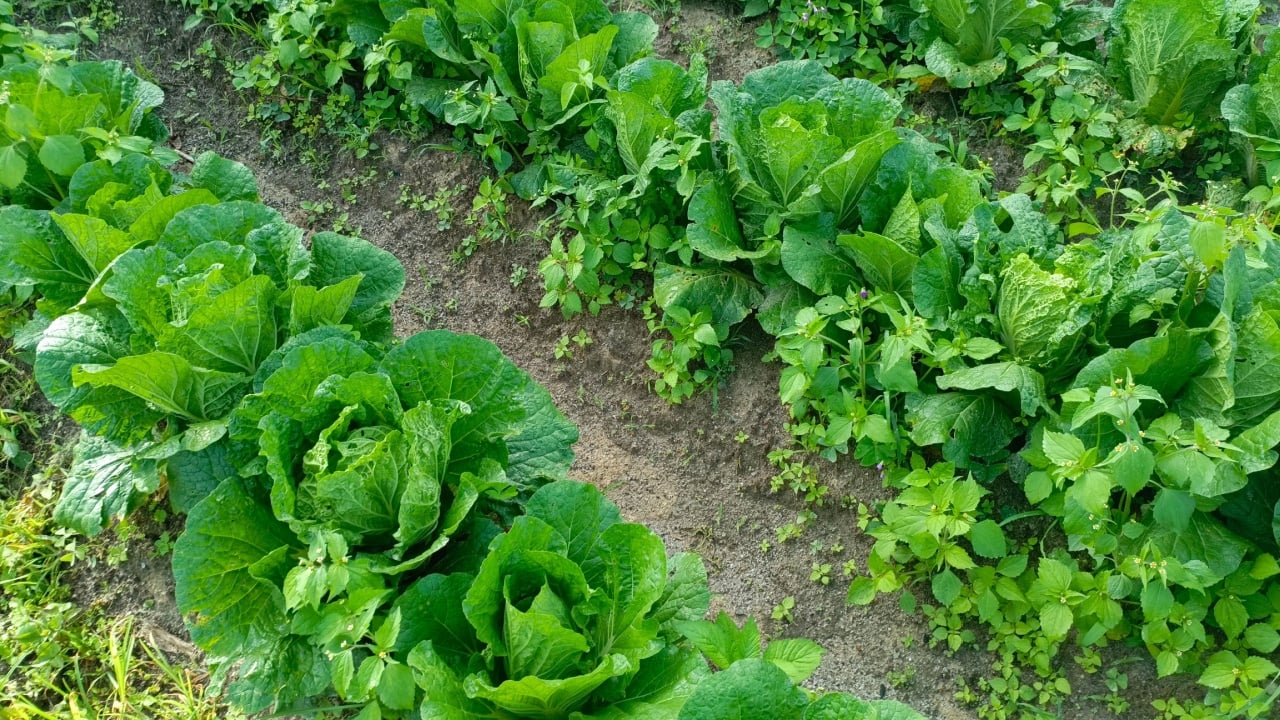
Napa cabbage tempts cooks with its sweet, juicy leaves, but pests adore it just as much. Earwigs, aphids, and cabbage worms swarm the tender heads and shred them within days.
Keeping the crop protected means constant scouting, netting, and sometimes repeated treatments. All that labor and expense quickly cancel out any grocery savings.
The heads also need cool weather and steady moisture to form properly, which narrows the planting window. A sudden warm spell can cause bolting before a single head matures.
Cooks who rely on napa for kimchi or stir-fries often find better value buying it fresh in season. Gardeners who still crave homegrown greens get more reliable results from bok choy or mustard greens, which mature faster and resist pests slightly better.
5. Edamame
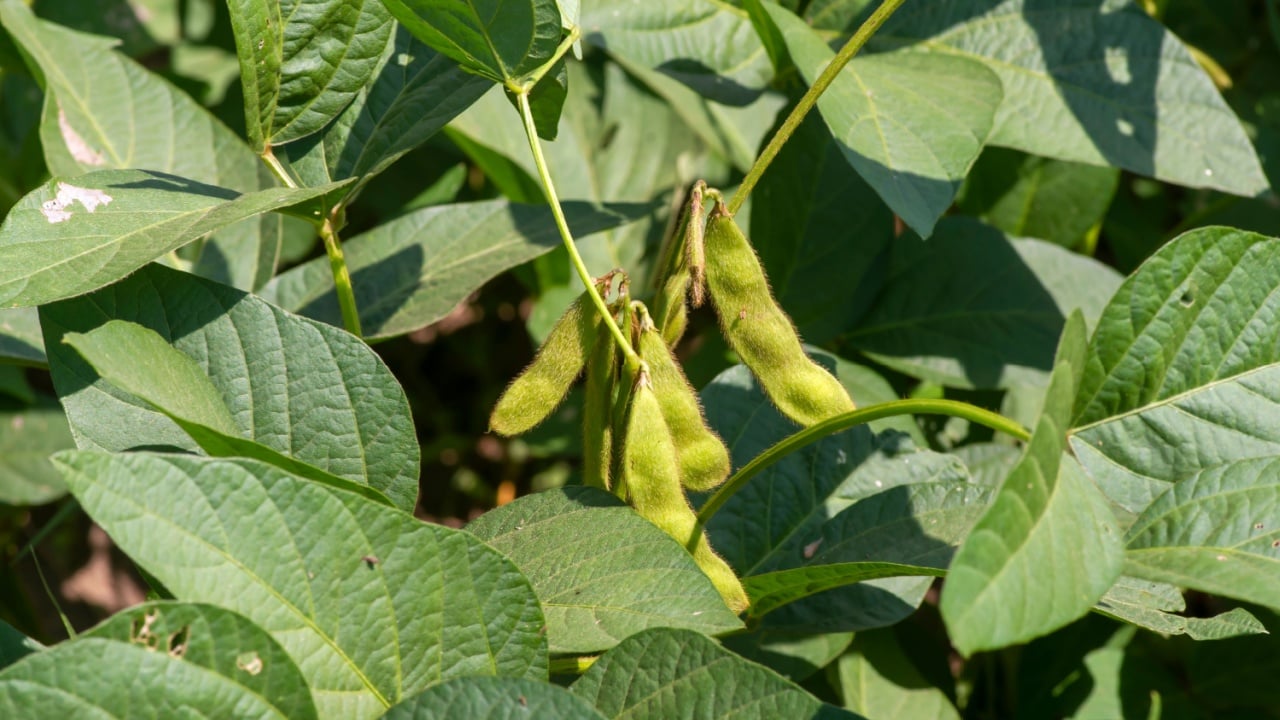
Edamame plants ask for a lot and give back surprisingly little. Each plant yields only a few handfuls of pods, often just enough for one or two servings.
To fill a freezer, a gardener would need a sprawling patch that crowds out higher-value crops. The math rarely favors the home grower once space gets factored in.
These soybeans also demand a long stretch of warm weather, often eighty days or more before the pods fill out. Cooler climates struggle to ripen a worthwhile crop at all.
Frozen edamame stays cheap and widely available year-round, so the store wins on both cost and convenience. Gardeners craving fresh-picked legumes get far more reward from bush beans or snap peas in the same footprint.
6. Rhubarb
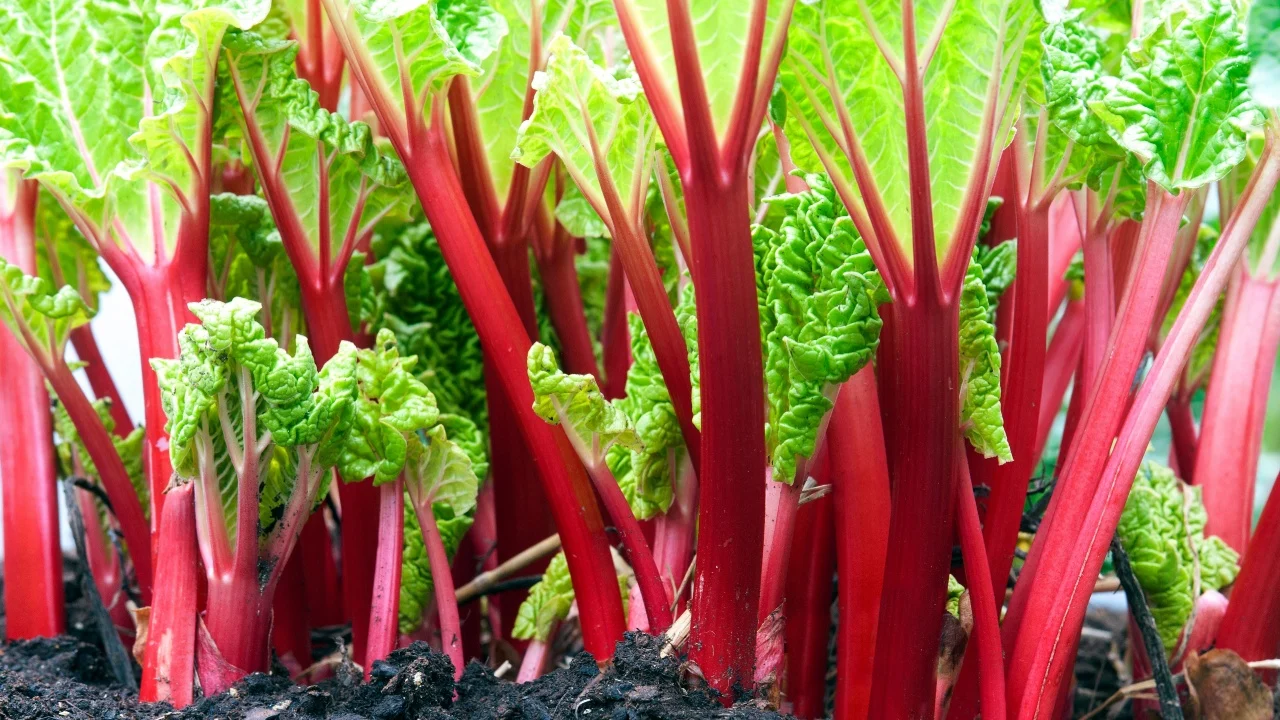
Rhubarb earns a spot on this list mostly because of how few uses it offers. The tart stalks mainly show up in pies, jams, and the occasional sauce, which limits how often a household actually eats them.
Meanwhile, an established crown spreads wide and occupies a permanent corner of the garden for years. That long-term commitment buys a fairly narrow range of meals.
The plant also performs best in cold-winter regions and sulks in warmer zones, where it may barely survive. Gardeners in mild climates often fight an uphill battle for a few thin stalks.
Anyone who enjoys a rhubarb dessert now and then can buy a bundle each spring for very little. That approach frees up valuable ground for crops that show up on the dinner table far more often.
The Smarter Garden Plan
Choosing what to skip matters just as much as choosing what to plant. Every bed has a cost in soil, water, and attention, so each crop should pull its weight against the grocery price it replaces.
The six vegetables above tend to fail that test, either through stingy harvests, heavy upkeep, or low store prices that homegrown versions cannot beat.
A quick rule helps with future decisions. Before any seed goes in the ground, a gardener can compare the expected harvest, the space required, and the cost of the same item at the market.
Crops that score high on yield and high on store price deserve the prime spots. The ones that limp along at the bottom belong on the shopping list.