14 Ways to Dog-Proof Your Space (Inside and Out)
Welcoming a dog into the home is one of life’s greatest joys. It also means preparing the house for a four-legged friend who sees the world through its nose and mouth. This natural curiosity can lead to some sticky situations and potential dangers, from chewing on electrical cords to sampling a not-so-dog-friendly houseplant.
Many emergency vet visits are due to preventable accidents that happen right at home. Veterinarians often treat dogs for eating something they should not have or getting hurt in ways their owners never imagined. By taking a few preventative measures, pet owners can create a safer (and cozier) environment for their furry companions.
Dog-proofing a home means seeing it from a completely different angle, specifically a dog ‘s-eye view. Getting down on the floor reveals a world of temptation and hazards that are normally overlooked. Suddenly, those dangling cords and small objects on the floor look like prime chew toys.
Here are fourteen practical ways to transform any home into a secure haven for a dog.
1. Establish No-Go Zones
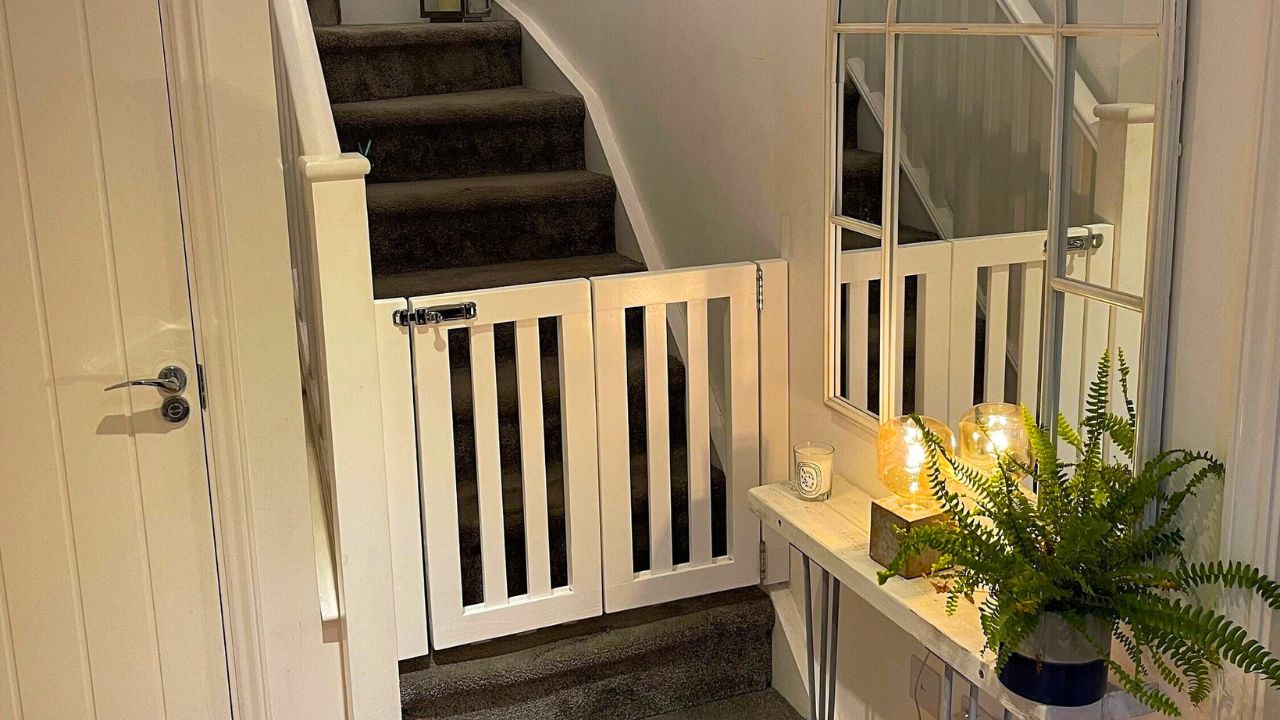
Keeping your dog out of certain rooms protects them from dangers like sharp tools or expensive electronics. Rooms like home offices or workshops are full of things dogs might chew or trip over. Blocking these spaces means you do not have to watch your pet every single second.
Sturdy pet gates are perfect for blocking doorways or stairs without cutting off airflow or light. Keeping these barriers closed saves your important paperwork and fragile items from turning into chew toys.
- Quick Block: Close doors or use gates for rooms like the kitchen during cooking time.
- Gate Types: Use wall-mounted gates for strong dogs and pressure gates for small pets.
- Pro Tip: Be consistent. Keeping gates closed teaches your dog which areas are off-limits.
2. Place Down Pee Pads
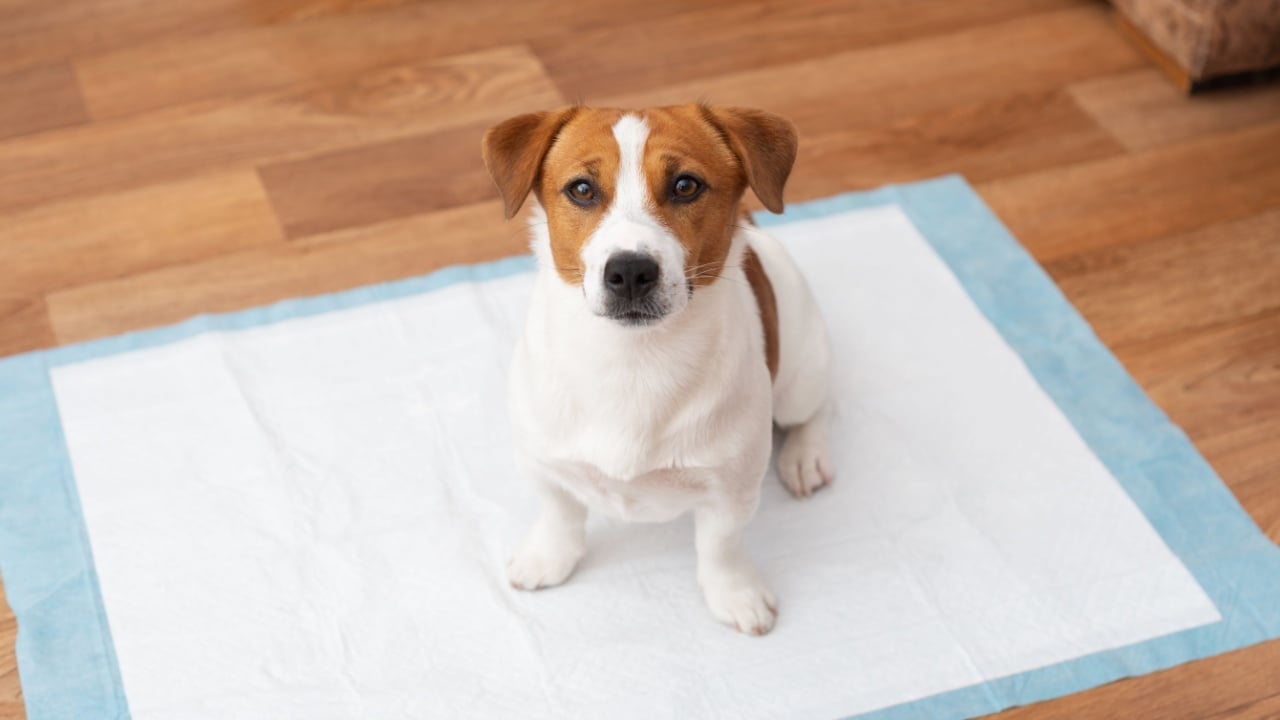
Indoor bathroom spots are highly helpful for training puppies, caring for old dogs, or times when you cannot go outside. Good pee pads have a plastic bottom layer that stops puddles and bad smells from ruining your floors. Having a set indoor spot reduces stress for dogs that cannot hold it until their next walk.
Put these pads in a quiet corner away from where your dog eats and sleeps so they have some privacy. Many modern pads use special charcoal layers to instantly lock in liquid and destroy bad odors. To train your dog to use them, always give them a treat or praise the moment they use the pad correctly.
- Best Spot: Choose a quiet, low-traffic corner far away from food and water bowls.
- Grass Option: Try a plastic grass patch with a tray underneath as a step toward outdoor training.
- Pro Tip: Change pads often and put a washable mat underneath to catch any spills.
3. Install a Pet Door

A pet door lets your dog go out into a fenced yard whenever they need to use the bathroom or burn off energy. This independence stops dogs from getting bored, which prevents them from chewing furniture or barking at windows. It is a lifesaver for busy owners who work long hours away from home.
Smart electronic pet doors offer extra security by reading a microchip or a special tag on your dog’s collar. This keeps stray cats or wild animals out while letting your own pet pass through easily. Many of these doors connect to a phone app so you can lock them automatically at night or during heavy rain.
- Yard Check: Make sure your yard is fully fenced and safe before installing the door.
- Practice: Help your dog practice using the flap at first by using treats to coax them through.
- Pro Tip: Check the door’s weather stripping often to keep winter drafts out of your house.
4. Remove Toxic or Dangerous Items
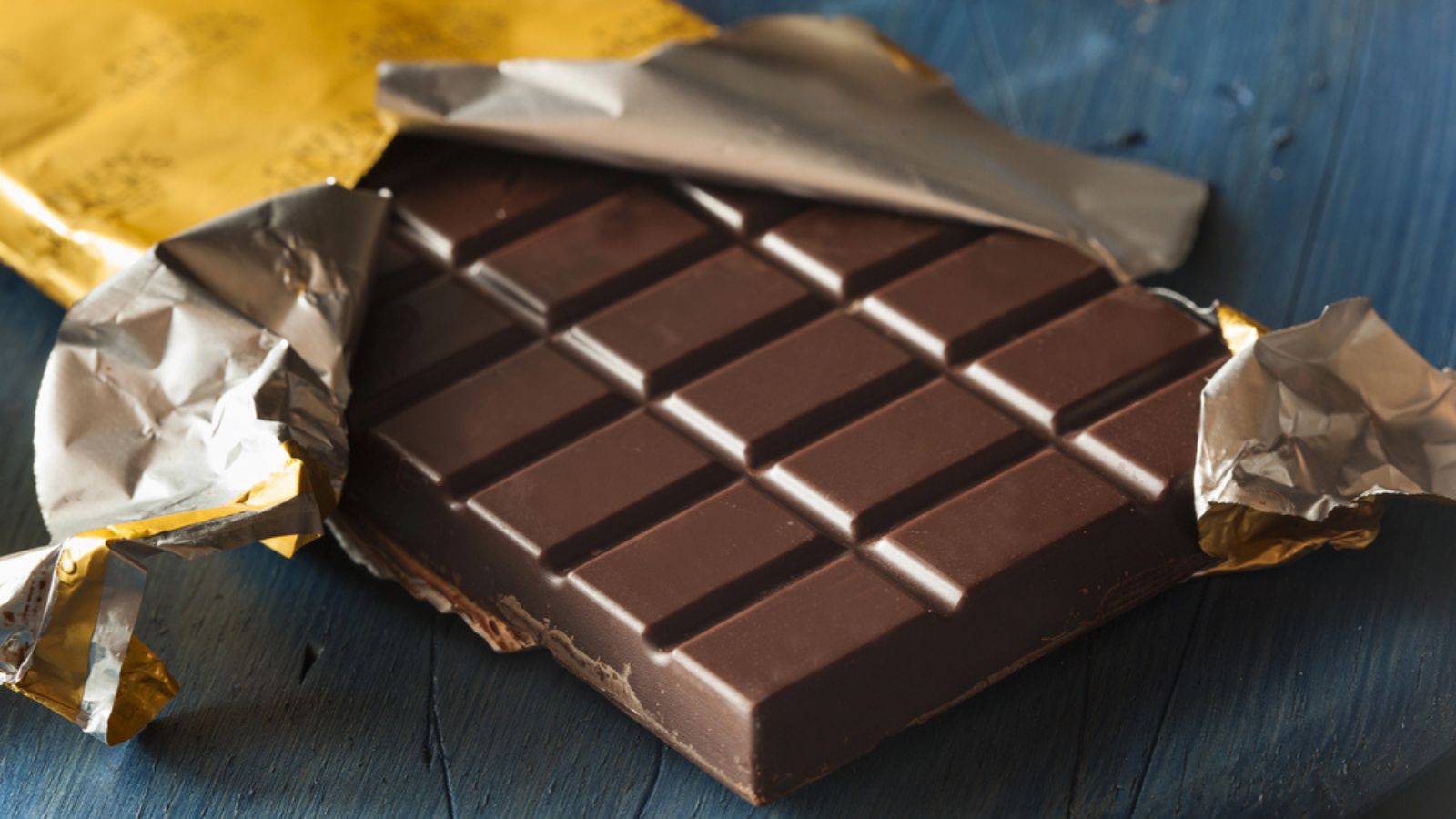
Kitchen counters and low cabinets often hold foods and cleaners that can make your dog incredibly sick. Common foods like chocolate, grapes, onions, raisins, and sugar-free gum (which has a sweetener called xylitol) are highly poisonous to dogs. Keeping counters clean stops your dog from jumping up and stealing a dangerous snack.
Store all medicines, vitamins, and first-aid items in high cabinets, never on nightstands or low tables. Dogs can easily chew through plastic pill bottles in seconds, leading to a dangerous overdose. Clean up any kitchen spills immediately and store your food in airtight containers inside heavy pantries.
- Bad Foods: Keep chocolate, grapes, onions, garlic, and sugar-free items completely out of reach.
- Safe Storage: Put all pills, chemicals, and cleaners in high cabinets that your dog cannot reach.
- Pro Tip: Clean counters right after eating and put leftovers away in the fridge immediately.
5. Get a Trash Can Lid
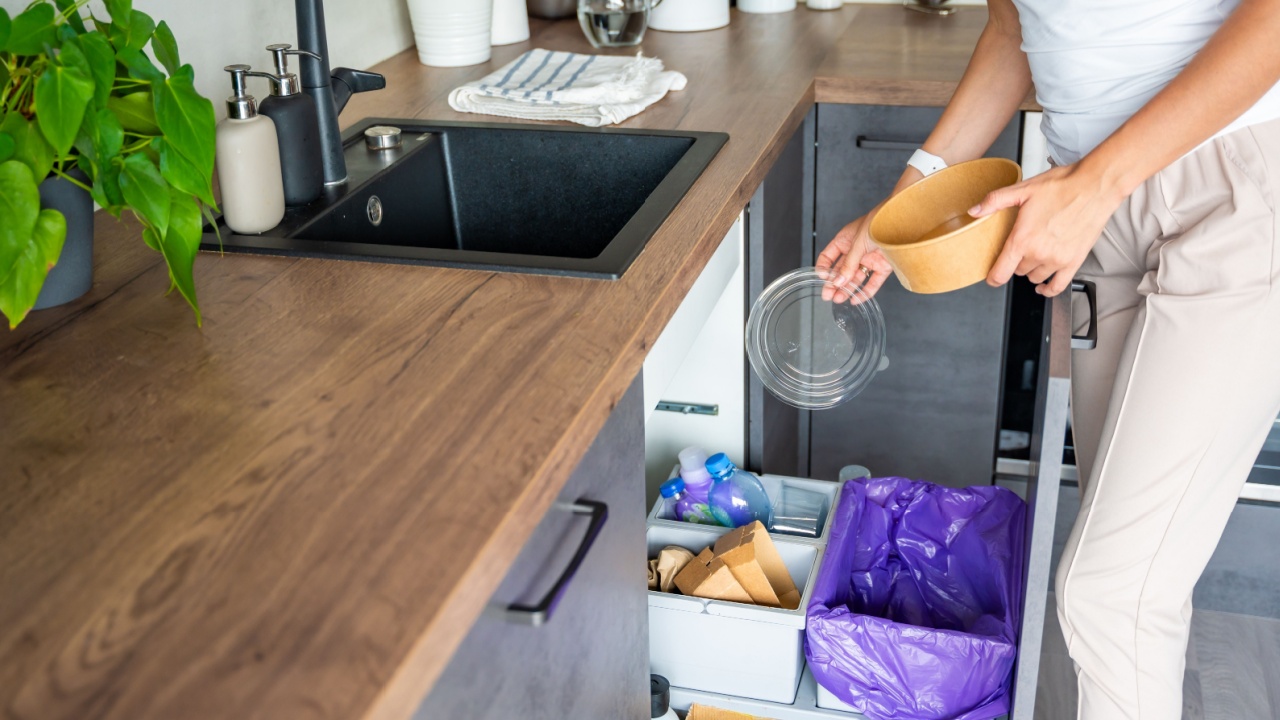
Garbage cans smell amazing to dogs, but they hold dangerous things like sharp bones, plastic wrap, and chemical waste. Swallowing plastic or wrappers can block a dog’s stomach, while old food can give them severe food poisoning. An open trash can is an easy target if your dog is left alone.
For the best protection, hide the trash can inside a cabinet under the sink and add a child-proof latch. This completely hides the smell and sight of trash from your curious pet.
- Locking Cans: Switch to heavy metal cans with lids that latch shut automatically.
- Hide It: Keep your trash inside a latched cabinet under the sink whenever possible.
- Pro Tip: Take out food scraps every day so the smell does not tempt your dog.
6. Don’t Leave Small Objects Unsupervised
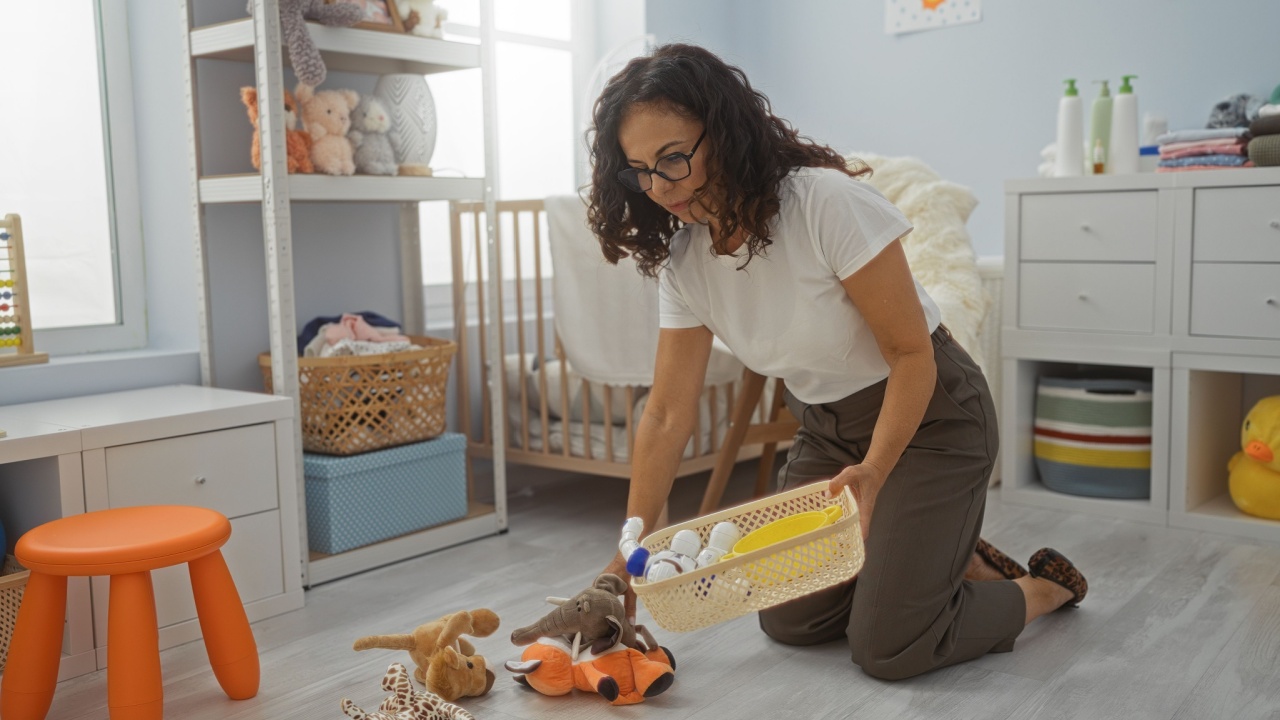
Kids’ toys, hair ties, coins, screws, and sewing kits are major choking hazards for curious dogs. Small items left on the floor or coffee tables are easily swallowed and can require emergency surgery to remove.
Shiny or rubbery things like hair bands are extra tempting but highly dangerous for a dog’s stomach. Make a rule to pick up small items and put them away in high bins the moment you are done using them.
- Floor Check: Scan rugs and couch cracks daily for loose items like coins or hair ties.
- Kid Toys: Teach children to put away small toy sets and blocks as soon as they finish playing.
- Pro Tip: Use heavy storage bins with tight lids that your dog cannot bite open.
7. Use Child-Proof Locks
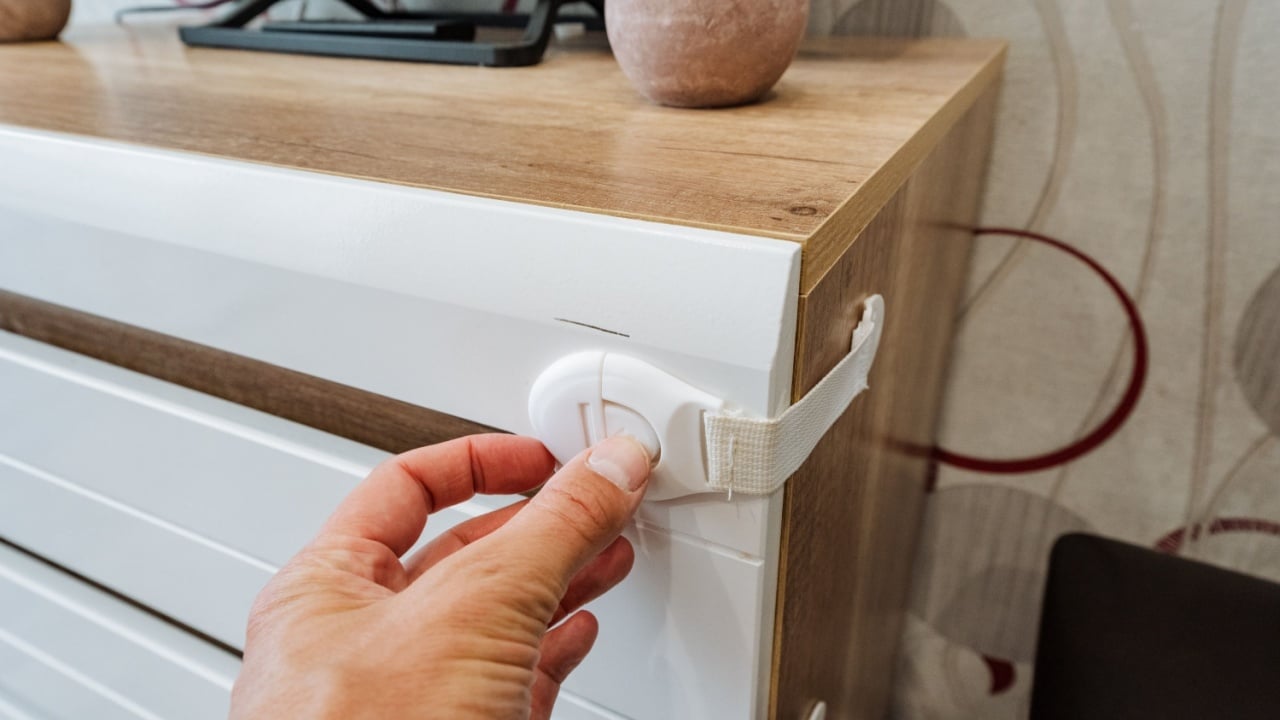
Smart dogs can easily learn how to use their paws or noses to push open low cabinets and drawers. This gives them direct access to dangerous cleaning chemicals, trash, or food bags. Standard cabinet doors that open with a simple tug are not enough to keep a hungry dog out.
Install magnetic or sliding child safety locks on all low cabinets in the kitchen, bathroom, and laundry room. Magnetic locks are completely hidden on the outside and need a special key to open, stopping even the smartest dogs.
- Where to Use: Lock all low cabinets where you keep soaps, sprays, and chemicals.
- Appliances: Use latches on dishwashers, washing machines, and dryers to keep dogs out.
- Pro Tip: Get into the habit of checking that every cabinet door snaps shut when you close it.
8. Keep Windows and Doors Closed
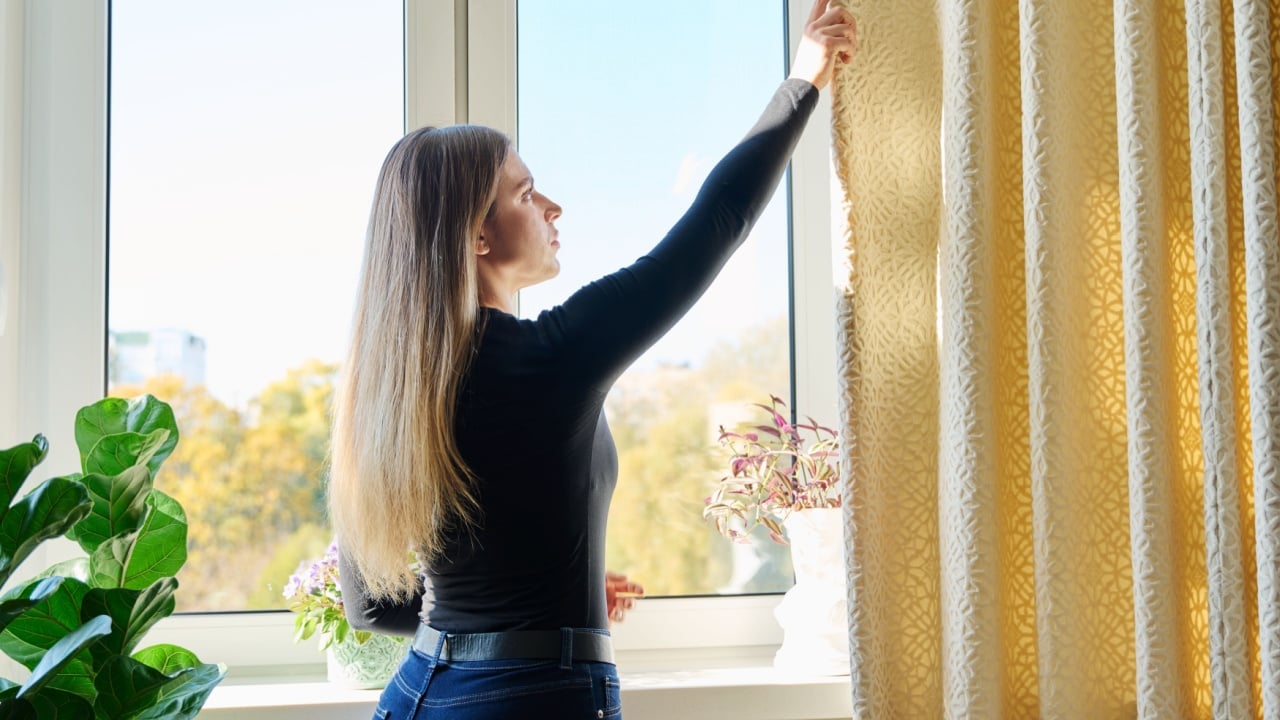
Open doors and windows are an open invitation for your dog to run away or fall out. A sudden noise outside, like a passing dog or a delivery truck, can scare your dog or make them bolt. Low windows with weak screens are easy for a large dog to pop right through.
Put self-closing hinges on outside doors so they swing shut automatically behind you. Swap out standard window screens for heavy-duty pet screens, which are made of strong mesh that won’t tear under sharp claws. Keep bathroom doors shut so dogs don’t drink from the toilet or dig in the small wastebasket.
- Window Stops: Use window limiters so windows can only open a few inches.
- Strong Mesh: Upgrade to tough pet screens that can handle paw pressure without breaking.
- Pro Tip: Check that all doors and windows are locked tight every time you leave the house.
9. Use a Fireplace Screen
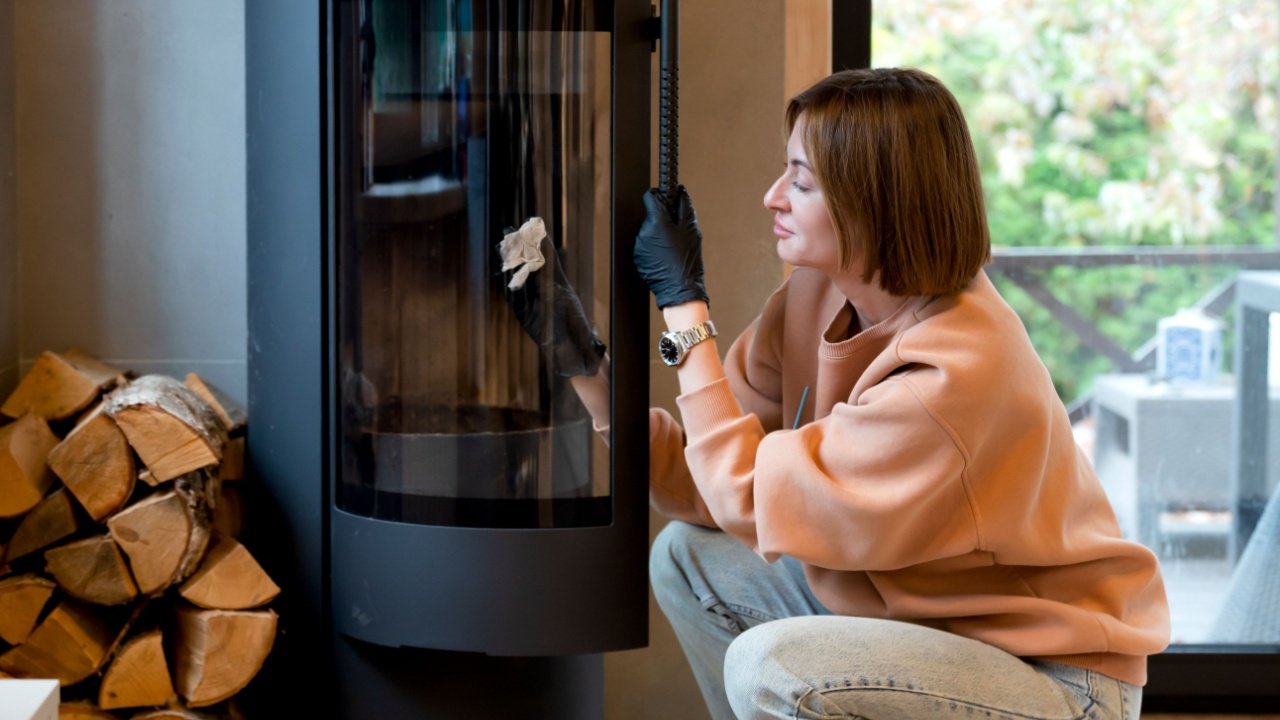
Open fireplaces carry a big risk of burns from flying sparks, hot soot, and scorching metal or glass surfaces. Dogs love warmth and will often sit too close to the fire, which can singe their fur or burn their skin. Leftover ash and charcoal can also poison your dog if they lick or eat it.
Put a heavy, three-panel mesh screen right up against your fireplace opening to completely block access.
- Heavy Screens: Use a solid, heavy mesh guard that stands firmly on its own.
- Gas Fireplaces: Add a guard to the glass front to prevent severe nose and paw burns.
- Pro Tip: Clean out cool ashes quickly and never leave your dog alone with a burning fire.
10. Check Your Plants
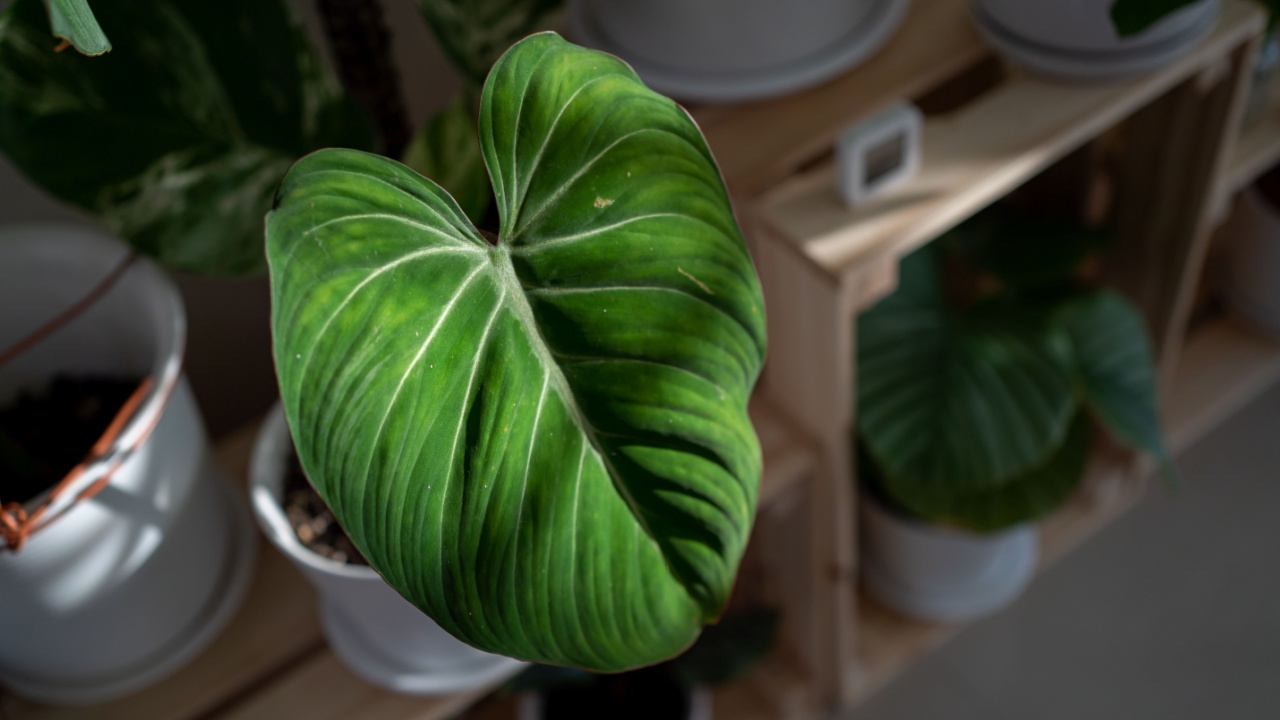
Many popular house plants and yard plants are highly poisonous if your dog chews or swallows them. Varieties like Lilies, Sago Palms, Philodendrons, and English Ivy can cause kidney failure or death. Knowing exactly what kinds of plants you have is a must for keeping your pet safe.
Move all dangerous plants up to high shelves, ceiling hangers, or rooms your dog cannot enter. Always look up a plant online to make sure it is safe before bringing it home.
- Bad Plants: Keep Sago Palms, Lilies, and Ivy completely away from your dog.
- Safe Choices: Decorate with harmless plants like Spider Plants or Boston Ferns instead.
- Pro Tip: Check your yard often for wild mushrooms and moldy mulch piles, which can cause seizures.
11. Protect Your Furniture
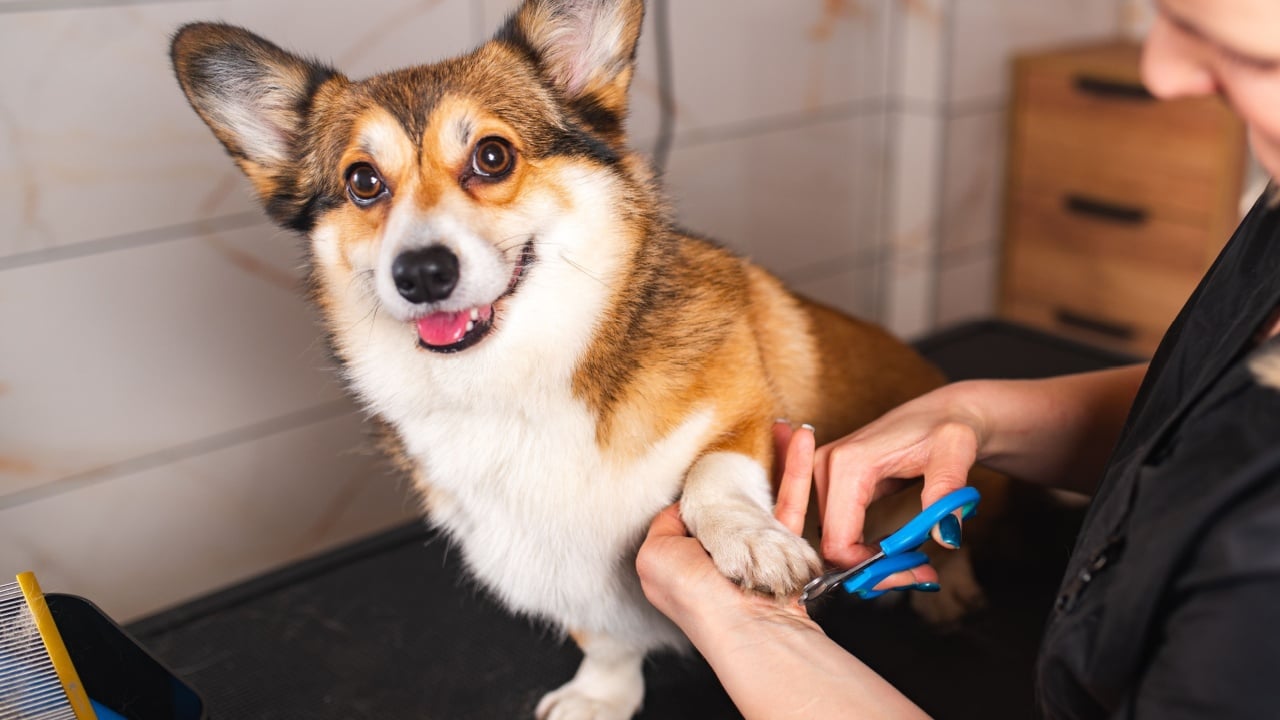
Sharp claws, teething teeth, and wet fur can quickly ruin expensive couches and wooden table legs. Teething puppies and bored adult dogs often chew on wood or scratch fabric corners to burn off energy. Woven fabrics also trap loose fur, dirt, and dander, making them very hard to clean.
Wrap exposed wooden legs with tough rope or spray them with a bitter-tasting pet spray to stop chewing. Throw a washable blanket or furniture cover over your dog’s favorite sleeping spot to catch dirt.
- Chew Spray: Use bitter apple spray on wooden furniture legs to discourage chewing.
- Smart Fabrics: Choose microfiber or leather couches that resist scratches and are easy to clean.
- Pro Tip: Keep your dog’s nails trimmed and give them plenty of chew toys to keep them busy.
12. Secure Your Backyard
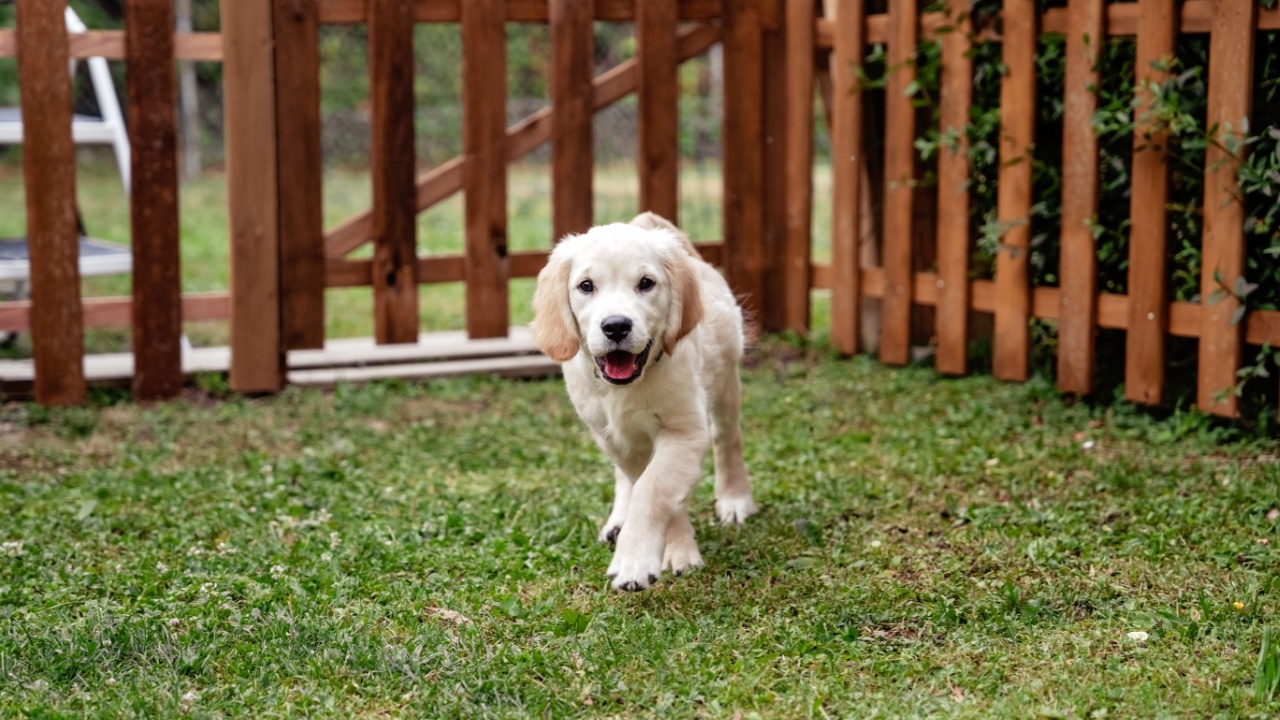
Outdoor yards need regular checks to prevent escapes, injuries, or encounters with outside dangers. Check your fence line often for loose boards, rusted wire, or gaps near the dirt where a dog could dig its way out. Even small gaps can trap a curious dog’s head or body.
Bury chicken wire or line the bottom of your fence with heavy landscaping stones to stop dogs that love to dig. Check that your gate latches smoothly and use a padlock or a clip to stop the wind, or a smart dog from opening it. Fence off garden sheds, compost piles, and sharp tools separately.
- Dig Blocking: Put heavy stones or buried wire along the bottom of your fence line.
- Gate Lock: Use a clip or lock on your gate latch so it cannot be jiggled open.
- Pro Tip: Never use chemical weed killers where your dog plays; choose pet-safe organic brands.
13. Organize Loose Cables and Wires
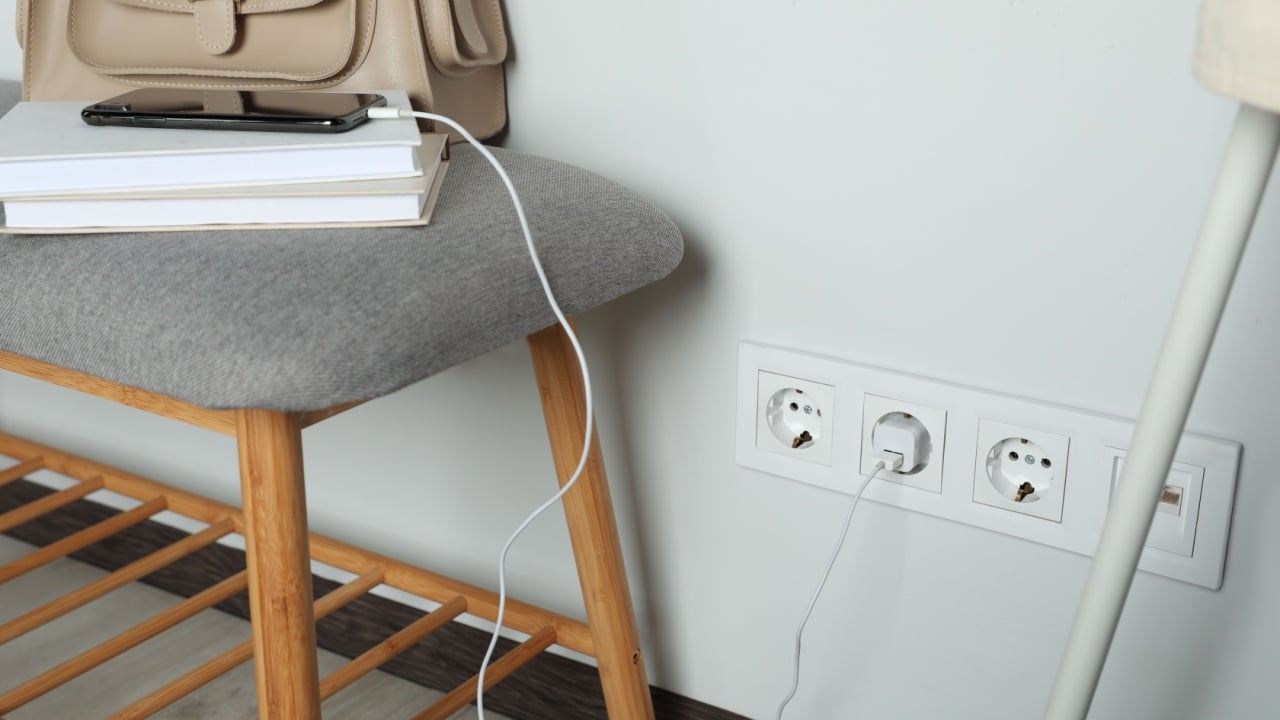
Exposed electrical cords are a major temptation for dogs to chew, which can cause terrible mouth burns, shocks, or house fires. TV setups, home offices, and bedside phone chargers are packed with dangerous wires. Puppies find the chewy, rubbery feel of cords extra comforting when they are teething.
Hide loose wires inside plastic cord tubes or cover tracks that stick directly to your baseboards. Group cords together in zippered sleeves and lift them off the floor using sticky clips hidden behind your furniture. Unplug temporary charging cables when you are done using them and hide them in a drawer.
- Wire Covers: Slide loose wires into plastic tubes or mount them flat against the wall.
- Block the Outlet: Push heavy furniture like bookshelves in front of power strips to hide them.
- Pro Tip: Unplug phone chargers when not in use and check cords weekly for teeth marks.
14. Secure Heavy Furniture and Electronics
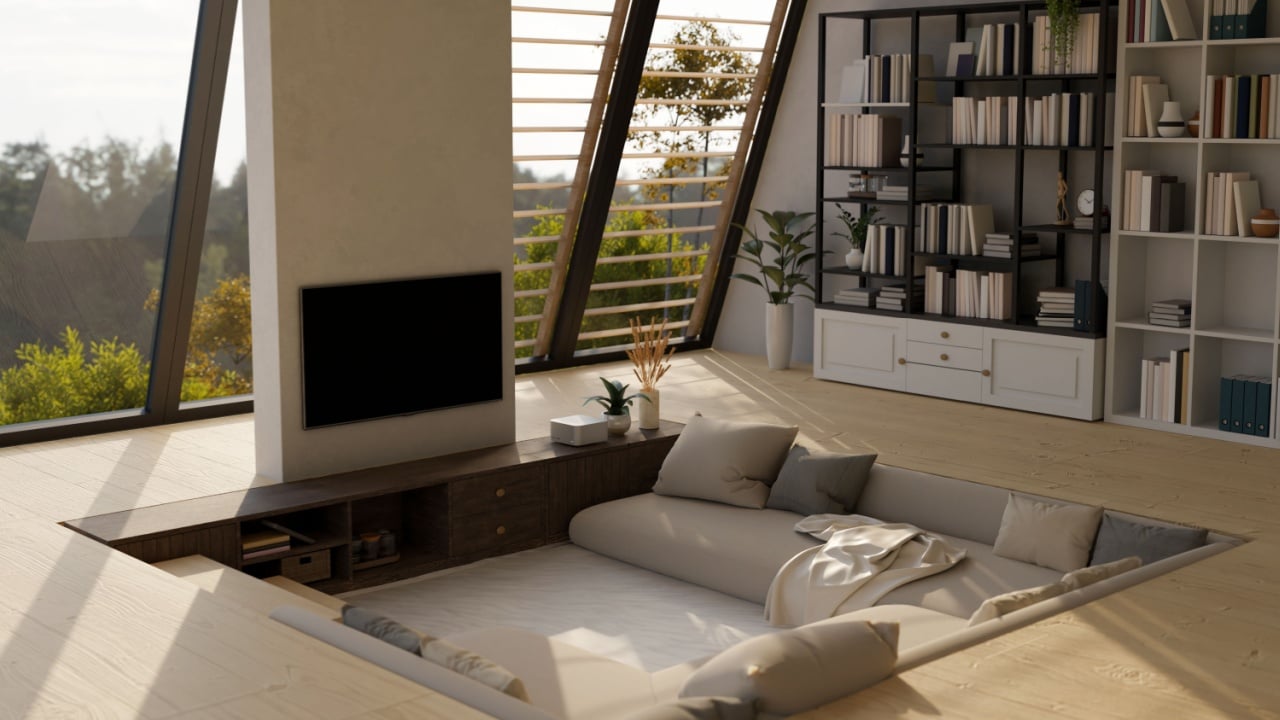
Top-heavy furniture, large TVs, and tall speakers can easily tip over if bumped during rough play or jumped on by big dogs. A jumping dog can shake a flimsy stand, causing heavy objects to fall and causing serious injury. Loose shelves can also drop heavy books or glass decor during a crash.
Anchor tall bookshelves, dressers, and TV stands directly to the wall studs using furniture straps or metal brackets. Mount flat-screen TVs directly onto the wall instead of leaving them on low tables where paws can reach them. Place your heaviest books on the very bottom shelves to keep the furniture steady.
- Wall Straps: Bolt tall dressers and bookshelves directly to the wall so they cannot tip.
- TV Mounts: Hang flat-screen TVs on the wall out of your dog’s reach.
- Pro Tip: Put heavy items on bottom shelves and keep breakable glass behind closed cabinet doors.
Paws, Claws, and Safe Floors: The Home Edit
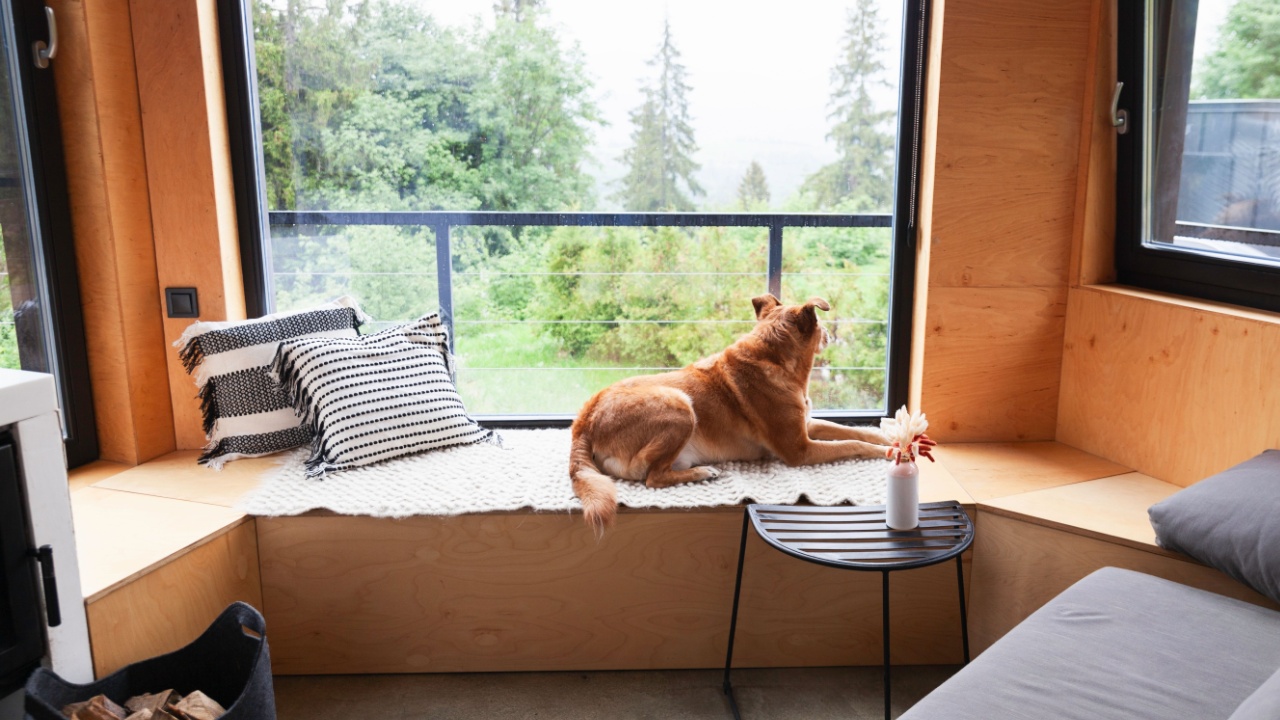
Creating a haven for your pet means giving your space a thorough, room-by-room check to kick physical and chemical hazards to the curb.
By making a few smart, preventative upgrades, you aren’t just protecting your property, you’re securing total peace of mind so you can focus on the fun stuff, like bonding with your furry best friend.