Skip These 9 June Garden Chores, and You’ll Blow Your Budget Fixing Them in August
Most gardeners coast through June, thinking the hard work is behind them. The seeds are in the ground, the annuals are blooming, and the worst of spring’s chaos has passed. That confidence is precisely what costs them the rest of the summer.
June is not a coasting month. There is a narrow window between spring’s cool relief and summer’s punishing heat, which is when the garden is won or lost — and most gardeners don’t realize it until August, when they’re staring at crispy tomatoes and a flower bed that looks like it gave up in mid-July. Every chore skipped in June becomes three chores fought uphill in brutal heat.
The good news is that the gardeners with the most beautiful yards in the neighborhood all do the same things in June, and almost none of it costs money. Many of these chores are completely free, and catching them now can save you hundreds of dollars in replacement plants, pest controls, and wasted vegetable seed by fall.
Here are the 9 most important garden chores to tackle in June, ranked by how badly they’ll hurt you if you wait.
1. Deadhead Everything That Has Finished Blooming
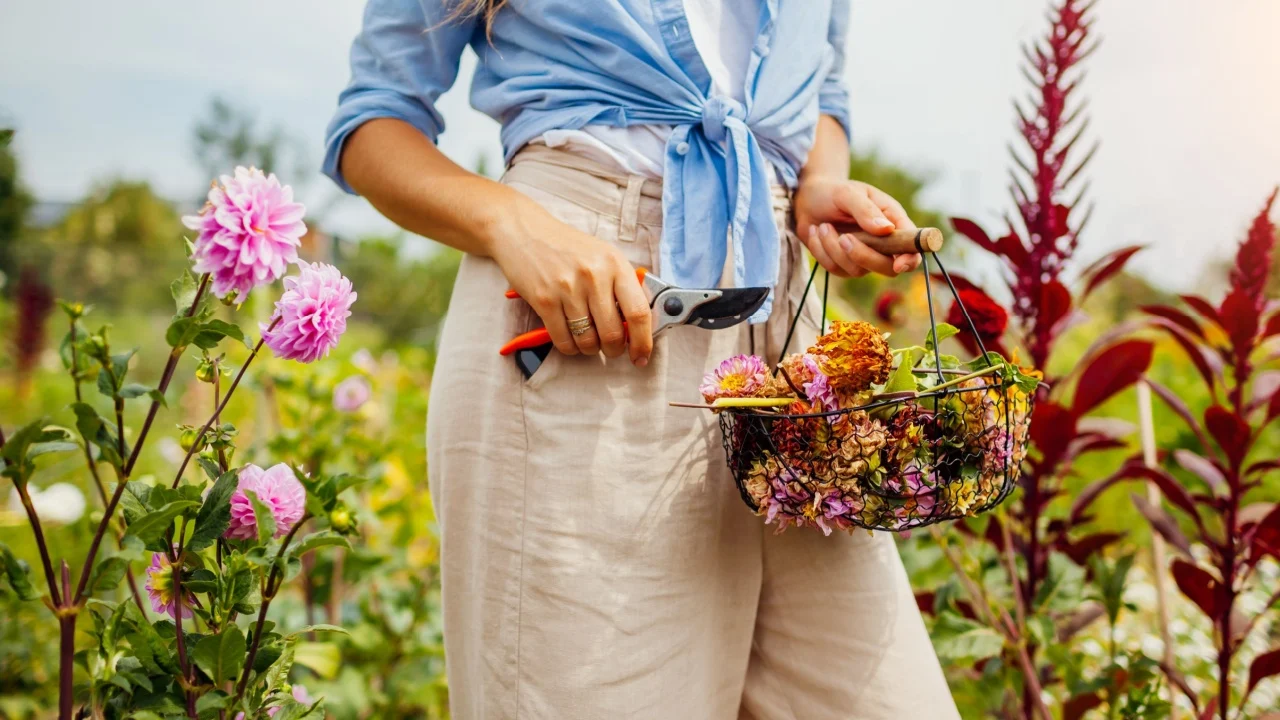
This is the single chore most gardeners do inconsistently, and the one that compounds fastest when skipped.
Removing spent blooms redirects a plant’s energy away from seed production and back into flowering. Roses, peonies, irises, zinnias, and most summer annuals will rebloom through September if deadheaded regularly. Stop deadheading, and you effectively tell the plant the season is over. According to the Missouri Botanical Garden, spring-blooming shrubs like lilacs and rhododendrons should be deadheaded immediately after flowering, but no later than early July, or you risk removing next year’s developing buds.
2. Prune Spring-Blooming Shrubs, But Stop Before July 4th
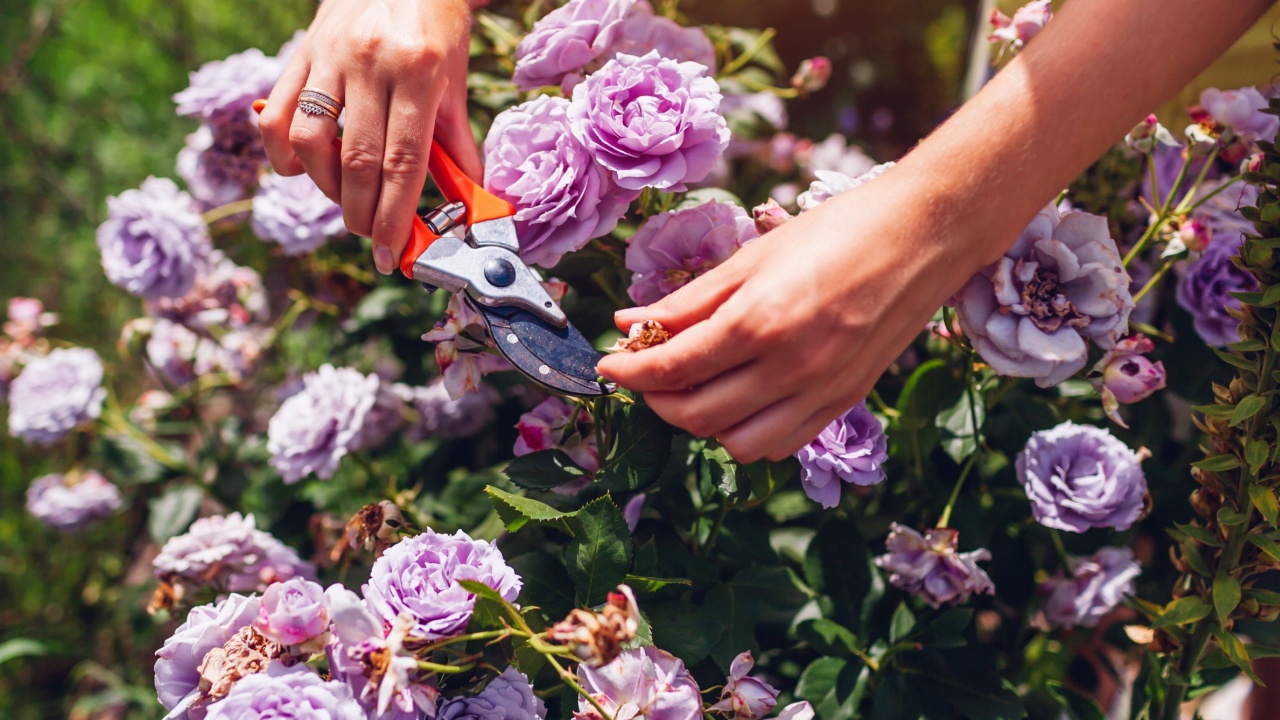
Lilacs, azaleas, forsythia, and rhododendrons bloom on old wood, meaning they set next year’s flower buds on this year’s new growth, often starting as early as late June. Prune these plants before or immediately after bloom, and you’re fine. Wait to prune until after July 4th, and you’ve just removed next spring’s flowers. Gardening Know How notes that pruning at the wrong time is the most common shrub mistake, and it can leave a shrub flowerless for an entire growing season.
3. Wage War on Weeds Before They Set Seed
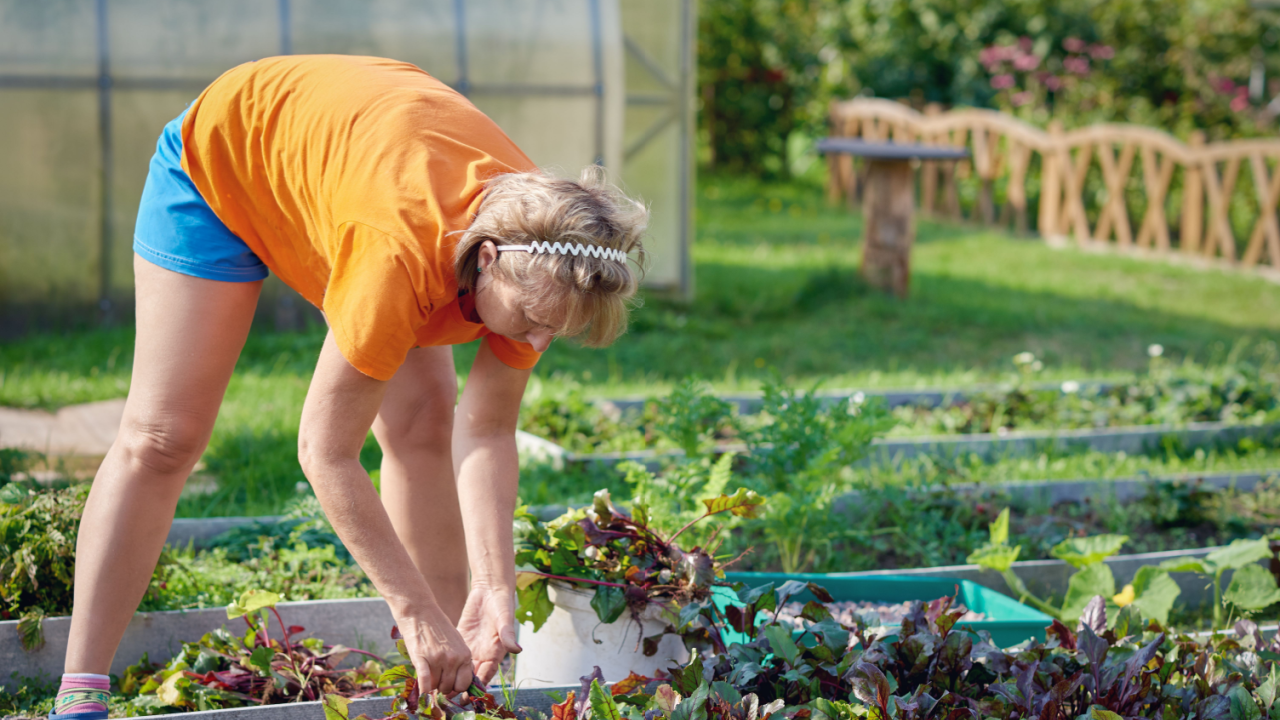
One single weed left to flower in June can scatter up to 10,000 seeds before July ends, and every one of them remembers exactly where your garden is. Weeds that seem manageable right now become the infestation that defines next summer’s workload. The University of Maryland Extension emphasizes that weeds are dramatically easier to manage when young and small, ideally pulled when the soil is slightly moist.
Fifteen to twenty minutes of daily walking and hand-pulling keep most gardens under control without chemicals. Cover beds with 2 to 3 inches of organic mulch after weeding to block the sunlight germinating seeds need; the mulch alone can eliminate the need for repeated weed treatments throughout summer.
4. Switch Your Watering Strategy Before the Heat Arrives
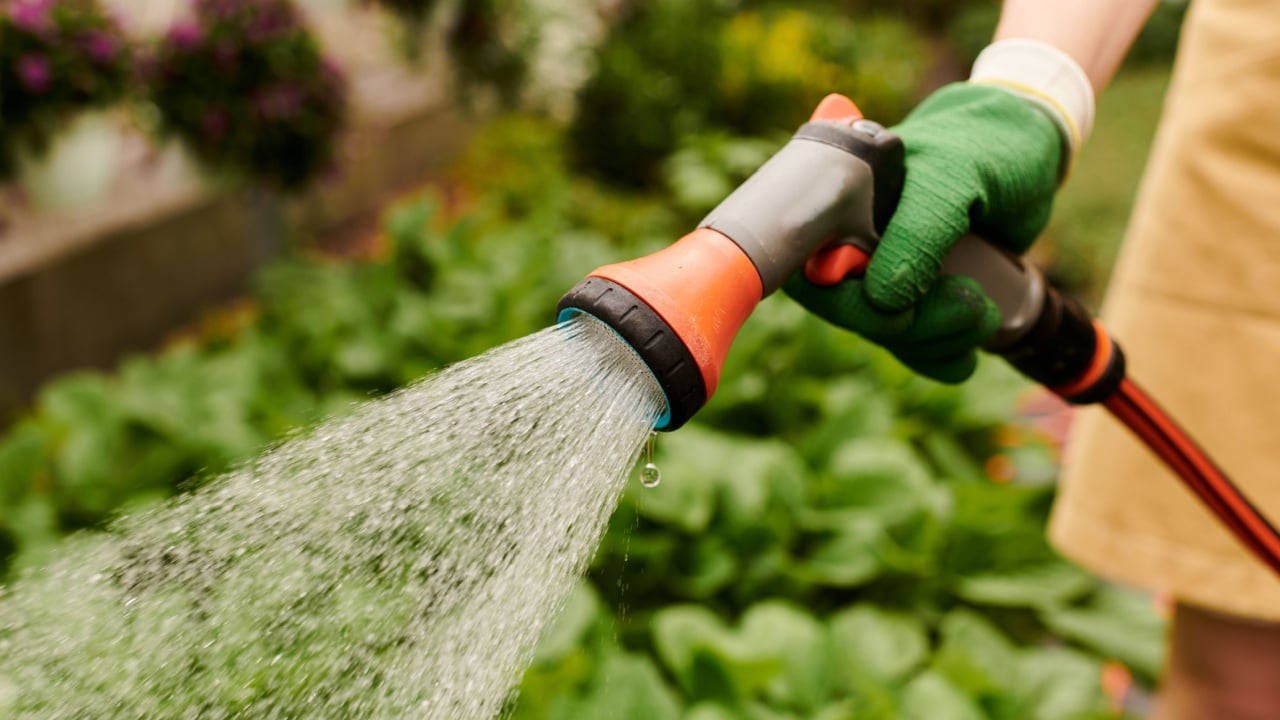
If you’re still watering a little every day, June is your last chance to break that habit before it costs you. Shallow, frequent watering trains roots to stay near the surface, which is exactly where they’ll fry in July heat.
Botanical Interests advises switching now to deep, infrequent soaking: enough water to penetrate several inches into the soil, then letting the top layer dry before watering again. This forces roots downward, building the drought resistance that keeps plants alive through August without daily intervention. For new transplants, this is especially critical. Plants established on shallow watering now will need rescuing or replacing, at $4 to $12 each, in eight weeks.
5. Mulch Every Exposed Bed (if You Haven’t Yet, Do It Now)
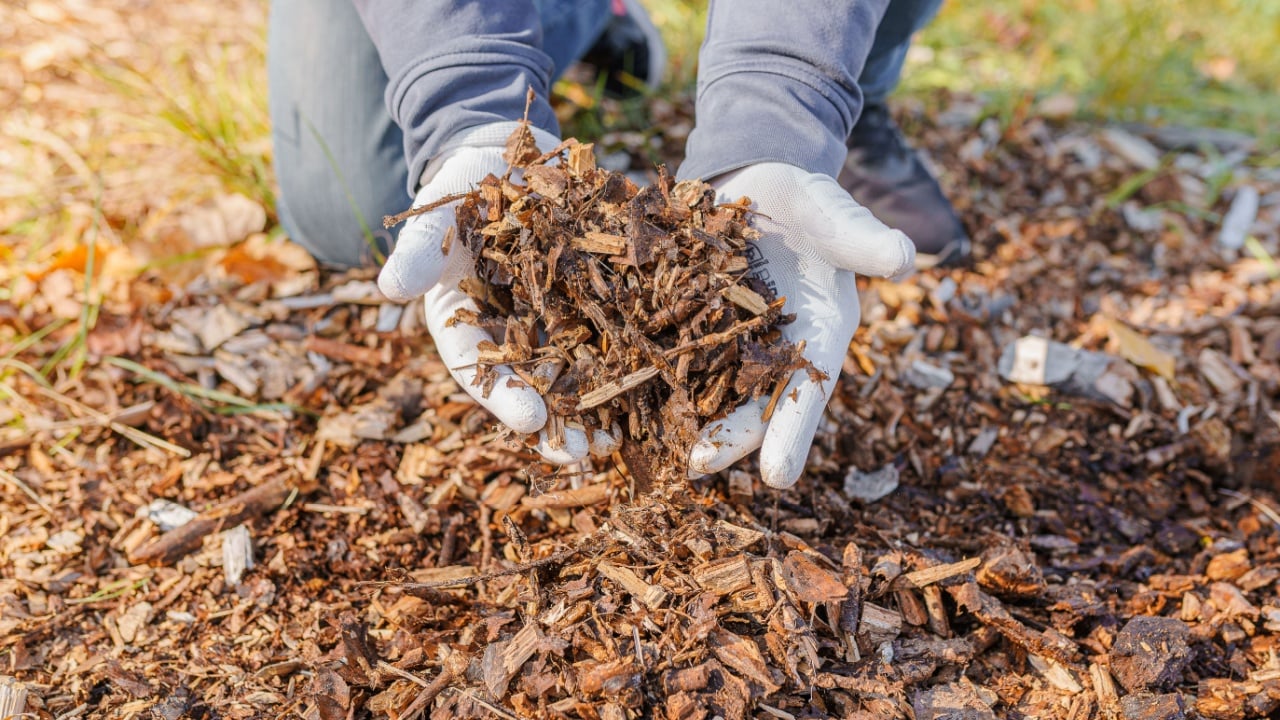
A 2- to 3-inch layer of organic mulch in June does the work of three separate garden chores: it conserves moisture so you water less, suppresses weed seeds so you pull less, and regulates soil temperature so roots don’t cook.
Sow True Seed recommends waiting until the soil has fully warmed before mulching heat-loving crops like tomatoes and peppers, but once the soil is warm, don’t wait another week. The New York Botanical Garden notes that mulch should be topped up now if the spring layer has compacted or thinned below two inches. Shredded bark and wood chip mulch from a local municipal compost program is often available free or for a few dollars a truckload; a fraction of the $40 to $80 bags at the nursery.
6. Catch Pest Outbreaks Before They Become Infestations

Japanese beetles, squash vine borers, aphids, and flea beetles all peak in June and early July. The gardeners who catch them early spend ten minutes hand-picking, while the ones who miss them spend $60 or more on organic treatments and still lose crops. Epic Gardening recommends checking the undersides of leaves daily during this window, particularly on squash, beans, and tomatoes.
Squash vine borer moths lay their eggs at the base of vines right now; wrapping the lower 6 to 12 inches of stem in aluminum foil prevents egg-laying for almost nothing. If you spot aphids, a strong spray of water dislodges most of them without any product at all.
7. Harvest Cool-Season Crops and Replace Them Immediately
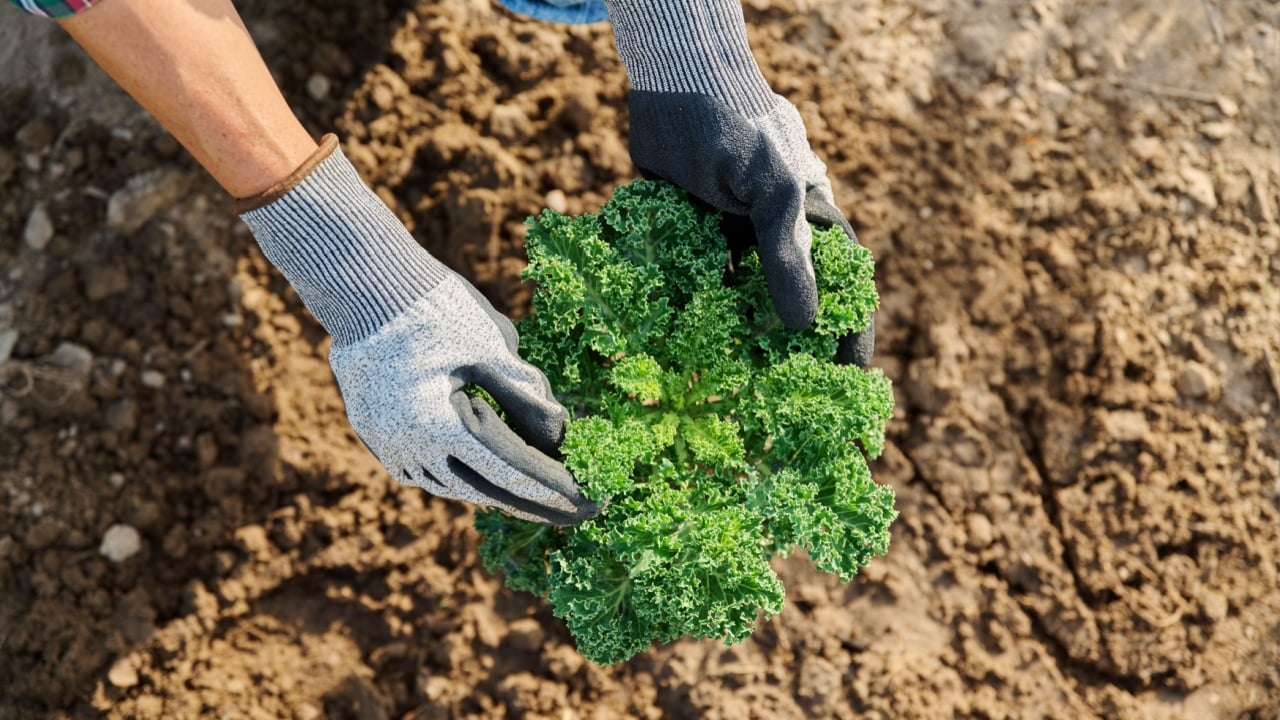
Lettuce, spinach, radishes, and broccoli are starting to bolt in the heat, and the window for enjoying them at peak quality is closing. Harvest now and replant that space immediately with warm-season crops, like beans, basil, cucumbers, or summer squash, to get a second wave of productivity out of the same bed.
The NC State Extension advises harvesting cucumbers regularly to prevent them from becoming bitter from inconsistent moisture, and notes that leaving vegetables too long on the vine stops the plant from setting new fruit. A single 4-by-4 bed replanted in June can yield $80 to $150 worth of summer produce by September.
8. Cut Back Floppy Perennials Now
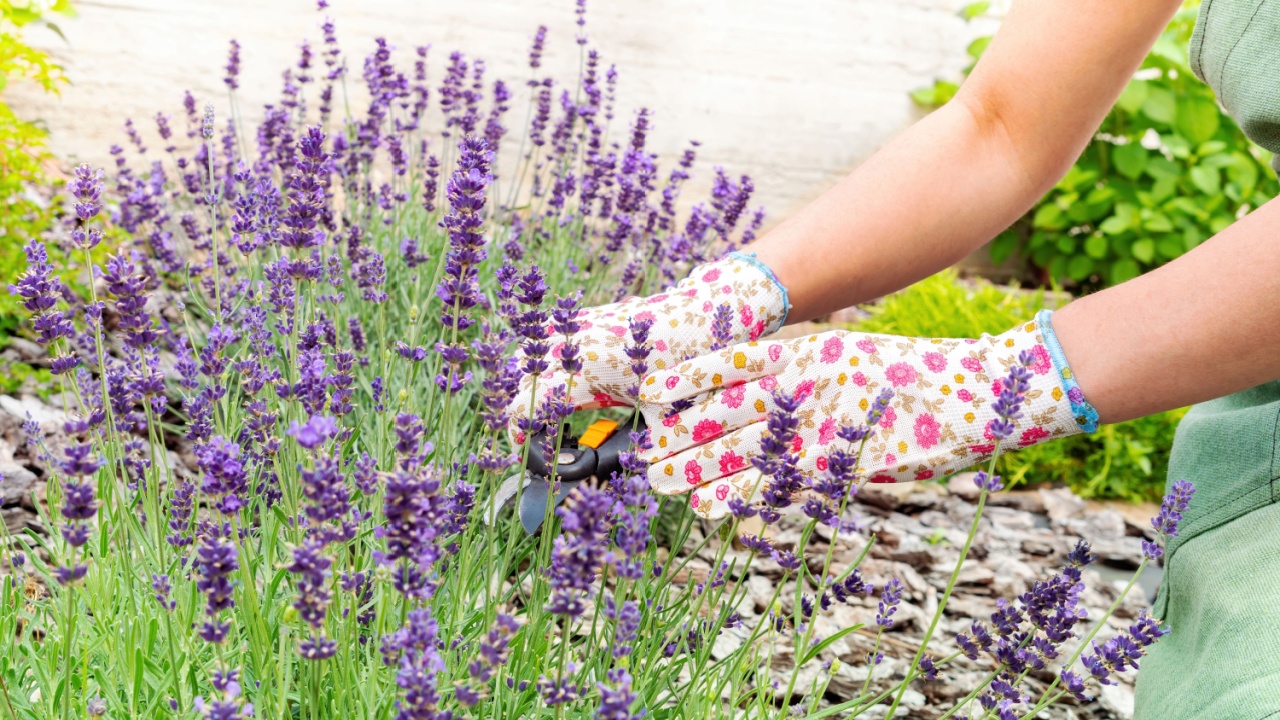
Certain perennials, like Russian sage, asters, tall sedums, and chrysanthemums, will flop, sprawl, or grow too tall to bloom well if left unchecked past mid-June. Cutting perennials back by one-third in late May or early June to produce sturdier stems, delayed bloom, and a longer flowering window. Northern Gardener confirms that perennials trimmed back by a quarter to a third in early to mid-June will still flower on schedule, just on shorter, sturdier stems that don’t require staking. Skip this now, and you’re facing $15-per-pack plant stakes, hours of tying, and a garden that still looks windswept. Trim in June, and you eliminate the problem.
9. Set Up or Check Your Irrigation System
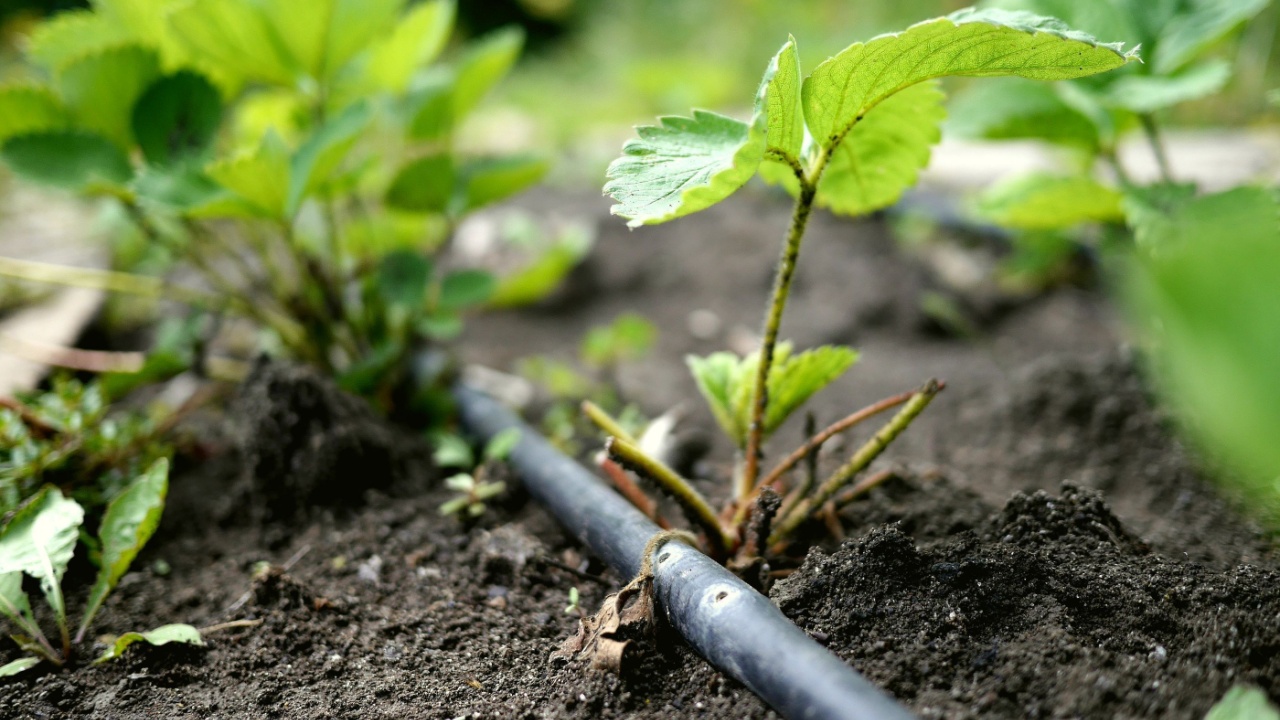
If you don’t have a drip irrigation system, June is the best time to install one before heat stress makes it urgent. If you do have one, walk every line right now and check for winter damage, clogged emitters, or broken connections.
Epic Gardening calls this one of the most overlooked early-summer tasks; minor leaks and dead zones waste water without delivering it where plants need it, and the damage shows up four to six weeks later when you can’t figure out why one bed is dying. A basic drip system for a raised bed costs as little as $25 to $40 and can reduce water use by up to 50 percent compared to overhead sprinklers. For gardeners over 50 who are rethinking how much physical labor they want to spend hauling hoses in July, this is the single most worthwhile upgrade in the June garden.
Don’t Let June Fool You
The garden looks generous in June. Everything is green, most things are blooming, and it’s easy to assume the season has momentum of its own. It does, but that momentum cuts both ways. The weeds are growing as fast as the zinnias. The pest populations are doubling every week. The roots that aren’t going deep now will fail in August.
Every chore on this list is faster and cheaper in June than it will be in any other month this summer. Spend an hour a week on them now, and your garden will still look good in September, while your neighbor is pulling out dead plants and wondering what went wrong.
Read more:
Direct Sow These 9 Seeds in June Before the Window Closes for Good
June Is National Pollinator Month. Are You Accidentally Harming the Bees You Want to Help?