

Selling a home is already a high-pressure process, and most homeowners focus on curb appeal, staging, and pricing to attract buyers. Still, every detail, from the way a property is presented to the atmosphere it conveys, plays a role in shaping that impression.
For households with pets, this process can be more complex, as animals naturally leave behind signs of their presence that may influence how a property is received.
While pets are treasured companions, their impact on the sales journey is not always straightforward. What feels normal and affectionate to an owner can sometimes be interpreted differently by potential buyers.
Understanding this dynamic is essential for sellers who want to maximize appeal and help their property stand out in a competitive market. Here are the ways that pets can negatively impact a home sale.
1. Allergies and Sensitivities Can Drive Buyers Away

Image Credit: Shutterstock.
For a significant portion of the population, entering a home with pets is not just unpleasant. It is a genuine health concern. Pet dander, which consists of microscopic flakes of skin shed by animals, clings to furniture, carpets, curtains, and walls long after a pet has left the room.
Buyers who suffer from pet allergies may experience sneezing, watery eyes, or breathing discomfort within minutes of entering, which cuts the showing short before they’ve had a real chance to evaluate the home.
What makes this especially difficult is that deep cleaning alone does not always fully resolve the problem. Dander embeds itself into soft surfaces and HVAC systems, meaning it can persist in the air long after a pet has been removed from the space.
A buyer with moderate to severe sensitivities may not be able to spend enough time in the home to fall in love with it, and they may associate that physical discomfort with the property itself rather than the previous occupants.
2. Smells and Odors Leave a Lasting Impression

Image Credit: Shutterstock.
Odor is one of the most powerful triggers for buyer perception, and it is also one of the most honest. Pet smells from litter boxes, dog beds, caged animals, or general dander buildup register immediately to anyone who doesn’t live in the home.
Sellers often cannot detect these odors because they have been exposed to them gradually, but a buyer’s first breath through the front door can be enough to form a negative impression that is hard to reverse.
The psychological impact of pet odors goes beyond simple unpleasantness. When buyers smell something unfamiliar or off-putting in a home, their instinct is to wonder what else has been overlooked or left unaddressed.
A strong pet odor signals poor maintenance to many buyers, even if the rest of the home is in very good condition. Professional cleaning services, odor-neutralizing treatments, and thorough ventilation are often necessary to reach a level of neutrality that gives buyers confidence.
3. Visible Damage Raises Red Flags for Buyers
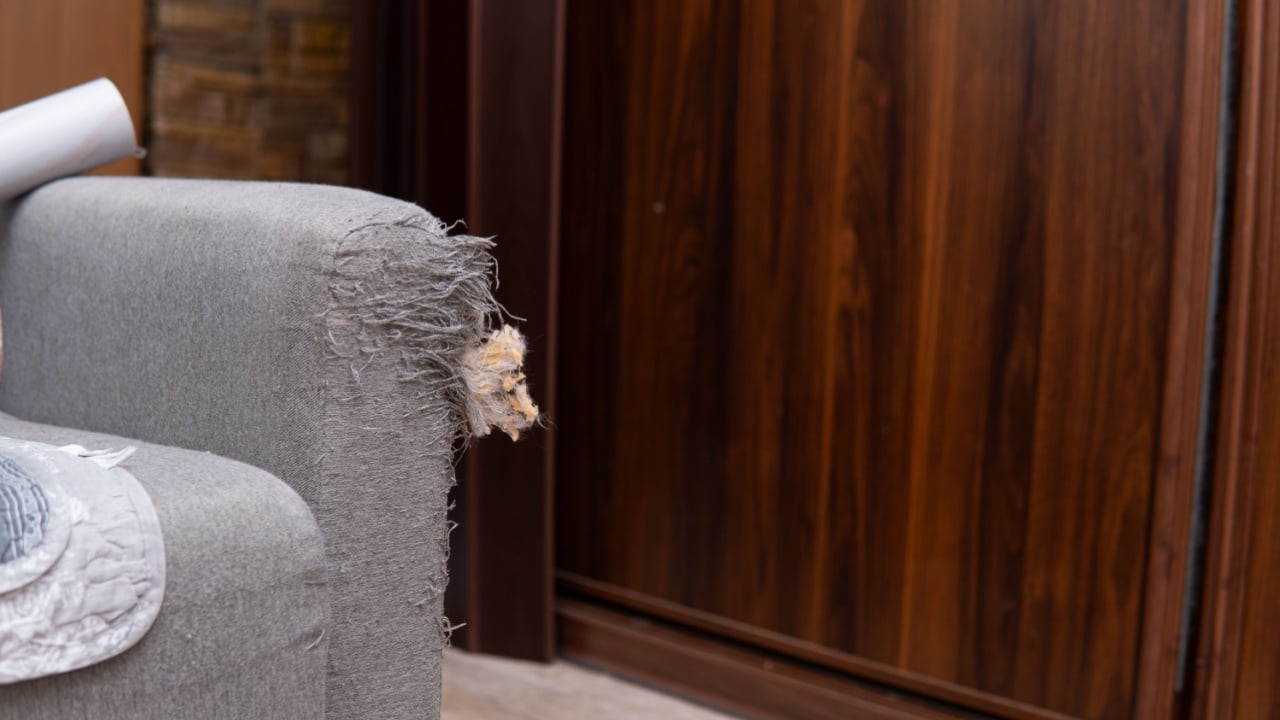
Image Credit: Shutterstock.
Pets interact with a home in very physical ways, and the damage they cause is usually visible to anyone who looks closely. Scratched hardwood floors near doorways, chewed baseboards, stained carpet in pet sleeping areas, worn upholstery, and patchy or excavated sections of lawn all convey to a buyer that the home needs work.
Even minor damage, when spread across multiple areas of a property, creates a cumulative impression of neglect that can significantly reduce perceived value.
Buyers use visible damage as a negotiating tool, often extrapolating from small signs to larger concerns. A scratched door frame might lead a buyer to wonder what the subfloor looks like beneath the carpet, or what condition the yard fencing is in.
Addressing visible pet damage before listing, such as refinishing floors, repainting scuffed walls, reseeding patchy lawn areas, and replacing torn screens, removes those question marks and presents the home as well-cared-for rather than worn down.
4. Pets Present During Showings Can Distract and Discomfort Buyers

Image Credit: Shutterstock.
When animals are present during an open home or private showing, the focus of the visit shifts away from the property itself. A barking dog, a cat that jumps onto visitors, or even a caged bird that makes noise can pull a buyer’s attention away from the rooms, the layout, and the features they came to evaluate.
Buyers who are distracted cannot fully engage with what the home has to offer, and a shortened or unfocused showing rarely leads to a strong offer.
Beyond distraction, the presence of pets can create genuine discomfort for buyers who are fearful of or simply not fond of animals. A buyer who feels anxious around an unleashed dog, or who has a child who is frightened of cats, will rush through the property rather than taking the time to appreciate it.
Sellers sometimes underestimate how deeply personal the relationship with pets can be. Not everyone views a friendly dog as a welcoming feature, and a buyer who feels uncomfortable in a space will not emotionally connect with it.
What Sellers Should Know Before They List
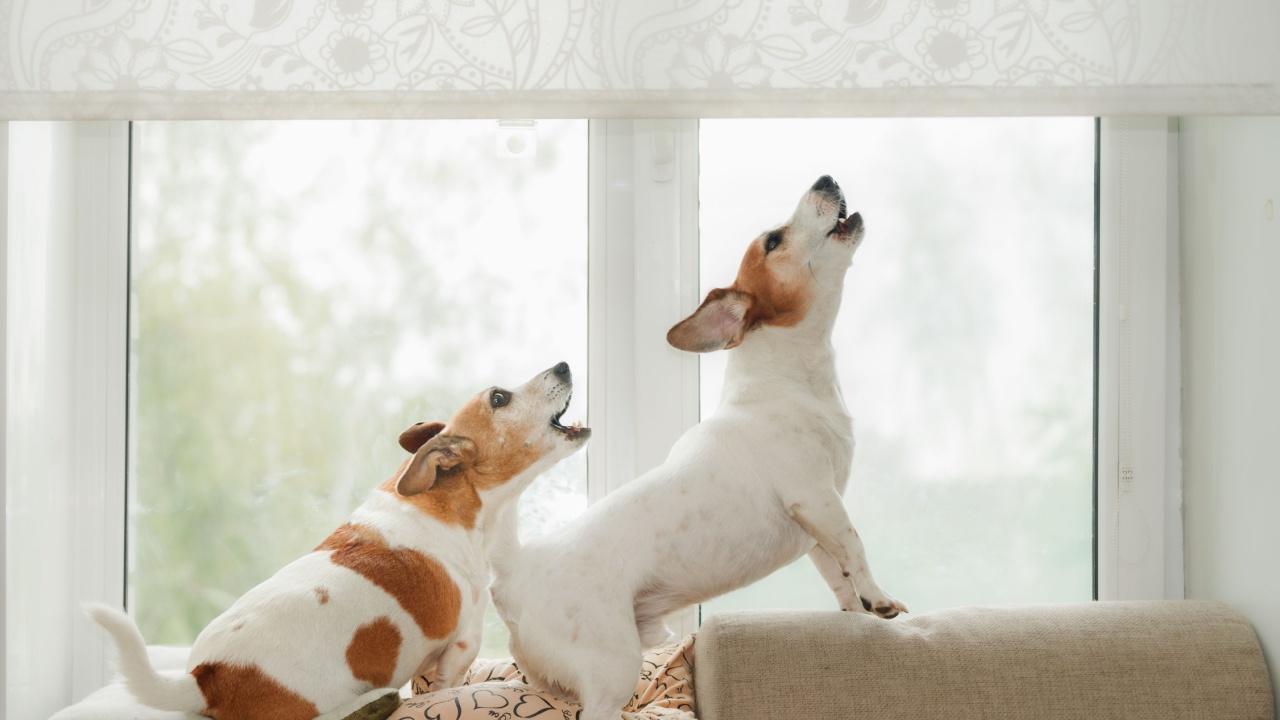
Image Credit: Shutterstock.
Understanding the buyer’s perspective is the most useful tool a seller has going into the listing process. A buyer is not simply purchasing square footage and a roofline.
They are evaluating how a home feels, smells, looks, and functions for their own life. Pets, for all the joy they bring to their owners, can create barriers to that evaluation when their presence is felt too strongly throughout the property.
The most effective approach is to treat pet-related issues the same way a seller would treat any other maintenance concern and address them before they become a reason for a buyer to hesitate.
Thorough odor removal, visible repairs, deep cleaning of all soft surfaces, and a plan to relocate pets during showings are all practical steps that protect a home’s perceived value.