10 Affordable Landscape Upgrades That Could Add $40,000 to Your Home’s Value
Most homeowners spend tens of thousands of dollars renovating kitchens and bathrooms, and then completely ignore the yard. That’s a costly mistake. Real estate professionals consistently rank curb appeal as one of the single most powerful factors in both perceived home value and final sale price. A neglected yard doesn’t just look bad; it quietly signals to every buyer, appraiser, and neighbor that the whole house has been ignored.
Overgrown shrubs hiding your windows, patchy grass, crumbling walkways, bare dirt where flower beds used to be aren’t just aesthetic problems. According to a study cited by REALTOR Magazine, homes with strong exterior appeal sell for an average of 7% more than comparable homes with a run-down appearance. On a $400,000 home, that gap amounts to $28,000. Virginia Tech Extension researchers found that upgrading landscaping from average to excellent can push perceived home value up by 10% to 12%, a potential $48,000 swing on that same property.
You don’t need a landscape architect or a $20,000 renovation to get there. A $400 investment in the right upgrades can return four times that at resale, according to a survey of 2,000 real estate brokers. The data confirms it: the best curb appeal moves are often the simplest ones, done consistently and well.
If you’ve been putting off yard work because it feels overwhelming or expensive, this list is for you. These are ten proven, affordable landscape upgrades ranked by impact, and several of them cost almost nothing. Start with number one, and you may be surprised how fast a tired yard transforms into your home’s most valuable asset.
1. Fresh Mulch in Your Flower Beds

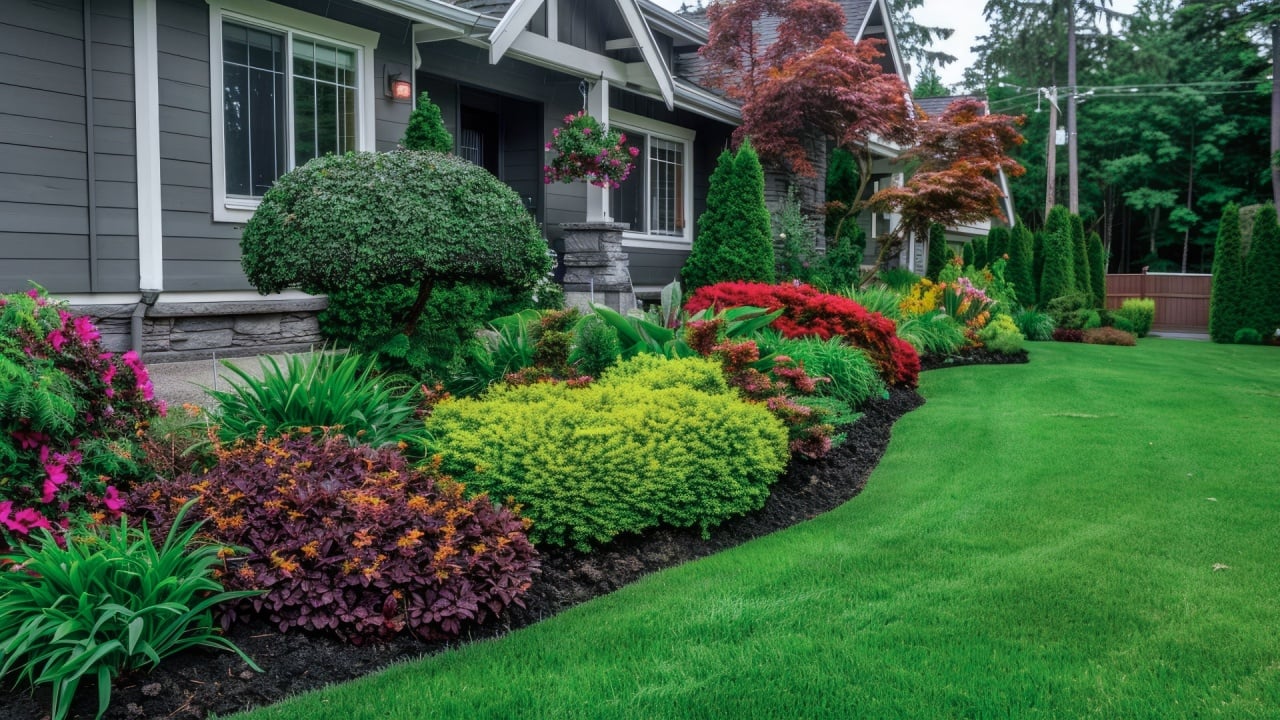
If you do nothing else on this list, do this. A fresh layer of mulch is the single most cost-effective curb appeal upgrade available to a homeowner. It unifies planting beds, suppresses weeds naturally, retains soil moisture, and signals that someone is actively caring for the property. A bag of premium bark mulch runs $4 to $7 at any home improvement store, and a typical front yard can be refreshed for under $60.
Be sure to skip the landscape fabric underneath. This is one of the most regretted landscaping decisions homeowners make, and garden professionals have known for years that it creates more problems than it solves. As the mulch breaks down above the fabric, it creates a perfect seedbed for weeds right on top of the barrier, while simultaneously blocking nutrients, air, and water from reaching your plant roots below.
2. Plant a Shade Tree in a Strategic Spot
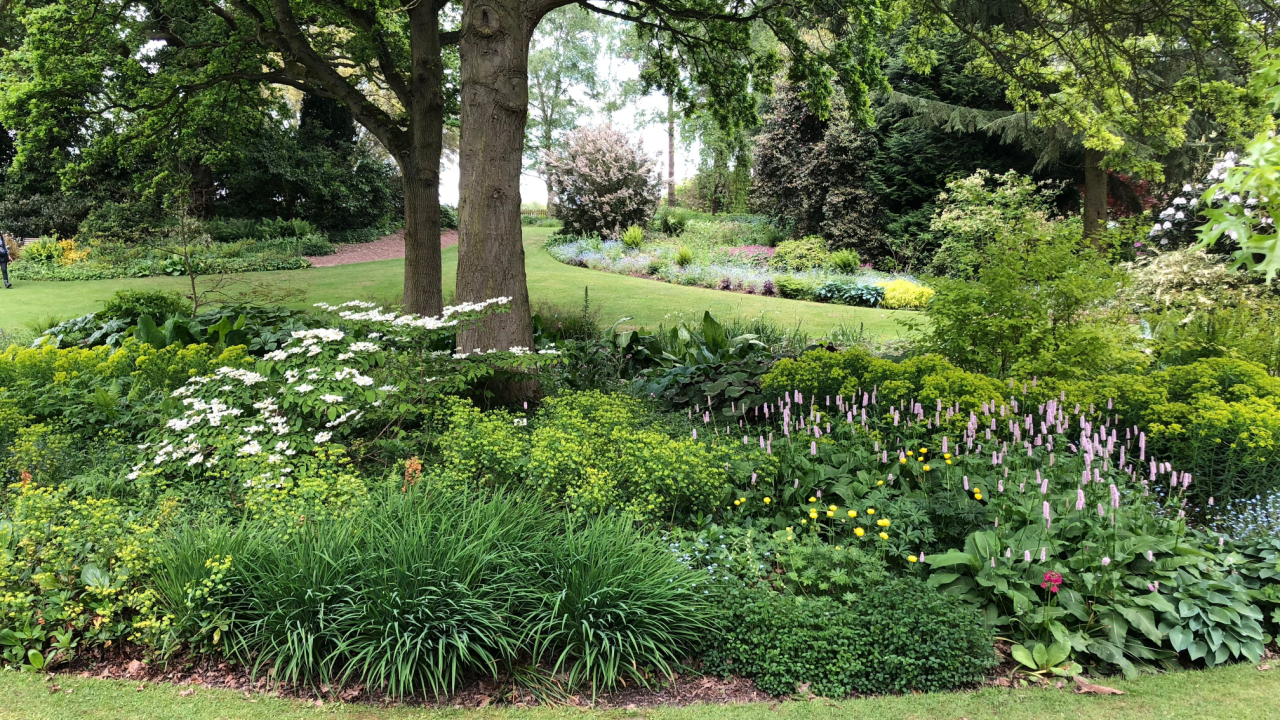
Of all the landscaping investments with long-term upside, a well-placed shade tree may be the most powerful. According to the Council of Tree and Landscape Appraisers, a single mature shade tree can add $1,000 to $10,000 to a property’s appraised value, depending on size, species, and placement. Fast-growing options like red maple, tulip poplar, or zelkova can be purchased as young trees for $50 to $200, and they grow in value every single year.
Strategic placement matters enormously. Trees positioned on the south and west sides of a home provide natural summer shade that can reduce cooling bills by up to 25%, according to the U.S. Department of Energy. Buyers notice this. They see a shade tree, and they see lower utility bills, privacy, and a property that feels settled and established. Plant a tree today, and it pays you back for decades. However, avoid planting too close to the foundation, driveway, or sewer lines; a tree placed poorly can create root damage that deters buyers rather than attracting them.
3. Upgrade Your Front Walkway
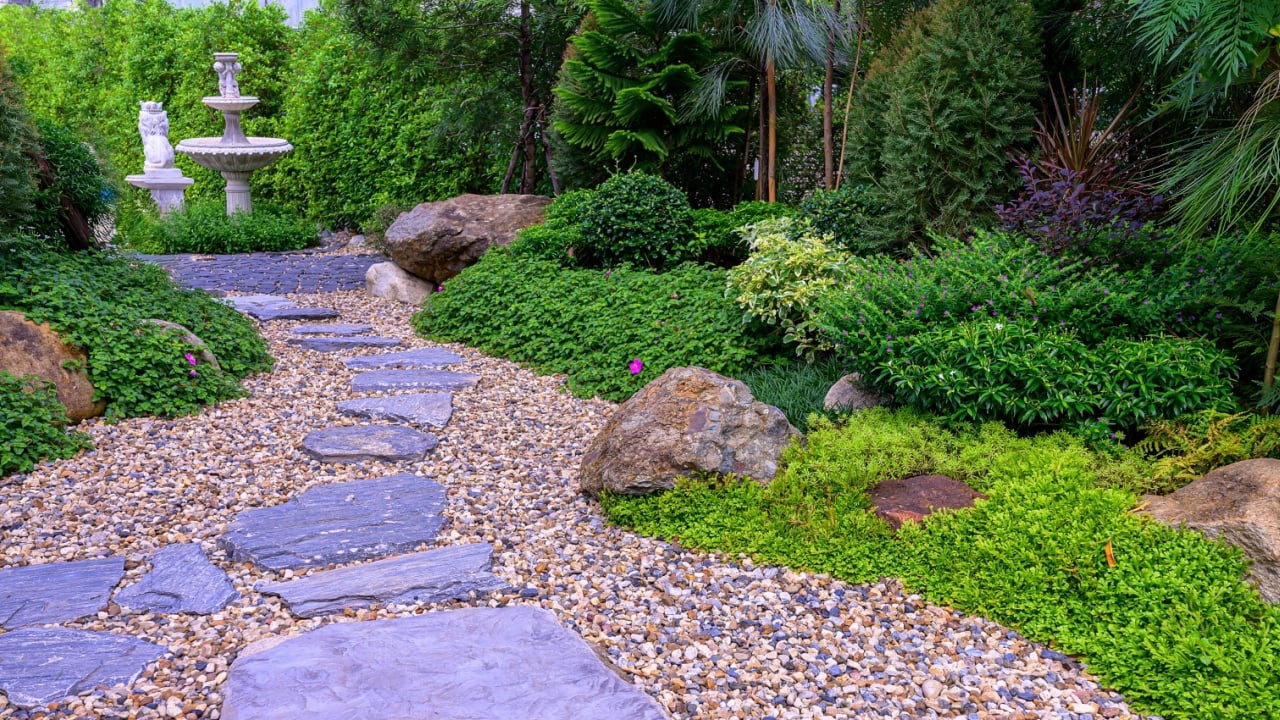
A cracked, overgrown, or stained concrete path is one of the most damaging curb appeal problems a home can have, and most homeowners walk past it every day without registering it. Potential buyers notice it instantly. A clean, well-defined entry walkway signals pride of ownership before anyone sets foot inside. According to Angi, natural flagstone walkway upgrades paired with complementary landscaping elements can return close to 100% of their cost at resale.
Flagstone is affordably priced at $2 to $6 per square foot. If a full replacement is outside the budget right now, start with edging: a clean, defined border between your walkway and the surrounding lawn or beds makes an enormous visual difference for almost nothing. Add solar-powered path lights along either side, and you’ve created an entry experience that photographs beautifully and impresses visitors after dark.
4. Add Landscape Lighting
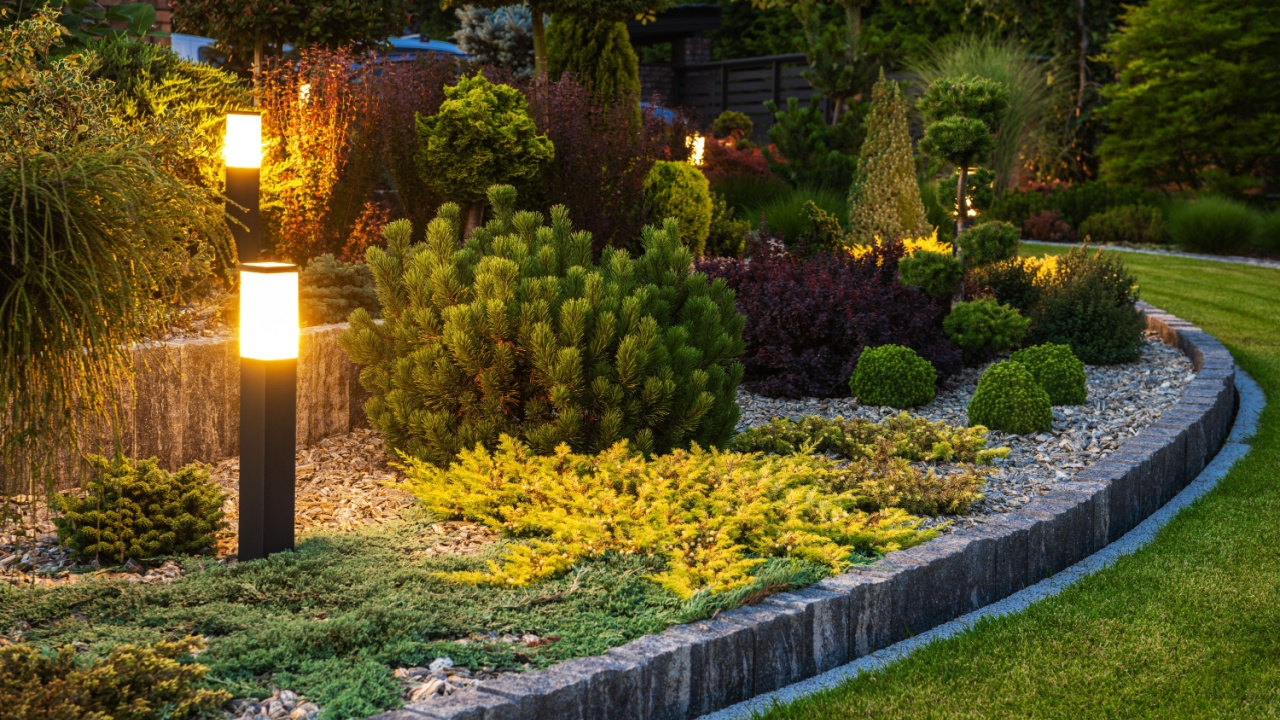
Landscape lighting is one of the most underestimated upgrades on this list. Most homeowners think about their yard in daylight, but real estate showings happen at all hours, and listing photography often captures homes in the early evening. A well-lit landscape can make the difference between a listing that stops a scroll and one that gets passed over.
Solar-powered pathway lights require zero wiring and cost as little as $20 for a set of eight. Uplights aimed at mature trees or the home’s architecture add drama and dimension. Boxed lanterns flanking the front door in matte black or antique bronze add a polished, high-end feel for under $100 each. Proper lighting also deters burglary, a security benefit that resonates strongly with buyers of any age. “Bistro lights are still very much a thing and an inexpensive way to add value to your home and make it more enjoyable later in the evening,” notes real estate advisor Barbieri, as quoted by HomeLight.com.
5. Maintain a Healthy, Manicured Lawn
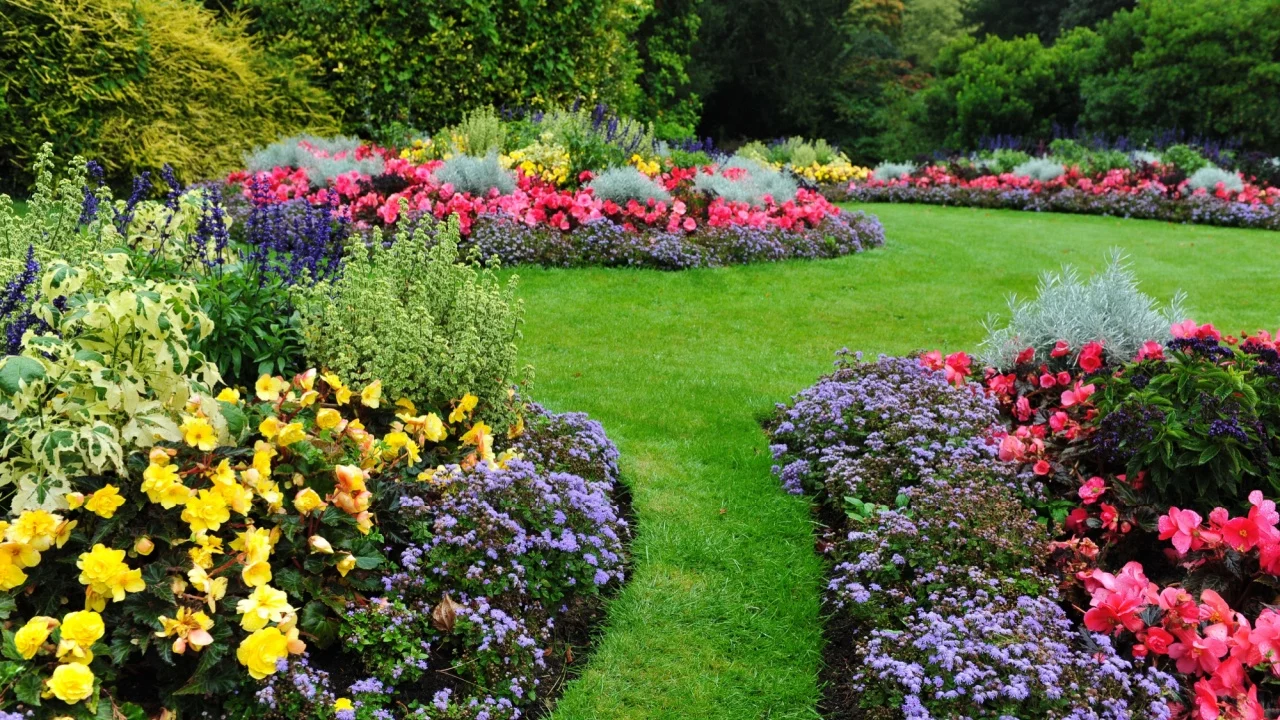
Here is the surprising fact that shocks most homeowners: basic lawn maintenance delivers the highest percentage ROI of any landscaping category; up to 217%, according to data compiled by Opendoor and corroborated by multiple industry studies. That means that $100 spent on mowing, edging, fertilizing, and weed control can return the equivalent of $217 in perceived home value. No major renovation comes close.
A patchy, yellowing, or overgrown lawn does something far worse than look bad; it raises questions in a buyer’s mind about what else has been neglected. Conversely, a lush, trimmed lawn with clean, crisp edges communicates that a homeowner pays attention. If professional lawn service is not in the budget, mowing consistently, applying a bag of lawn fertilizer ($20 to $40), and hand-edging your borders once a season can make a substantial visual difference for under $50.
6. Stage the Front Porch with Simple Furniture and Pots
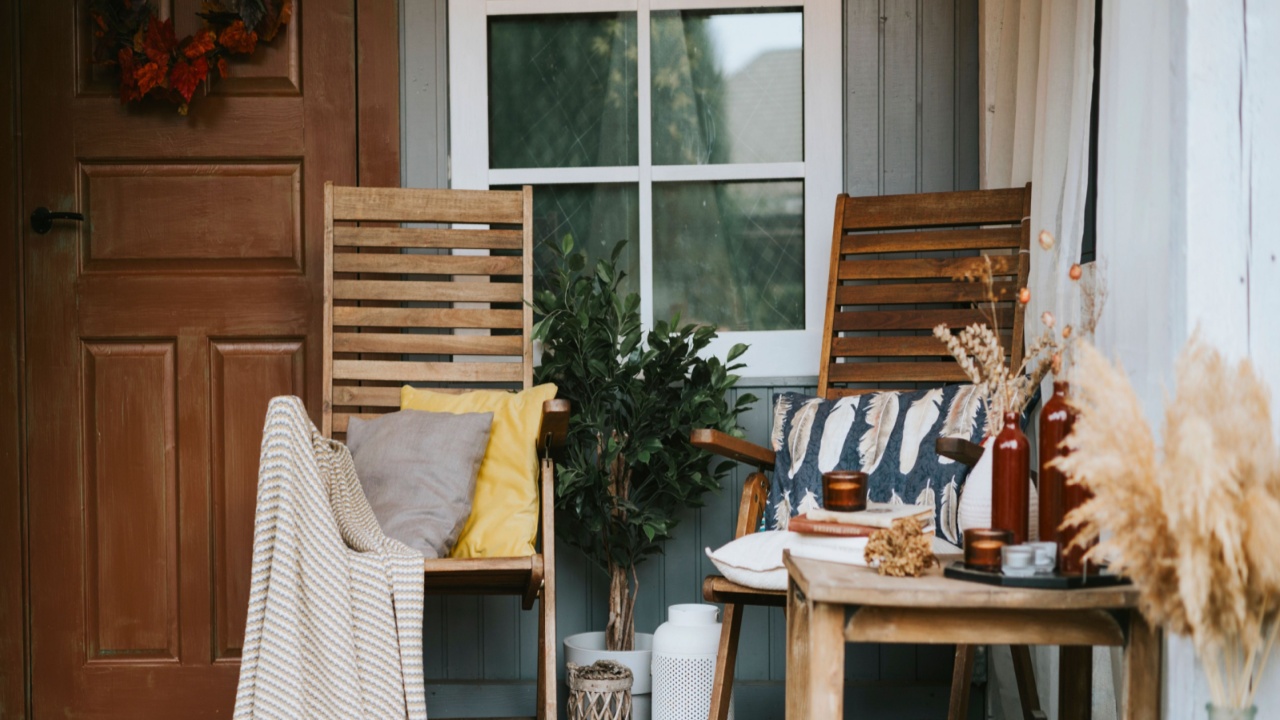
The front porch ranks among the top home features buyers say they want, according to a 2024 survey by the National Association of Home Builders. If yours is empty, you’re leaving money on the table. A pair of chairs or a simple bistro set, a welcoming doormat, a seasonal wreath, and two or three potted plants with bursts of color can transform a bare entry into something that feels genuinely inviting.
Resin planters mimic concrete or ceramic at a fraction of the cost. Thrift stores and estate sales are an excellent source for outdoor furniture and ceramic pots; a coat of spray paint brings most pieces back to life for under $10. Fill pots with annuals like geraniums, petunias, or marigolds for $3 to $5 per plant, and you have a porch that feels styled and cared-for. For gardeners who’ve been doing this for years, this is the kind of small flourish that buyers remember long after they’ve walked the whole property.
7. Plant Native Shrubs and Perennials
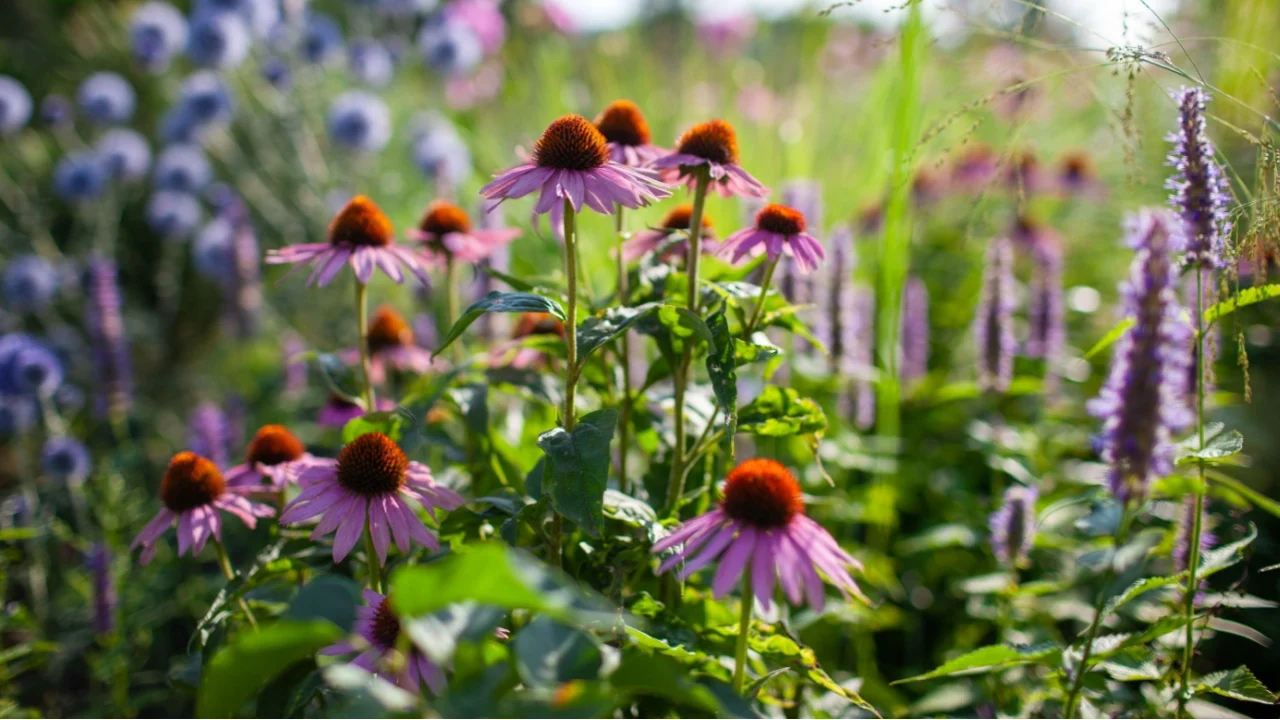
Most nursery professionals won’t advertise this, but native plants are quietly the smartest landscaping investment most homeowners never make. Native shrubs and perennials adapted to your region require dramatically less water, fewer pesticides, and far less maintenance than their non-native counterparts. Maintaining an acre of native plantings over 20 years costs approximately $3,000 compared to $20,000 for conventional non-native turf grass, according to research published by Applied Ecological Services.
Buyers are increasingly aware of this value. Eco-conscious landscaping signals lower ongoing costs, which is a concrete financial benefit. Well-chosen native shrubs also provide year-round structure, something that keeps a yard looking cared-for even in winter.
8. Create a Simple Outdoor Living Area
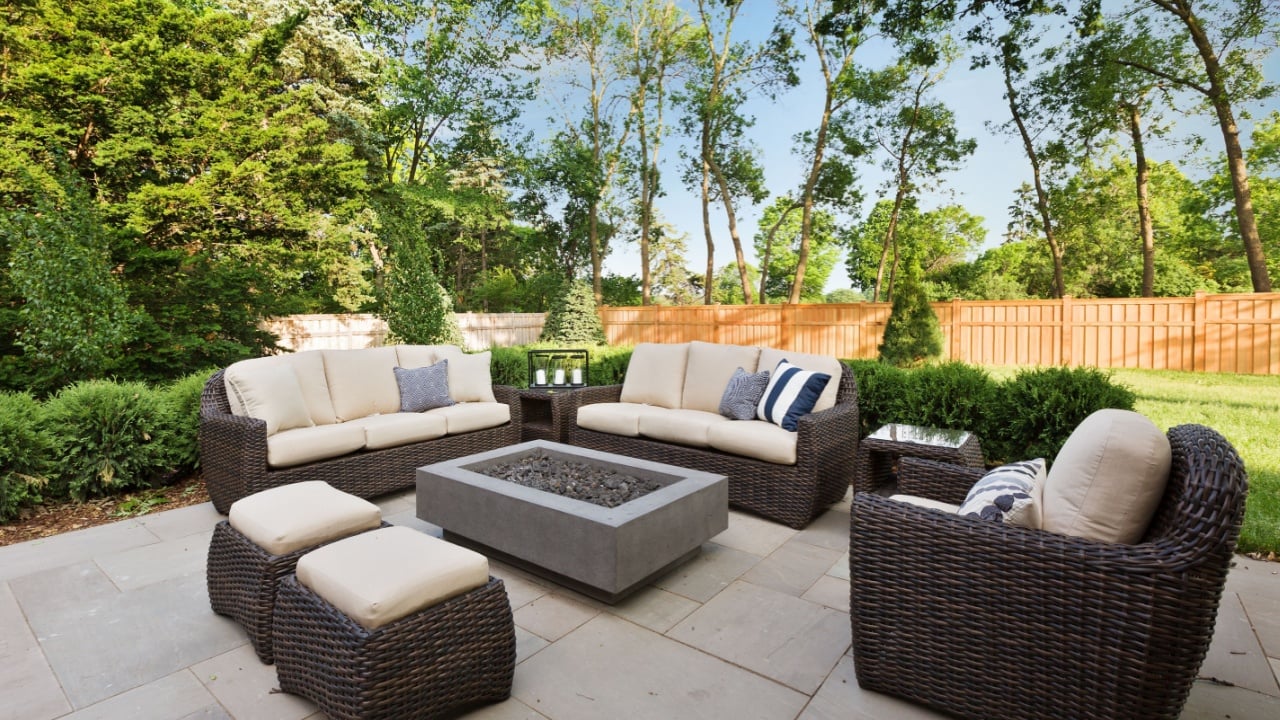
You don’t need an outdoor kitchen to make a backyard feel like a room. A defined seating area, even just a fire pit with four chairs arranged around it, signals usable outdoor living space to potential buyers, and that matters enormously. The National Association of REALTORS’ Remodeling Impact Report found that outdoor living features consistently rank high on buyer joy scores and deliver solid ROI at resale.
An inexpensive fire pit from a big-box store runs $60 to $150. Surround it with four bistro chairs ($30 to $60 each) and add a bag of decomposed granite to define the seating zone, and you’ve created an outdoor room for under $400. Patios with pavers or concrete offer the highest return in this category; a well-executed patio recovers 60% to 70% of its cost, and premium backyard features like seating areas and firepits contribute to the emotional appeal that turns a showing into an offer.
9. Add a Raised Bed Edible Garden
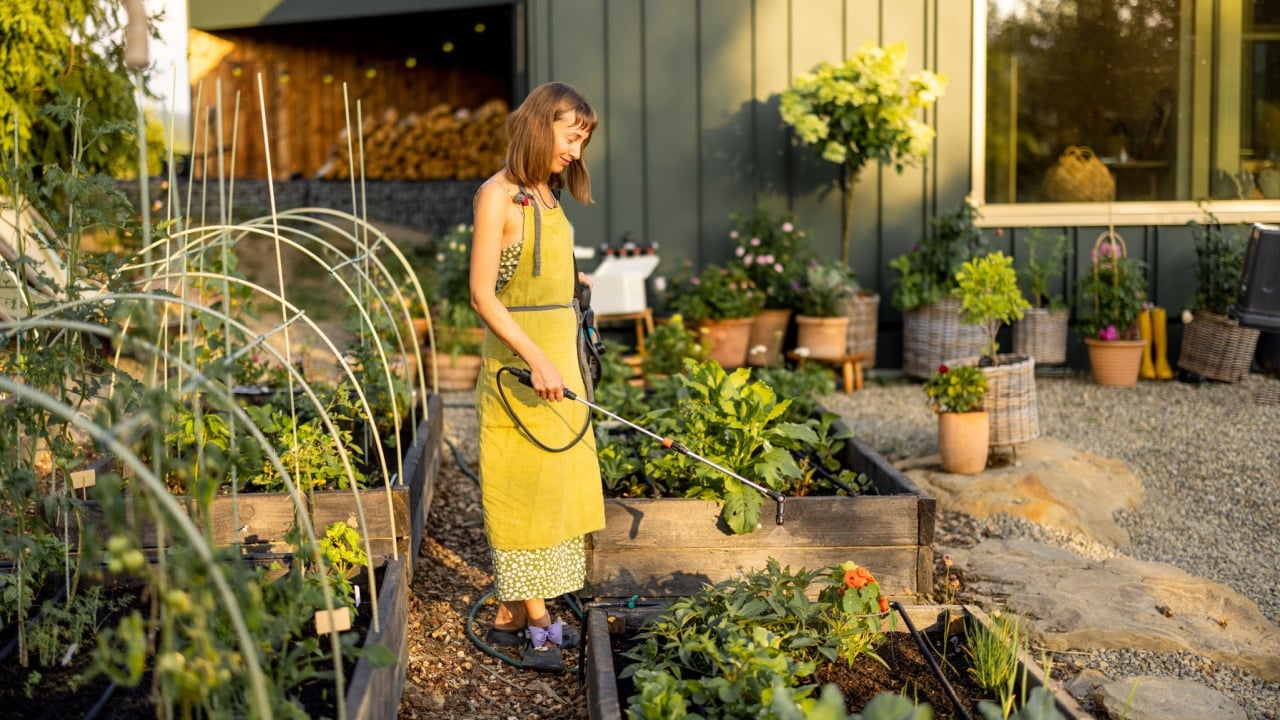
Raised vegetable beds have moved well past trend status; they are now a genuine value-add that buyers actively look for. A well-maintained raised bed signals resourcefulness, care, and the kind of thoughtful investment that characterizes a home that’s been genuinely loved. The practical appeal is real, too: a single 4-by-8 raised cedar bed can produce $300 to $600 worth of vegetables in a season, and the bed itself can be built for under $80 in materials.
Use naturally rot-resistant cedar rather than pressure-treated lumber, which can leach chemicals into the soil. Situate beds close to the kitchen when possible; convenience is part of the appeal. If you’re preparing a home for sale, plant the beds and let buyers see an active garden. A harvest in progress is more compelling than empty beds. This is the kind of detail that makes a listing memorable.
10. Fix Overgrown, Diseased, or Poorly Placed Plants First
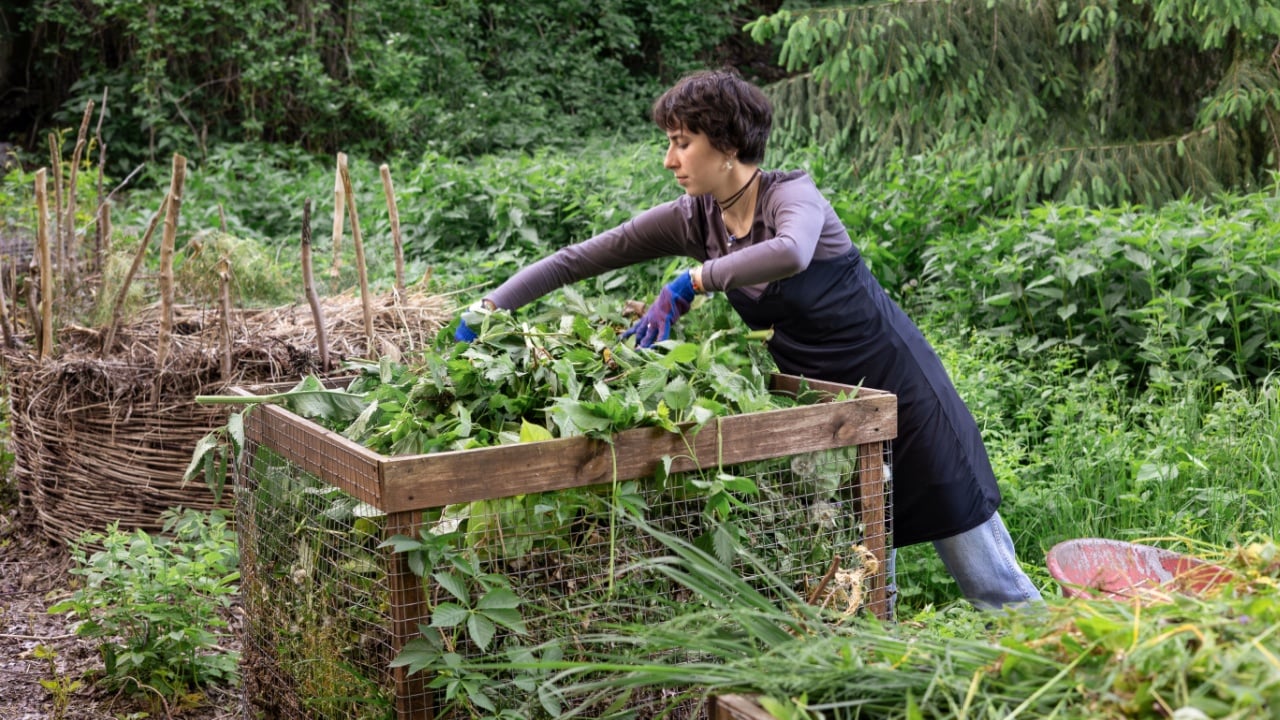
Before you add a single new plant, fix what’s already there. This is the villain of most landscaping projects gone wrong, and realtors see it constantly: homeowners plant new flowers while overgrown shrubs are blocking windows, dead perennials are rotting in the beds, and a diseased tree is dropping branches on the driveway. A poorly-maintained yard can decrease home value by up to 30%, according to real estate professionals cited by Trees.com.
“When it’s time to sell your home, you don’t want prospective home buyers to think they’re entering an overgrown jungle that will cost thousands of dollars to control,” warns Jeremy Martin, CEO at Willow Gates Landscaping, as quoted by the National Association of REALTORS. Prune back anything blocking walkways or windows. Remove dead or diseased plants immediately. Pull the weeds, edge the beds, and take a hard look at any shrub or tree that’s outgrown its space. Subtraction is often more valuable than addition when it comes to landscaping that sells.
Where to Start: The $200 Weekend Plan
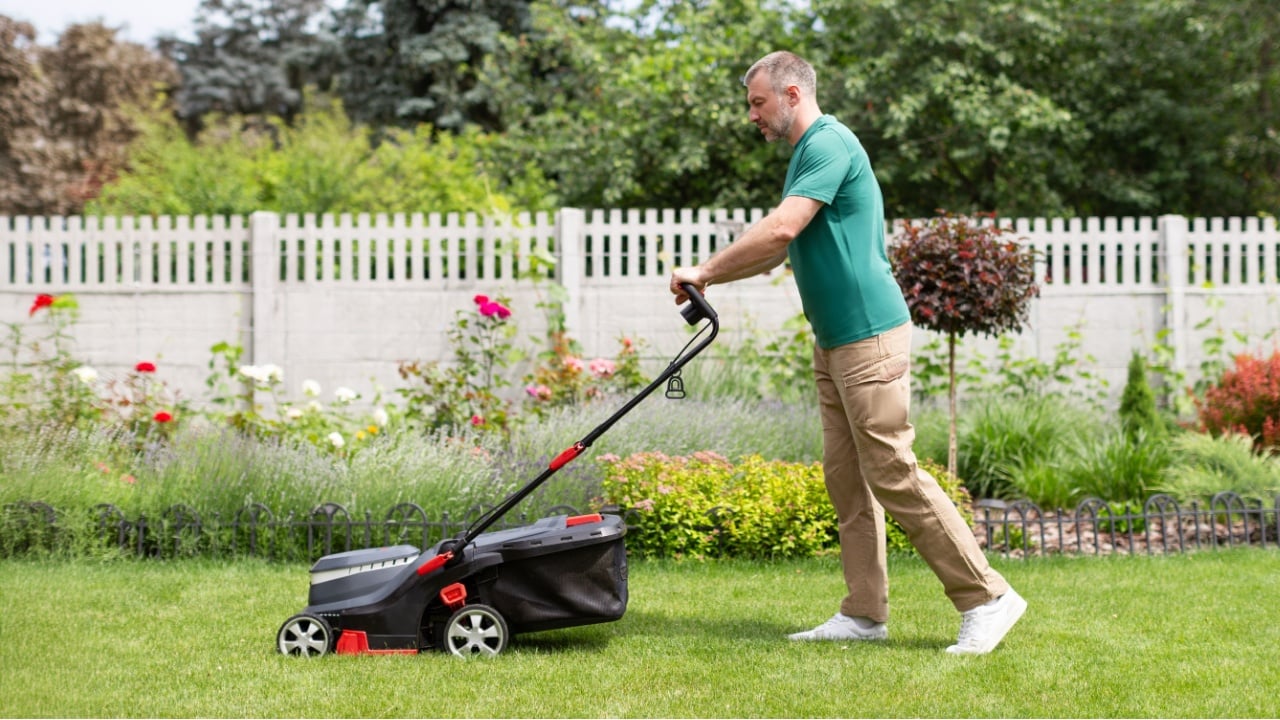
If you’re not sure where to begin, start with the highest-ROI moves: mow and edge the lawn, pull weeds, add fresh mulch to all your planting beds, and remove any dead or diseased plants. This alone can be done in a weekend for under $100, and it transforms the way a property reads from the street. From there, add a few potted plants to the front entry, check your outdoor lighting, and begin planning for a shade tree in a strategic location.
The American Society of Landscape Architects estimates in RedFin that quality landscaping can increase a home’s value by 15% to 20%, making the yard one of the highest-return investments a homeowner can make, inside or out. However, you don’t need to do it all at once. Small, consistent improvements compound. A yard that looks genuinely cared-for year after year is worth far more than a single dramatic renovation. Whether you’re preparing to sell or simply protecting the investment you already have, your yard deserves the same attention as any room inside.
The Yard Is Talking; Make Sure It’s Saying the Right Things
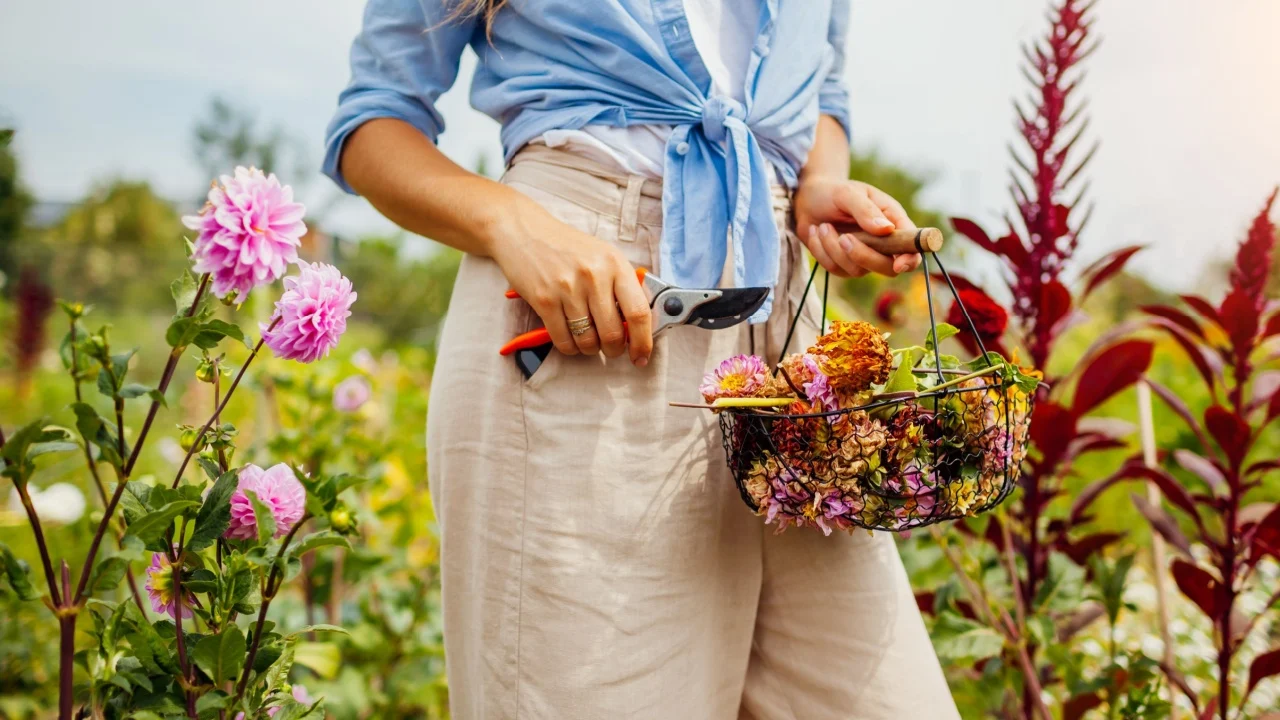
Every yard tells a story. Overgrown hedges, dead flower beds, and cracked walkways tell buyers that maintenance has slipped. A manicured lawn, fresh mulch, well-placed lighting, and a thriving raised bed tell a very different story: one of care, investment, and pride. For homeowners who have spent years building equity, the yard is often the last piece of the puzzle. The good news is that it’s also one of the most responsive.
You don’t have to tackle this list all at once. Pick the two or three upgrades that your yard needs most urgently and start there. The return, both financial and personal, is almost always faster than you’d expect.
Read more:
7 perennial planting mistakes to stop making right now
How to Grow Zucchini Vertically: 7 Steps That Save Space and Double Your Harvest