15 High-Maintenance Design Choices That Just Aren’t Worth the Stress
A beautiful home should never feel like a museum. While luxury showrooms and polished design photos often focus on perfect, untouched spaces, real homes are meant to be lived in. That’s why modern interior design has begun to shift away from strict perfection and toward a style that feels elegant, comfortable, and easy to maintain.
Today, true luxury is less about appearances alone and more about comfort, convenience, and time. If a material or layout needs constant cleaning and careful upkeep just to stay attractive, it quickly becomes exhausting.
Many homeowners and designers now prefer “low-friction elegance,” opting for finishes and design features that handle everyday life well, age naturally, and still look refined without requiring constant attention.
This guide takes a closer look at fifteen popular design features that are often praised for their visual appeal, but may not work as well in daily life. You will also find stylish, low-maintenance alternatives that deliver a polished look without the stress.
1. Carrara Marble Countertops
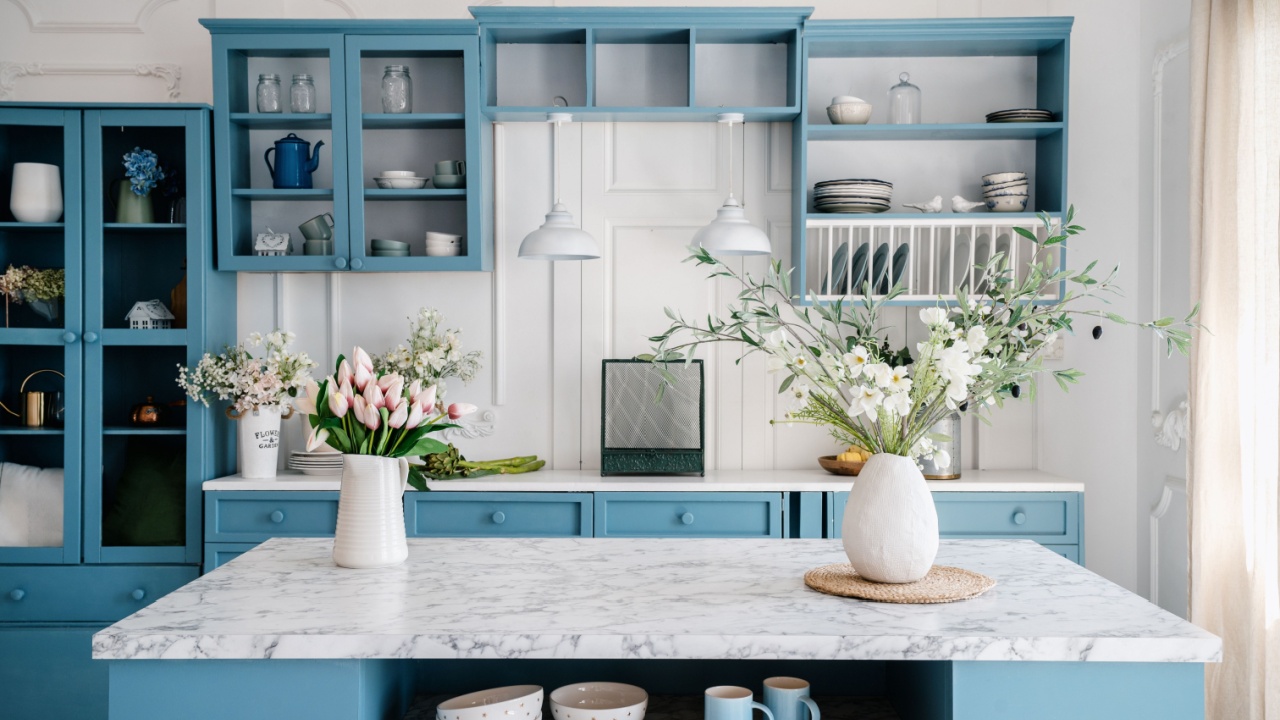
Carrara marble is a classic choice that people love for its elegant, bright white surface. However, this natural stone is highly porous and chemically sensitive because it is made of calcium carbonate. Everyday kitchen items like lemon juice, vinegar, wine, coffee, and tomato sauce trigger an immediate chemical reaction on contact, leaving permanent dull spots and dark stains.
Keeping natural marble looking good requires frequent sealing, immediate spill cleanup, and expensive, specialized cleaners. Even with perfect care, small scratches and dull areas from sliding pots or cutting boards will appear over time. The constant worry about damaging the surface often makes cooking in your own kitchen stressful.
Choosing engineered quartz or high-density porcelain slabs is a much smarter path forward. These modern alternatives look exactly like natural marble with the same beautiful veining but completely resist stains and scratches.
2. Solid Black Matte Flooring
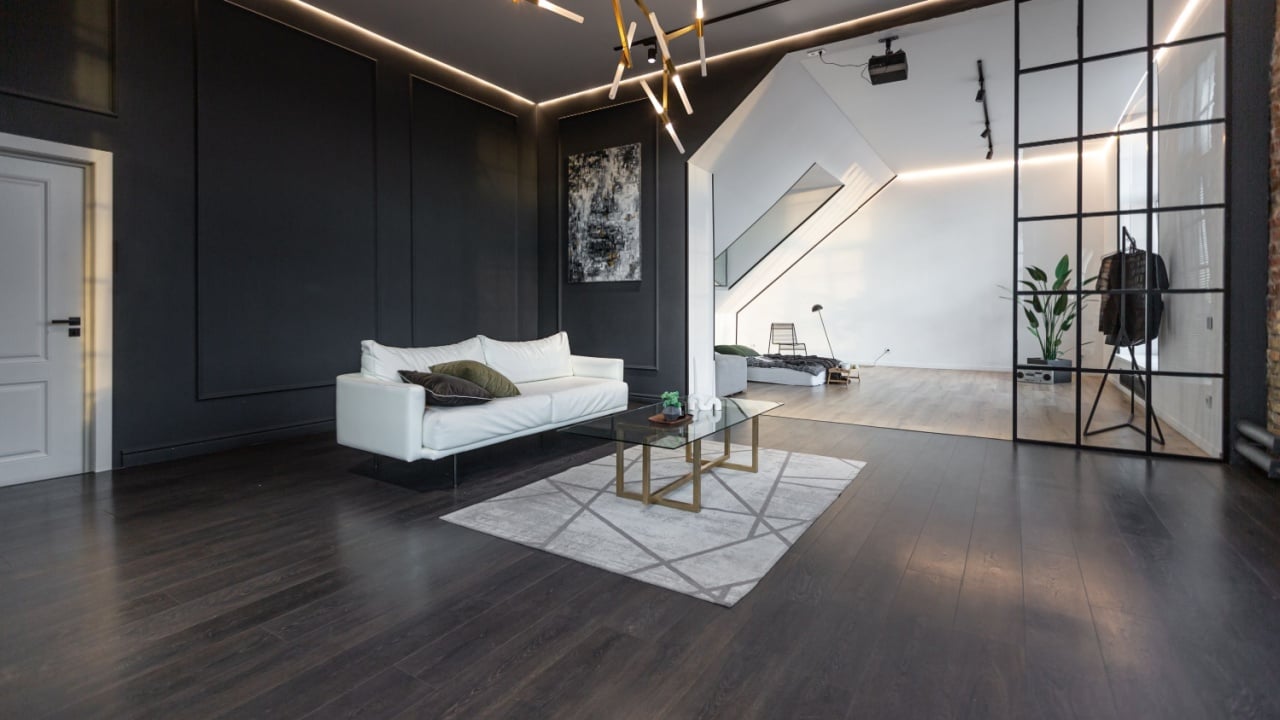
Solid black matte floors create a dramatic, modern look in minimalist homes, whether you use tile, wood, or vinyl. The big issue here comes down to basic contrast. Dust, pet dander, lint, and dried water spots are naturally light in color, which means they stand out instantly against a dark, non-reflective background.
Every single footprint, shoe scuff, and food crumb becomes visible right away, forcing you to vacuum and damp-mop almost every day. Standard floor cleaners also tend to leave visible streaks or cloudy films on matte finishes, turning a simple chore into a frustrating process. Most homeowners find that the floor looks dirty again just hours after cleaning it.
Using medium-toned flooring with natural wood grain or mixed colors provides a much more forgiving base for your home. Materials with soft gray, oak, or taupe tones naturally hide daily dust and minor debris between regular cleaning days.
3. High-Gloss Lacquer Cabinets
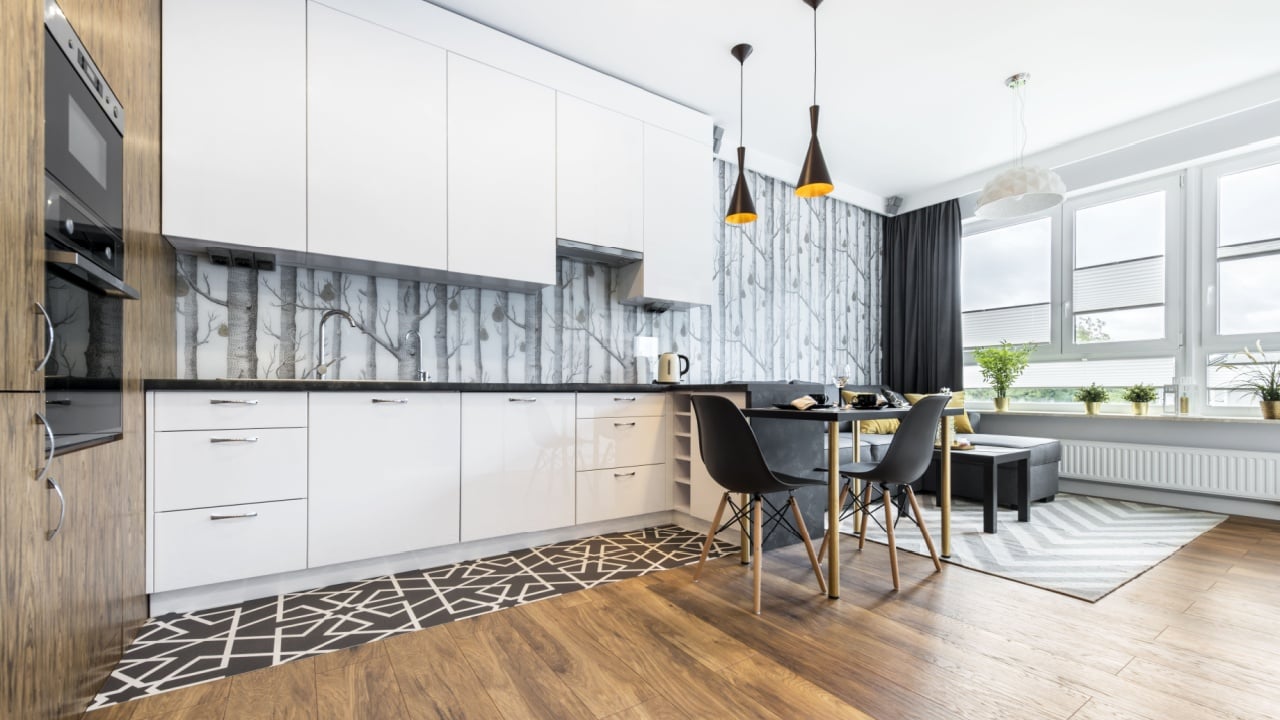
High-gloss lacquer cabinets reflect light beautifully, creating a sleek, ultra-modern look that makes kitchens and bathrooms feel larger. This mirror-like shine is created by applying multiple layers of smooth paint and polished topcoats. Unfortunately, this ultra-smooth surface acts like a magnifying glass for oily fingerprints, hand lotions, water splatters, and tiny scratches.
Keeping these cabinets pristine means wiping them down constantly with soft microfiber cloths and anti-static polishes. Standard kitchen sponges or paper towels can leave permanent swirling scratches that ruin the shiny finish over time. The edges of these doors are also prone to chipping if hit by pots, pans, or grocery bags, which requires expensive professional repairs.
Opting for flat-panel cabinets with a textured laminate, semi-gloss, or modern matte finish reduces visible smudging. Textured wood grains or fingerprint-resistant coatings absorb light instead of reflecting imperfections, which easily hides daily wear and tear. This change cuts down on cleaning time and keeps your cabinets looking uniform in any light.
4. Open Kitchen Shelving
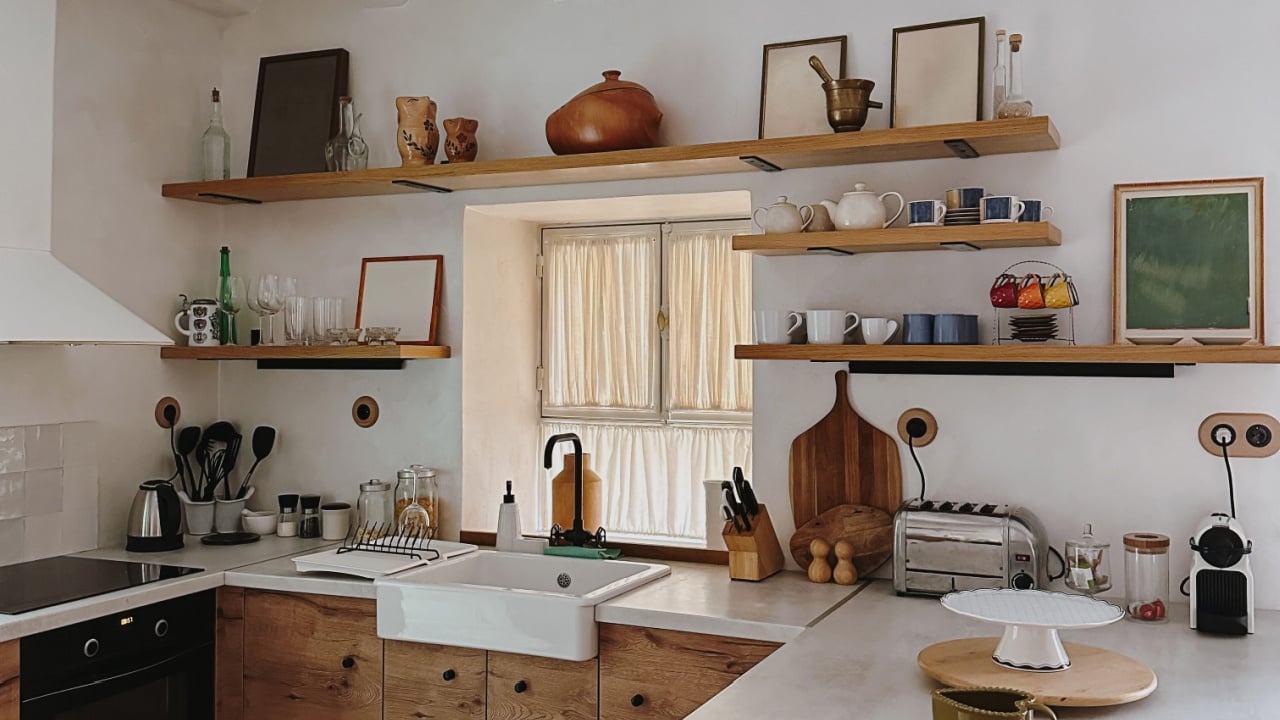
Open kitchen shelving replaces traditional upper cabinets to create an airy, spacious feeling inspired by commercial kitchens or cozy cottages. This layout removes the physical barrier of cabinet doors, leaving your plates, bowls, and glasses completely exposed to the room. Every time you cook, tiny grease particles float through the air and settle on these surfaces, trapping dust.
Items sitting on open shelves often need to be washed before you use them, even if they were clean when you put them away. The shelves themselves require constant dusting and wiping with degreaser to stop a sticky, unhygienic layer from forming. This setup also requires you to keep your dishes perfectly organized and matching, since all your clutter stays on display.
Using glass-front cabinet doors gives you that same open, bright look while protecting your kitchen items from dust and grease. Fluted, frosted, or clear glass inserts let light pass through and show off your nice dishware without the mess. This compromise keeps the spacious style of open shelving but eliminates the need for constant rewashing.
5. Seamless Concrete Showers

Seamless concrete showers offer an industrial, minimalist look that is very popular in modern bathrooms. Concrete is naturally porous, meaning it absorbs water and grows tiny hairline cracks as a house settles. Without a perfect moisture barrier, water seeps deep into the walls, causing hidden mold, damp smells, and white mineral buildup.
Protecting a concrete shower requires applying heavy-duty waterproof sealers during installation and reapplying them regularly. These protective coatings break down over time from exposure to shampoo, body oils, and standard bathroom cleaners. Once the sealer thins, the concrete absorbs water and stains permanently, making it impossible to scrub clean.
Large-format porcelain tiles or solid-surface panels are excellent alternatives for achieving a continuous, smooth look. Porcelain tiles that measure several feet across mean very few grout lines, reducing the areas where mold can grow. These materials do not absorb water, resist chemical stains, and never need topical sealers to stay completely watertight.
6. Shag and High-Pile Carpeting
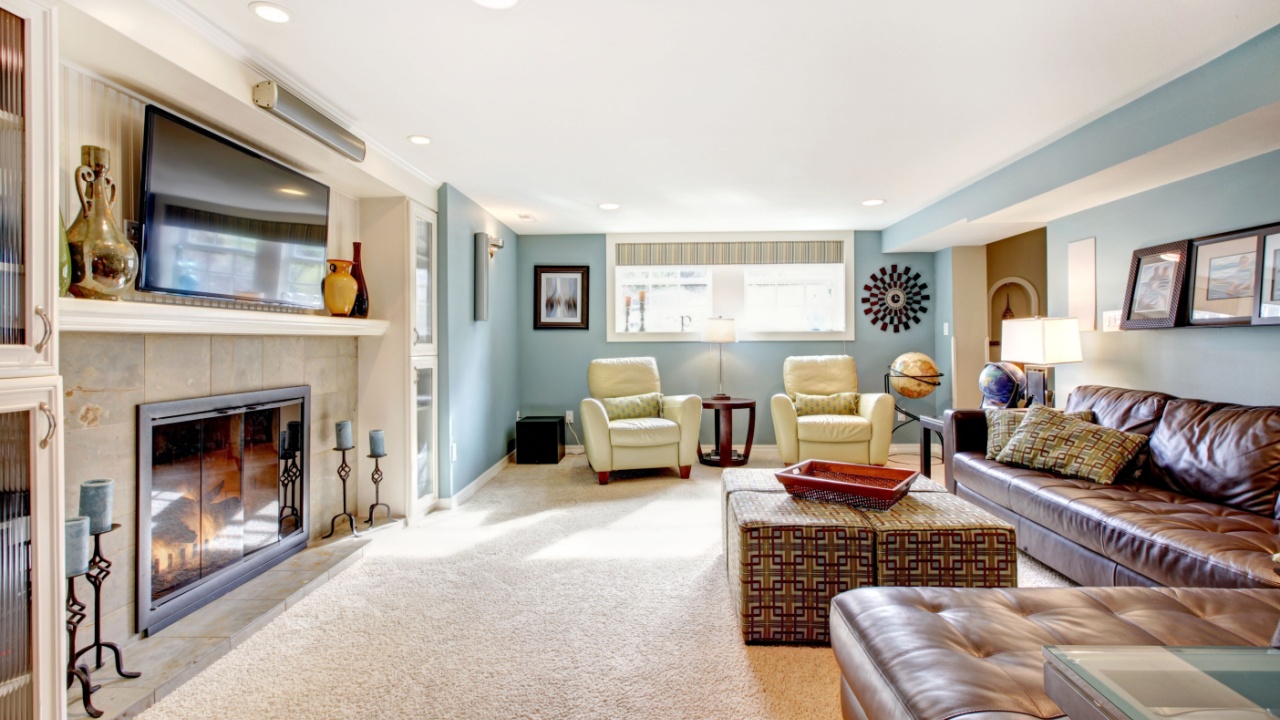
Shag and high-pile carpets add deep, luxurious texture and a super-soft feel to bedrooms and formal living areas. However, the long, loose fibers that make this carpet so comfortable also trap dust mites, pet hair, dirt, and outdoor allergens. This debris sinks deep down into the base of the carpet, far out of reach from a standard vacuum cleaner.
Maintaining a high-pile carpet requires special vacuum attachments, manual raking to keep the fibers standing up, and frequent professional deep cleanings. Liquid spills are a major risk because the thick fibers absorb liquids instantly, making spot cleaning difficult and causing deep odors. Over time, heavy foot traffic creates permanent flat paths that make the carpet look worn out.
Choosing low-pile, tightly woven wool carpets or premium flat-weave area rugs gives you plenty of comfort without the heavy maintenance. Low-pile layouts prevent dirt and allergens from getting trapped deep down, allowing regular vacuums to clean effectively. Tight weaves also resist matting and foot tracks, keeping your floors looking new for years.
7. Freestanding Flat-Bottom Bathtubs
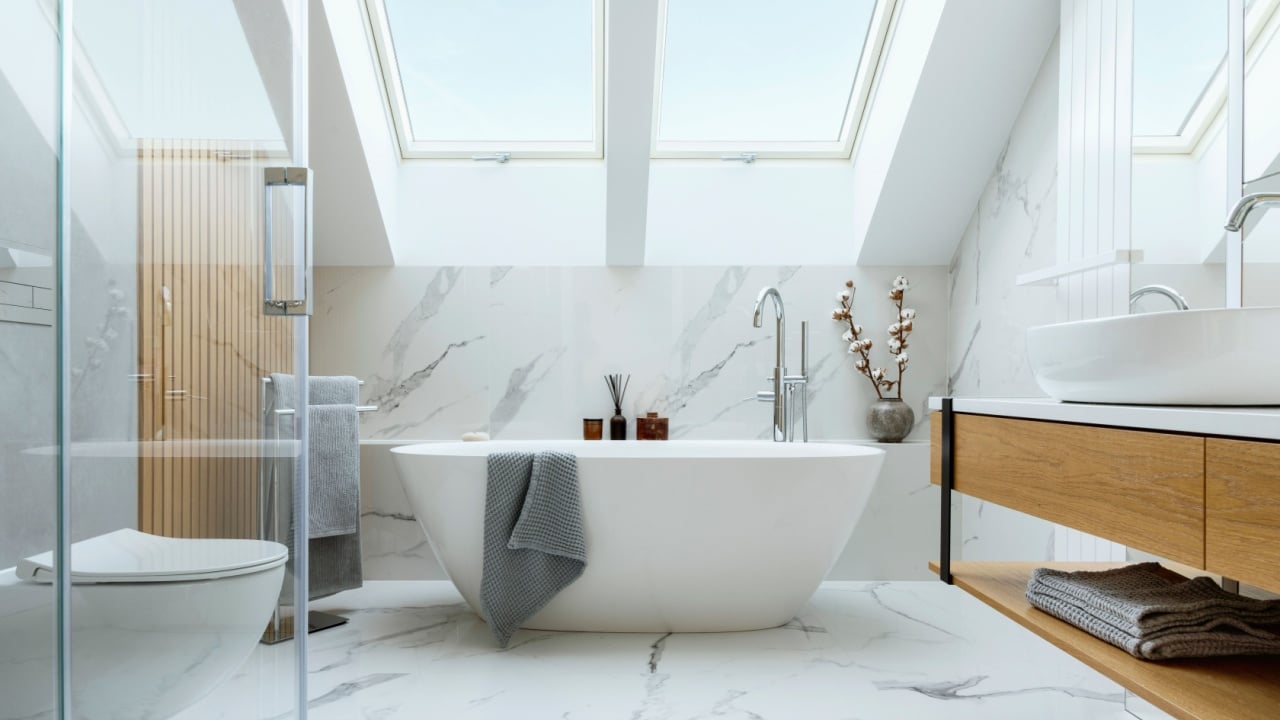
Freestanding flat-bottom tubs act as beautiful focal points, bringing the relaxing feeling of a luxury spa into a home bathroom. The maintenance issue arises where the tub is placed rather than the material of the tub itself. When these tubs are installed close to walls or corners, they create tight, narrow gaps that are nearly impossible to reach.
Water splatters, soap scum, and moisture collect in these hidden spaces during every bath, creating a perfect breeding ground for mold and mildew. Cleaning behind and underneath the tub requires awkward stretching and bending, turning wipe-down into a hassle. If your floor isn’t perfectly sloped, trapped water can pool invisibly and damage your subfloor.
Selecting a back-to-wall or corner freestanding tub removes these unreachable gaps while keeping the beautiful, sculpted look. This design gives you the visual impact of a standalone tub while keeping the surrounding floor easy to clean.
8. Polished Brass and Copper Fixtures

Polished brass and copper fixtures add a warm, golden glow that brings a sense of traditional luxury to kitchens and bathrooms. Uncoated versions of these metals are chemically active, meaning they oxidize naturally when exposed to water, oxygen, and skin oils. This process creates an uneven brown or green patina, water spots, and heavy tarnishing across the metal.
Keeping that original, mirror-like shine requires regular polishing with specialized metal cleaners and soft cloths. Heavy scrubbing can strip away any protective clear coats applied at the factory, which makes the metal tarnish even faster. If acidic items like toothpaste or lemon juice splash onto the fixture, they can etch the metal permanently.
Choosing brushed bronze, antique brass, or PVD finishes gives you a much more stable option for your hardware. Modern manufacturing applies incredibly durable, non-reactive coatings over the metal to prevent oxidation and stop water spots.
9. Glass Shower Enclosures Without Hydrophobic Coatings
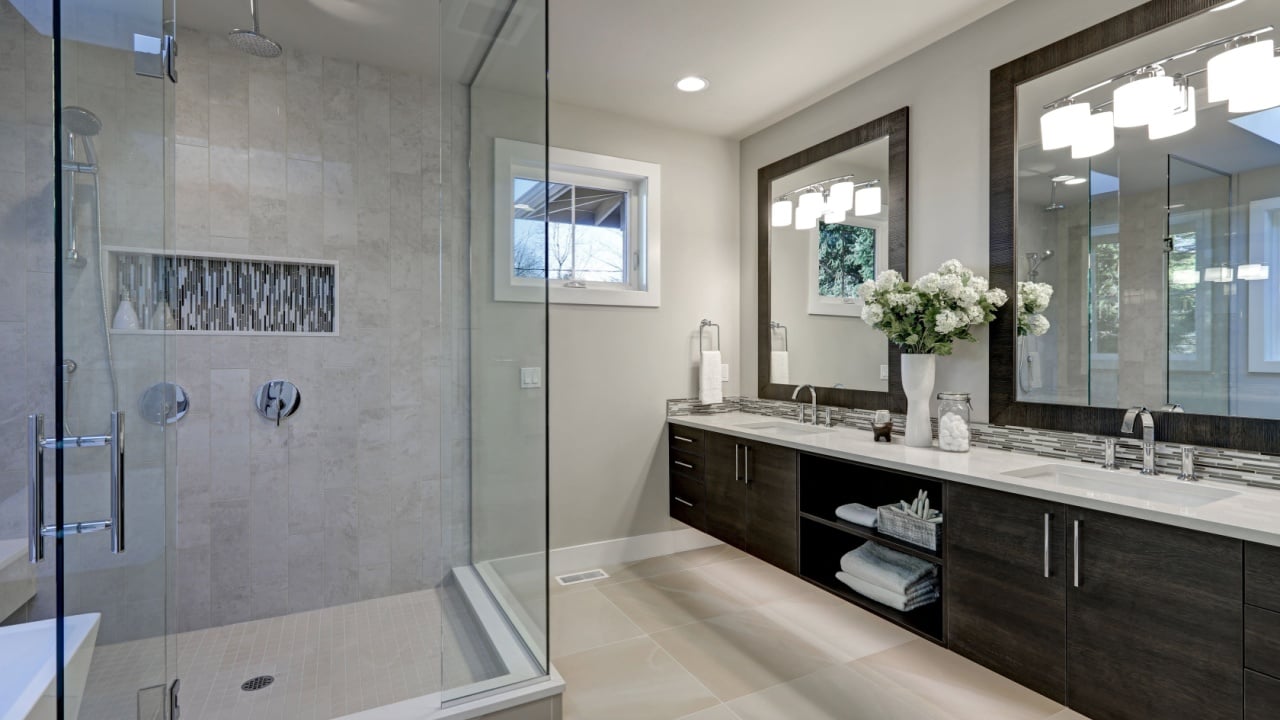
Standard clear glass shower doors open up a bathroom visually, letting you see decorative tilework and high-end shower heads. However, untreated glass has a rough surface that gives hard water minerals and soap scum a perfect place to stick. As water dries on the door, these minerals bond to the glass, creating stubborn white spots.
Preventing permanent mineral stains on basic glass requires using a squeegee after every single shower, along with weekly scrubbing using harsh chemical cleaners. Skipping this intense routine results in a permanent cloudy appearance that standard glass cleaners cannot correct. The constant work needed to keep the glass clear can quickly make your shower feel like a chore.
Ordering glass with a factory-applied hydrophobic coating or selecting low-iron glass can drastically reduce mineral buildup. This upgrade keeps soap scum and hard water from sticking, cutting your cleaning time down to a fraction of the usual effort.
10. Real Wood Decking in High-Moisture Zones

Real wood decking made from premium timber like cedar or redwood creates a warm, natural outdoor living area that blends beautifully with nature. Wood is a natural material that suffers heavy damage from sun exposure, rain, snow, and changing temperatures. Without constant care, natural wood decks split, warp, fade to a dull gray, and host wood-rotting mold.
Keeping a real wood deck safe and beautiful requires an intense maintenance schedule of power washing, sanding, and staining every one to two years. Splinters form naturally over time, making it unsafe to walk barefoot and requiring frequent localized sanding. You also have to check the screws and support boards regularly to prevent dangerous structural rot.
Switching to premium capped composite or cellular PVC decking materials offers a highly durable alternative for your backyard. These engineered boards copy the grain patterns and color shifts of real wood while completely resisting water absorption and sun fading. Composite systems never splinter, warp, or rot, requiring only a quick wash with soapy water to look great for decades.
11. White Grout in High-Traffic Areas

White grout creates a clean, sharp look that highlights beautiful tile patterns in entryways, mudrooms, kitchen backsplashes, and bathroom floors. Traditional cement grout is highly porous, which sucks up dirty mop water, mud, cooking grease, and spills. In busy areas, bright white grout darkens quickly, creating ugly, uneven stains along walkways.
Fixing stained white grout involves intense hand-scrubbing with small brushes and strong chemical bleaches, which can weaken the grout over time. Spraying on topical grout sealers helps temporarily, but these barriers wear away quickly under foot traffic and need to be reapplied often. The difficulty of keeping the lines bright usually results in a weathered, dirty look.
Selecting dark gray, charcoal, or dark brown grout colors naturally hides daily dirt and stains from shoes. For the absolute best durability, using epoxy or urethane grouting instead of standard cement ensures complete stain and water resistance. These advanced materials are non-porous, prevent liquids from soaking in, and keep their color without any sealing.
12. Floating Minimum-Clearance Vanities
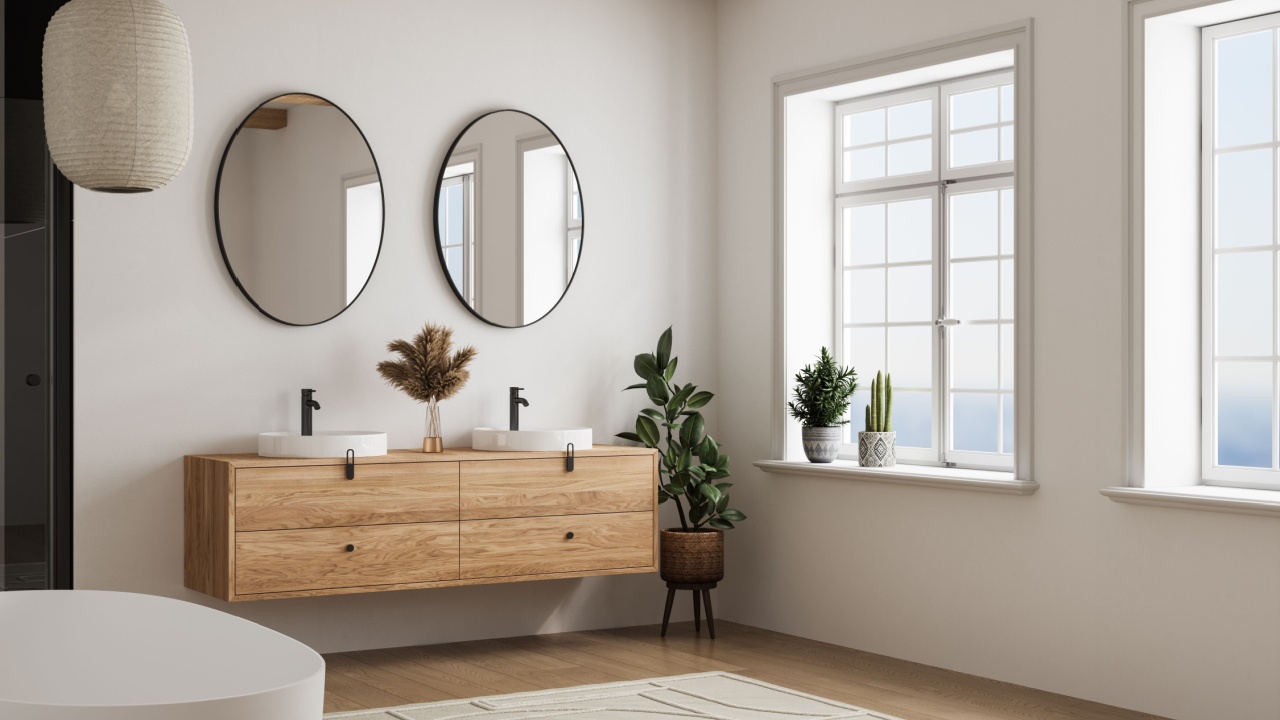
Floating vanities mount directly to your bathroom wall studs, leaving the floor underneath open to make small bathrooms feel larger. Minimalist styles of these cabinets are often placed just a couple of inches above the finished floor tile. This tiny clearance space blocks standard brooms, vacuums, and mops from fitting underneath easily.
Dust bunnies, loose hair, and stray water droplets gather in this dark, tight underside zone where you cannot see or reach them. Over time, this hidden dirt can hurt indoor air quality and encourage mold growth in damp, humid bathrooms. Cleaning the area properly forces you to get down on your knees with special slim vacuum tools, adding frustration to bathroom cleaning.
Raising the wall clearance to at least eight inches (as shown above) or choosing a vanity that goes all the way to the floor solves these problems.
13. Intricately Carved Architectural Millwork
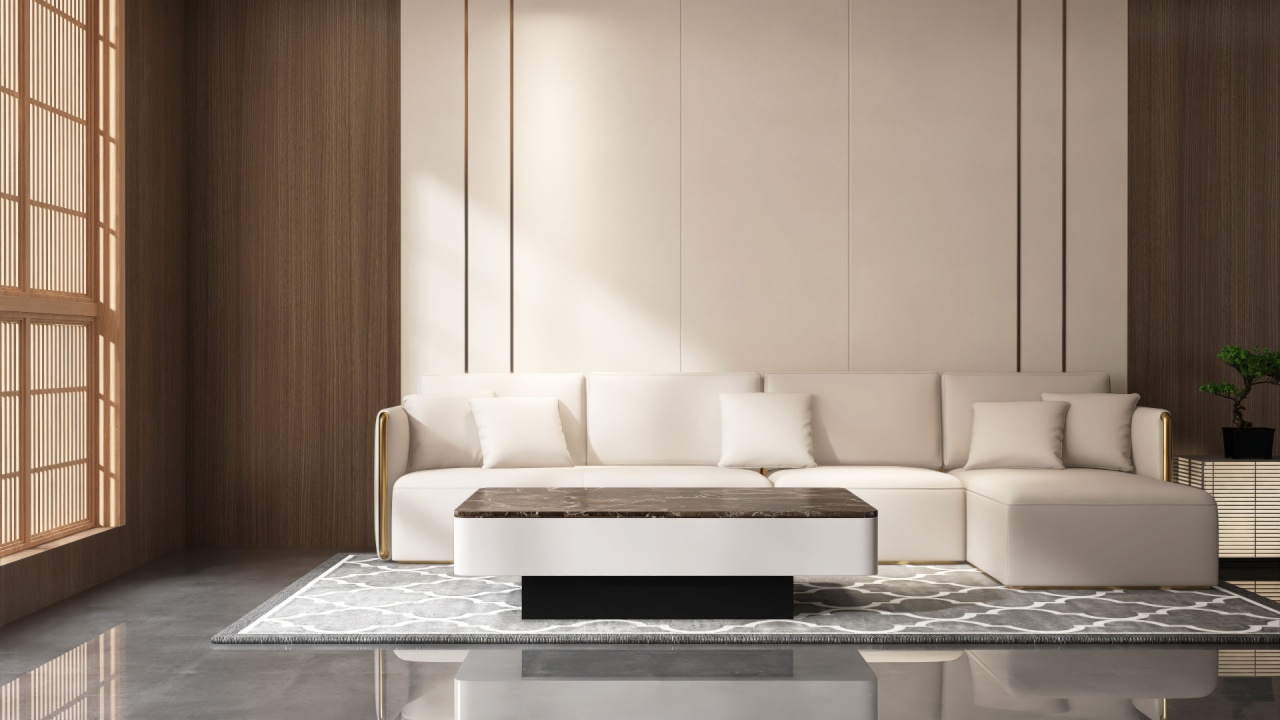
Intricately carved baseboards, ornate crown moldings, and detailed wall paneling add historic charm and character to traditional homes. However, the complex profiles, deep grooves, and detailed patterns create dozens of tiny horizontal surfaces that catch floating dust and pet hair. This buildup shows up clearly in rooms with bright overhead lighting or high ceilings.
Cleaning detailed woodwork requires slow, careful hand-dusting with small brushes or microfiber swabs to reach deep into the patterns. Regular wiping usually just pushes the dust further into the grooves, where it mixes with air humidity and turns into a stubborn crust.
Choosing streamlined, clean-lined woodwork profiles like Craftsman, Shaker, or simple flat boards greatly reduces dust buildup. These modern styles still provide excellent architectural detail while offering flat, open surfaces you can wipe clean in a single pass.
14. Velvet Upholstery on Primary Seating
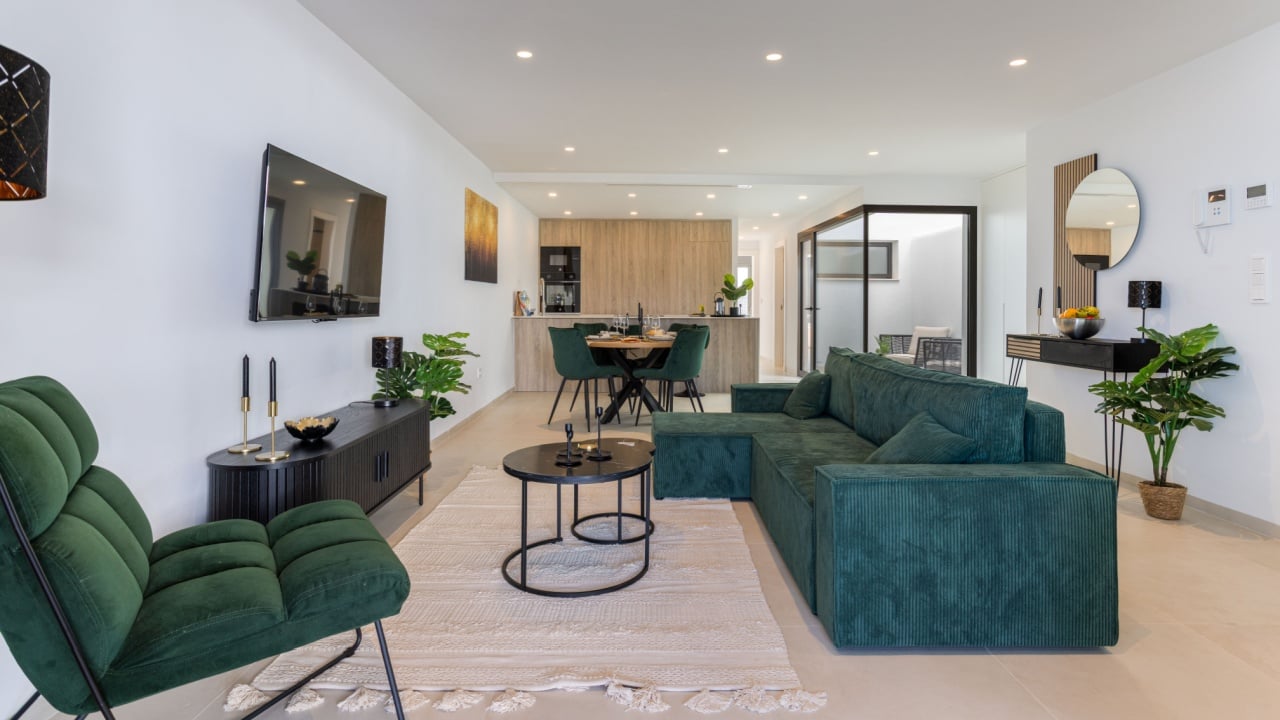
Velvet furniture offers a deep, luxurious texture and rich color that instantly upgrades the look of sofas and armchairs. However, the dense, upright fibers are a magnet for pet hair, lint, dust, and clothing fibers. Velvet is also highly prone to crushing, where normal sitting flattens the fibers and leaves permanent dark marks.
Keeping a velvet sofa looking good requires frequent vacuuming with special upholstery brushes and regular steaming to pop the flattened fibers back up. Water-based spills cause immediate stains by shifting the direction of the fibers, often requiring expensive professional dry cleaning to fix. In active households, this fabric quickly takes on a worn, messy appearance.
Choosing high-performance, tightly woven fabrics like solution-dyed acrylics, flat linens, or performance polyesters is a much better choice for main seating. These modern textiles are engineered with stain-repellent coatings and strong fibers that resist liquids and heavy wear.
15. Real Mirror Backsplashes
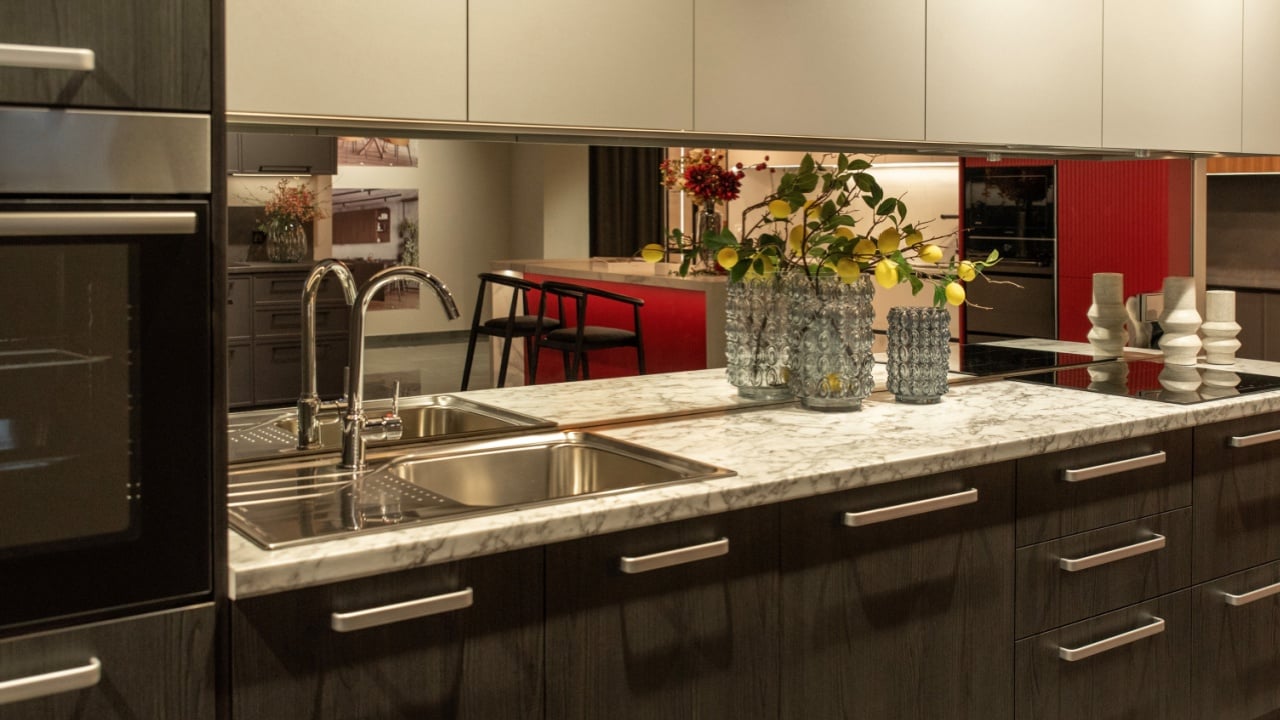
A real mirror backsplash reflects light and outdoor views, making kitchens and home wet bars look twice as deep. However, when you install these large mirrors behind sinks and stoves, they are constantly exposed to water splashes, dish soap, grease, and steam. The highly reflective surface magnifies every single droplet and oil smudge, making them visible from across the room.
Keeping a mirrored backsplash clean requires wiping it down multiple times a day with glass cleaners and microfiber cloths. You have to clean the surface while cooking splatters are still warm, or the oils will bake onto the glass and become difficult to remove.
Using large-format glazed ceramic tiles, back-painted glass panels, or shiny metallic tiles gives you a similar bright look with much less work. Glazed surfaces offer great light reflection while hiding minor smudges and water spots behind subtle patterns or colors.
Designing for Peace of Mind
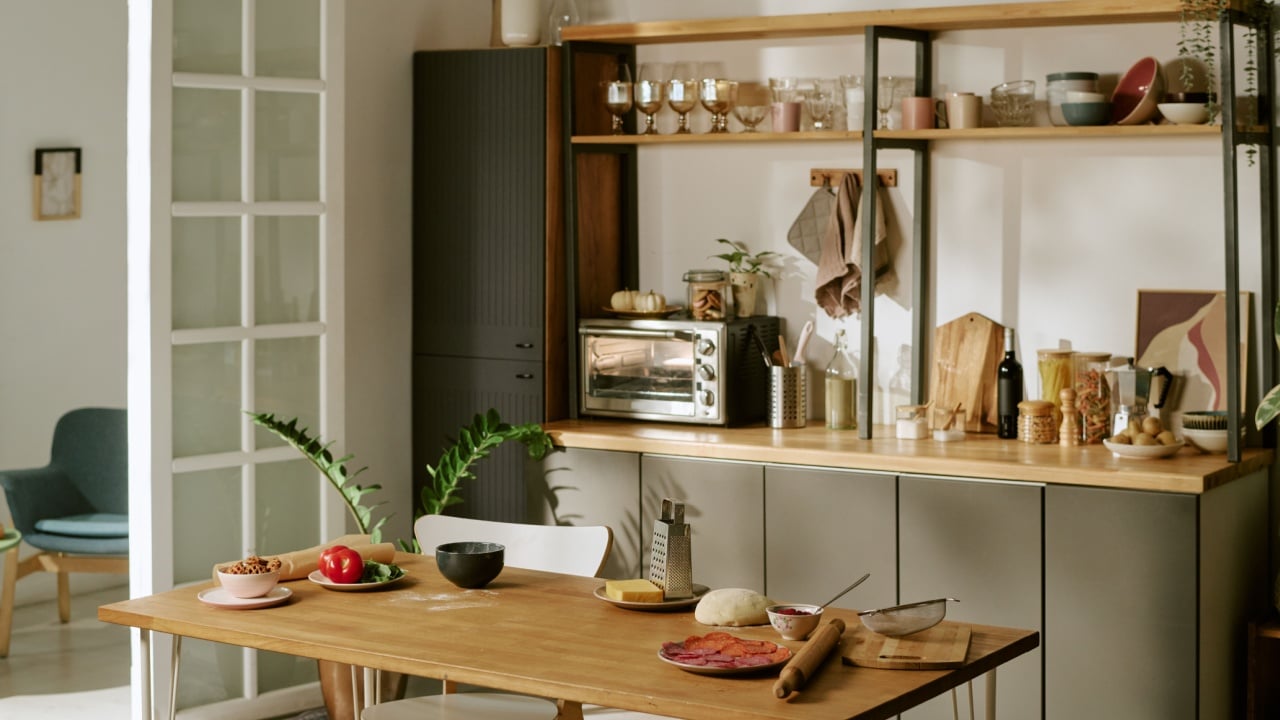
Creating a home you love means balancing beautiful design with effortless maintenance. High-maintenance materials often introduce unnecessary stress and endless chores. Opting for durable, low-maintenance alternatives helps you build a stunning living space that stays clean with minimal effort.
To start, evaluate high-traffic zones like kitchen counters, main flooring, and bathroom fixtures to identify which features consume the most cleaning time. Upgrading these busy areas with advanced performance materials allows you to keep a high-end look without the hard work.
Read More:
6 Viral Home Design Trends That Are Actually Giant Money Pits