
7 Places You Should Never Charge Your Phone to Keep Your Home Safe
Most people charge their phones without a second thought, plugging in wherever it is most convenient. But where you charge your device matters a lot. Some of the spots you use every day could be putting your home at risk.
Phone batteries generate heat during every charge cycle. When that heat has nowhere to go, it builds up.
That buildup is behind hundreds of house fires, electrical accidents, and ruined devices every year. Unfortunately, the risks are not always obvious.
Here are seven places you should stop charging your phone right now, and what you can do instead.
1. Under Your Pillow or In Your Blankets
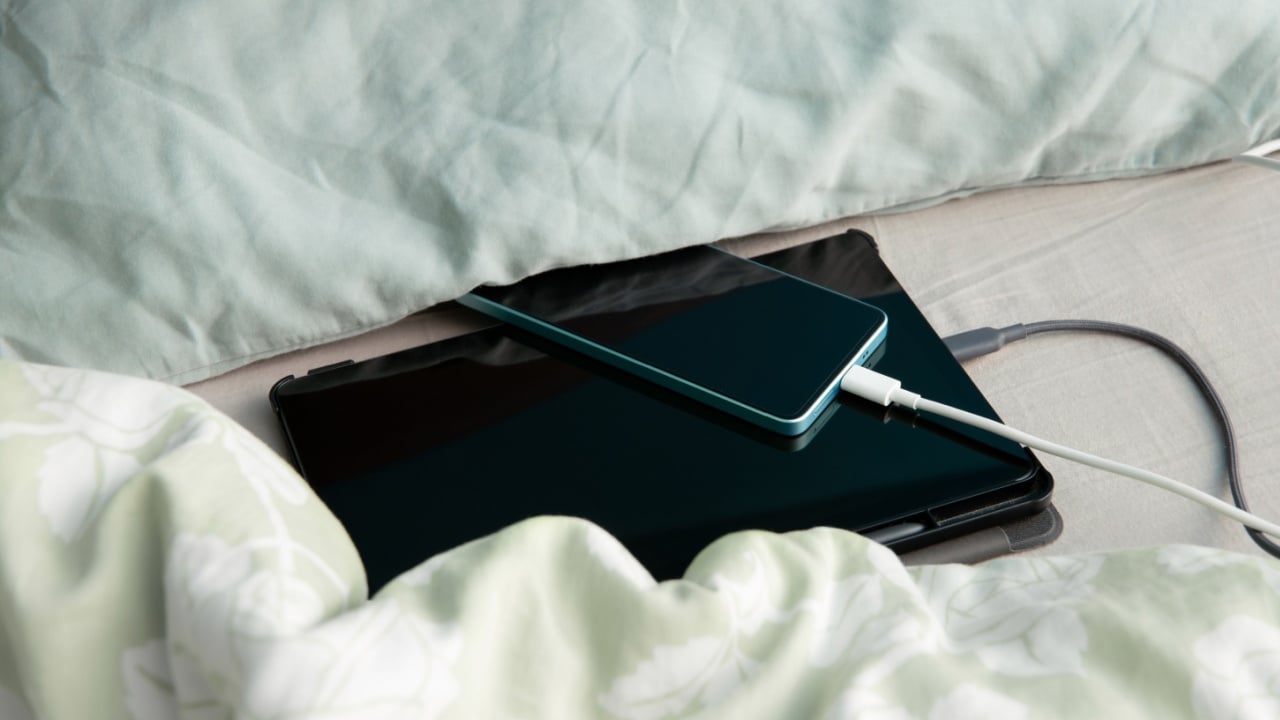
Your pillow feels like a cozy spot to keep your phone close overnight, but it is one of the most dangerous places you can charge it. Soft bedding wraps around your phone and charger, completely cutting off airflow and trapping heat with nowhere to escape.
Temperatures inside a pile of blankets or underneath a pillow can climb high enough to damage your battery or ignite fabric. The International Fire and Safety Journal has flagged phone fires in bedrooms as a growing concern precisely because of this habit.
Charge your phone on a hard, flat surface like a nightstand or dresser, where air can circulate freely around both the phone and the cable.
If you need your phone nearby overnight, place it on the surface beside your bed rather than inside it.
2. On a Couch
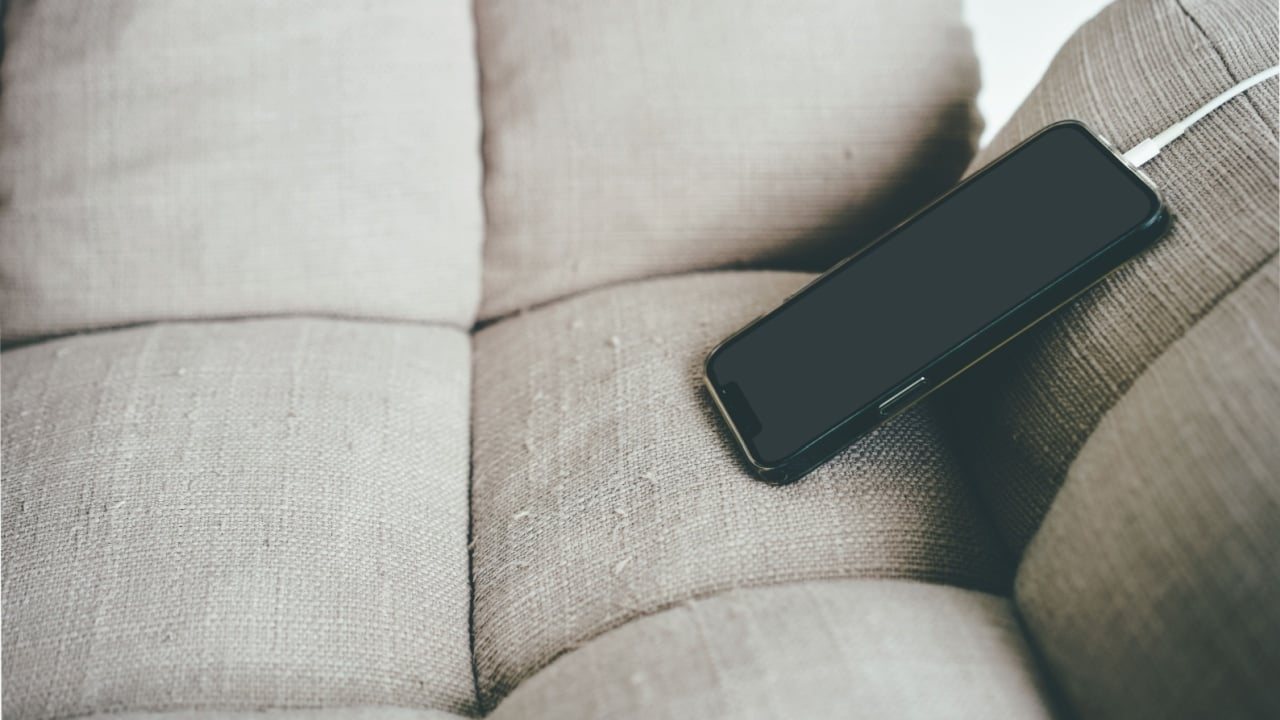
Dropping your phone between couch cushions to charge while you watch TV is dangerous. Fabric is a poor surface for a heat-generating device.
Upholstery and foam cushions act as insulation, blocking the airflow that keeps your phone and charger at a safe temperature. That trapped heat can degrade your battery and, in worst-case scenarios, start a fire in your furniture.
Couches are also problematic because phones are easy to lose in the folds of cushions, where they get pressed down and covered without anyone noticing.
A hard surface like a coffee table or side table is a much better option, even if it takes a slightly longer cable to reach.
3. In a Hot Car
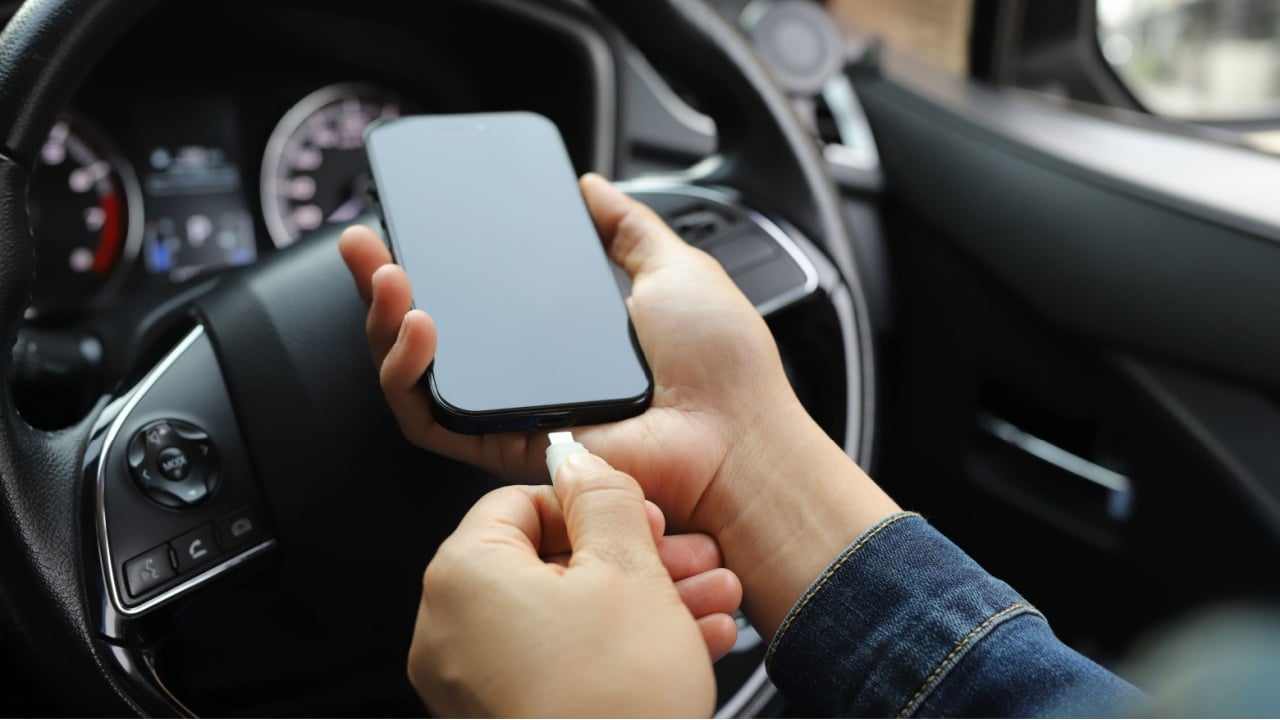
Leaving your phone to charge on a car dashboardon a warm day is asking for trouble. On a sunny afternoon, the interior of a parked car can reach temperatures well above 130°F, and the dashboard itself gets even hotter from direct sun exposure.
Lithium-ion batteries are designed to operate within a moderate temperature range, and pushing them beyond that causes swelling, capacity loss, and in serious cases, thermal runaway, which is when battery cells overheat uncontrollably and can catch fire.
If you need to charge your phone in the car, keep it out of direct sunlight and run the air conditioning to bring the interior temperature down. A cupholder or center console is a far safer spot than the dashboard, and a quality car charger with built-in circuit protection is worth the small investment.
Avoid leaving your phone plugged in and unattended in a hot vehicle, especially during the summer months.
4. In the Bathroom
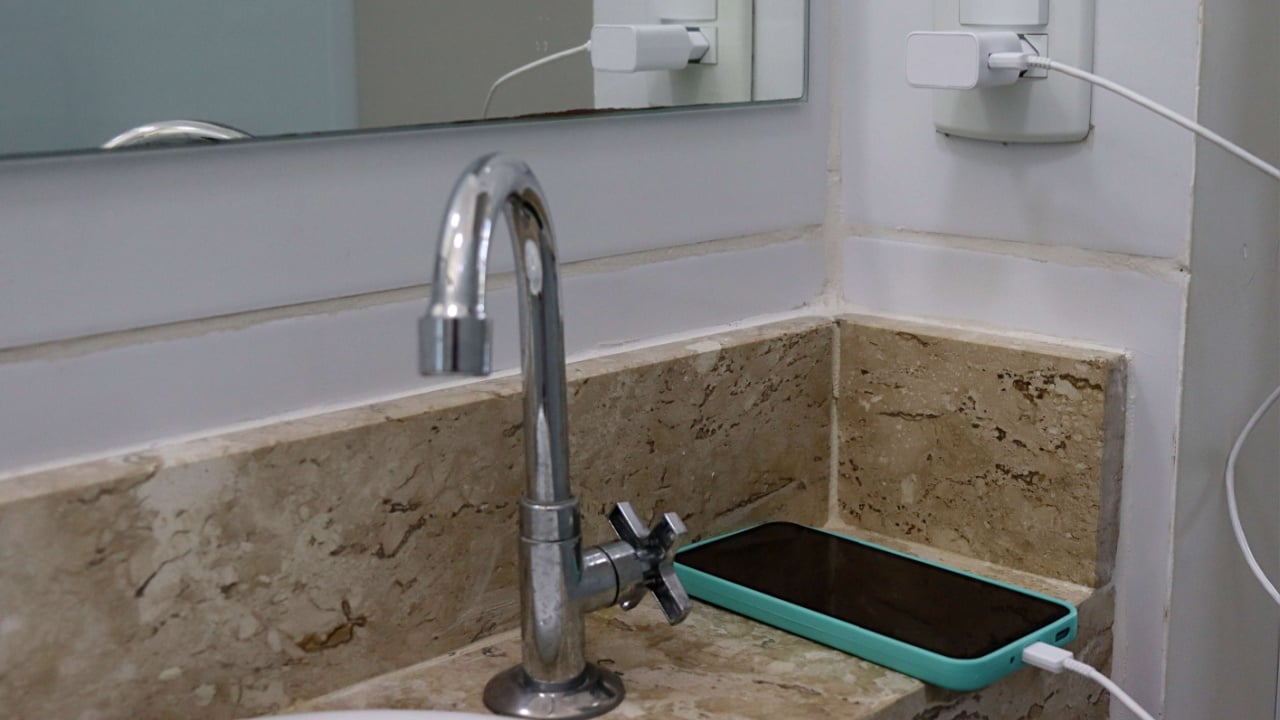
Bathrooms are one of the most dangerous rooms in the house for charging a phone. Water and electricity are a hazardous combination, and a phone charger plugged in near a sink, bathtub, or shower introduces real electrocution risk.
It only takes a splash, a knocked-over glass, or a slippery grip to bring water into contact with a live cable or adapter.
Beyond the safety hazard, humidity alone can cause problems over time. Bathrooms hold more moisture in the air than most rooms, and that moisture can work its way into charging ports and connectors, causing corrosion and internal damage.
Charge your phone in a dry room before heading into the bathroom, and leave the outlet in there for appliances that are actually designed to be used in wet environments.
5. On Public USB Charging Ports
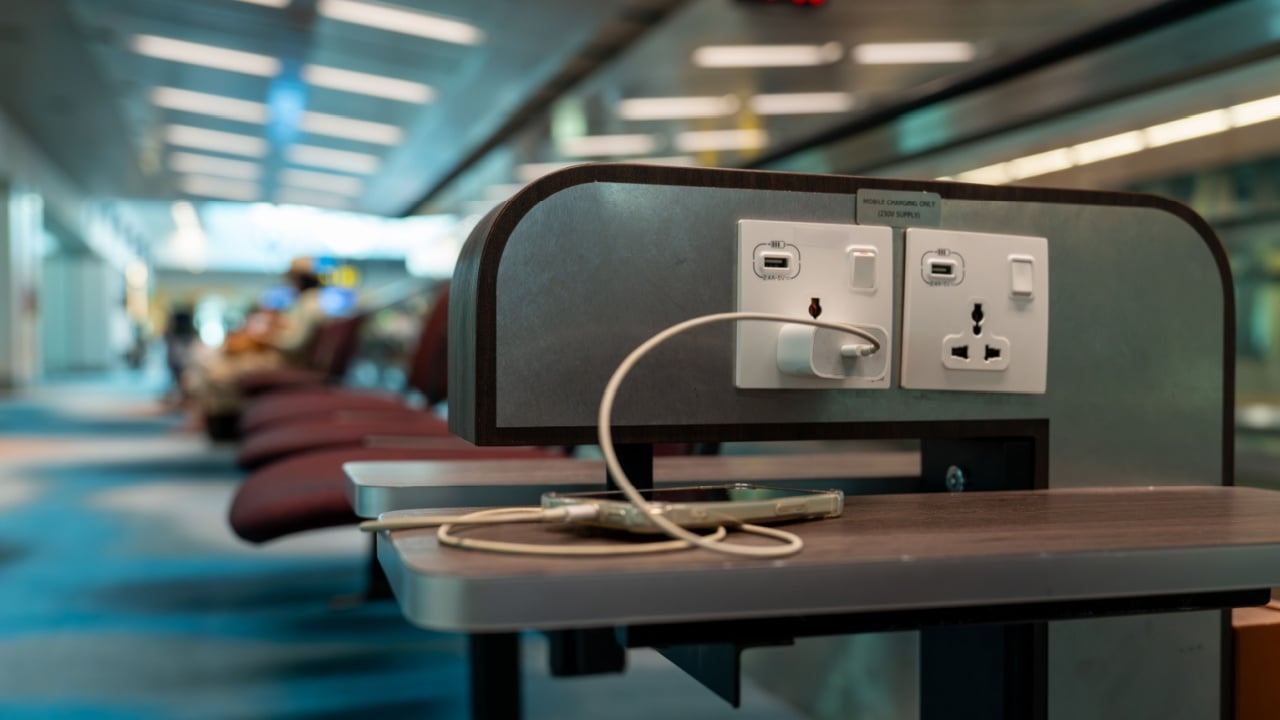
Public USB ports at airports, malls, hotels, and transit stations look like a helpful convenience, but they carry a risk that most people have never heard of. Cybersecurity experts call it “juice jacking,” a technique where a compromised charging port is used to silently install malware or copy data from your phone the moment you plug in.
USB connections transfer both power and data by design, so a tampered port can do far more than just top up your battery.
The FBI has actually issued public warnings advising people to avoid public USB charging stations for this exact reason. A personal power bank is the safest alternative when you are away from home, since it provides a private, secure power source without connecting to unknown infrastructure.
If a power bank is not an option, use your own AC adapter and plug it into a standard wall outlet instead of a USB port.
6. On a Faulty or Overloaded Power Strip
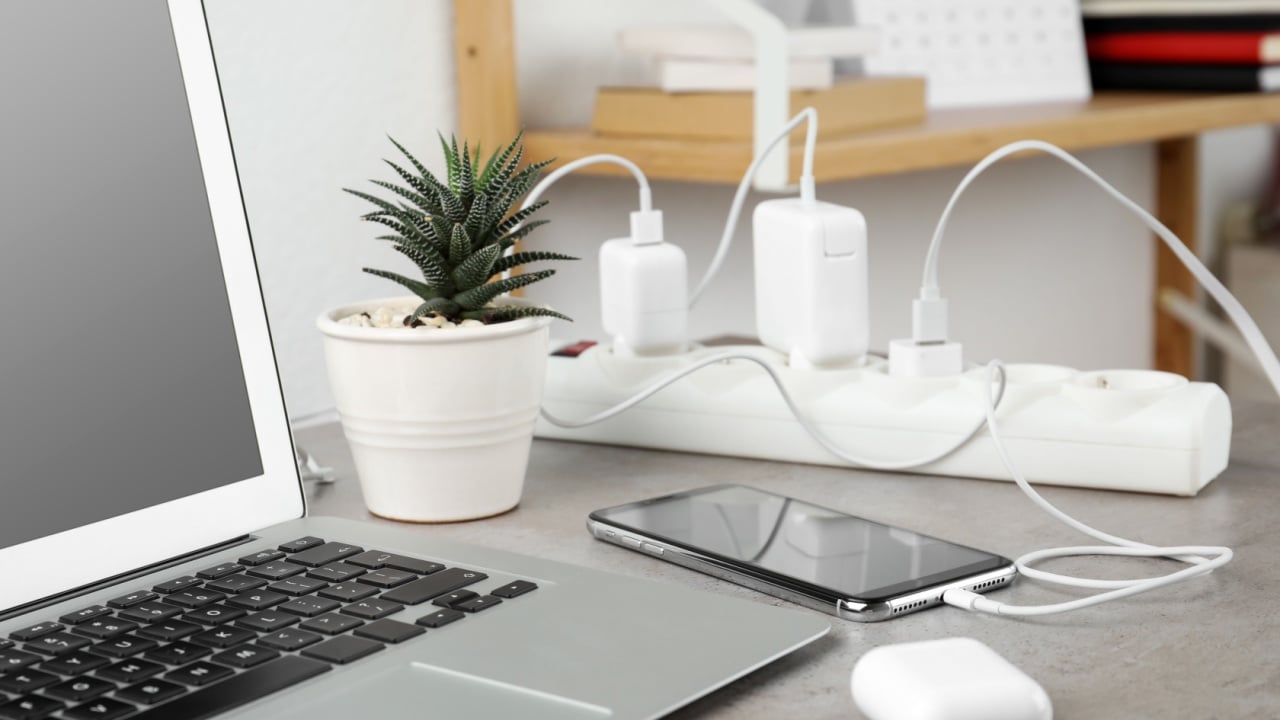
Power stripsare a staple in most homes, but they are also one of the most overlooked fire hazards. A strip that is too old, visibly damaged, or loaded with too many devices can overheat, spark, or trip its circuit protection at the worst possible moment.
Many people run a phone charger, laptop, TV, and lamp all off the same strip without realizing they are pushing it well past its safe capacity.
Look for visible signs of wear like discoloration, scorch marks, loose outlets, or a plug that feels warm to the touch. If you spot any of these, replace the strip immediately rather than continuing to use it.
A surge-protected power strip rated for your actual power needs is a better investment than a cheap one that cuts corners on safety components. Also, avoid plugging one power strip into another, a practice known as daisy-chaining, which significantly increases the risk of overload.
7. Near Flammable Materials
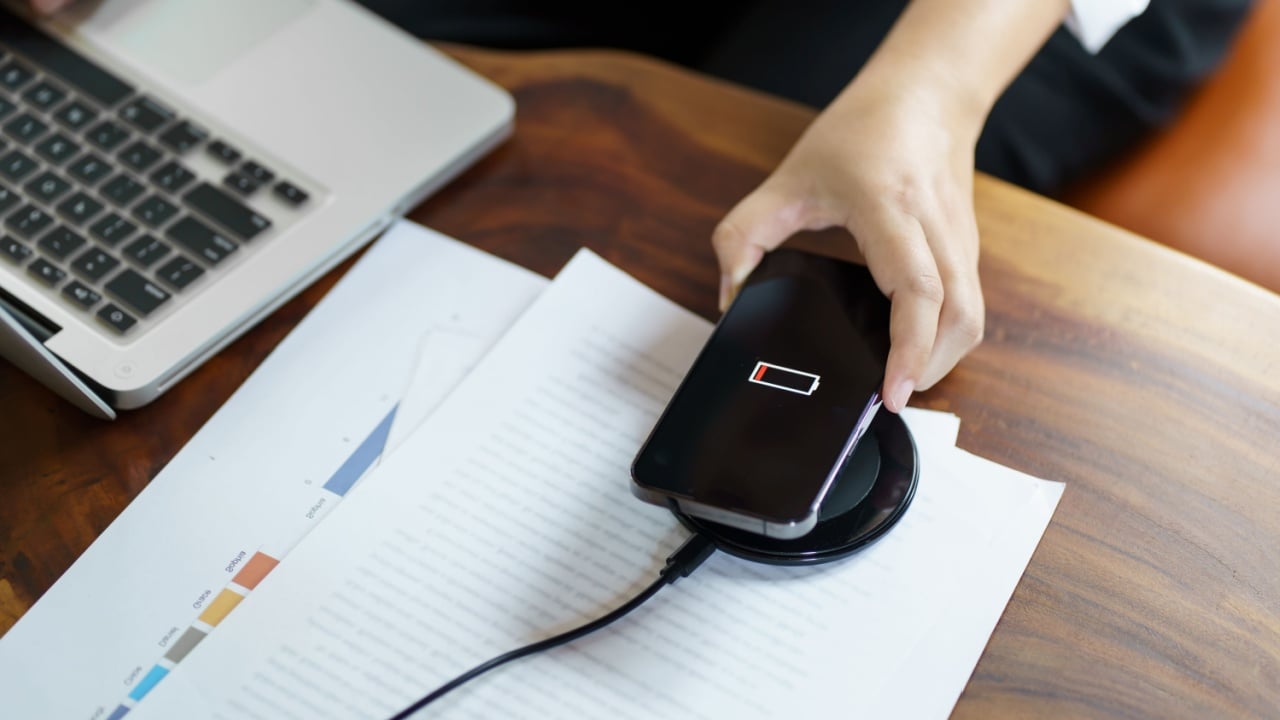
A phone charger sitting next to a stack of papers, a cardboard box, or a fabric curtain is a real fire risk. Chargers and cables can occasionally spark or generate more heat than expected, especially if they are low-quality or slightly damaged.
All it takes is a small amount of heat and a flammable surface nearby for a minor electrical issue to turn into something much worse.
Clearing space around your charging station. Try to keep at least a few inches of open space around your charger, phone, and cable, free from paper, fabric, wood shavings, or anything else that could catch a spark.
Treat your charging area with the same awareness you would give a candle or a space heater.
A Smarter Way to Charge Every Day
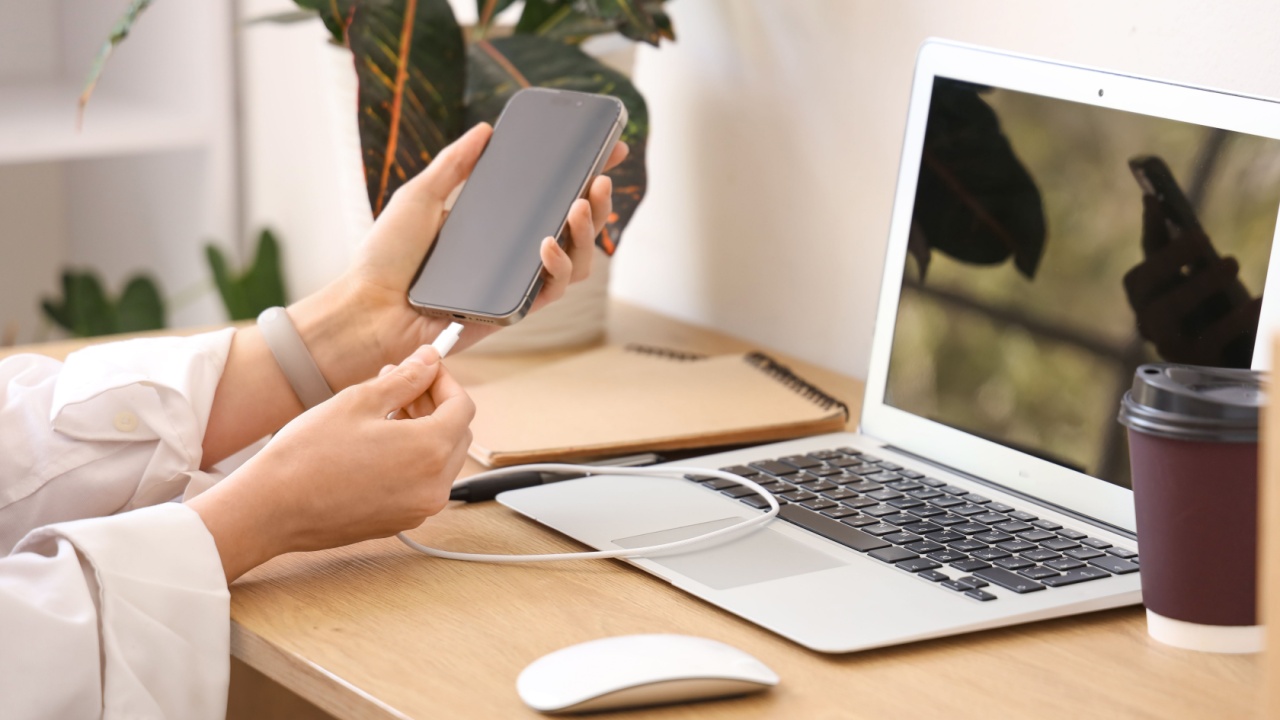
Changing where you charge your phone is one of the smallest adjustments you can make with one of the biggest payoffs. Stable surfaces, dry rooms, trusted equipment, and some clear space are really all it takes to charge your device safely at home or on the go.
It also helps to pay attention to the equipment itself. A certified charger from a reputable brand, a quality surge-protected power strip, and a personal power bank for travel cover most of the situations where people tend to cut corners.
If your current charger or cables are old, frayed, or running unusually hot, replacing them now is far cheaper than dealing with the damage they could cause later.
Read More:
Millions Are Charging Their Phones Wrong and Firefighters Say It’s a Pending Disaster