Is Stump Grinding Worth the Cost for Most Homeowners?
A tree comes down, the work gets done, and then the stump just sits there. It becomes part of the yard by default, not by choice, and most homeowners eventually start wondering if it is worth the money to deal with it properly.
Stump grinding is one of those services that sounds simple on the surface but carries practical value. The cost is not just for grinding wood down to nothing. It is for reclaiming a piece of the yard that has been quietly working against the rest of the property.
For homeowners who want a cleaner, safer, and more functional outdoor space, the case for stump grinding tends to get stronger the longer a stump is left in place. The frustrations pile up gradually, and so do the reasons to act.
Below are some of the most important factors homeowners should weigh when deciding if stump grinding is worth the investment, from curb appeal and safety to long-term yard health and overall value.
1. A Stump Hurts the Look of the Whole Yard
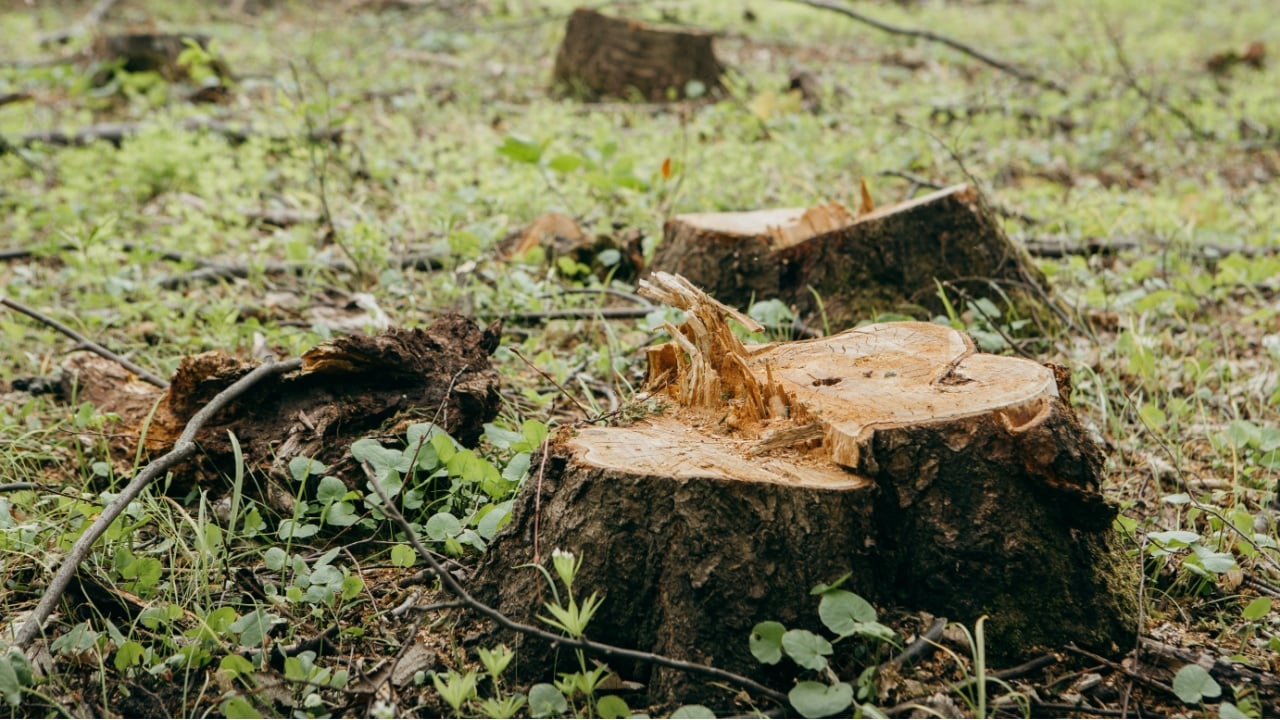
An unsightly stump can diminish the curb appeal of even a well-maintained yard. No matter how neat the lawn is or how healthy the surrounding plants look, a stump draws the eye in the wrong way and signals that something is left undone.
It affects how the entire property reads from the street, and that matters whether a homeowner is planning to sell or simply takes pride in how the yard looks.
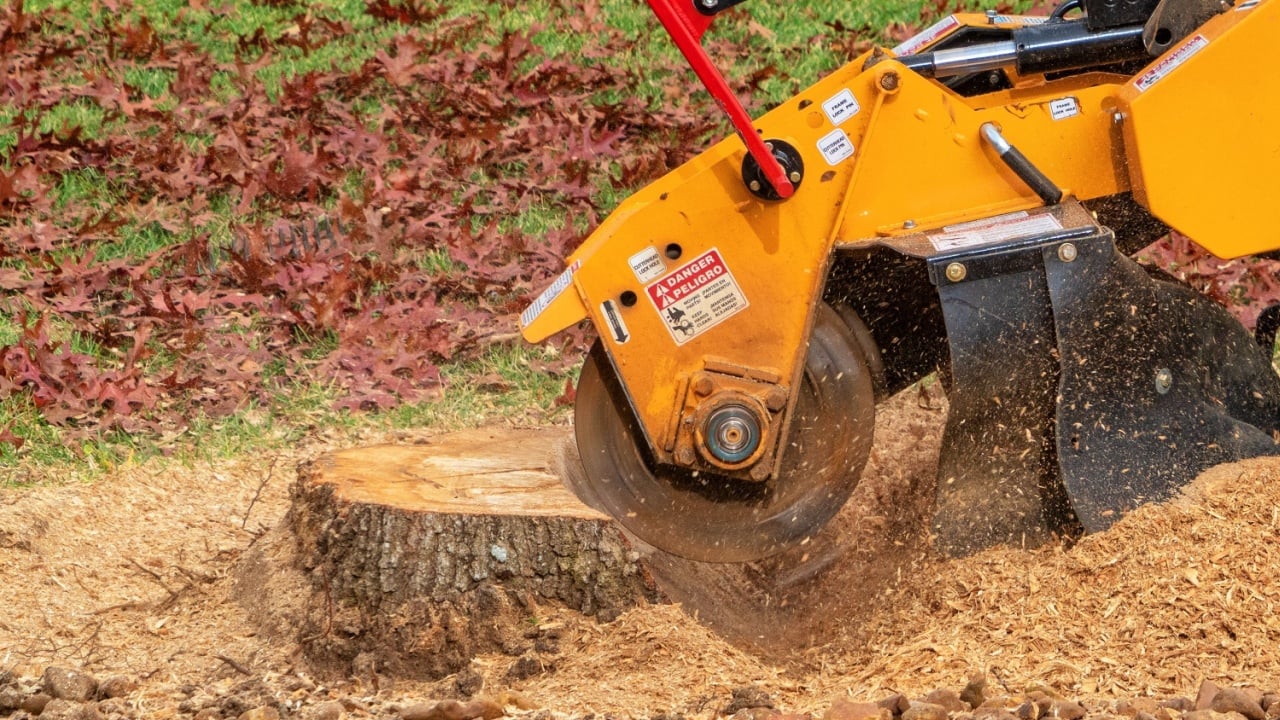
Stump grinding resolves this in a single visit. Once the stump is ground down below the soil surface, the area can be filled, seeded, or left to blend naturally with the surrounding lawn, and the yard immediately looks more complete.
Homeowners who have had grinding done often report that the improvement to the overall appearance is one of the most noticeable and satisfying results they see right away.
2. Stumps Create Real Safety Risks

Stumps are easy to underestimate as hazards, right up until someone trips over one. This is especially true in yards where children play, where guests walk after dark, or where the lawn grows tall enough to hide the stump’s edges entirely.
A low stump that blends into the grass can catch a foot just as easily as one that stands several inches above the surface.
Beyond the immediate tripping risk, there is also the question of liability. If a visitor is injured by tripping on a stump, the homeowner could be held liable.
3. Yard Maintenance Becomes Much Simpler Once It’s Gone
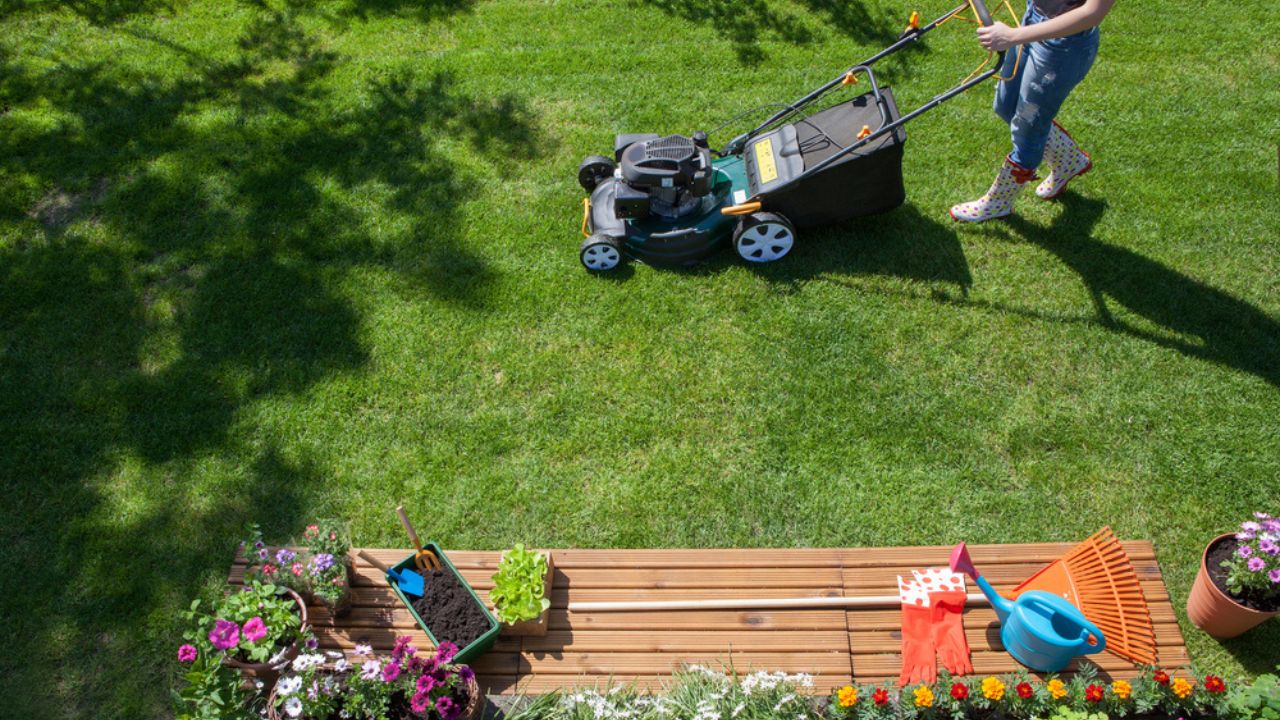
Mowing around a stump adds time and frustration to every single lawn care session. The mower has to stop, shift, and navigate around the obstacle, and string trimmers have to carefully work around the base to avoid damage to both the equipment and the stump.
Over the course of a season, that small detour adds up, and many homeowners find themselves dreading the chore more than they should.
Grinding the stump removes that obstacle from the routine entirely. The lawn becomes one continuous surface that is far easier to mow, edge, and maintain without any workarounds.
For homeowners who take lawn care seriously or who pay for professional maintenance, eliminating that obstacle can also reduce the time and cost of keeping the yard in good shape.
4. Stumps Block Valuable Yard Space
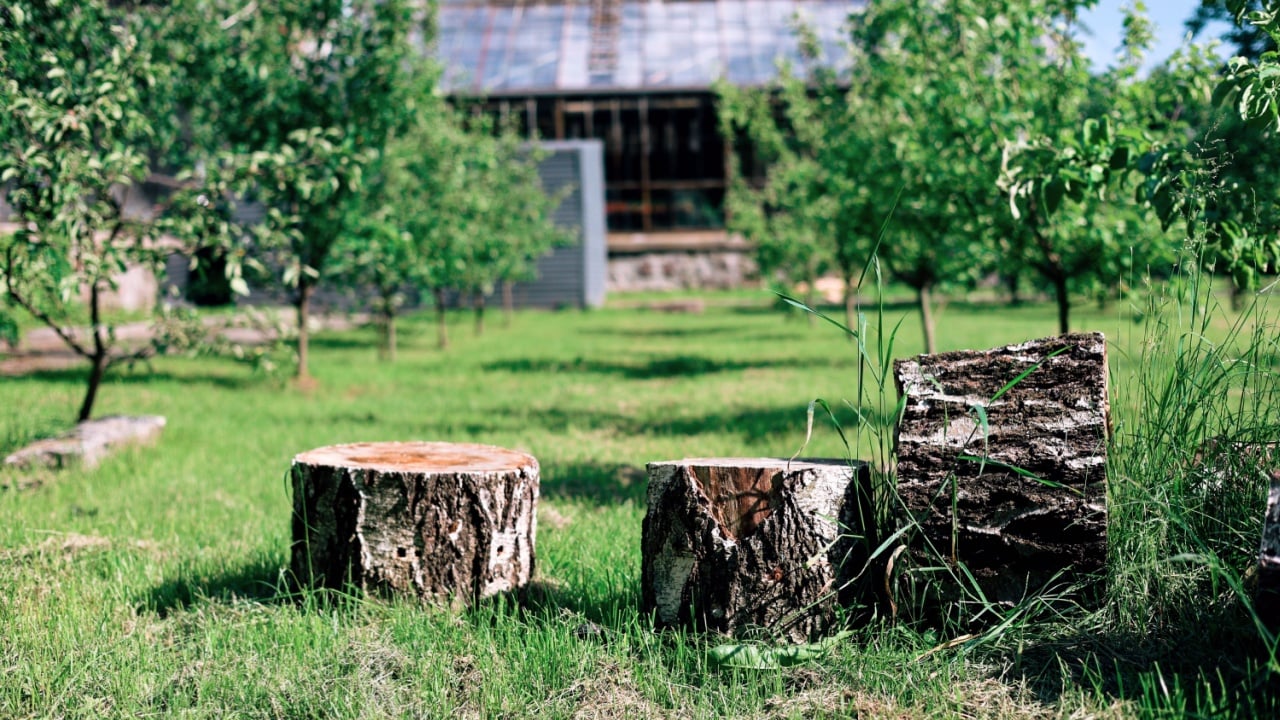
A stump sitting in the lawn is not just an eyesore. It actively occupies space that could be used for something better. Homeowners who want to add a patio, expand a garden bed, install a fire pit, reseed part of the lawn, or simply have a clear stretch of grass are often working around a stump that was never meant to be a permanent fixture.
That limitation becomes more obvious the more someone wants to do with the yard. Stump grinding frees up that space without requiring a major excavation project.
Once the stump is gone, the footprint it occupied becomes workable ground again, and homeowners can move forward with plans that would have been impossible or awkward before.
The cost of grinding often looks much more reasonable when measured against what the freed-up space makes possible.
5. Leaving a Stump to Rot Creates New Problems
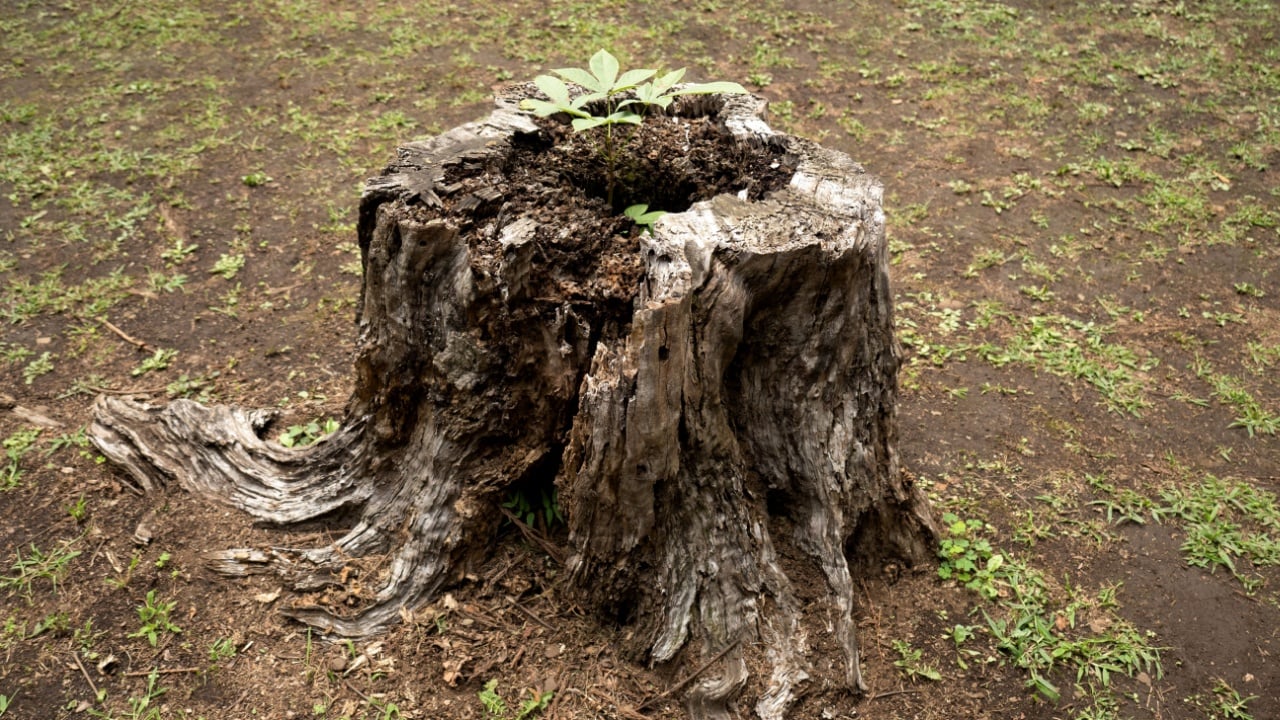
Some homeowners decide to leave a stump in place and let nature handle it. On the surface, that sounds like a low-effort solution, but the decay process is slow and rarely clean.
Depending on the size and species of the tree, a stump can take anywhere from three to seven years to break down on its own, and during that time, it can attract wood-boring insects, termites, and fungal growth that spreads to other parts of the yard.
Rotting stumps also tend to produce unwanted regrowth. Many tree species send up new shoots from the root system even after the trunk is removed, turning one stump into a recurring maintenance issue.
The stump that was supposed to disappear quietly often becomes a bigger problem before it goes away, and grinding it early prevents all of that from developing in the first place.
6. Grinding Delivers More Value Than Full Stump Removal
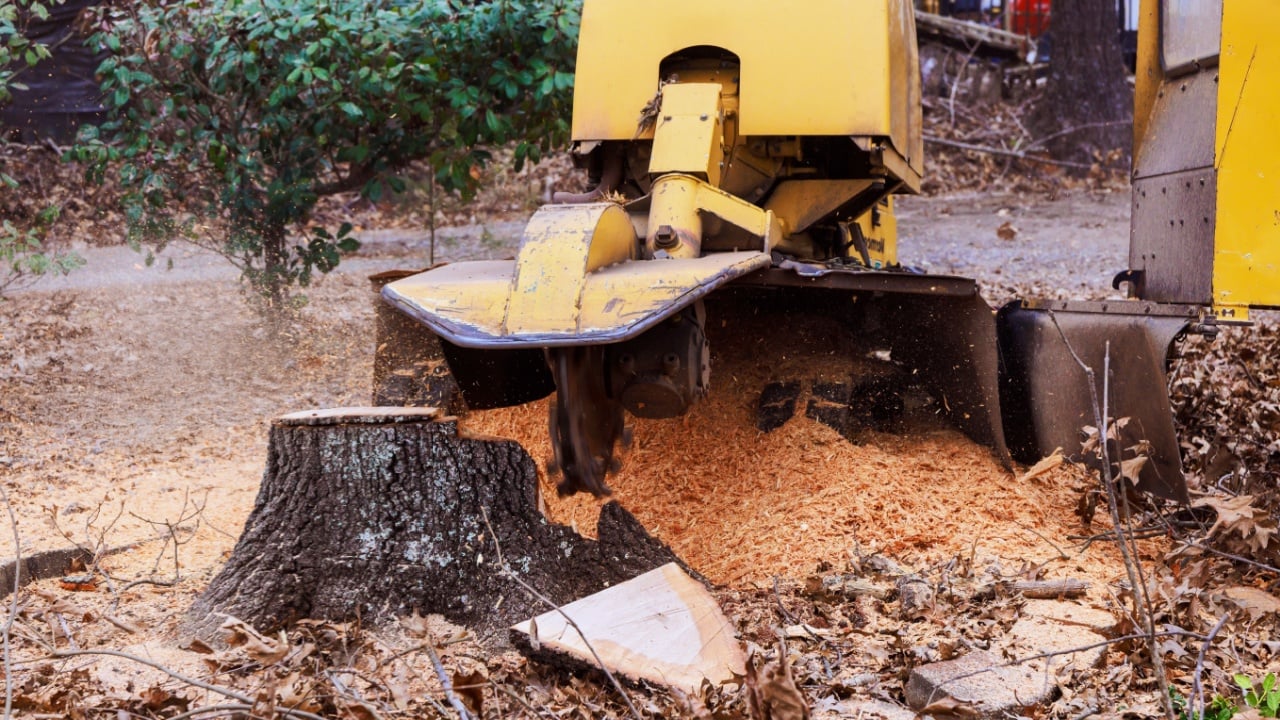
When homeowners compare stump grinding to full stump removal, the difference in disruption is significant.
Full removal requires digging out the entire stump and root ball, which can tear up a large section of the surrounding lawn and leave a deep hole that needs to be filled and restored.
That process is more labor-intensive, more expensive, and far harder on the yard (although small stumps can be removed by homeowners on their own). Stump grinding removes the visible stump and grinds it down below the surface without disturbing the surrounding soil nearly as much.
The root system remains underground and naturally decomposes on its own. For most residential properties, grinding delivers the same clean result as full removal at a lower cost and with far less disruption to the rest of the lawn.
What Homeowners Walk Away With
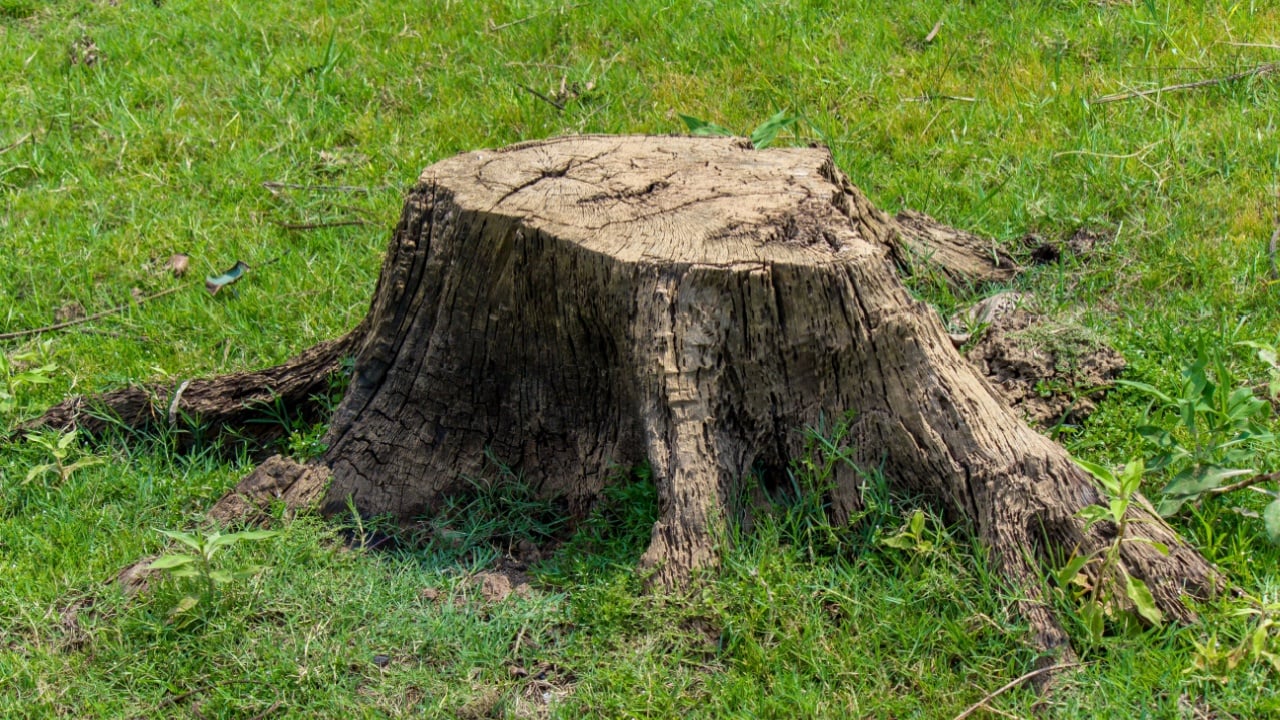
Stump grinding is not a luxury service for homeowners who are particular about appearances. It is a practical decision that affects how a yard looks, how safely it can be used, how easy it is to maintain, and what improvements are possible going forward.
The cost of a single grinding visit (average of $100-400) is almost always less than the cumulative frustration and limitations that come from leaving a stump in place.
Homeowners who are on the fence often benefit from reframing it. The question is not just what stump grinding costs today. It is what the stump has already cost in wasted space, extra mowing effort, and deferred yard projects, and what it will continue to cost the longer it stays.
For most people, the math tips clearly point toward grinding.
Read More:
How to Get Rid of a Tree Stump Without Chemicals or Heavy Equipment
If You Spot These 11 Animals in Your Yard, It’s a Hopeful Sign