The $0 Garden Trick That Doubles Your Summer Blooms
Every summer, gardeners spend hundreds of dollars on annuals and perennials, plant them with care, watch them bloom beautifully in June, and then quietly watch them fade by August, assuming the show is simply over. It isn’t. In most cases, what ends the bloom season early is not the heat, the soil, or the variety. It is one skipped habit that costs nothing and takes less than ten minutes a day.
That habit is deadheading: removing spent flower heads before they set seed. It sounds minor, but the results are not. Zinnias, deadheaded consistently, can bloom from June through October. Marigolds that are allowed to go to seed often stop producing within six weeks of planting. Roses that are properly deadheaded can complete three or even four full bloom cycles in a single season. The difference between a one-time display and a continuous summer garden often comes down to this single, free practice.
The timing matters, too. Right now, in late spring and early summer, is the most critical window. Plants deadheaded consistently from their first flush onward never get the signal to shut down. Let them go to seed even once, and some varieties shift energy so completely into seed production that they are difficult to pull back. The gardeners who have the most color in August started working for it in May.
Here is everything you need to know to deadhead the right way, including which plants respond best, where exactly to cut, what happens when you skip it, and the one seasonal mistake that can undo months of good work.
What Deadheading Actually Does (and Why Plants Stop Blooming Without It)
To understand why deadheading works, it helps to understand what flowers are actually for. Botanically, flowers are not for our enjoyment. They exist to attract pollinators, produce seeds, and ensure the next generation of the species. Once a plant successfully sets seed, it interprets its mission as complete. For annuals especially, this is a signal to stop blooming entirely and redirect all remaining energy into maturing those seeds.
Deadheading interrupts that cycle. According to Penn State Extension, removing spent flowers before seeds develop “tricks the plant into continuing to produce flowers instead of beginning to produce seeds as part of the normal plant lifecycle.” The plant keeps trying to fulfill its reproductive goal, and in doing so, keeps producing flowers. It is not a gardening hack so much as basic plant biology used strategically.
This is why the technique is dramatically more effective on annuals than on once-blooming perennials. As the Old Farmer’s Almanac notes, perennials like irises, peonies, and alliums have a defined bloom season and will not produce a second round regardless of deadheading — their biology simply does not work that way. Annuals, on the other hand, are biologically motivated to keep blooming until they succeed at setting seed. Deadheading keeps that motivation working in your favor for the entire season.
Which Flowers Reward Deadheading Most, and Which Ones Never Will
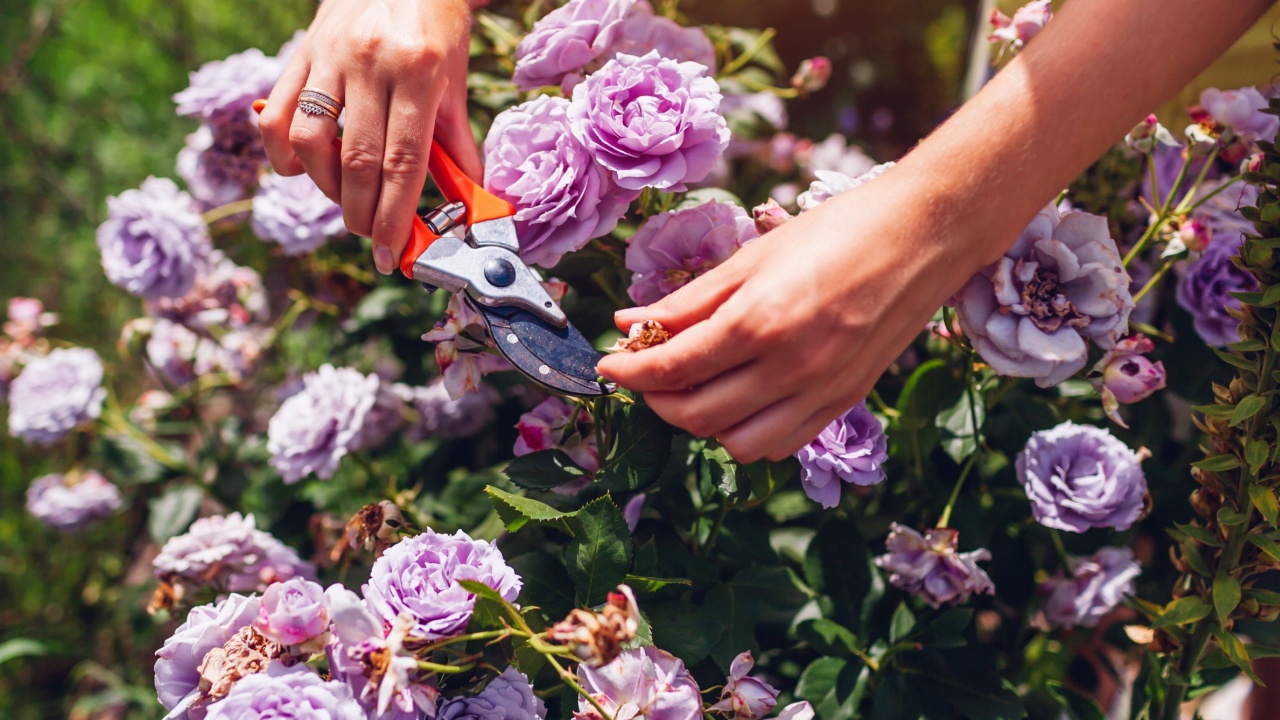
Not every plant in your garden will reward you equally, and deadheading the wrong plants in the hope of more blooms is a frustration many gardeners know well. Knowing which category your plants fall into saves both time and disappointment.
Deadhead aggressively for continuous bloom: Zinnias, marigolds, cosmos, petunias, geraniums, salvia, dahlias, and blanket flower (gaillardia) are among the strongest responders. NC State Extension’s Beaufort County Master Gardener program describes zinnias and marigolds as plants that “benefit greatly from regular deadheading”; left with spent blooms, they quickly shift into seed mode; deadheaded consistently, they bloom for months.
Deadhead for tidiness, not rebloom: Irises, peonies, daylilies, alliums, and most spring bulbs will not produce a second bloom cycle, no matter how diligently you remove spent flowers. Deadheading these is still worthwhile for aesthetics and garden health, but it will not extend their season.
Do not deadhead at all: Rosa rugosa produces ornamental rose hips after flowering; deadheading removes those entirely. Echinacea and rudbeckia seed heads provide critical food for birds through fall and winter. Nigella, calendula, and columbine are self-seeding annuals and perennials; if you want them to naturalize and return without replanting, let at least some flowers go to seed. Biennials like foxglove and hollyhock will not appear the following year if they cannot set seed this year.
A category worth knowing: self-cleaning plants. Impatiens, begonias, and some newer petunia varieties (many Proven Winners cultivars) drop their spent blooms naturally without intervention. These have been bred specifically for low-maintenance gardeners, and deadheading them, while harmless, is simply unnecessary.
The Right Way to Deadhead
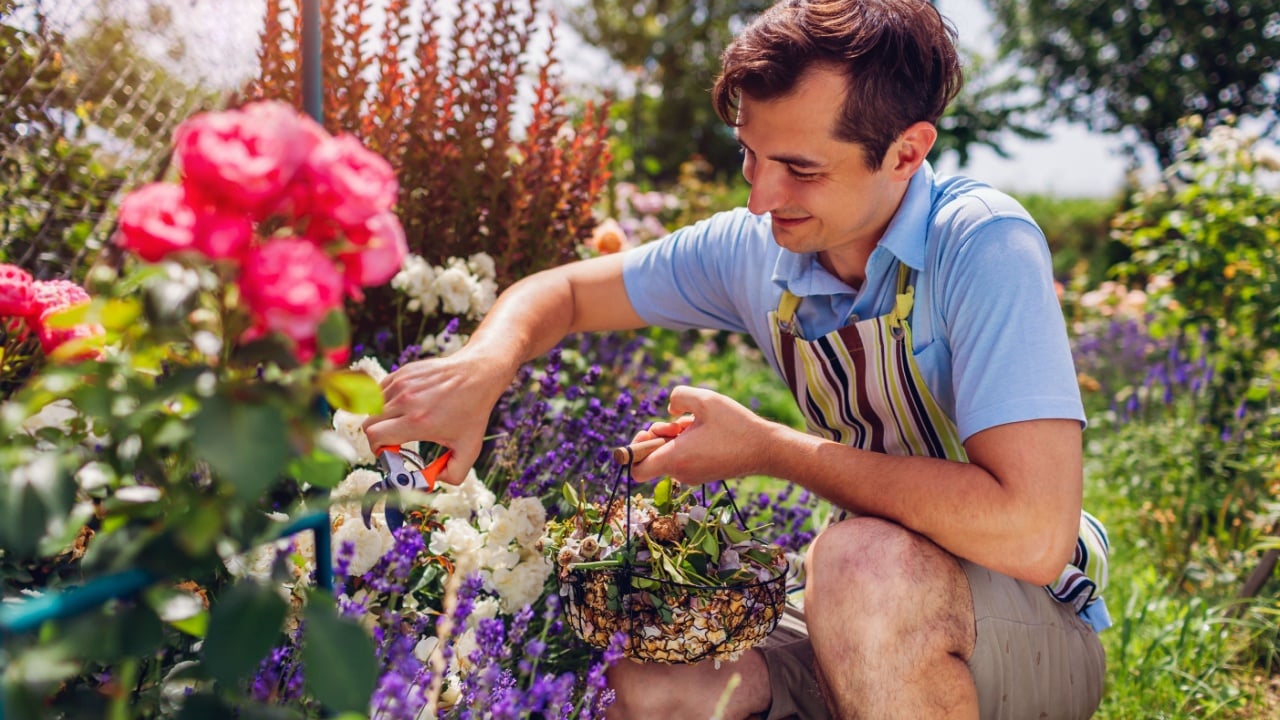
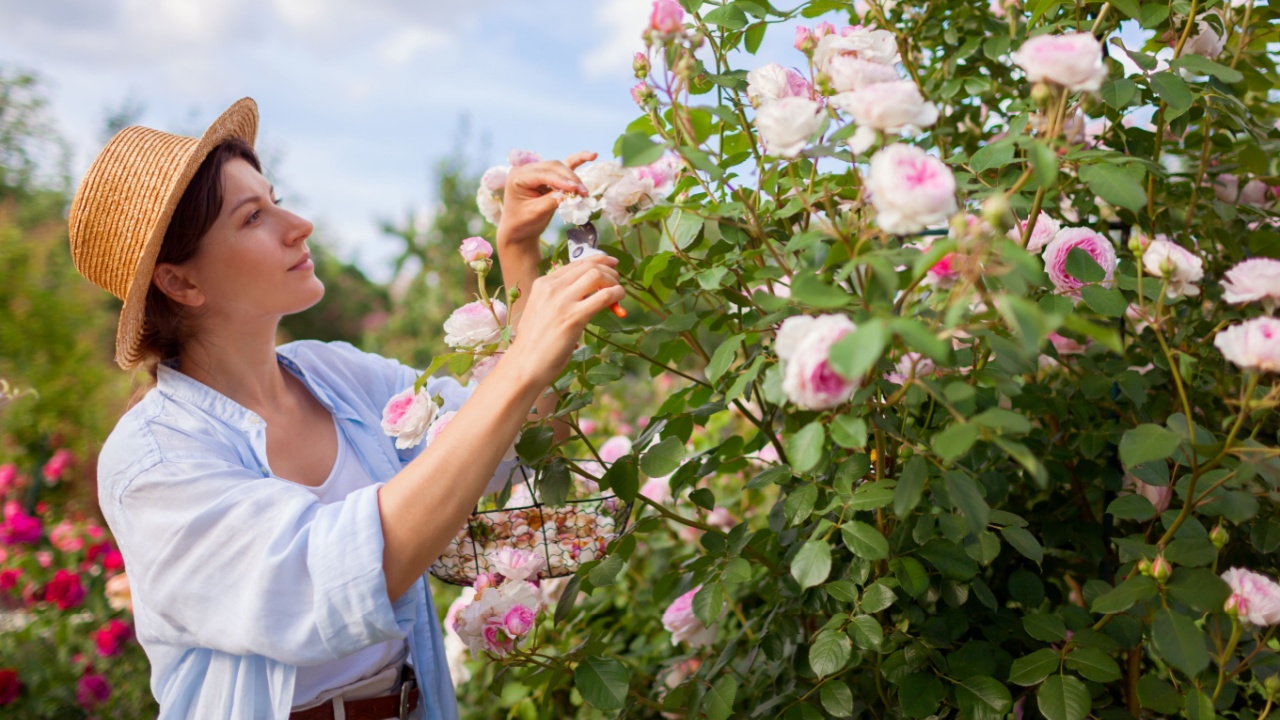
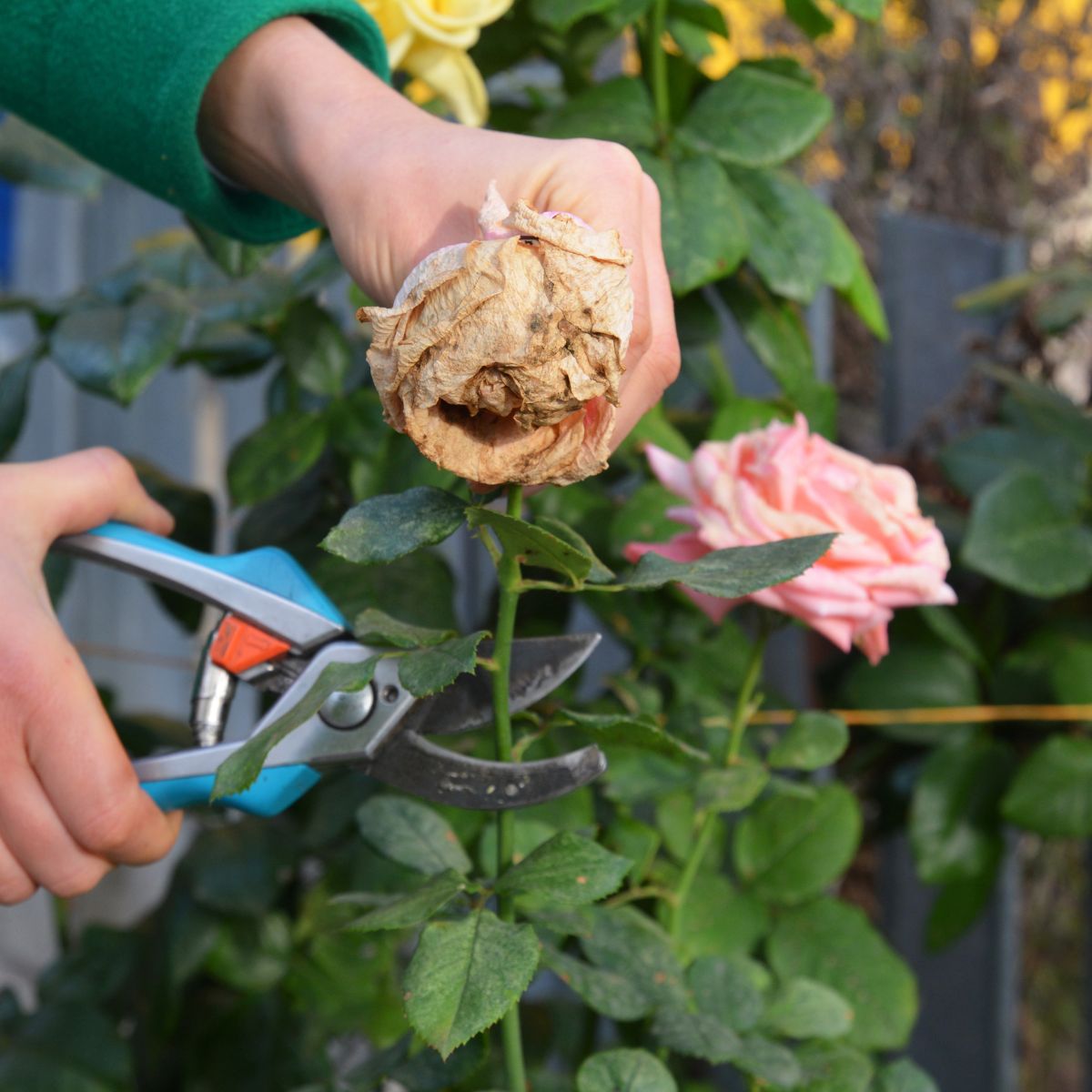
Where you cut matters as much as when. The most common deadheading mistake is cutting directly below the spent bloom and leaving a bare, dry stub of stem, which looks worse than the dead flower itself and can invite disease. The correct approach is to cut the flowering stalk back to the first set of leaves, which encourages new flower buds to form and maintains the plant’s natural shape.
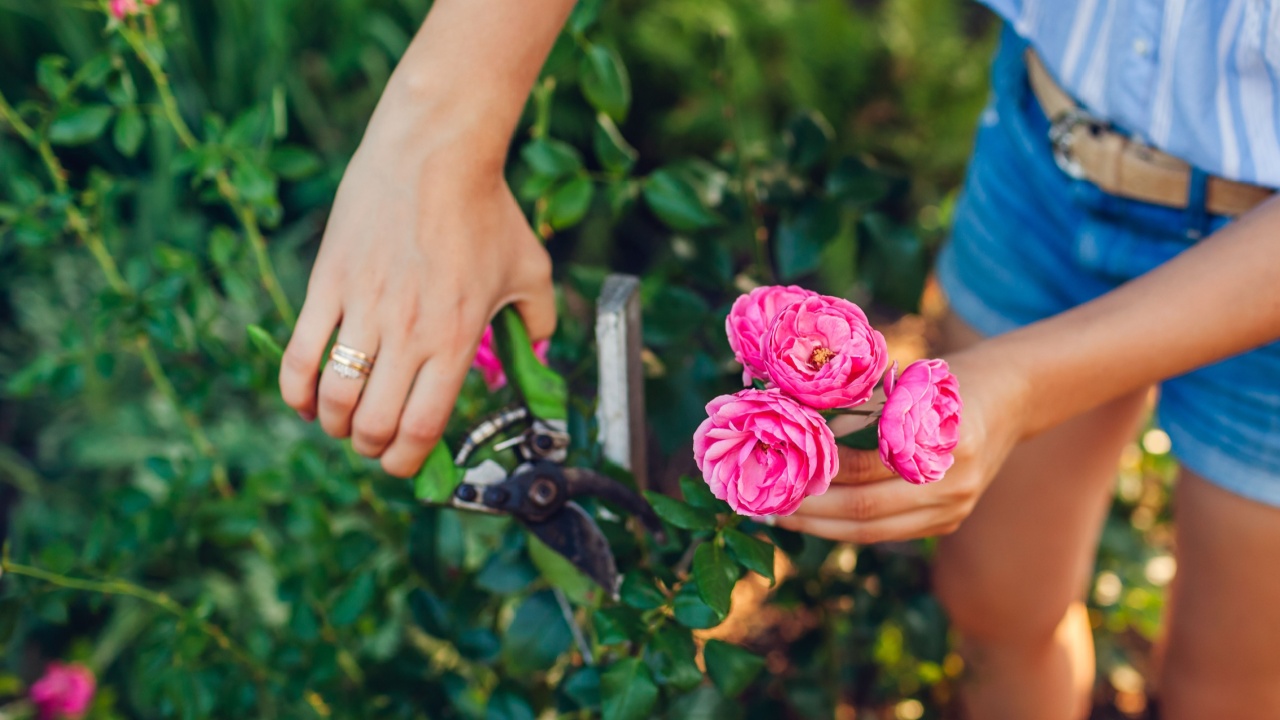
For roses, cut back to the first set of five leaves, making the cut at a slight 45-degree angle. The diagonal cut prevents water from pooling on the wound, which reduces the risk of fungal infection. This matters because deadheading diseased rose buds immediately, rather than waiting for them to die, actively prevents powdery mildew from spreading through the plant.
For spike-blooming plants like salvia, delphinium, or begonia, wait until approximately 70 percent of the flowers on a stalk have faded before cutting the entire spike. Cutting too early removes buds that would still have bloomed.
For massed, small-flowered plants like alyssum, coreopsis, or phlox, individual deadheading is inefficient. The University of Missouri Extension recommends shearing these plants back by one-third to one-half instead, a faster approach that triggers the same rebloom response.
For plants that have sepals, the small green leafy structures cupping the base of the bloom, those need to come off too, along with the spent flower head. Leaving the sepal in place is not a full deadhead.
Tool hygiene is non-negotiable. Clean pruner blades with rubbing alcohol between plants, not just between sessions. Fungal spores transfer on blades, and moving from one plant to the next with contaminated tools can spread disease invisibly through an entire bed.
The Hidden Danger of Skipping Deadheading
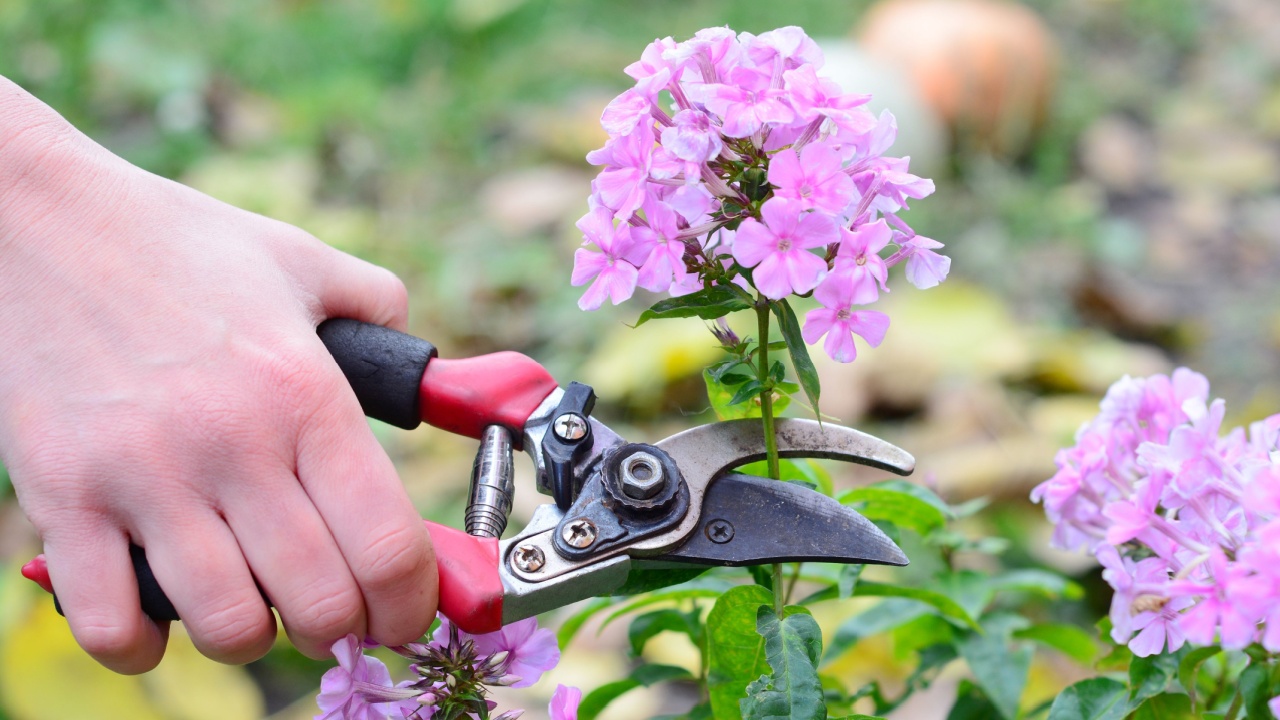
Most gardeners think of deadheading as optional, a cosmetic preference. It is not. Leaving spent, decaying flowers in place creates conditions that invite two distinct problems most gardeners do not connect back to their deadheading habits.
First, disease. Decaying flower petals are a primary breeding site for fungal pathogens, particularly in humid summer conditions. The longer blooms sit on a plant, the more likely they are to harbor gray mold (Botrytis), powdery mildew, and bacterial rot, all of which can spread from a single neglected bloom to surrounding stems, leaves, and neighboring plants. According to Living Etc., “leaving dead blooms on a plant can attract pests, mildew and disease,” and experienced gardeners treat prompt deadheading as a form of disease prevention, not just tidying.
Second, pest pressure. Sticky, decomposing petals attract aphids and other soft-bodied insects seeking moisture and shelter. Marigold and calendula seed heads left on too long are particularly prone to aphid infestation; ironic, given that both plants are often grown specifically to repel pests elsewhere in the garden. Removing spent blooms before they decompose eliminates the habitat those pests are looking for.
When to Stop Deadheading
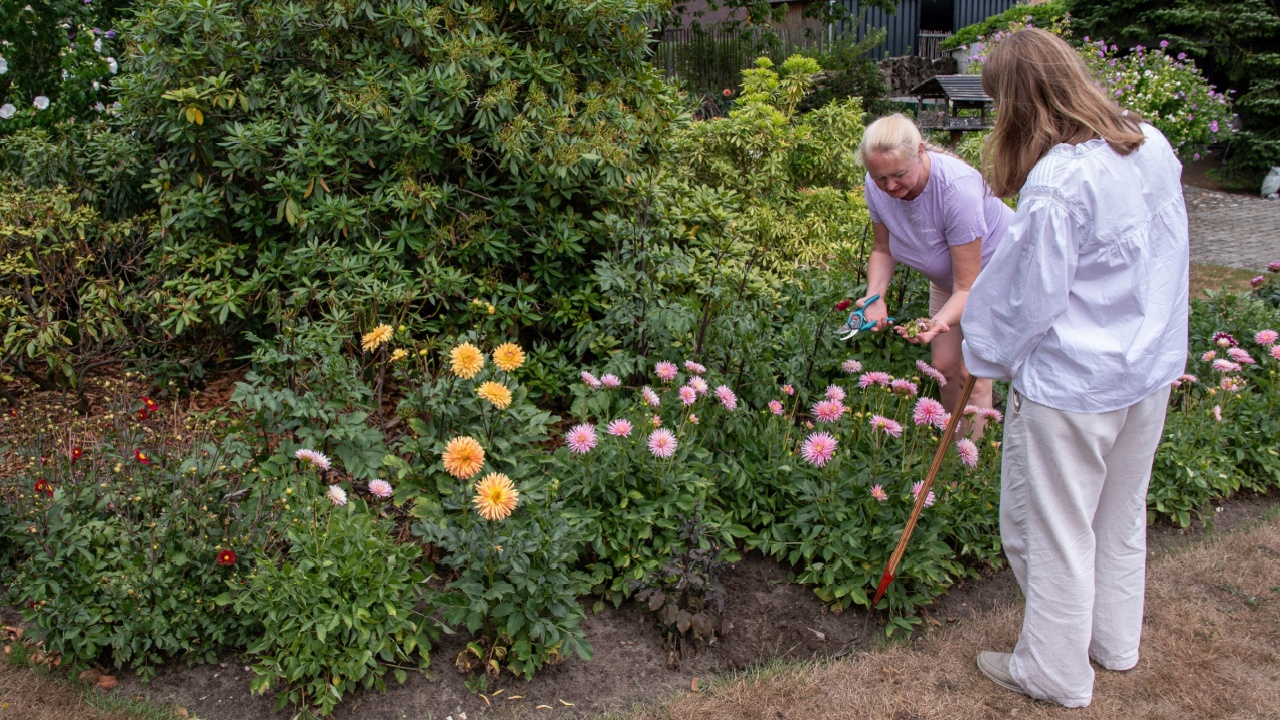
There is a point in the season when deadheading stops helping and begins to harm, and most home gardeners push past it without realizing it. Deadheading in late summer and early fall stimulates new tender growth. That new growth needs time to harden before the first frost. If the growing season is cut short, that soft new tissue can be damaged or killed, weakening the plant for the following year.
For perennials especially, the general guidance is to allow plants to wind down naturally in late August and September rather than cutting them back repeatedly. Hydrangeas, which vary widely by variety in their bloom season and wood preference, are a common casualty of late-season over-deadheading: cutting too late removes the old wood that next year’s flowers depend on, in the varieties that bloom on old wood.
The practical rule is to know your first frost date and count back four to six weeks. By that point, stop deadheading perennials and let the plant complete its natural cycle. For annuals, which are not overwintering regardless, deadheading can continue until frost.
And those seed heads you are leaving in place? They are working hard for you. Echinacea, rudbeckia, and sunflower seed heads are among the most important fall and winter food sources for goldfinches, chickadees, and sparrows. Leaving them is not neglect; it is wildlife stewardship.
Get Started This Morning
A quick morning walk through your garden with a pair of snips takes less time than a cup of coffee and pays dividends in color for the next three months. Your grandmother did not deadhead because she had extra time. She did it because she knew that a little attention in June means a full garden in September.
Read more:
7 perennial planting mistakes to stop making right now
How to Grow Zucchini Vertically: 7 Steps That Save Space and Double Your Harvest