9 Mistakes That Are Making Your Vegetable Garden Way More Work Than It Has to Be
Every gardener who has given up around mid-July made the same mistake, and it had nothing to do with their green thumb. The thing that killed their garden wasn’t drought or pests or bad luck. It was a long string of small, avoidable decisions made before a single seed went into the ground: too much space, the wrong crops, no irrigation plan, and soil that was quietly working against them from day one.
The average home gardener who maintains a large in-ground plot is spending five or more hours a week on tasks that a smarter setup would eliminate entirely. Weeding, hand-watering, replanting crops that never really perform, or fighting disease on varieties bred for show rather than resilience are not the unavoidable costs of growing your own food. They are the predictable results of nine very fixable mistakes. And right now, in the spring, before the heat of summer sets in, is exactly the right time to stop making them.
The payoff for getting this right is real and specific. According to Garden City Harvest, gardeners working plots as small as 15 by 15 feet save an average of $400 per year on groceries. Some save far more: a Maryland mother of three documented $1,800 in annual savings growing over 50 varieties in her backyard. The math works, but only if your garden is set up to work with you rather than against you.
The good news is that none of these nine mistakes requires a complete overhaul. Most can be corrected with one or two targeted changes this weekend. Here is what to stop doing, and what to do instead to build the low-maintenance garden of your dreams.
1. You Started Way Too Big
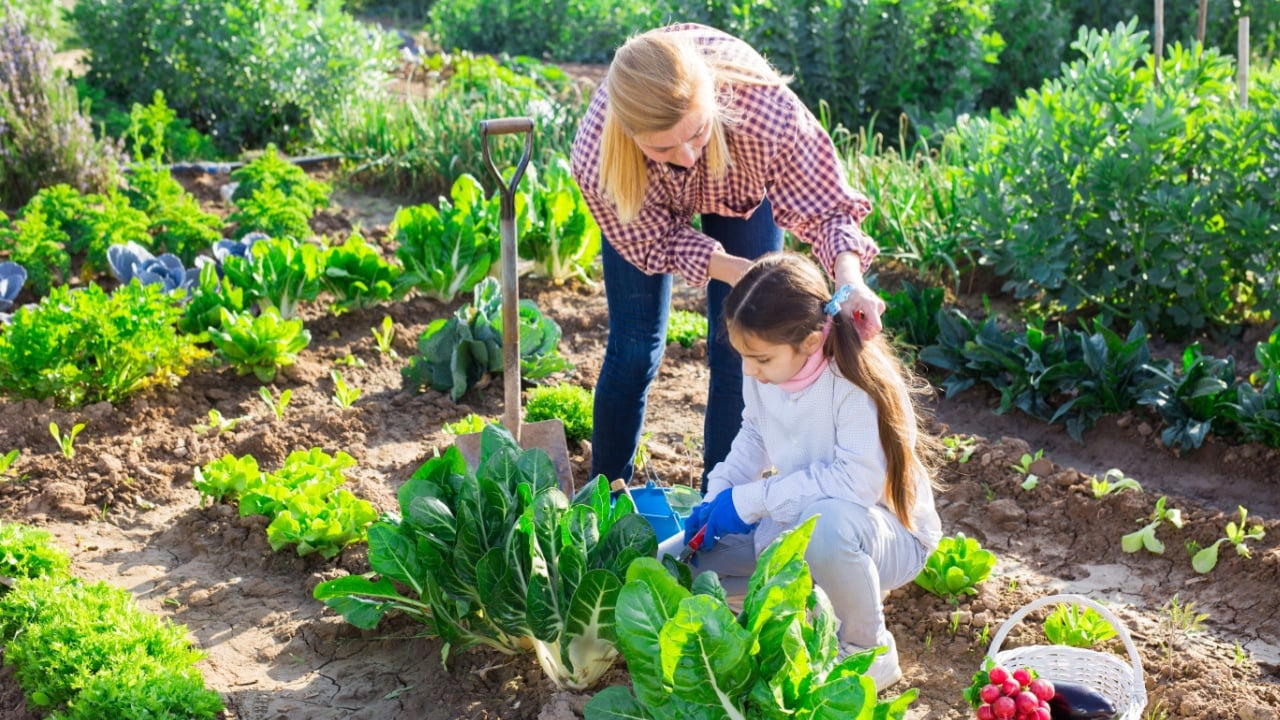
Start smaller than you think you need to. A sprawling first garden does not produce more food. It produces more anxiety, more weeds, and more of that specific summer dread that makes people swear off gardening forever.
A 4×8-foot raised bed is enough for a meaningful harvest. Once you know you can manage that, expand. For gardeners who’ve been at this for years and still feel overwhelmed every August, this is your permission to shrink. The goal is a garden you actually enjoy, not one that makes you feel guilty for taking a weekend off.
2. You’re Growing in the Ground When Raised Beds Would Save You Hours a Week
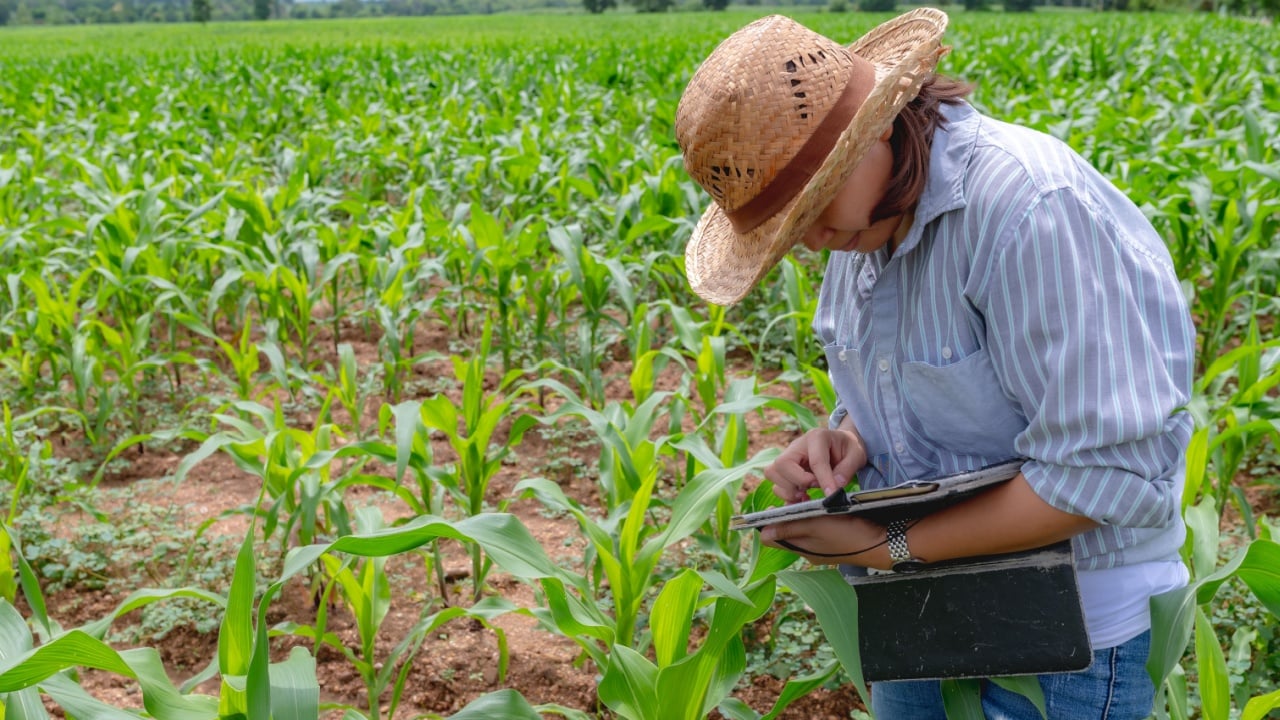
In-ground gardening brings with it compacted soil, drainage problems, and a weed seed bank that can outlast your patience. Raised beds sidestep nearly all of it. Fill them with quality soil, and you start with a clean slate — no tilling, no waiting for soggy ground to dry, no battling the weeds that blew in over decades.
For gardeners in their 50s and 60s, raised beds are not just a productivity upgrade; they are a physical one. Less bending, less kneeling, and easier reach mean the garden stays manageable as your body asks for more respect. Gardenary recommends beds at least 12 inches deep for crops like tomatoes, peppers, and kale; shallower beds restrict roots and underperform no matter how good your intentions are. The upfront investment pays off in years of easier harvests.
3. You’re Watering by Hand When a $50 Fix Could Do It for You
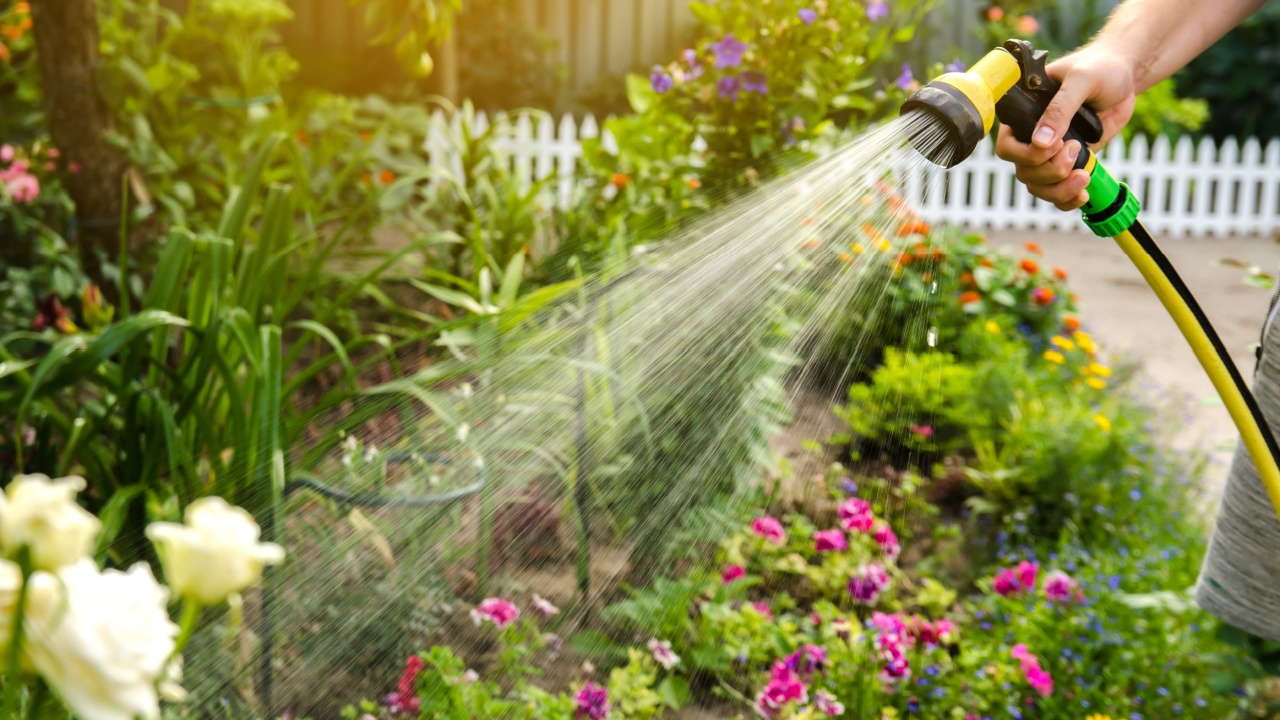
Daily hand-watering is the single biggest time thief in a vegetable garden, and it’s almost entirely optional. A basic drip irrigation system or soaker hose on a timer costs between $50 and $150 and can be set up in an afternoon. From that point on, your plants get consistent, root-level moisture whether you remember to water them or not.
Drip systems don’t just save time; they also save water. According to Colorado State University Extension, drip irrigation systems can use up to 50 percent less water than overhead sprinklers by delivering moisture directly to the root zone with minimal evaporation. Less water wasted, stronger plants, fewer disease problems from wet foliage, and you never have to drag a hose across the yard again.
Your grandmother’s generation watered by hand because they had no other option. You do.
4. You’re Planting the Wrong Crops for a Busy Life
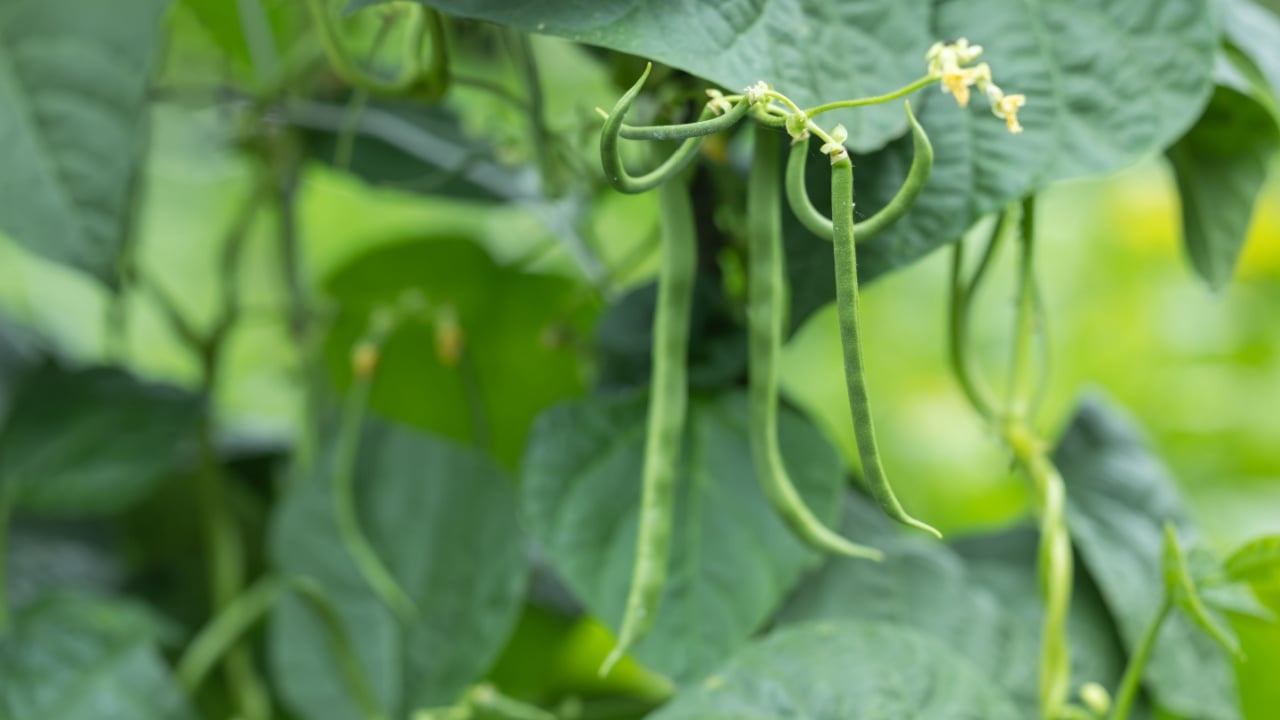
Not all vegetables are created equal. Some crops practically raise themselves, while others need constant attention and still produce disappointingly little. Deer Creek Seed recommends focusing on what they call the best “bang for your buck” crops: pole beans (which produce continuously through the season), zucchini (which famously takes care of itself until it’s leaving squash on your neighbors’ porches), and chard or perpetual spinach (which keep producing for up to a year from a single planting).
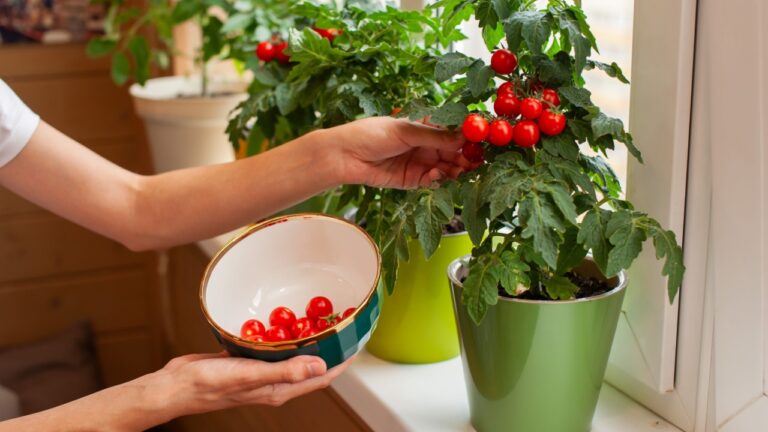
Cherry tomatoes outperform fancy heirloom varieties for busy gardeners; they’re forgiving, prolific, and disease-resilient. Perennial herbs like rosemary, thyme, oregano, and chives are planted once and return every season, compounding their value with zero replanting effort. Corn, on the other hand, takes up enormous space for a modest home-garden yield. Radishes are prolific but pointless if nobody in the house eats them. Grow what your family will actually eat, and grow the varieties that won’t demand a babysitter.
5. You’re Ignoring Mulch
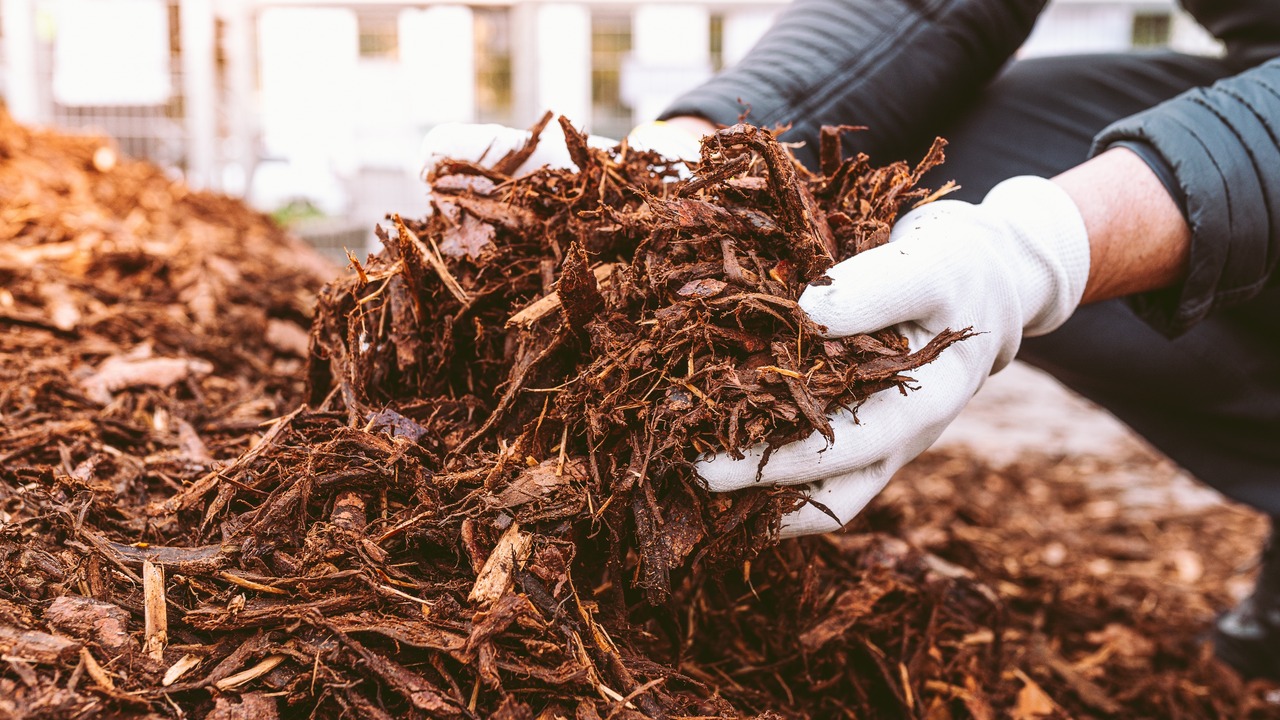
Mulch is the closest thing to a magic fix that the vegetable garden offers. A 2-to-3-inch layer of straw, shredded leaves, or wood chips suppresses weeds before they emerge, holds moisture in the soil so you water less often, regulates soil temperature during heat waves, and breaks down over time to improve soil structure. Gardeners who switch to regular mulching routinely report cutting their weeding time by 80 percent or more.
Straw is particularly well-suited to vegetable beds; it’s inexpensive, widely available, and breaks down gradually to feed soil biology. As Rain Bird notes, mulch also keeps soil cooler in summer heat, which matters enormously for cool-season crops fighting warm weather. This is old farm wisdom that somehow gets skipped by modern gardeners who are too busy buying supplements and sprays to remember the basics.
6. You’re Buying Heirloom Varieties When Disease-Resistant Ones Would Do Better
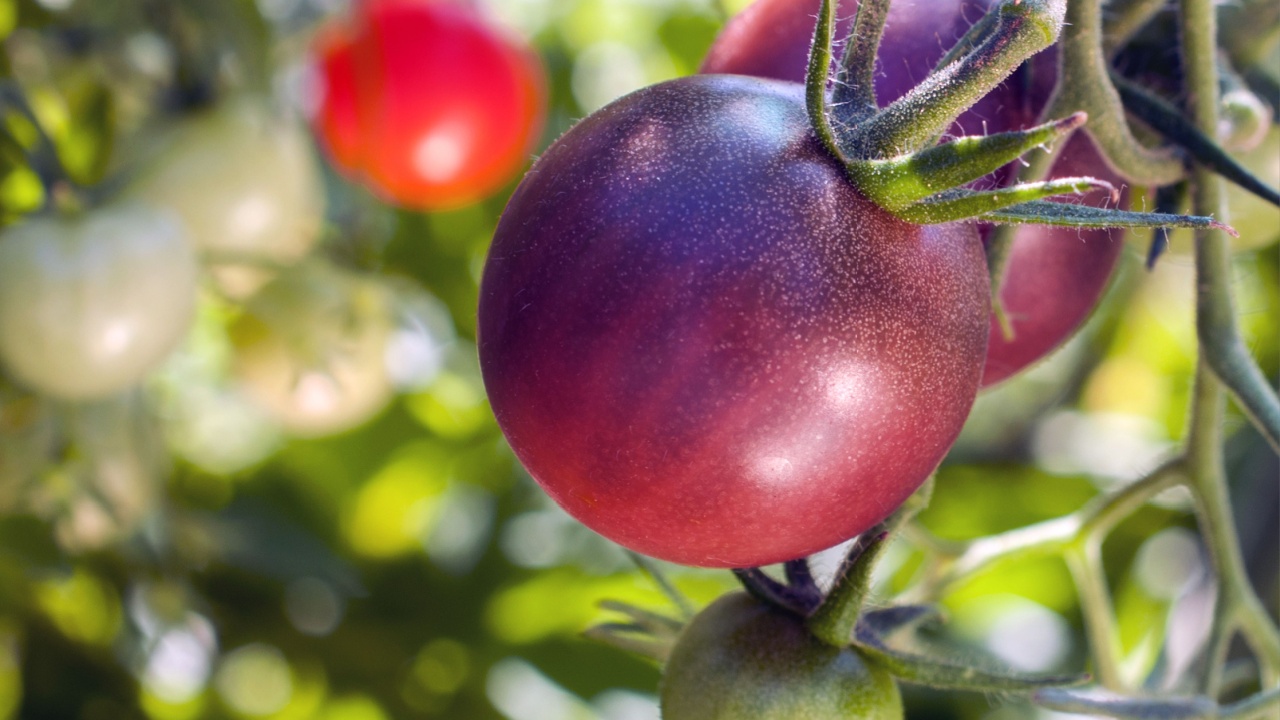
Many heirloom tomato varieties, as beautiful and tasty as they are, are far more susceptible to common diseases like early blight, Septoria leaf spot, and fusarium wilt than modern hybrid varieties with disease-resistance ratings. A summer spent watching an heirloom plant decline to blight by August is a frustrating and expensive experience, and largely an avoidable one.
For a low-maintenance garden, choose varieties with resistance codes on the label (V, F, N, T, and A indicate resistance to common problems). Save the heirlooms for once you’ve mastered the basics. The RHS recommends looking for Award of Garden Merit (AGM) varieties as independently tested performers in ordinary garden conditions; a simple shortcut to avoiding the varieties that will quietly drain your time and energy all season.
7. You’re Skipping the Planning That Prevents Midsummer Chaos
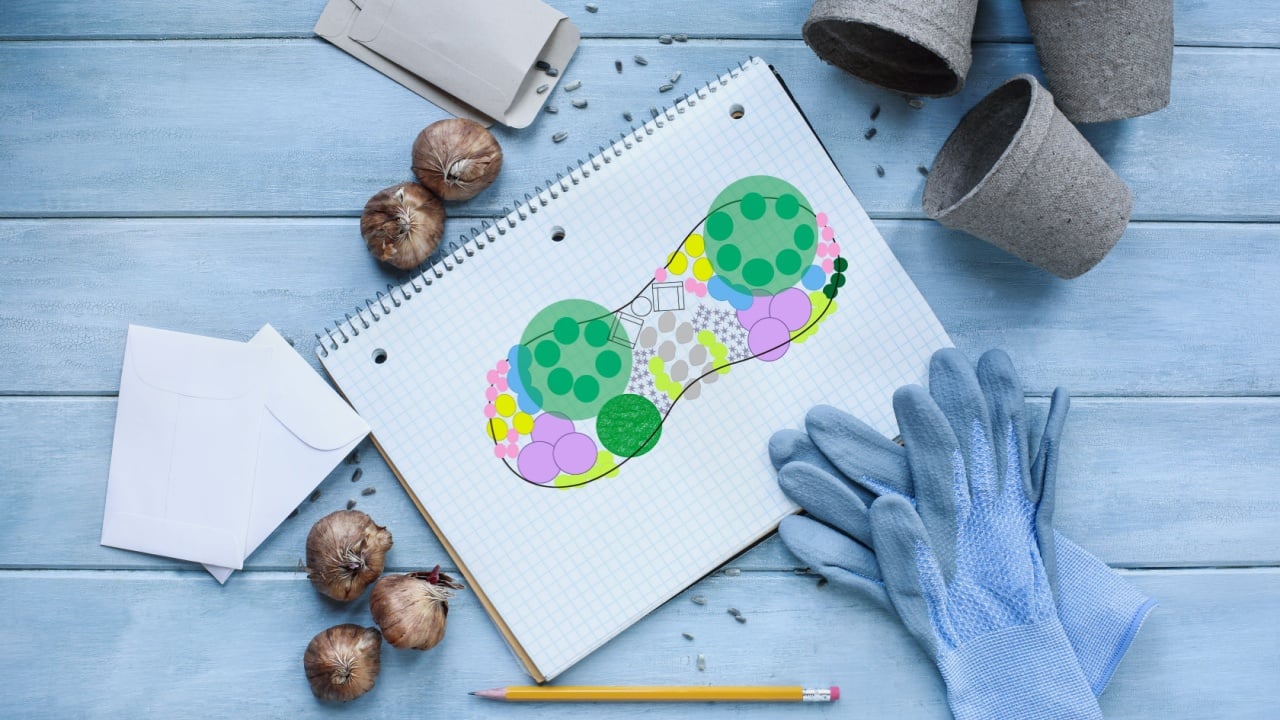
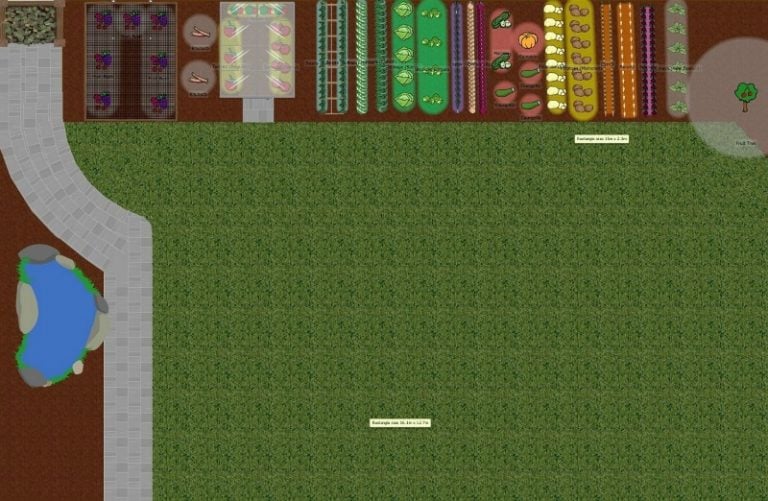
A garden with no plan becomes a management problem by July. Sun requirements, water needs, plant spacing, and harvest timing all interact; ignoring any one of them creates extra work later. Place your garden where it gets at least six full hours of direct sun per day, ideally on the south side of your home or any tall structures. Position it within easy reach of a water source.
Group thirsty plants together (tomatoes, cucumbers, peppers) on one drip zone and drought-tolerant crops on another. Add permanent paths between beds using gravel or wood chips so you never have to weed the walkways. GrowVeg notes that straight, simple bed shapes also make mowing around the garden faster and less fiddly than winding, irregular edges. Five minutes of planning in May is worth five hours of rearranging in August.
8. You’re Replanting Constantly When Some Crops Just Keep Giving
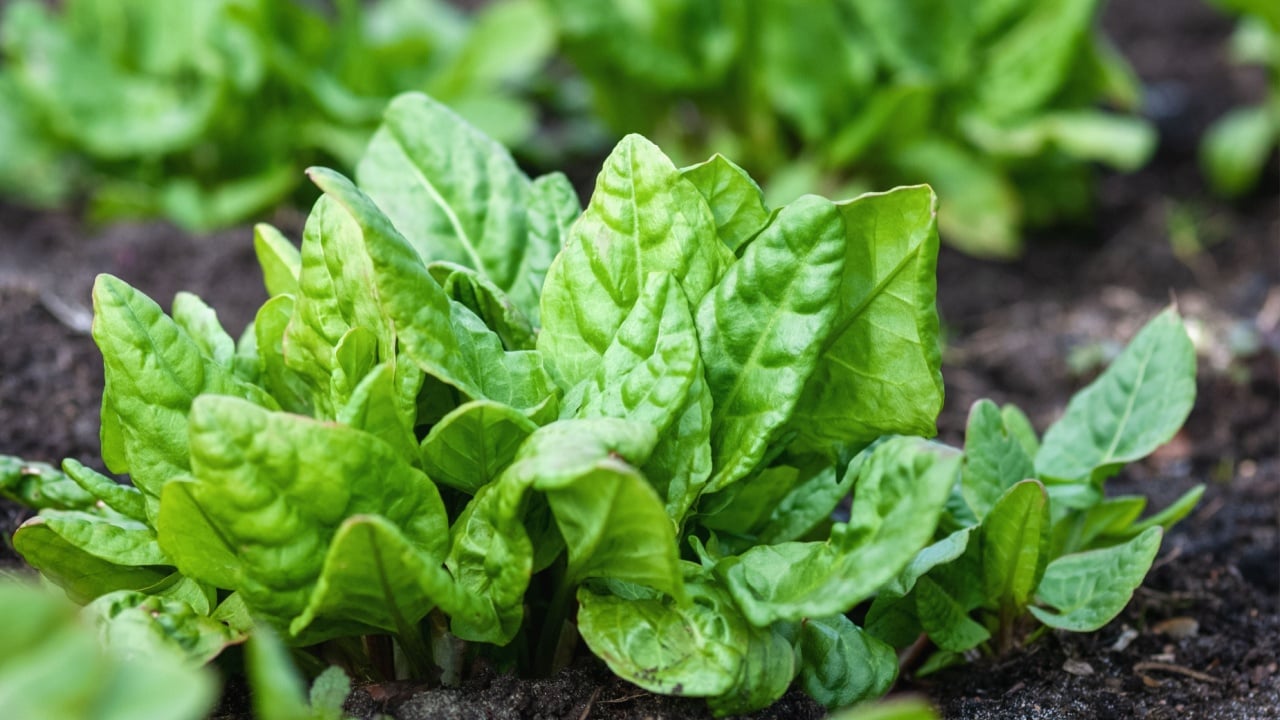
Certain crops are the gift that keeps on giving, and most gardeners underuse them. Chard and perpetual spinach, for example, can produce harvestable leaves for up to a year from a single planting. Pole beans continue producing pods until frost kills the plant, for a season that can run four months or longer. Perennial herbs return every spring without replanting, saving you money at the nursery and time in the garden every single year.
A well-planned 4×8 raised bed will feed your family through summer and cost you about an hour a week, if you stop making the mistakes that turn a garden into a second job. Fill your beds with these long-producing workhorses, and you’ll harvest more with less replanting, less spending, and far less time on your knees.
9. You’re Spending on Fertilizer When Your Soil Is the Real Problem
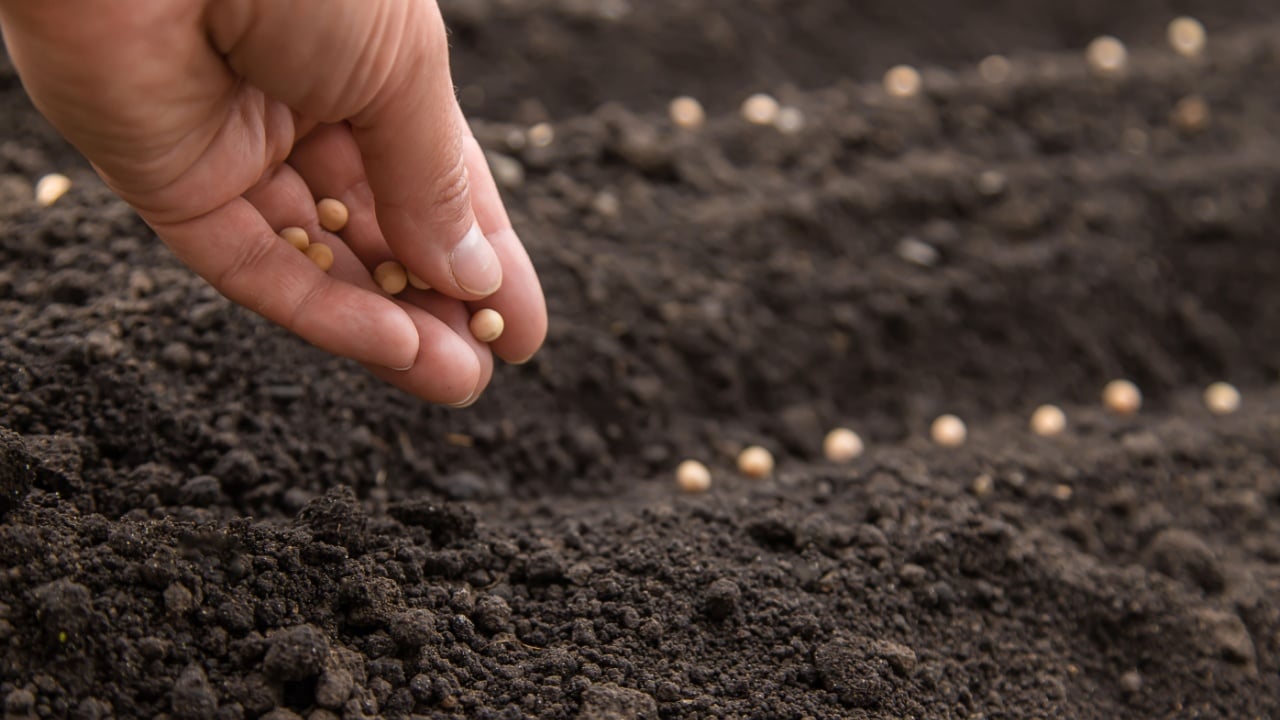
Bags of synthetic fertilizer are one of the biggest recurring expenses in a home vegetable garden, and for most gardeners, they’re a band-aid on a soil problem that would be cheaper to fix once than treat repeatedly. As Homegrown Garden puts it, great soil holds moisture longer, naturally suppresses weeds, and feeds plants consistently without constant intervention. The investment in good compost pays dividends every season; a bag of synthetic fertilizer gets used once.
Building compost from kitchen scraps and yard waste costs almost nothing and produces a soil amendment that nurseries charge $10 a bag for. Even simply top-dressing your raised beds with 2 inches of compost each spring can transform their productivity without any additional inputs. Stop treating symptoms and fix the underlying issue; your wallet and your vegetables will both thank you.
The Simplest Garden Is the One You’ll Actually Keep
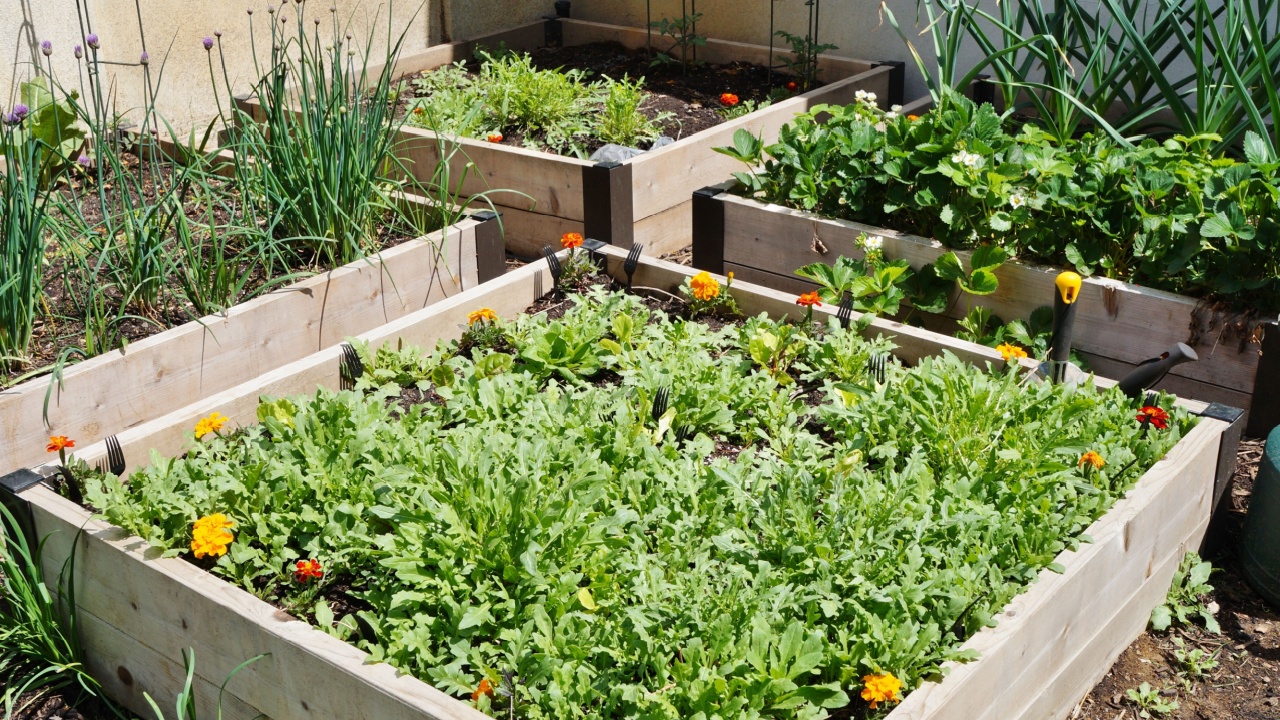
Experienced gardeners know something that beginners take years to learn: the most productive garden is not the biggest one. It’s the one with the right structure, the right crops, and a few smart systems in place that make showing up easy and rewarding. Fewer weeds, less watering, and more harvest. That’s the whole deal.
Fix the mistakes. Keep the garden small enough to love. And let May be the month you stop making gardening harder than it needs to be.
Read more:
7 perennial planting mistakes to stop making right now
How to Grow Zucchini Vertically: 7 Steps That Save Space and Double Your Harvest