9 Plants That Actually Attract Monarch Butterflies Before They’re Gone for Good
The plant most gardeners buy to save the monarch butterfly is quietly making things worse. Every spring, nurseries and big-box garden centers stack their shelves with tropical milkweed — the bright orange-and-yellow Asclepias curassavica — and well-meaning gardeners snap it up by the flat, believing they are doing something meaningful. They are not. In the right growing conditions, tropical milkweed never fully dies back, and that single biological fact is disrupting the monarch migration in ways that scientists are still measuring.
Tropical milkweed can harbor a protozoan parasite called Ophryocystis elektroscirrha, known as OE, which infects and weakens monarch butterflies across generations. Worse, because this milkweed stays green and leafy into fall and winter in warm climates, it confuses monarchs into skipping or shortening their migration south. A butterfly that does not complete its journey does not survive. The plant sold as a conservation gesture is, in many cases, a trap with petals.
What you plant right now, in the spring, will determine whether your yard supports migrating monarchs this fall. The super generation of monarchs, or the one born in late summer that must travel up to 3,000 miles to reach their overwintering forests in Mexico, needs nectar-rich flowers in bloom from late summer through October. According to the International Union for Conservation of Nature, the western monarch population declined by 99.9% between 1980 and 2021, dropping from 10 million individuals to fewer than 2,000. The eastern population fell by 84% over roughly the same period. Every fall bloomer you plant this spring is a direct investment in that survival margin.
The good news is that the right plants are almost always inexpensive, native to wherever you live, and far easier to grow than the internet makes them sound. Several of them are probably already growing along the edges of your property right now, written off as weeds. Here are 9 plants that genuinely attract monarch butterflies.
1. Common Milkweed (Asclepias syriaca): The Original Monarch Magnet
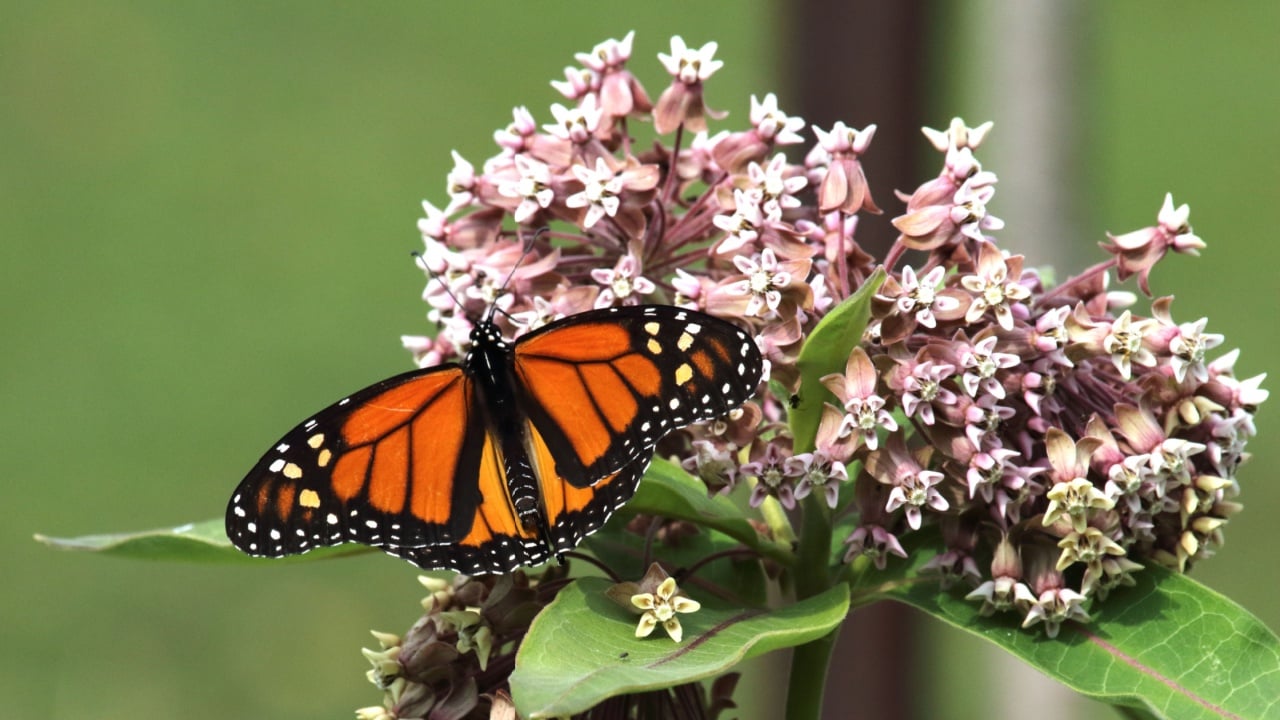
Common milkweed is the plant monarchs evolved alongside, and no substitute fully replaces it. It is the only caterpillar food source (monarch larvae cannot survive on anything else), and it grows across nearly every USDA hardiness zone from 3 through 9. The fragrant pink flower clusters bloom from June through August, smell faintly of lilac, and feed an extraordinary range of pollinators beyond monarchs.
A single milkweed plant will typically support just one caterpillar from egg to chrysalis. If you want to see more than one monarch complete its life cycle in your yard, plant more than one plant. Garden experts at Penn State Extension recommend planting in clusters of three or more for meaningful impact.
Common milkweed spreads via underground rhizomes and can take over a small bed within a few seasons, so contain it with edging or choose swamp milkweed for tighter spaces. Seeds cost around $4 for a packet; plants run $5 to $8 at native plant sales. This is not an expensive conservation effort.
2. Swamp Milkweed (Asclepias incarnata): The Smarter Choice for Smaller Yards

For gardeners who love the idea of common milkweed but not the aggressive rhizome spread, swamp milkweed is the answer. It forms well-mannered clumps, tolerates clay-heavy or consistently moist soil, grows 3 to 4 feet tall, and blooms in deep pink to nearly red clusters from midsummer onward.
Research shows that swamp milkweed and common milkweed attract the highest number of monarch eggs of any native Asclepias species; female monarchs actively prefer them. The cultivar ‘Ice Ballet’ produces clusters of small white fragrant flowers, if you want a lighter color option, and the cultivar ‘Soulmate’ blooms in an especially vivid rosy red.
For gardeners who are simplifying their yards rather than expanding them, swamp milkweed in a contained bed delivers maximum butterfly impact with minimal maintenance. It even grows successfully in large containers, making it accessible to anyone with a patio or balcony and no in-ground planting space.
3. Butterfly Weed (Asclepias tuberosa): The One That Earns Its Name

Butterfly weed is the ornamental overachiever of the milkweed family. Its fiery orange and yellow flower clusters bloom from June through August on a compact, well-behaved plant that rarely exceeds 2 to 3 feet in height. It is drought-tolerant once established, deer-resistant, and attractive enough to earn a spot in a front border rather than hidden in the back. Unlike common milkweed, it does not spread aggressively, making it the right choice for neat, manicured gardens where a wandering rhizome would cause problems.
Native plant nurseries typically carry it for $5 to $10 per plant. The variety ‘Hello Yellow’ produces buttery yellow blooms for gardeners who want a softer color palette, and ‘Cinderella’ tolerates wet soil with rosy pink flowers. Most experienced butterfly gardeners plant all three milkweed species together to cover different soil conditions and extend the bloom window as long as possible.
4. Goldenrod (Solidago spp.): The Misunderstood Migration Fuel
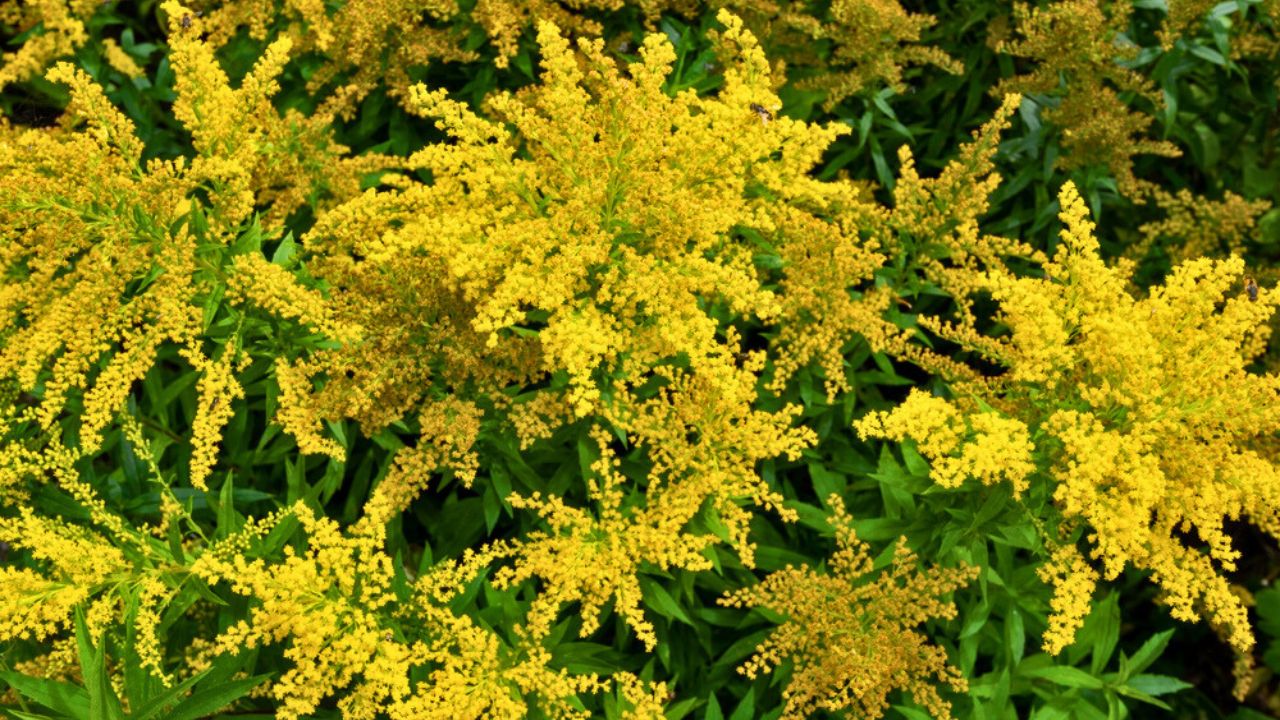
If there is one plant that has been more wronged by gardeners than any other, it is goldenrod. For decades, people yanked it from their yards, believing it caused hay fever. It does not. Ragweed, which blooms at the same time and is virtually invisible, is the actual allergy culprit.
Goldenrod pollinates by insects, not wind, so its pollen never reaches your nose. The World Wildlife Fund describes native goldenrods as a top nectar source for monarchs in the fall, and they host more than 126 species of butterflies and moths in total. For the Midwest gardener watching monarch waves move through in September, a patch of goldenrod is one of the most valuable things on the property. It costs almost nothing to grow from seed, spreads steadily on its own once established, and blooms reliably in late summer and fall precisely when other flowers are fading.
5. New England Aster (Symphyotrichum novae-angliae): The Last Feast Before Mexico
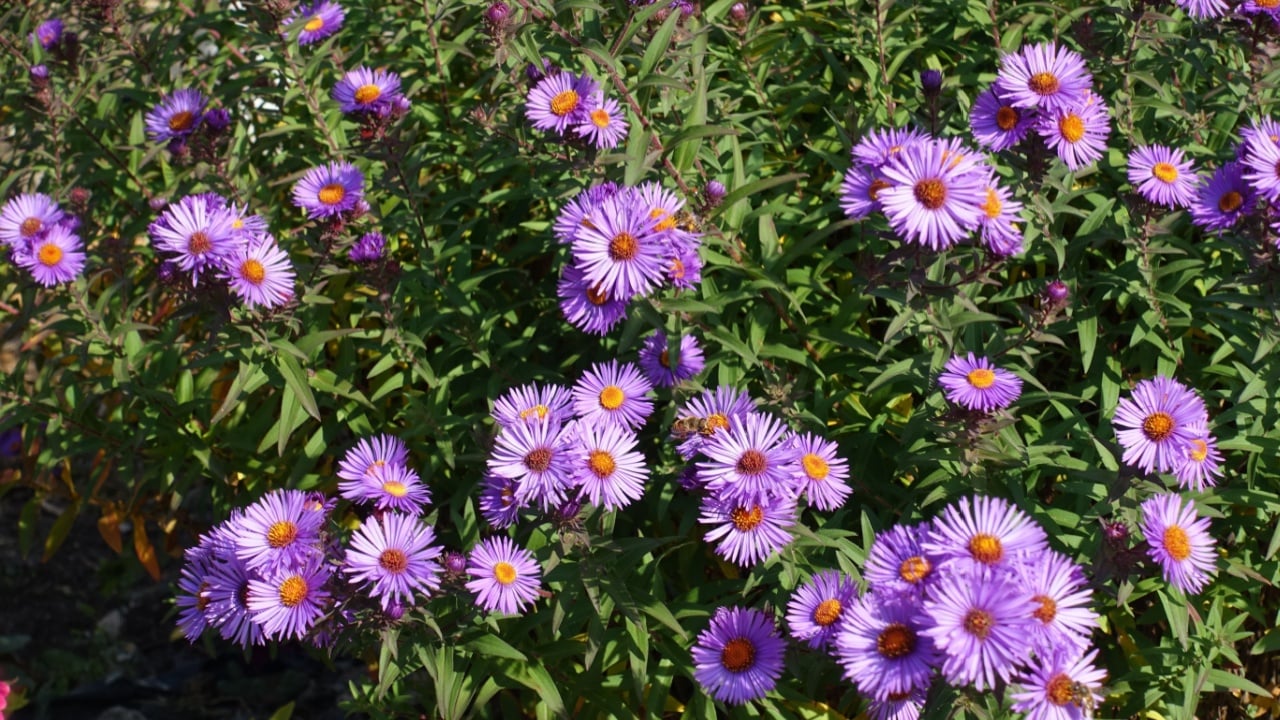
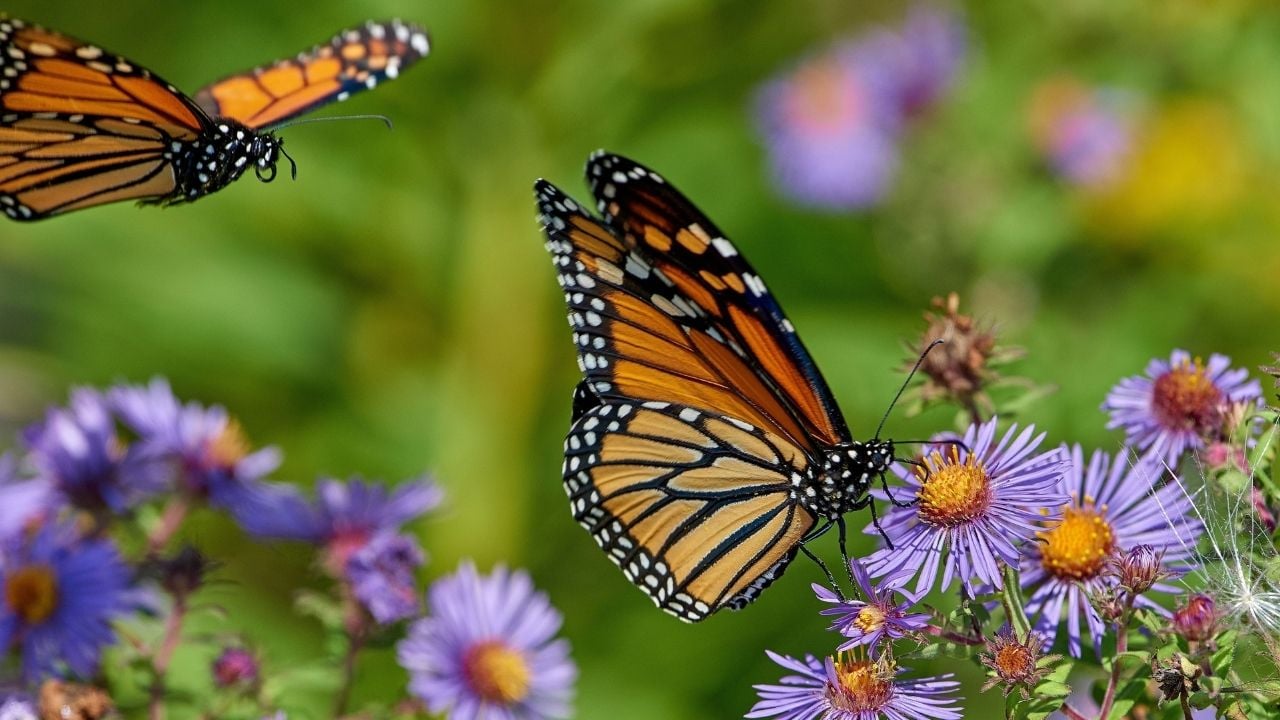
New England aster blooms from August through October, which makes it one of the last substantial nectar sources available to monarchs before they commit to their journey south. The daisy-like purple and pink flowers are striking in the fall garden and are native across most of the eastern and central U.S. Birds and Blooms magazine consistently lists asters among the most essential monarch butterfly flowers, precisely because of their late-season timing. A monarch fueling up on aster nectar in early October may be three weeks away from reaching the oyamel fir forests of Mexico; what it eats in your yard directly affects whether it survives the crossing.
Asters grow 3 to 5 feet tall, spread modestly, and cost around $5 to $8 as established plants at native plant sales or garden centers. Plant them now, and they will establish through the summer and bloom reliably this fall.
6. Joe Pye Weed (Eutrochium purpureum): The Tall Backbone of a Monarch Garden
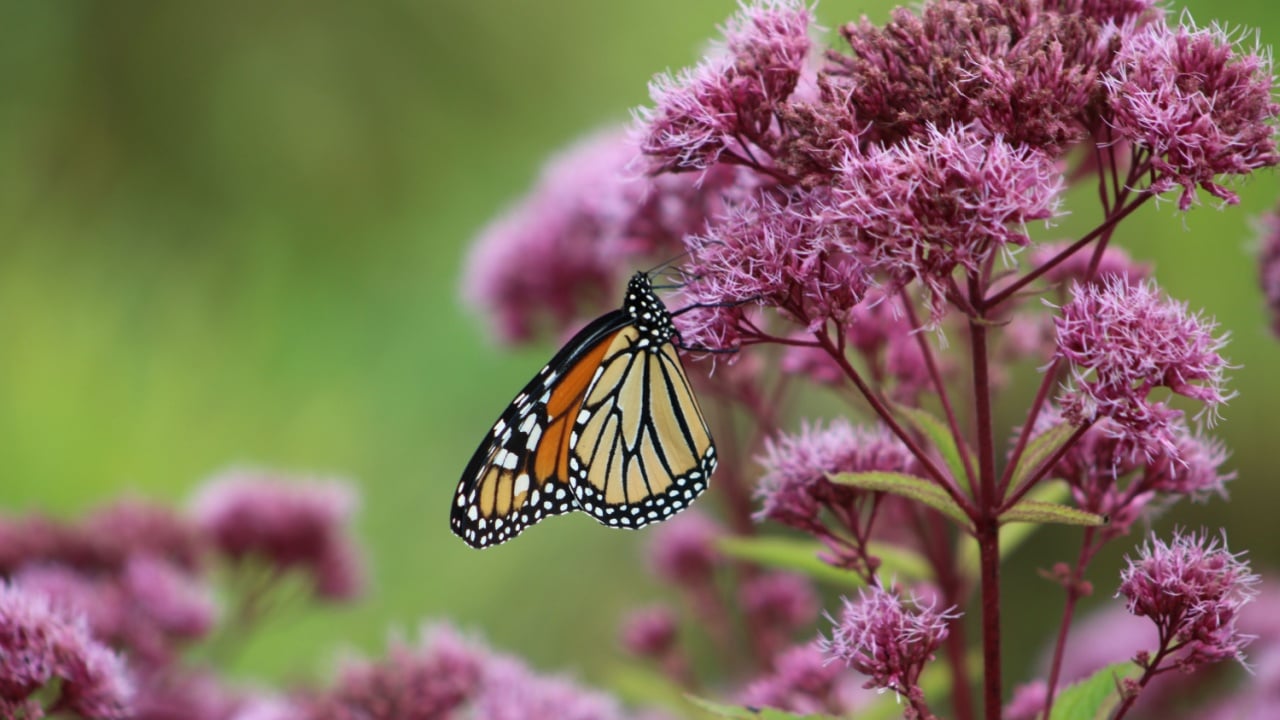
Joe Pye weed grows tall, 4 to 7 feet in ideal conditions, and produces dense clusters of dusty pink flowers in late summer that monarchs, swallowtails, and native bees cover completely on warm September afternoons. It is drought-tolerant once established, requires no fertilizer, and thrives in average to moist garden soil across most of the migration range.
Birds and Blooms describes Joe Pye weed as one of the best native fall nectar flowers available, and it earns that description: the bloom window runs from late July through September, bridging the gap between summer flowers and the late-fall asters. Plant it at the back of a border where its height becomes a statement rather than a problem, and combine it with goldenrod and aster for a fall nectar corridor that can support an entire wave of migrating monarchs. Most gardeners never hear about this plant until they visit someone else’s backyard and find themselves unable to explain why it is absolutely covered in butterflies.
7. Ironweed (Vernonia spp.): The Native Beauty Your Yard Is Missing
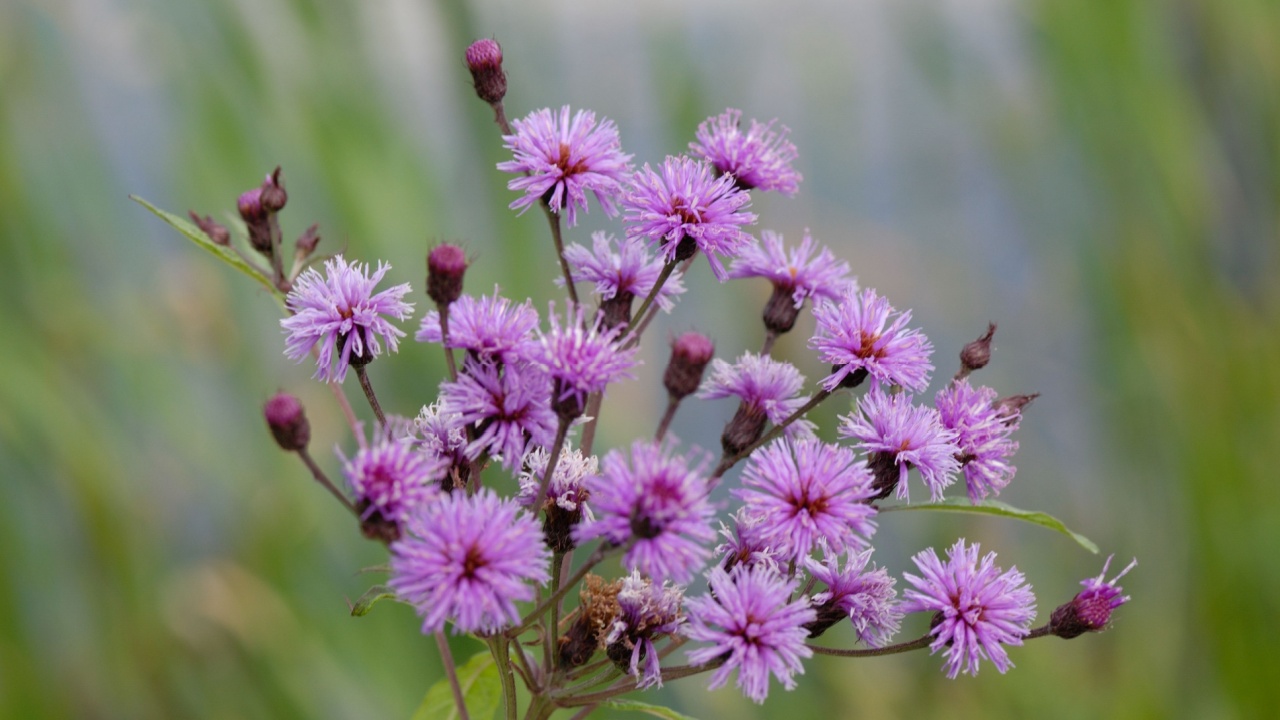
Ironweed produces some of the most intensely purple flowers in the native plant palette, and monarchs find it irresistible in September and October. Native to prairies, riverbanks, and roadsides across the central and eastern United States, it is the kind of plant that gardeners with truly spectacular butterfly gardens have, and most people have never thought to plant. It grows 3 to 5 feet tall, blooms in the fall window when migrating monarchs need it most, and requires no fertilizer, no irrigation beyond establishment, and no special soil preparation.
The monarchs that fuel fall migration don’t stop at the prettiest yard; they stop at the yard with the right plants blooming at the right time. Ironweed is about $5 to $8 at native plant nurseries and is increasingly available at conservation organization plant sales. If you can only add one new plant this season beyond milkweed, ironweed is one of the best investments you can make.
8. Zinnias: The Emergency Insurance Policy Every Monarch Garden Needs
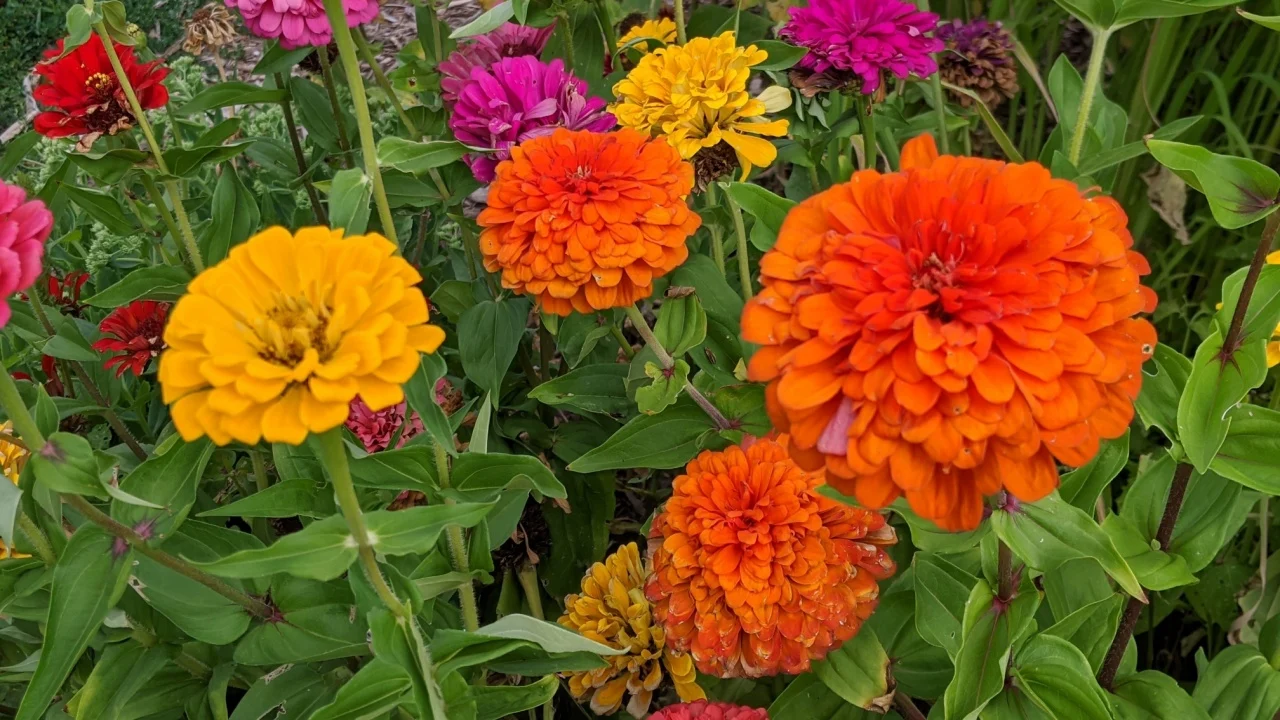
Zinnias are not native, but monarchs visit them enthusiastically, and they earn a place in any butterfly garden for one simple reason: they are the fastest bloomers available. A packet of zinnia seeds planted right now will produce full flowers by July and continue blooming through the first hard frost, covering exactly the window when migrating monarchs pass through most of the country.
A single seed packet costs about $2, making zinnias the most cost-effective per-bloom investment in butterfly gardening. Deadhead them regularly to extend the bloom window, and let a few go to seed in October so they self-sow for next year at no additional cost. Experienced butterfly gardeners treat zinnias as the safety net for their native plant garden; if a native bloomer fails or blooms short, the zinnias pick up the slack. Plant them in a sunny spot, water until established, and then largely leave them alone.
9. Blue Mistflower (Conoclinium coelestinum): The October Secret Weapon
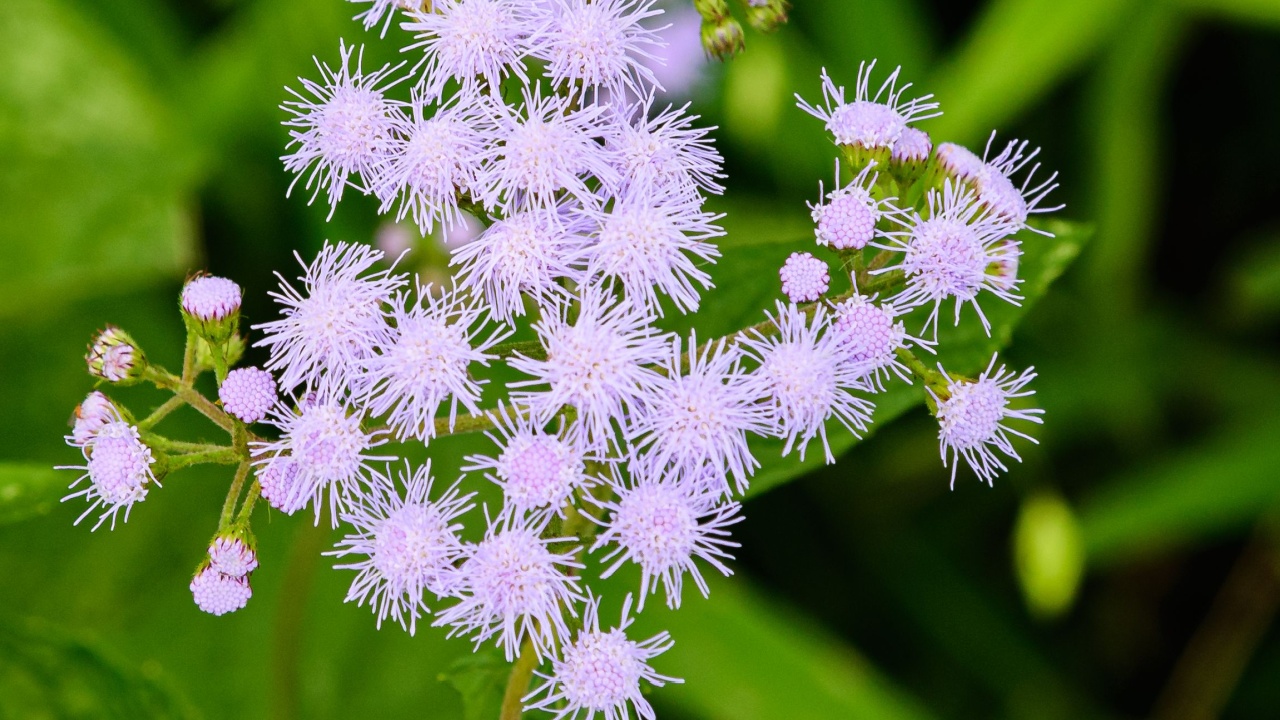
Blue mistflower is not a plant you will find at the average garden center, but it deserves a place on this list because it blooms through October, longer than almost any other native nectar plant. The soft blue-purple flowers are small and clustered, perfectly suited for a butterfly’s feeding style, and the plant grows readily in average to moist soil across the eastern and central U.S.
The World Wildlife Fund specifically highlights it as a late-blooming plant native to North America that feeds butterflies at a critical point, and that timing is the key. A monarch still traveling in mid-October is cutting it close; every nectar source it can access in those final weeks matters enormously. Blue mistflower spreads gently by rhizome into a manageable clump and is best combined with asters and ironweed for a fall nectar finale that carries migrating monarchs as far into the season as possible.
Every Yard Matters More Than You Think
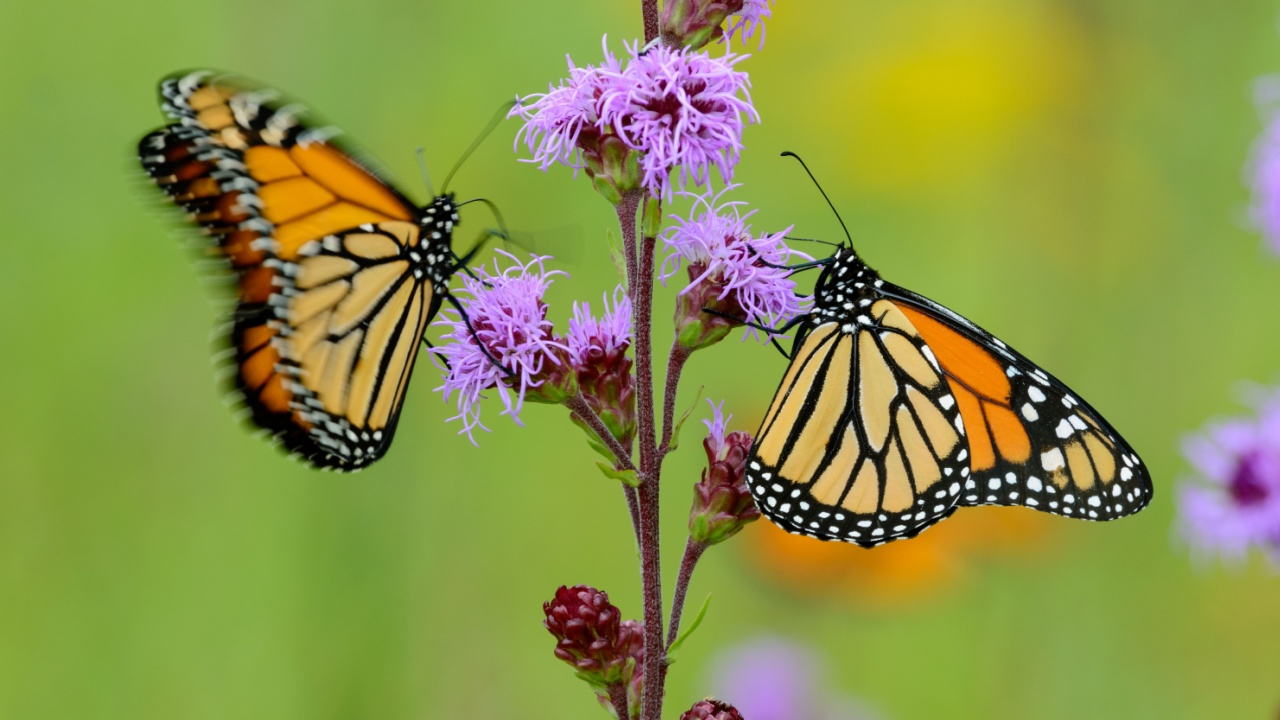
The monarch butterfly’s survival has been described as a canary-in-a-coal-mine moment for native pollinators broadly; roughly two-thirds of all native U.S. butterfly species are in decline alongside them. But the other side of that story is that home gardens collectively represent millions of acres of potential habitat, and the choices individual gardeners make compound into something that matters at a population level. The right plants, chosen thoughtfully and planted in the right window, can turn a suburban backyard into a critical waystation on a 3,000-mile migration route. That is not an overstatement. It is biology, and it costs about $20 to participate in it.
Read More
Washing Your Lettuce Won’t Remove Cyclosporiasis, But Growing Your Own Will
Your Grandmother Stored These 8 Foods All Winter Without Canning a Single Jar