6 Plants That Are Secretly Attracting Ticks to Your Yard
Ticks don’t just wander into your yard by chance. They hitch rides on wildlife, drop off in tall grass, and then settle into spots where the conditions are just right for them to survive and wait for a host. Certain plants in the yards create those ideal conditions without anyone noticing.
The connection between plants and ticks comes down to a few simple factors: moisture, shade, and the animals those plants attract. Ticks need humidity to stay alive, and dense or low-growing vegetation traps moisture close to the ground.
When you add in the deer, rodents, and other wildlife that certain plants draw in, you have a setup that ticks thrive in. A few smart changes can make a real difference in how hospitable your outdoor space is to these pests.
Here are six plants that could be quietly rolling out the welcome mat for ticks right in your own yard.
1. Japanese Barberry
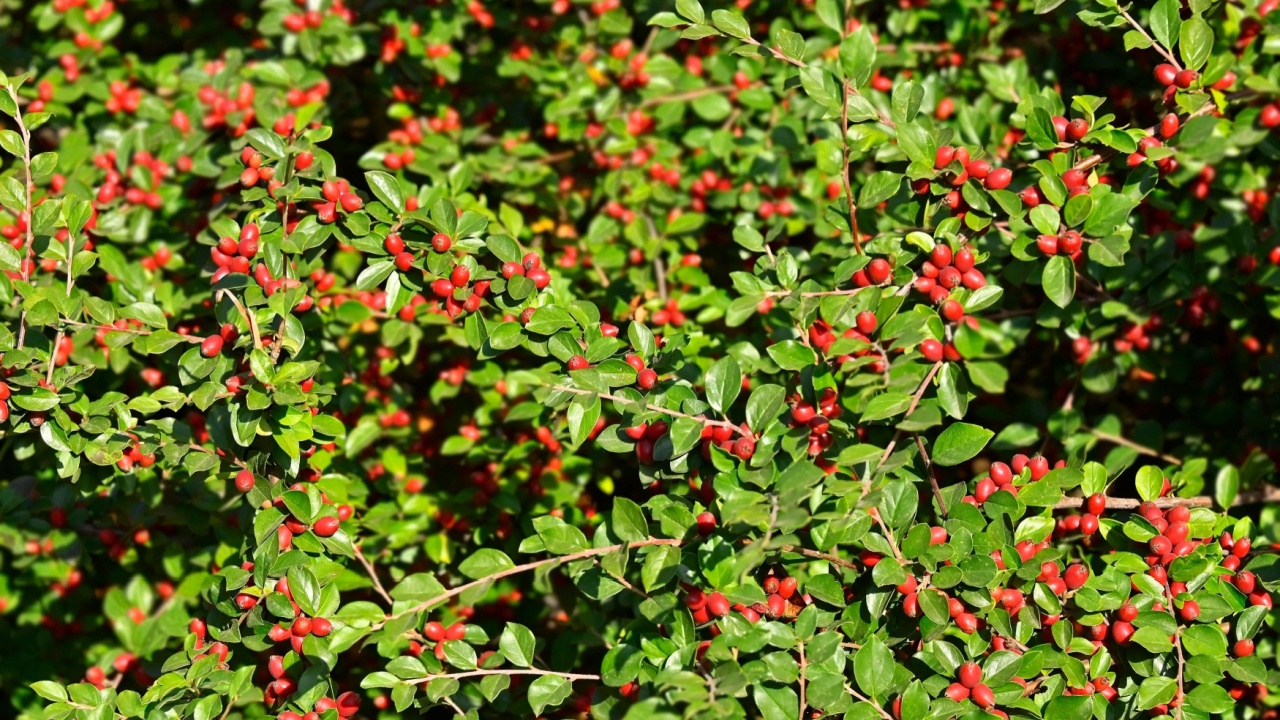
Japanese barberry is one of the most studied plants in relation to tick populations, and the findings are hard to ignore. The shrub’s dense, low-growing structure creates a humid microclimate at ground level, which is exactly what ticks need to stay hydrated and active.
Its thorny branches also deter natural predators from disturbing the leaf litter underneath, giving ticks a protected place to rest and wait.
Beyond the humidity issue, Japanese barberry is a magnet for white-tailed deer, which are primary hosts for adult blacklegged ticks. Deer browse on barberry regularly, and every time they do, they can deposit ticks directly into the shrub and surrounding soil.
If you have barberry on your property, particularly in shaded areas near a lawn or wooded edge, you may want to consider replacing it with a native alternative like spicebush or native viburnums, which don’t carry the same tick-harboring reputation.
2. English Ivy

English ivy looks tidy and lush as ground cover or hanging in in a pot, but underneath that mat of leaves is a damp, dark, and undisturbed environment that ticks love. The thick coverage prevents sunlight from reaching the soil, keeping moisture locked in and temperatures cooler, both conditions that extend tick survival.
Ground-level coverage also provides rodents like mice and voles with a sheltered place to travel and nest, and rodents are among the most important tick hosts for blacklegged ticks in the nymph stage.
Nymph-stage ticks are tiny, difficult to spot, and responsible for a large share of Lyme disease transmission.
Removing ivy from areas near play spaces or frequently used outdoor areas and replacing it with low-growing native plants that don’t create the same dense cover can reduce the habitat available to both rodents and ticks.
3. Ferns
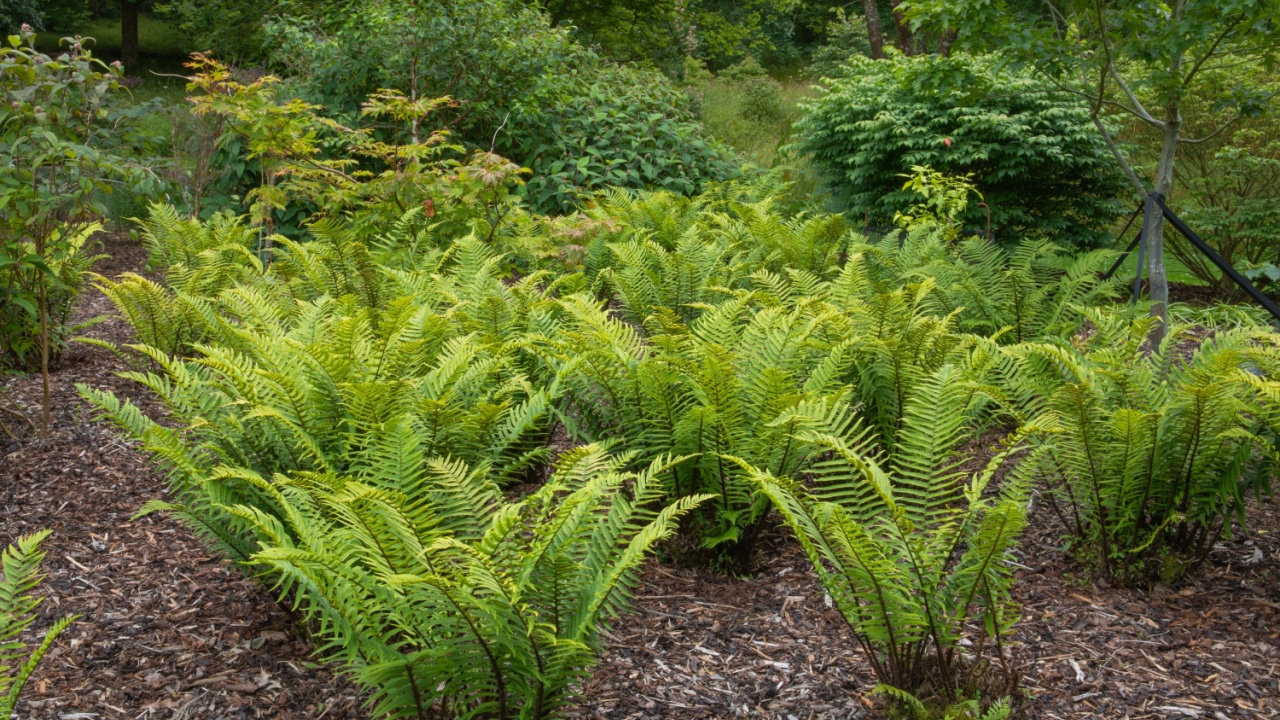
Ferns are a favorite in shaded gardens, and they grow naturally in woodland edges where tick populations are often highest.
Their broad fronds trap moisture and create a layered canopy close to the ground, which keeps humidity levels elevated right where ticks like to quest, the behavior where they climb onto low vegetation and wait to attach to a passing host.
Areas with heavy fern coverage often overlap with high-density tick zones. The leaf litter that accumulates under fern fronds adds another layer of protection for ticks and the small animals that carry them.
Ferns aren’t necessarily something to avoid entirely, but their placement in the yard matters. Fern beds close to walkways, seating areas, or entry points to the home create unnecessary risk.
Keeping fern plantings away from high-traffic zones and regularly clearing out accumulated leaf litter around them can reduce the microhabitat that ticks depend on without removing the plants altogether.
4. Ornamental Grasses
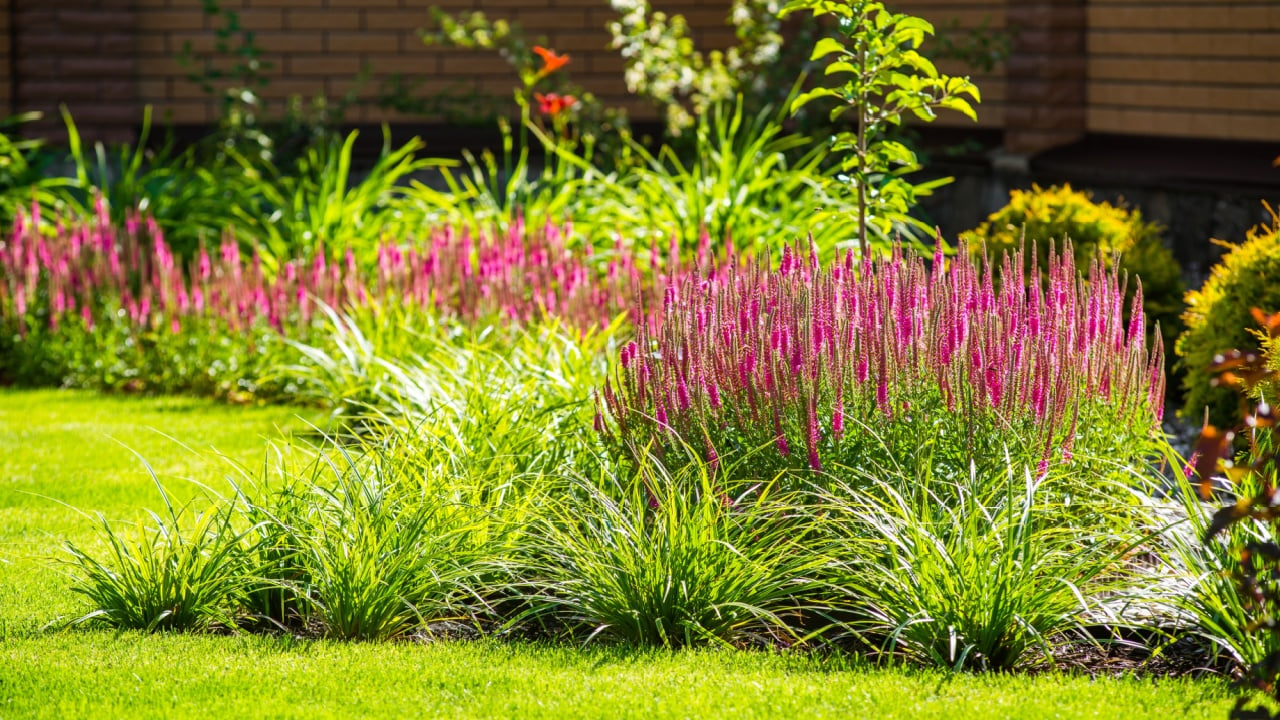
Tall ornamental grasses add movement and texture to a landscape, but their dense clumps create ideal resting spots for ticks, particularly during dry spells when ticks seek out cooler, more humid areas.
The thick base of grasses like miscanthus and pampas grass rarely dries out completely, and the interior of each clump stays sheltered from wind and direct sun. This makes them a reliable refuge for ticks between hosts, and for the mice and other small mammals that ticks depend on for early-stage feeding.
Ornamental grasses also tend to border lawn edges and garden beds, which means ticks resting inside the clumps are positioned right at the transition zone where people and pets are most likely to brush against vegetation.
Trimming ornamental grasses back regularly, keeping their bases clear of debris, and leaving open space between clumps and walkways reduces the risk they pose. If you’re in a high-tick area, placing these grasses away from areas where children play is a practical precaution.
5. Pachysandra

Pachysandra is a go-to ground cover for shaded spots where grass won’t grow, but it shares many of the same problems as English ivy when it comes to tick habitat.
It grows in a thick, low mat that retains moisture, blocks sunlight, and provides ground-level coverage that rodents use as travel corridors. White-footed mice, a primary reservoir for the bacteria that cause Lyme disease, are known to move through pachysandra beds regularly.
Any tick that drops off a mouse or deer in or near a pachysandra bed has immediate access to the humid shelter it needs to survive until its next host comes along.
The density of pachysandra also makes it difficult to spot ticks or tick activity from above, unlike open lawn areas, where you’d have a much clearer view.
If pachysandra covers large areas of your yard, try creating breaks in the coverage, particularly near home entrances, garden paths, and lawn borders. Reducing the continuity of the ground cover disrupts the rodent highways that run through it and limits the protected spaces ticks can use to wait for a host.
6. Forsythia
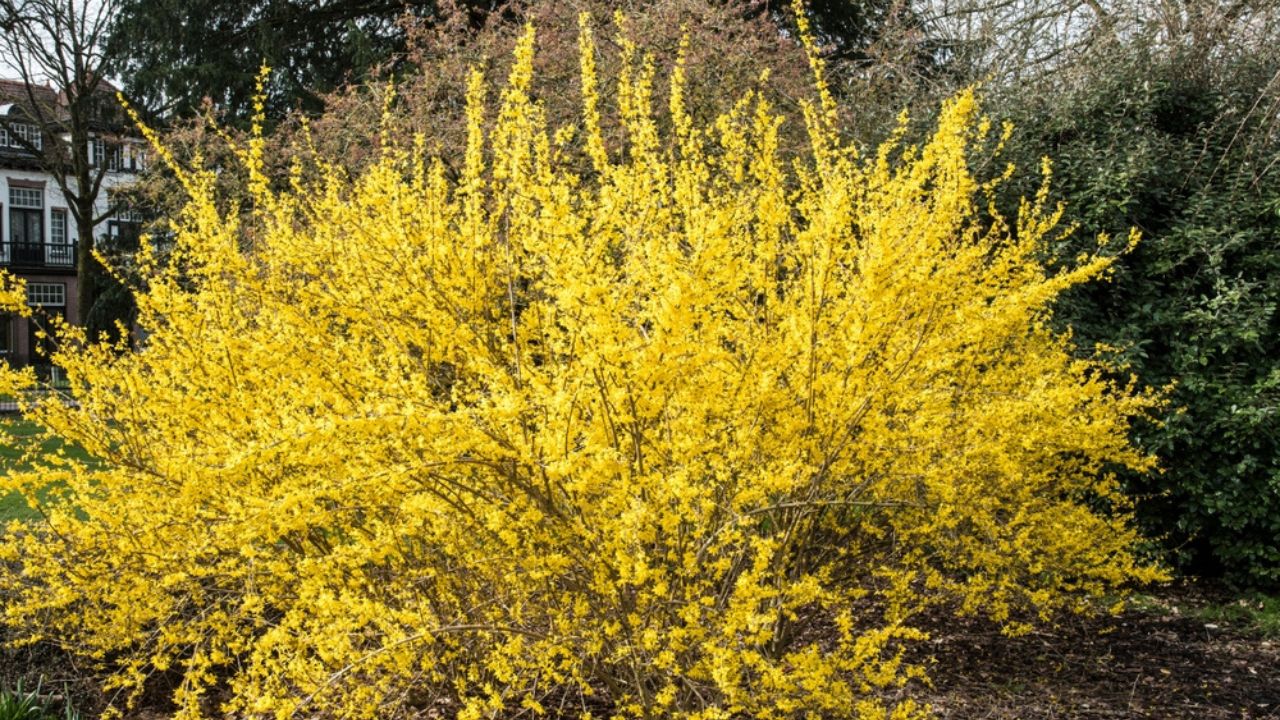
Forsythia can create tick-friendly conditions when it grows dense and unpruned, especially in shaded parts of the yard. Its many arching branches form a thick interior that holds moisture and limits airflow, which helps ticks stay alive close to the ground.
Dead leaves and small twigs often collect beneath the shrub, adding another damp, protected layer where ticks can rest and wait for a host. Forsythia can also give small mammals cover as they move through the yard, which increases the chance that ticks will drop off and settle nearby.
If you grow forsythia, regular pruning can make a big difference in reducing the damp, shaded conditions that ticks prefer. Thin out crowded branches to improve airflow, and keep the base of the shrub free of fallen leaves and twig buildup that can trap moisture underneath.
It also helps to avoid planting forsythia right next to patios, play areas, or narrow paths where people and pets are more likely to brush against its branches.
Make Your Yard Less Tick-Friendly
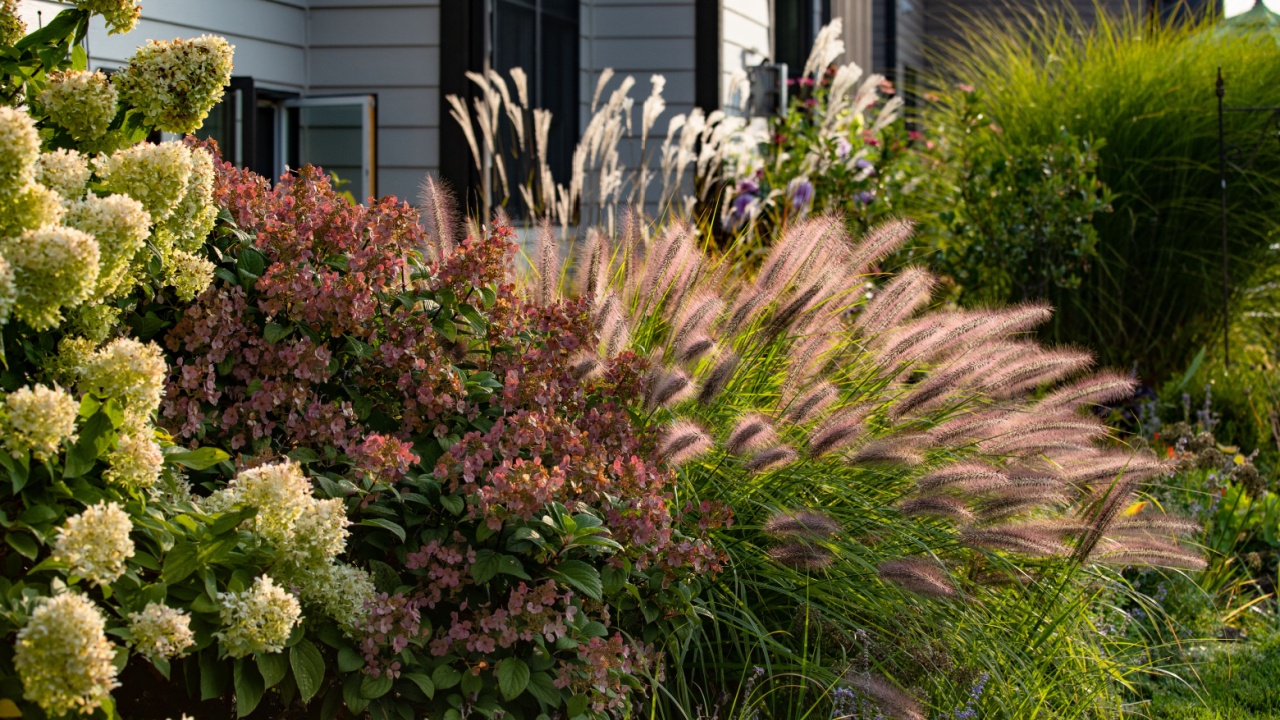
Knowing which plants attract ticks is useful, but the real shift happens when you use that information to make deliberate decisions about your yard. It also helps to pair this plant awareness with regular yard maintenance habits.
You don’t have to remove every plant on this list, but you do need to pay attention to where they’re planted, how dense they’ve become, and what wildlife they’re drawing in.
Creating a clear boundary between natural plantings and the parts of your yard your family uses most often is one of the most effective ways to reduce tick exposure without giving up the plants you enjoy.
Read More:
7 High-Maintenance Plants You Should Swap Out for Native, Low-Maintenance Alternatives This May
No Time to Camp This Upcoming Holiday Weekend? Try Backyard Glamping