6 Shocking Statistics Showing How Women Are Drowning in Household Duties
A woman can work a full-time job, manage a household, and still be described as not doing enough. That contradiction is not imaginary. Across incomes, industries, and family structures, women carry a disproportionate share of domestic labor, and the data have been documenting it for years.
The problem is that most of this work is invisible. Unpaid labor does not show up in GDP figures, performance reviews, or salary negotiations. It is simply done, mostly by women, and mostly without acknowledgment.
Girl News, a Facebook page dedicated to reporting news where women are the source or subject, shared a set of statistics that captured the scale of the issue clearly.
These statistics show how heavy the load still is, why it remains uneven, and how deeply it affects women’s daily lives.
1. Women Do 76% of All Unpaid Care Work

According to the UNDP, women globally perform 76% of all unpaid care work. That includes cooking, cleaning, childcare, and caring for elderly or sick family members.
The figure represents more than three times the amount men contribute to the same tasks.
Unpaid care work is labor in every sense. It is physically and mentally demanding, it consumes hours out of every day, and it directly limits women’s capacity for paid employment and career advancement.
2. Childcare Costs More Than Rent in Many US Cities

CBS News reported that in many US cities, the annual cost of childcare exceeds what families pay in rent. For infant care in particular, costs can run higher than college tuition in some states.
This financial pressure falls heavily on mothers, who are statistically more likely to reduce work hours or leave the workforce entirely when childcare becomes unaffordable.
When childcare costs as much as a second income, the financial case for both parents working often disappears. Mothers, who typically earn less than their male partners, are the ones most likely to stop working.
That departure from the workforce compounds long-term financial inequality, making it harder for women to build savings, advance careers, or access retirement benefits down the road.
3. The US Has No Federally Mandated Maternity Leave
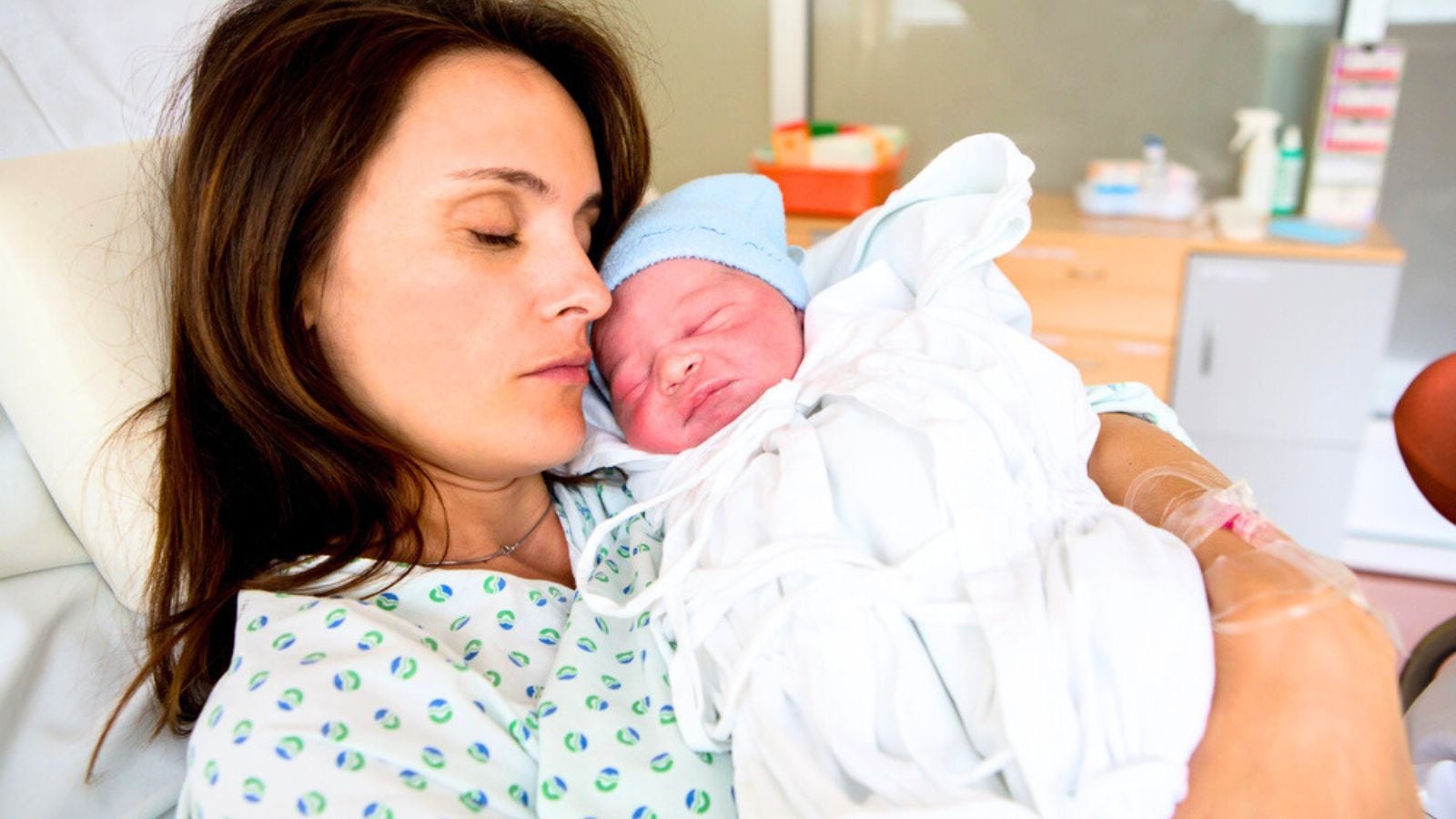
The BBC has reported that the United States is the only high-income, industrialized nation without federally mandated paid maternity leave. Countries including Germany, Canada, Japan, and the United Kingdom all guarantee paid leave for new mothers.
American workers are covered by the Family and Medical Leave Act, which provides 12 weeks of unpaid leave, but only for those who qualify.
Many women in the US do not qualify for FMLA protections due to employer size or length of employment requirements. Those who do qualify still face the financial strain of taking unpaid time off after giving birth.
The absence of federal paid leave pushes new mothers back into the workforce sooner than is medically recommended and places the US out of step with every comparable nation on earth.
4. Mothers Do More Housework Even When They Earn More
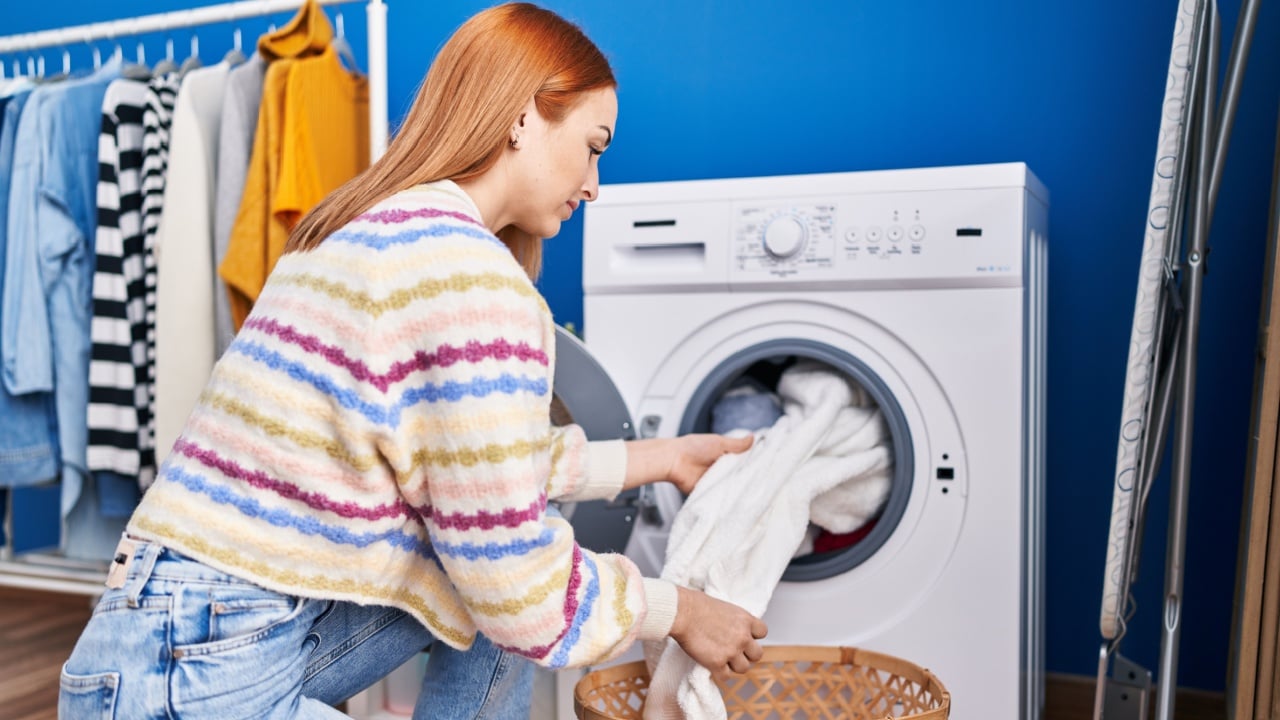
Research published in PubMed Central through the US National Library of Medicine found that mothers in heterosexual households continue to perform the majority of household labor even when they are the primary breadwinners.
That means women who earn more than their partners still carry a greater share of domestic responsibilities. The imbalance holds regardless of income level.
This dynamic is known in sociological research as the second shift. Women finish paid work and return home to an unpaid workload that their partners do not share equally.
The research indicates this is not a matter of time availability or scheduling. It reflects deeply embedded social norms around gender and domestic responsibility that income alone does not change.
5. Girls Ages 5 to 14 Do 40% More Household Chores Than Boys

The unpaid labor gap often begins in childhood. Global child welfare estimates have found that girls ages 5 to 14 spend 160 million more hours on unpaid chores than boys.
These chores may include cleaning, cooking, water collection, sibling care, and other family tasks.
That early pattern teaches children who is responsible for care before adulthood even begins. It can cut into girls’ study time, play, rest, and confidence in their own ambitions.
Families that assign chores by ability and fairness, rather than gender, help break the cycle before it becomes a lifelong default.
6. Women Are More Likely to be Unpaid Family Caregivers for Their Parents (61%)

Women make up close to 61 percent of unpaid family caregivers for aging, ill, or disabled adults (primarily their parents). This work can include bathing help, medication management, transportation, meal prep, medical paperwork, and emotional support.
Many caregivers provide care while also holding paid jobs and managing their own homes.
Adult caregiving often arrives quietly, then grows as health needs change. A few rides to appointments can turn into weekly care coordination, financial paperwork, and constant phone calls with providers.
Better workplace flexibility, respite care, and shared family plans can reduce the risk that one woman becomes the default support system.
The Numbers Say What Many Women Already Know

These statistics do not describe an isolated issue or a problem limited to low-income households. They describe a pattern that runs across income levels, family structures, and national policies.
Women are doing more, receiving less credit for it, and getting less institutional support to change the balance.
Girl News exists for exactly this reason. When news coverage consistently centers men, the lived experiences and systemic challenges facing women go underdocumented and underdiscussed.
Knowing the numbers is a starting point for forming opinions, having those opinions heard, and pushing for real change.
Read More:
The Women Gardeners History Tried to Forget (in Celebration of International Women’s Day)
5 Reasons Women Are Choosing to Stay Single and Stay Far Away from Dating