7 Items in a Home Office Derailing Your Focus Daily
Sometimes a home office looks tidy at first glance and still chips away at your attention all day.
The problem often comes from ordinary items you stop seeing. A dead charger, a stack of mail, or a drawer full of loose clips can create tiny decisions that slow your work.
Your brain uses energy to filter what sits in front of you. When too many objects compete for attention, even simple tasks take more effort than they should.
Here are seven common home office items that may be derailing your focus, with practical ways to clear them out and work with less mental noise.
1. Old Tech Gear
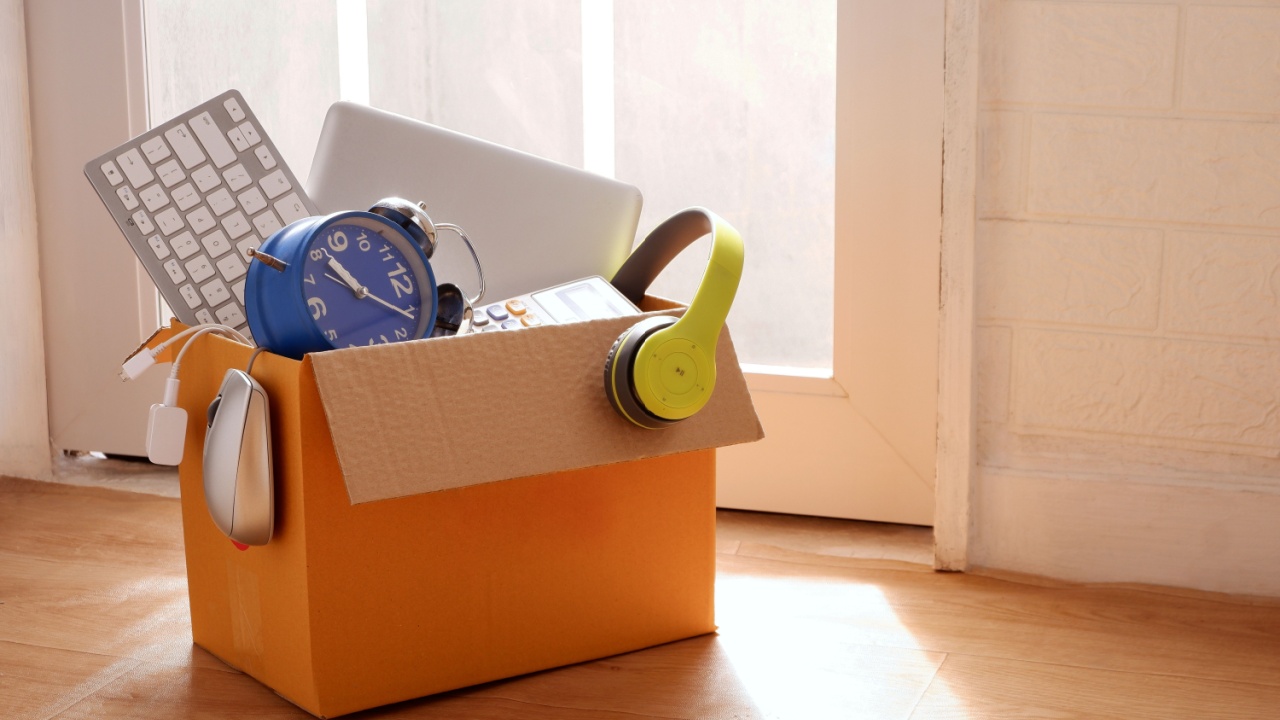
Outdated tech gear often gathers in drawers, bins, and desk corners because it seems too useful to toss. Extra chargers, mystery cables, dead tablets, old earbuds, and unused adapters create visual and mental clutter.
Each item asks a quiet question when you see it, such as what it belongs to or if you still need it. That small pause can break your focus during work that already needs careful attention.
Gather every cable, charger, and device in one place and match each item to the equipment you currently use. Keep only what has a clear purpose, then label the items that remain with the device name.
Recycle broken electronics through a local e-waste program rather than letting them sit in a drawer. Store backup cables in one small container so they stay useful instead of turning into a tangle.
2. Messy Mail Piles

Mail piles are distracting because they mix work, errands, bills, reminders, and junk in one visible stack. Your eyes land on the pile, and your mind shifts away from the task in front of you.
Unopened envelopes also carry a sense of unfinished business, even if most of them are ads. That low-level pressure can make your workday feel scattered before you even open your laptop.
Create a small mail station with folders for action, filing, and shredding. Open mail near a recycling bin so catalogs, flyers, and empty envelopes leave the room right away.
Put bills or forms that need action in one folder, then review that folder at a set time each week. This keeps mail from becoming a second inbox spread across your desk.
3. Random Personal Items
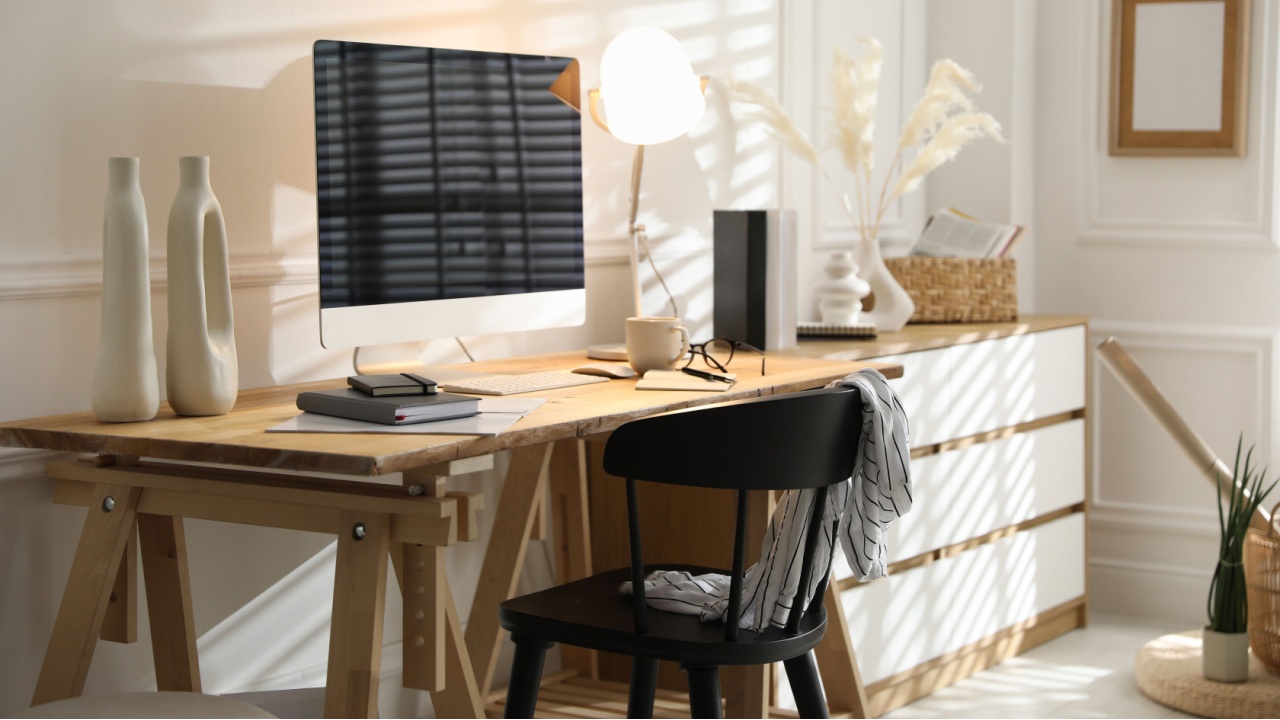
Random items can make a home office pleasant, but too many can crowd your attention. Extra mugs, souvenirs, candles, figurines, and décor compete with your screen, notebook, and work tools.
Objects with memories attached may pull your mind toward errands, trips, people, or chores. Even pleasant distractions still interrupt deep focus when they sit in your main line of sight.
Choose a limited number of personal items that support the kind of workday you want. A framed photo, a favorite mug, or a small plant may be enough to make the space feel personal without crowding the desk. Move the rest to another room, a shelf behind you, or a display area away from your work surface. Keep the zone directly in front of you reserved for the task at hand.
4. Unsorted Desk Drawers
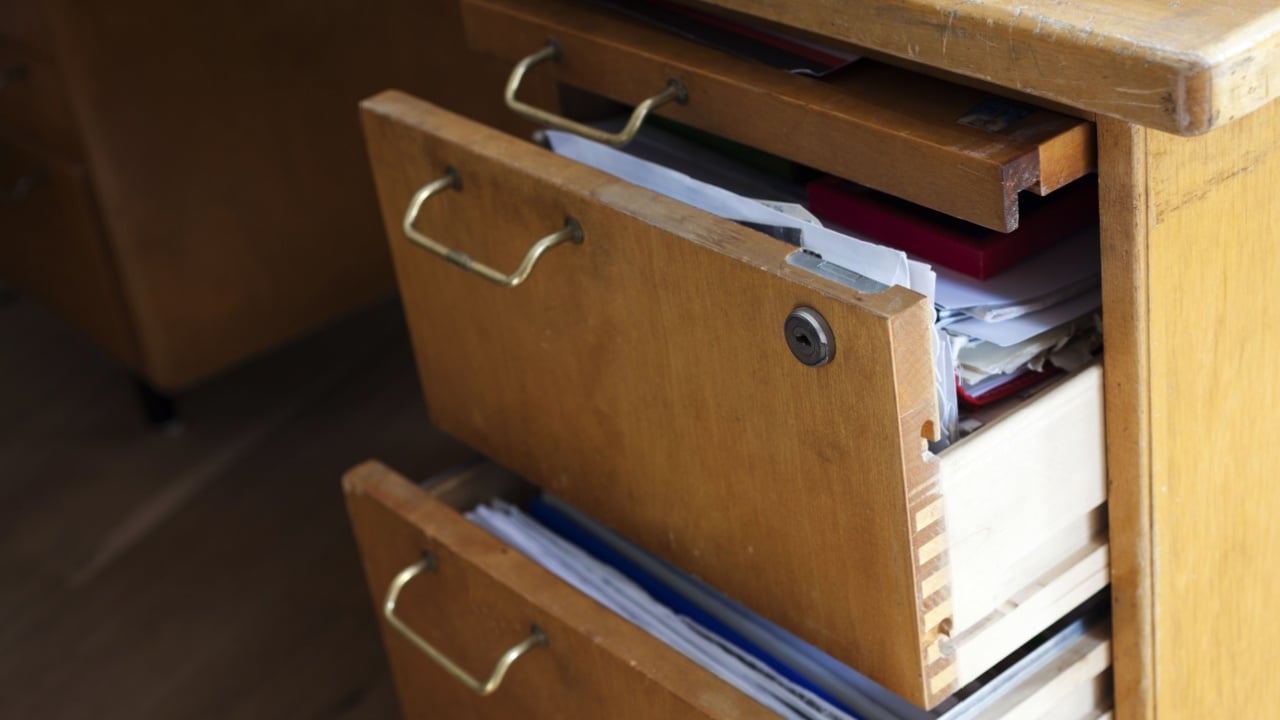
A messy drawer may seem hidden, yet it still affects your work when you need supplies. Loose paper clips, sticky notes, pushpins, batteries, receipts, rubber bands, and old keys turn a simple search into a small interruption.
The longer it takes to find one item, the more likely you are to lose the thread of your work. Drawers also become clutter traps when they have no clear sections.
Empty the drawer fully and group similar items before putting anything back. Use shallow dividers, small boxes, or reused containers to separate clips, pens, sticky notes, and tech accessories.
Remove items that belong in other rooms, since your desk drawer should serve your work needs first. Leave a little open space so the drawer remains easy to use after busy weeks.
5. Duplicate Reference Materials

Old manuals, printed guides, outdated planners, and duplicate binders can take up space long after they stop helping you. Many reference materials are easy to find online, yet paper copies linger because they seem official or important.
The problem is that excess reference material makes useful information harder to spot. A crowded shelf can also make your office feel more like storage than a place for focused work.
Review each manual, guide, and binder with one question in mind: when did you last use it? If the answer is more than a year old and the information is easy to access online, recycle the paper copy.
Keep essential documents in labeled folders and place them where you can reach them without digging. For digital copies, create a single folder on your computer with clear file names so you do not replace paper clutter with digital clutter.
6. Bulky or Broken Organizers
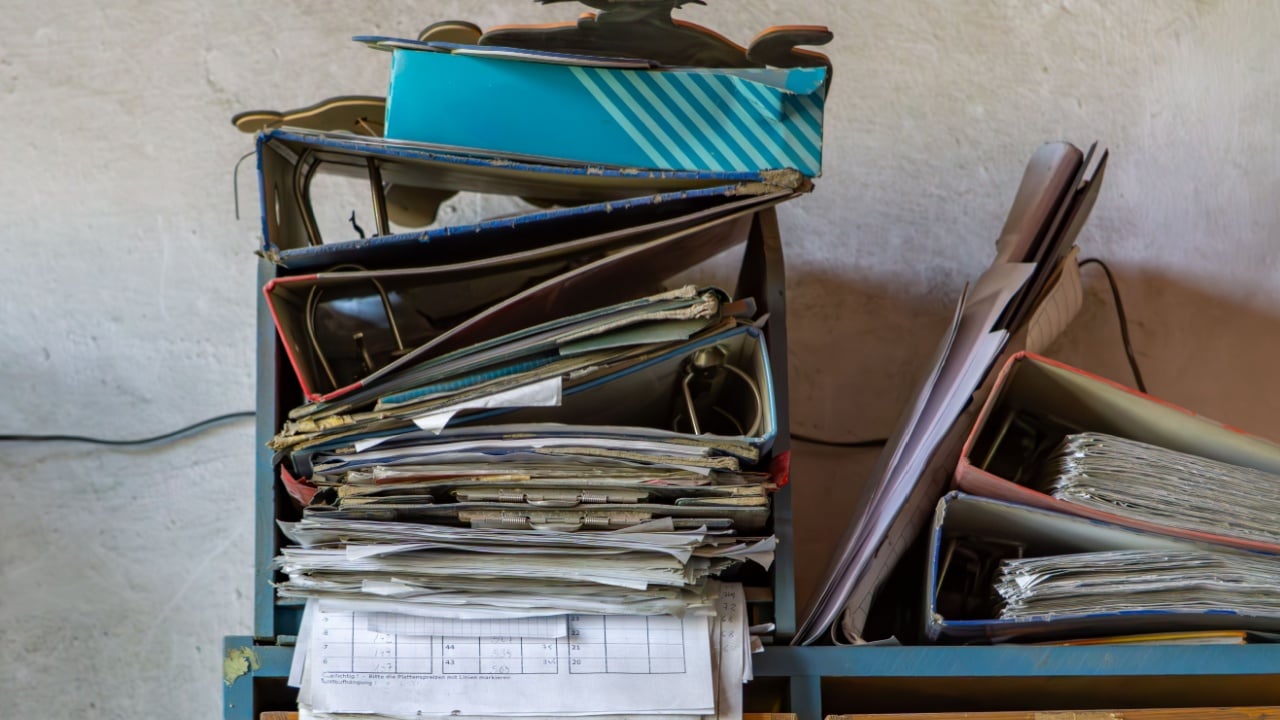
Organizers are supposed to help, but bulky or broken ones can cause more friction than order. A file cabinet with jammed drawers, cracked trays, sagging folders, or oversized desktop sorters can slow you down every time you use them.
When an organizer takes effort to open, close, lift, or search, you may avoid filing items at all. That leads to piles forming on the desk, even when storage sits nearby.
Remove organizers that no longer match the way you work. Replace heavy or broken pieces with simple extra storage systems you can use in seconds, such as a slim file box, a vertical sorter, or sturdy labeled folders.
Keep active projects close and archive older records away from your main work area. The best organizer is the one you use without delay.
7. Excess Pens and Stationery
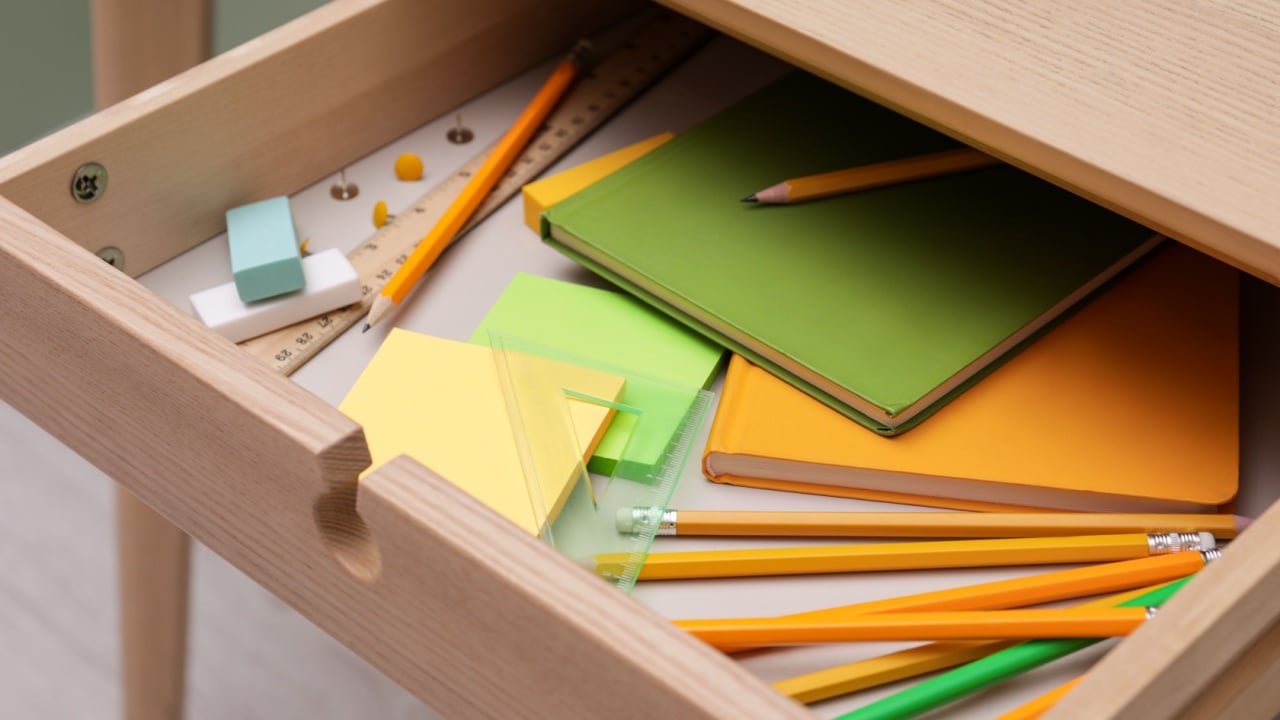
Too many pens, notebooks, sticky pads, envelopes, and notecards can make choices harder than they need to be. A cup packed with half-dry pens forces you to test several before you can write one note.
Stationery piles may also invite side tasks, such as sorting colors or saving pretty paper, when you meant to focus on work. Small supplies are useful, but excess turns them into clutter.
Test every pen and marker, then discard the ones that skip, leak, or feel uncomfortable. Keep a small set of reliable pens, one notebook, and a reasonable stack of sticky notes within reach.
Store backup supplies in a labeled box away from the desktop. This gives you what you need without turning the desk into a supply closet.
A Clearer Desk for Better Focus

A focused home office does not need to be bare or perfect. It needs to remove the items that interrupt your attention, slow your choices, and crowd your workspace.
When every object near you earns its place, your desk becomes easier to use and easier to maintain.
Begin with the item that distracts you most, such as mail, old tech, or loose paper. Clear that category fully before moving to another one. A calmer desk will help your mind settle into work faster and stay there longer.