Millions of Gardeners Are Unknowingly Ruining Their Soil Every Spring With This One Habit
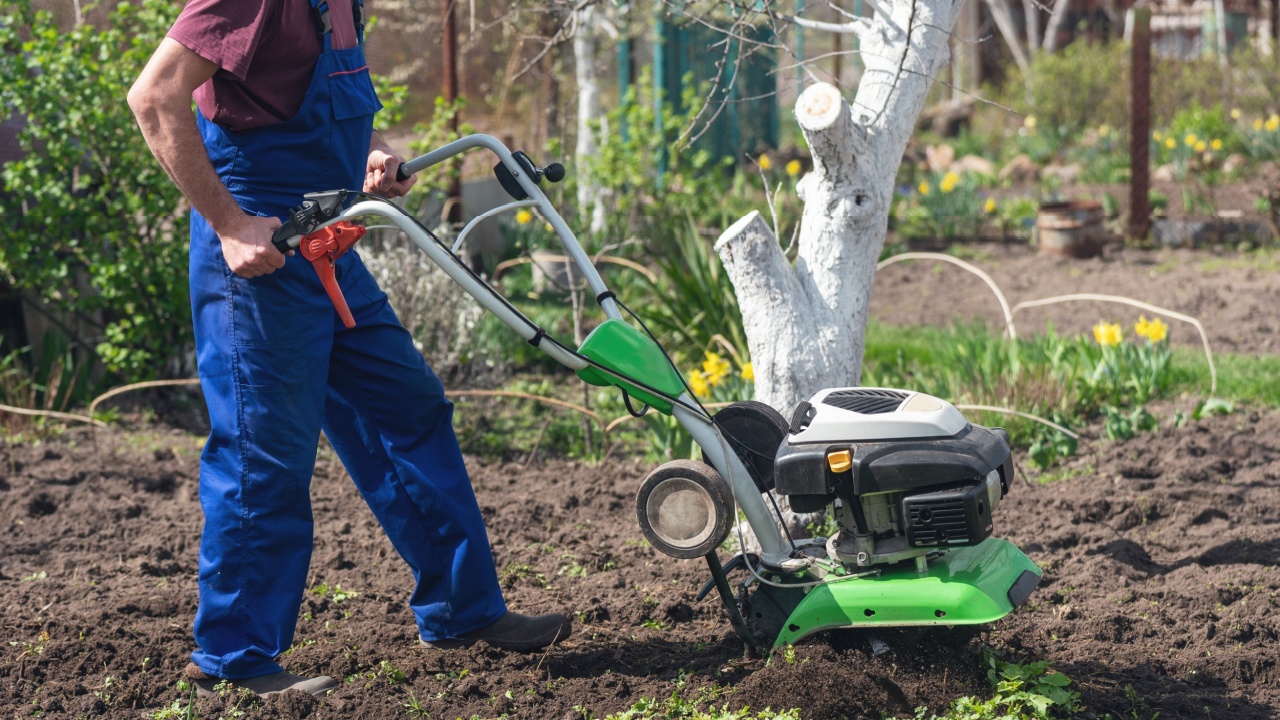
If you fired up the rototiller this spring, you may have just dealt your garden a serious blow.
For generations, turning the soil in spring felt like the responsible thing to do. Your grandparents did it. Gardening books recommended it. The smell of freshly churned earth practically promised a great growing season. But decades of soil science research have quietly reached a different conclusion: annual tilling is one of the most widespread and damaging habits in the home garden, and most gardeners who practice it have no idea the harm is accumulating season after season.
The damage isn’t visible on the surface. That’s what makes it so insidious. While tilling looks productive, it quietly destroys the underground ecosystem your plants depend on, accelerates weed growth, depletes nitrogen, and further compacts the soil with each pass. Gardeners who till spend more money on fertilizer, fight more weeds, and end up with increasingly difficult soil, year after year. Ending that cycle costs nothing.
Here is what is actually happening underground every time you till, and what to do instead to build soil that gets richer every season on its own.
Why Most Gardeners Still Till Every Spring
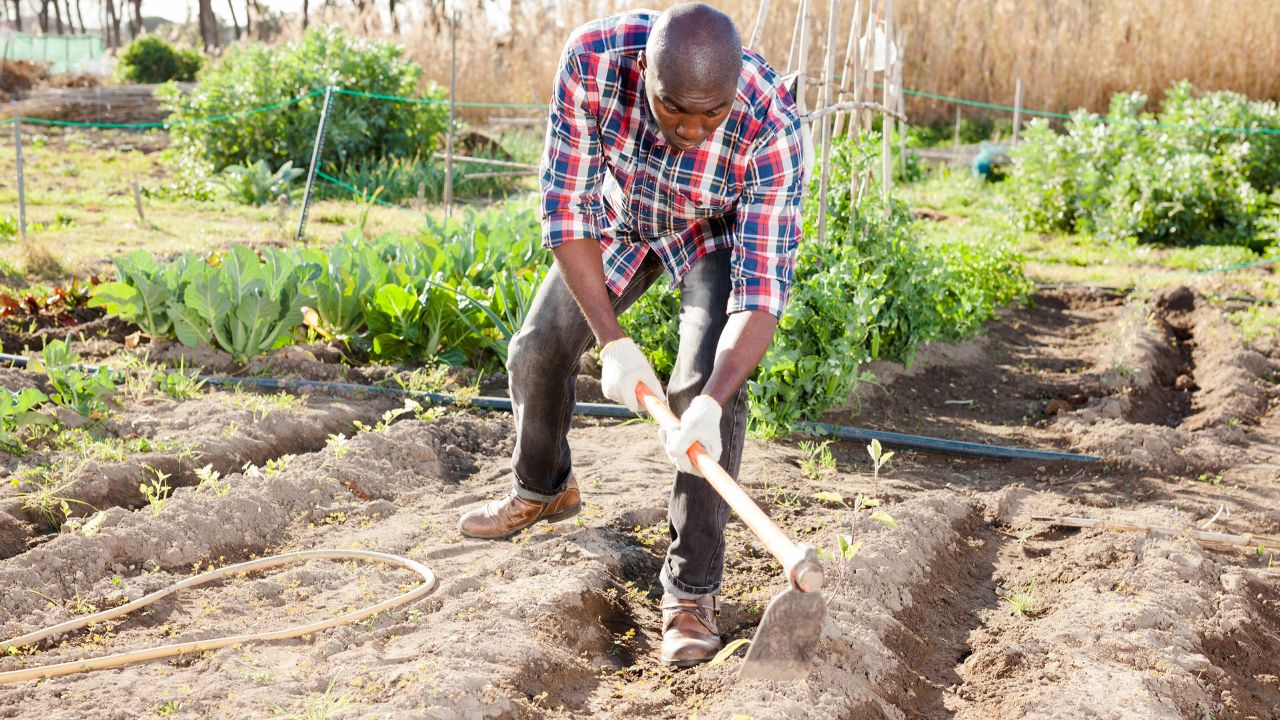
Tilling became standard practice for several logical-sounding reasons: it loosens compacted soil, helps incorporate compost and fertilizer, and clears out weeds before planting. These benefits are real in the very short term, which is exactly why the habit stuck. As the Anoka County Master Gardeners note, commercial farmers have traditionally recommended cultivation twice a year, in spring and fall, and home gardeners followed suit without question.
There is also an emotional component that gets less attention. The smell of freshly tilled soil is genuinely appealing. The visual of clean, loose earth feels like a fresh start. For gardeners who have been tilling for 20 or 30 years, the idea of stopping can feel like abandoning something that works. Except that the science is now clear that the long-term consequences outweigh those short-term benefits by a significant margin.
What Tilling Is Actually Doing to Your Soil
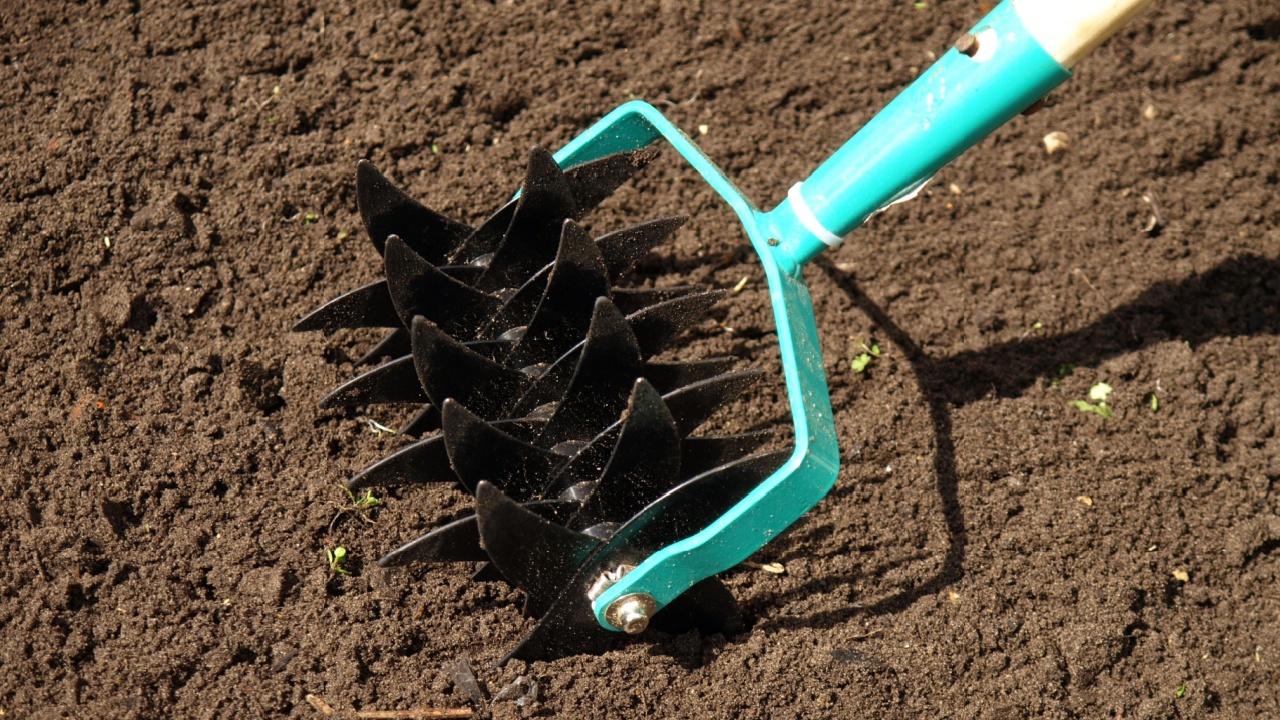
The most counterintuitive finding in soil science is that tilling does not actually loosen soil over time; it actually does the opposite. As soil scientist Dr. Lee Reich explains, tilling pulverizes soil particles into smaller pieces that settle closer together, creating soil that compacts more tightly in the long run than it would have if left alone.
Tilling wet soil, which many eager gardeners do in the spring, makes this substantially worse. In clay-heavy soils, particularly, working the soil while it is too moist forces oxygen out of air pockets, leading to dense clods and severe compaction when the soil dries. Tilling also creates what soil scientists call a hardpan or tillage pan, a compacted layer that forms just below tilling depth, invisible from the surface but blocking water and root penetration for years.
Penn State University researcher, Dr. Denise Finney, found that tilling also causes nitrogen, the most critical plant nutrient, to dissipate into the air, particularly when soil is left bare and tilled heading into winter. Tilled soil is also significantly more prone to erosion through wind and water runoff, which strips topsoil and carries nutrients off the property entirely.
The Underground World You’re Destroying With Every Pass
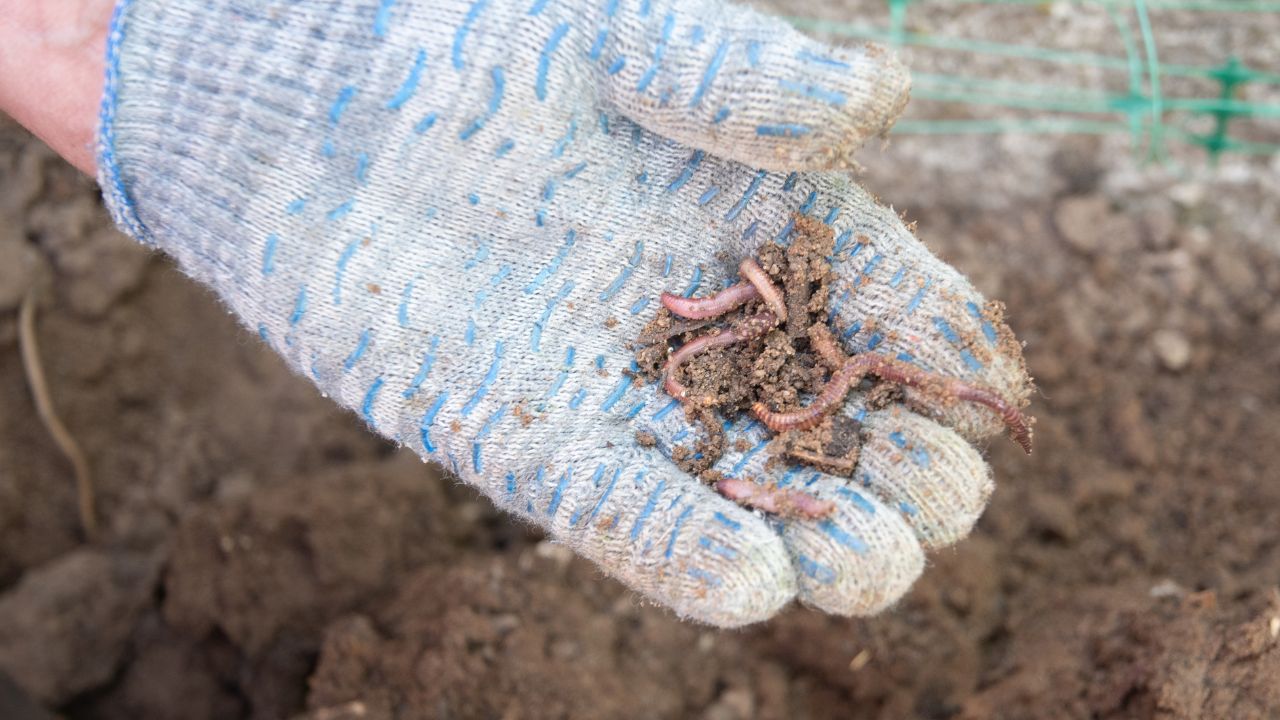
Below your garden bed is a living network more complex than anything you can plant above it. Billions of bacteria, earthworms, nematodes, and fungal threads work continuously to break down organic matter, cycle nutrients, and feed your plants. Quoted in Preen, Washington State University Extension calls this the soil food web, and tilling dismantles it with every use.
The most critical members of this network are mycorrhizal fungi, microscopic threads that extend plant root systems and deliver nutrients that roots cannot reach on their own. Research published in Frontiers in Microbiology found that conventional tillage can reduce the diversity of these beneficial fungi by up to 40%.
Every time you fire up the tiller, you are not fluffing the soil. You’re disrupting a living network that took years to build, one that costs nothing to maintain and everything to rebuild once it is gone.
Why Tilling Makes Your Weed Problem Worse, Not Better

One of the most common reasons gardeners till is weed control. It is also, paradoxically, one of the strongest arguments for stopping. Weed seeds can remain dormant in the soil for years, sometimes decades, waiting for the right conditions to germinate. Those conditions are warmth, light, and moisture. Tilling delivers all three by bringing buried seeds to the surface.
Lauren Lovejoy, regenerative farmer and founder of Regenerative Farmers of America, describes the problem plainly in Martha Stewart: tilling brings buried weed seeds to the surface, where sunlight triggers germination, and the weed explosion that follows is what causes so many gardeners to give up by midsummer. In Preen, the University of New Hampshire Extension confirms that while tilling does uproot and kill existing weeds, it simultaneously stirs dormant seeds into the germination zone. Dr. Lee Reich found that weed pressure in his own garden decreased substantially once he stopped tilling, a finding consistent with USDA research.
How to Stop Tilling and Build Better Soil for Free

The transition to no-till is simpler and less expensive than most gardeners expect. Erica Chernoh, Oregon State University Extension Service horticulturist, describes it as building soil rather than managing it, and notes that most goals achievable by tilling can be accomplished with other methods that do far less damage.
The foundational switch is mulching. Applying 2 to 4 inches of wood chips, straw, compost, or shredded leaves on the soil surface each season mimics the forest floor and feeds the soil food web continuously. Research from California Polytechnic State University found that a mulch layer reduces moisture evaporation by up to 40% compared to bare soil, meaning less watering and less work.
For gardeners with compaction issues, a broadfork (a long-handled fork with multiple deep tines) aerates the soil without turning it, preserving aggregate structure and fungal networks. For new beds over existing grass, sheet mulching with cardboard topped by compost eliminates the need for a tiller. The University of Minnesota Extension confirms this method works even for large areas, with the cardboard suppressing existing vegetation as it decomposes.
Gardeners who have owned or rented a rototiller, spending $300 to $600 for a machine or $50 to $100 per seasonal rental, can redirect that expense toward a season’s worth of compost and mulch, materials that actively build the soil rather than degrade it.
The One Situation Where Tilling Is Actually Justified

Soil scientists are not entirely anti-tilling. The University of Minnesota Extension acknowledges one situation where a single pass with a tiller is the most practical choice: breaking new ground in a space with extreme compaction, thick sod, or deeply rooted perennial weeds that cardboard and mulch alone cannot suppress in a reasonable time frame.
The critical word is once. A one-time till to establish a new bed, followed by permanent no-till practices, causes far less cumulative damage than decades of annual spring tilling. As the Heirloom Soul flower farm model demonstrates, tilling new ground once, then transitioning immediately to permanent raised no-till beds, produces healthy, productive soil within a season or two.
If your existing garden has been tilled for years and the soil is struggling, the path forward is not more tilling. Stop, mulch heavily, and give the soil food web a season to begin rebuilding. Most gardeners who make the switch report noticeably improved soil texture, fewer weeds, and healthier plants within the first growing year.
Read more:
7 perennial planting mistakes to stop making right now
How to Grow Zucchini Vertically: 7 Steps That Save Space and Double Your Harvest