
12 U.S. States With the Highest Job Burnout Rates
Work demands frequently take a severe toll on employee well-being as each year progresses. A lack of harmony between job duties and personal life remains a leading cause of severe stress. Many professionals struggle to separate their personal time from office responsibilities.
A recent study by MattressNextDay evaluated all U.S. states on seven specific factors. These metrics included average hours worked, employment rates, mental health statistics, and cigarette usage. Other data points measured side hustle searches and overall sentiment toward hustle culture.
This guide explores the states facing the highest levels of workplace exhaustion. Readers will discover the specific factors driving these statistics and find actionable advice to improve daily routines. Taking proactive steps can significantly reduce daily tension.
1. Louisiana

Louisiana ranks at the top of the list for workplace exhaustion. Residents average 36.2 hours of work per week. The state also reports a zero percent positive sentiment score regarding hustle culture and high cigarette usage.
Long working hours combined with a negative view of extra side projects create a heavy burden (likely because they don’t even have the time). Employees often feel pressured to perform without seeing an avenue for personal advancement. This environment breeds chronic fatigue.
Setting strict boundaries regarding working hours can relieve this pressure. Try leaving the office on time and turning off email notifications after hours. Prioritizing rest helps rebuild energy levels for the following shift.
2. West Virginia

West Virginia stands as the second most exhausted state in the nation. The population works an average of 35.5 hours weekly. Furthermore, over 20 percent of residents report dealing with mental health issues.
A high prevalence of mental health struggles highlights the heavy toll of demanding jobs. Workers in this region face long shifts that leave little room for personal recovery. A lack of positive sentiment for hustle culture indicates a workforce strictly focused on survival rather than expansion.
Scheduling short breaks throughout the workday can alleviate mental strain. Stepping away from the desk for five minutes every hour refreshes the mind. Frequent pauses help sustain concentration and reduce overall fatigue.
3. Arkansas
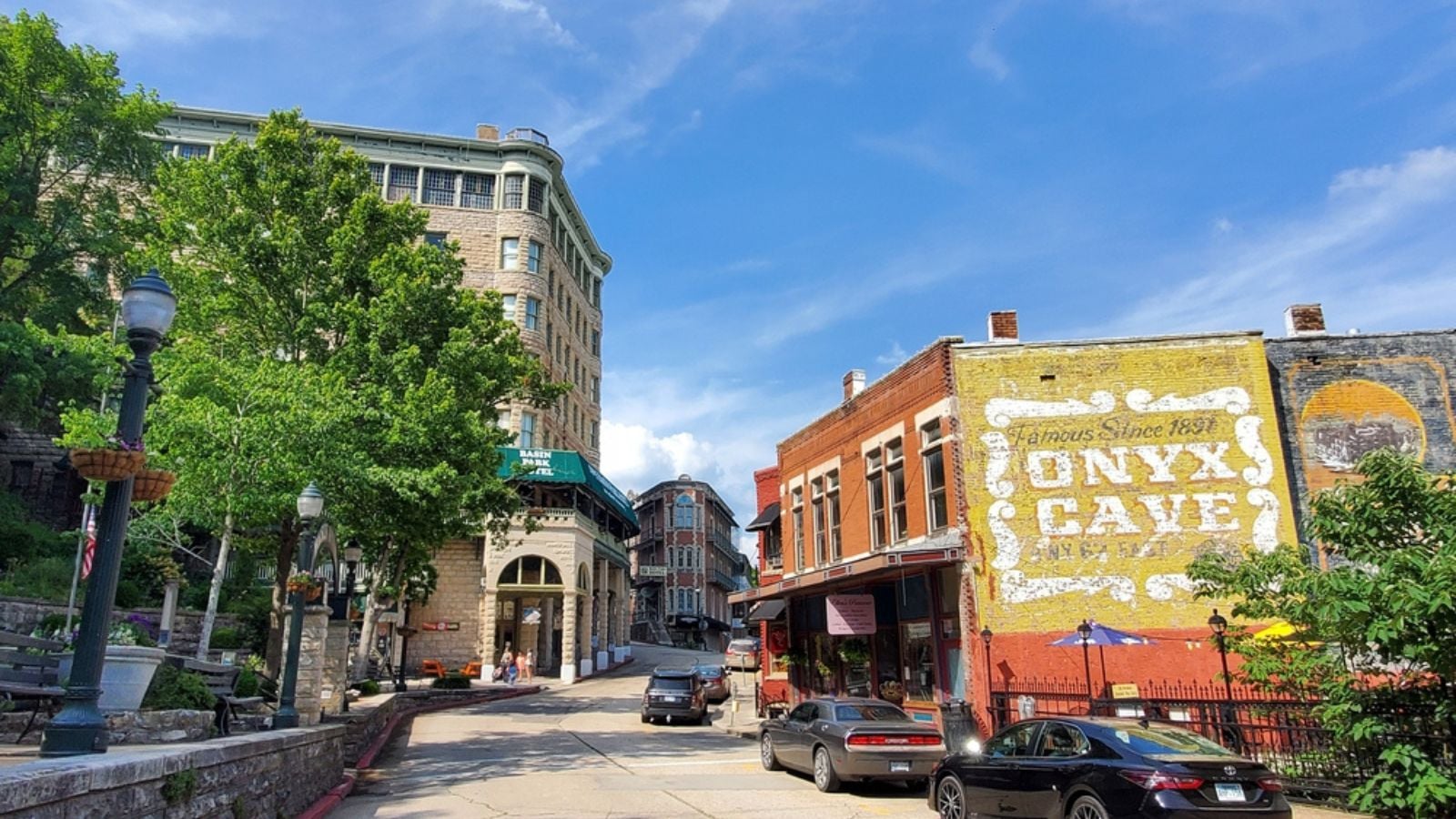
Arkansas takes the third spot on the list of exhausted workers. Employees log an average of 34.8 hours each week. A notable 17 percent of the population reported smoking in recent data.
The low positive sentiment toward hustle culture suggests employers may frown upon secondary business ventures. This limits the financial flexibility of residents and keeps them tied to primary jobs. The resulting pressure builds up into significant daily stress.
Developing a calming evening routine is a great way to decompress. Reading a book or practicing gentle stretching helps transition the brain away from office worries. A relaxed evening leads to better sleep quality.
4. Tennessee

Tennessee ranks fourth with employees working 35.1 hours weekly. The state boasts a high employment rate of 96.6 percent. However, 19.2 percent of the population reports dealing with poor mental health.
High employment rates look good on paper, but often hide the reality of overworked individuals. The correlation between full employment and high mental health struggles points to a demanding corporate environment. Workers are employed but exhausted.
Communicating workload limits to supervisors is a healthy practice. Politely declining extra tasks when your schedule is full prevents overwhelming situations. Open communication builds a more sustainable professional life.
5. Texas

Texas rounds out the top five with residents working 35.8 hours per week. The state shows a high rate of new entrepreneur activity. Citizens searched for side hustles 132,500 times over a single year.
This data suggests many Texans are attempting to run secondary businesses alongside their primary jobs. Managing two professional roles simultaneously drastically reduces available free time. This double workload accelerates physical and mental fatigue.
Dedicating at least one full day to absolute rest is highly recommended. Avoid checking work messages or planning business strategies on this designated day. Complete detachment restores the mind for the upcoming week.
6. North Dakota

North Dakota features a massive 97.9 percent employment rate. Employees average 35 hours of work each week. Mental health struggles affect 19.1 percent of the population.
The near-total employment rate directly correlates with widespread exhaustion. The state also holds a zero percent positive sentiment toward side businesses. This traps workers in a cycle of traditional employment without creative outlets.
Engaging in non-work hobbies provides necessary mental relief. Spending time gardening, painting, or hiking shifts focus away from corporate demands. Hobbies provide a sense of accomplishment completely separate from a paycheck.
7. Florida

Florida lands in seventh place with an average work week of 34.1 hours. The state shows the highest percentage of people becoming entrepreneurs in any given month. Side hustle searches reached 106,000 in a year.
The strong push toward entrepreneurship indicates a desire to escape traditional employment. However, building a business requires immense effort and long hours. The transition phase leaves workers stretched incredibly thin.
Creating a strict schedule for secondary projects prevents them from consuming all free time. Designate specific hours for entrepreneurial work and stop working when the alarm sounds. Structured time management keeps ambition from turning into burnout.
8. Vermont

Vermont ties for the highest number of people dealing with mental health issues at 21.8 percent. Citizens work an average of 33.2 hours per week. Hustle culture is not viewed positively in this state either.
Even with slightly lower weekly hours, the mental health statistics reveal a struggling workforce. Disapproval of side projects limits financial growth opportunities. Employees feel trapped in their current roles with no clear path forward.
Practicing mindfulness can anchor the mind during stressful shifts. Taking deep breaths and focusing on the present moment lowers heart rate. Simple breathing exercises provide instant relief during chaotic afternoons.
9. Maine

Maine has a 97.4 percent employment rate and an average workweek of 33.5 hours. Nearly 20 percent of the population reports mental health challenges. The state also shows zero positive sentiment toward hustle culture.
The combination of high employment and significant mental health issues mirrors trends in other exhausted states. Workers are staying employed, but they are paying a high psychological price. The lack of enthusiasm for secondary income streams reflects a population already pushed to its limits.
Utilizing all earned vacation days is vital for long-term health. Taking a week off allows the nervous system to completely reset. Regular vacations prevent the gradual buildup of chronic stress.
10. Georgia

Georgia employees work an average of 34.5 hours per week. The state sees a large volume of side hustle searches reaching 58,500 annually. It also ranks high for monthly entrepreneurial activity.
The drive to start secondary businesses adds massive pressure to standard workweeks. Balancing a full-time job with a startup requires sacrificing evenings and weekends. This constant grind leaves little room for family or relaxation.
Outsourcing small tasks can free up valuable time. Paying for grocery delivery or hiring a lawn service removes chores from the weekend schedule. Buying back time provides space for genuine recovery.
11. Nevada

Nevada experiences high exhaustion rates due to its massive hospitality sector. Workers frequently face irregular shifts and weekend demands. The constant interaction with tourists drains social and physical batteries.
Non-traditional hours disrupt natural sleep cycles and make routine building difficult. Employees often work holidays and miss important family events. This sacrifice generates feelings of isolation and severe fatigue.
Maintaining a consistent sleep schedule on days off helps regulate the body. Going to bed and waking up at identical times improves overall rest quality. A stable routine counteracts the chaos of unpredictable work shifts.
12. New York

New York demands a fast-paced lifestyle that constantly pushes boundaries. The immense cost of living forces many residents to work multiple jobs. Commuting adds hours of unpaid time to the daily grind.
The pressure to succeed in a highly competitive environment leaves little room for error. Workers feel they must constantly prove their worth to maintain their positions. This relentless pace quickly drains emotional reserves.
Disconnecting from technology an hour before bed improves mental clarity. Leaving the phone in another room stops the urge to check late-night emails. A quiet environment fosters deep and restorative sleep.
Reclaim Your Time, Reclaim Your Life

Whether you’re navigating the fast-paced lifestyle of New York or facing similar pressures in another state, reclaiming your time and peace starts with small, intentional changes.
By evaluating your work habits and implementing clear boundaries, you can take the first step toward a healthier, more balanced lifestyle. Prioritize your mental well-being; you deserve it.