8 Trendy Alternatives to Window Curtains
Curtains no longer hold a monopoly on style, privacy, and light control. Many homes now use cleaner, smarter window treatments that look polished and solve common problems.
Some options help cut glare in bright rooms. Others make large windows easier to manage, add insulation, or give a space a lighter and more open look.
That shift matters for anyone who wants a room to feel updated without making a huge design change. The right window treatment can shape how a room looks and how it functions every day.
Here are eight trendy alternatives to window curtains that offer style, privacy, and practical value in different parts of the home.
1. Roman Shades
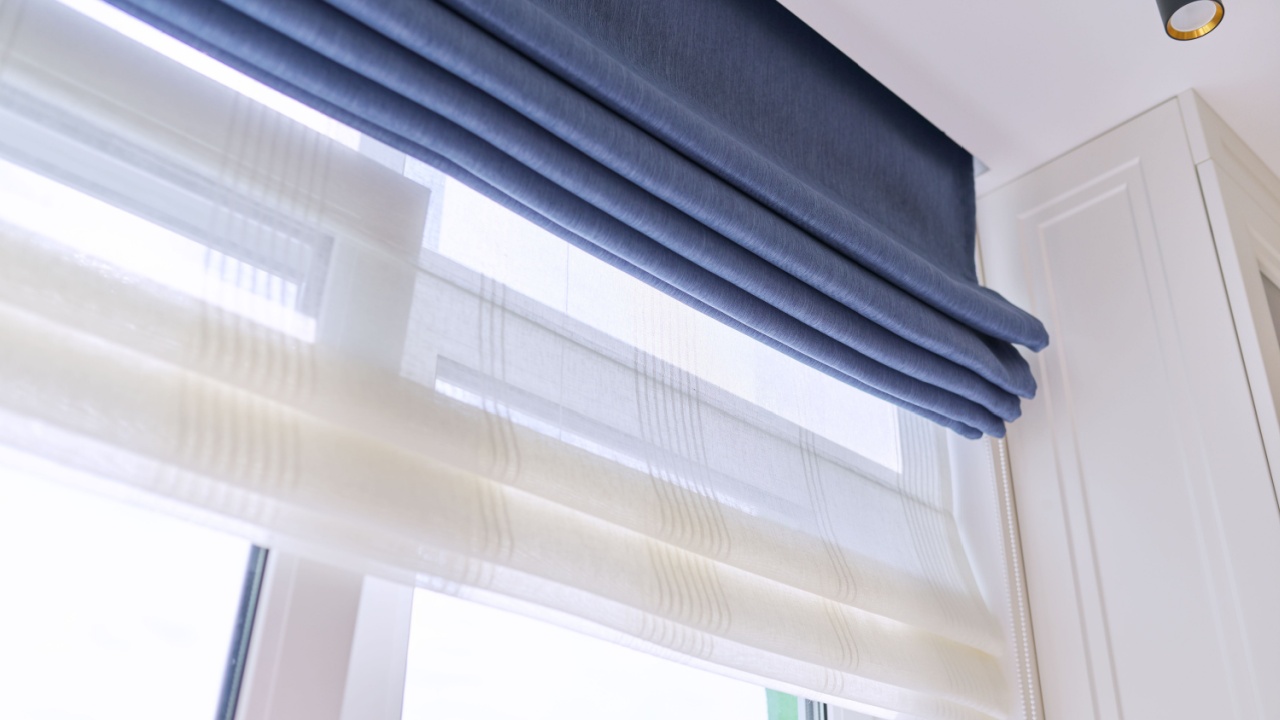
Roman shades bring the softness of fabric without the bulk of full curtains. When raised, they fold into neat horizontal pleats that look tailored and refined, which makes them a strong fit for bedrooms, living rooms, and dining spaces.
They come in linen blends, woven textures, and richer fabrics, so they can lean casual or polished based on the room.
They work best for homeowners who want a fabric look with a more structured finish. Lined Roman shades can improve privacy and block more light, while cordless styles make daily use easier and help keep the look clean.
In rooms that need warmth and texture but do not need long panels, this option often feels balanced and current.
2. Plantation Shutters
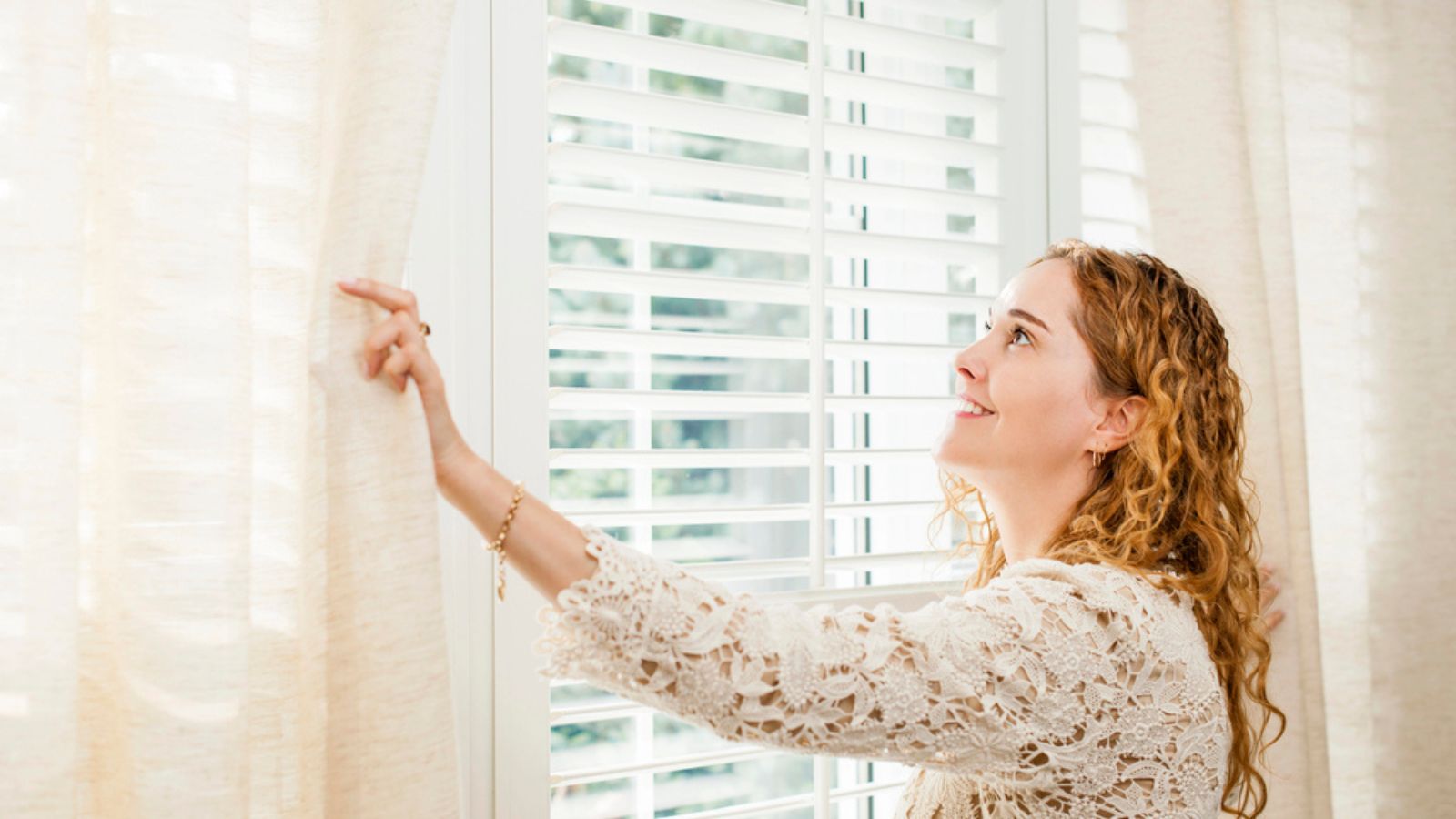
Plantation shutters offer a built-in look that feels neat and lasting. Their wide louvers make it easy to control light, airflow, and privacy throughout the day, and they suit many home styles from traditional to modern farmhouse.
They also sit close to the window, which helps a room look less cluttered.
This option is especially useful in spaces that get strong sun or need better insulation. Wood and composite versions can help reduce heat gain and add a solid layer at the window, which may improve comfort in hot or cold seasons.
They tend to cost more upfront, though many homeowners like them for their durability and low-maintenance appeal.
3. Sheer Shades
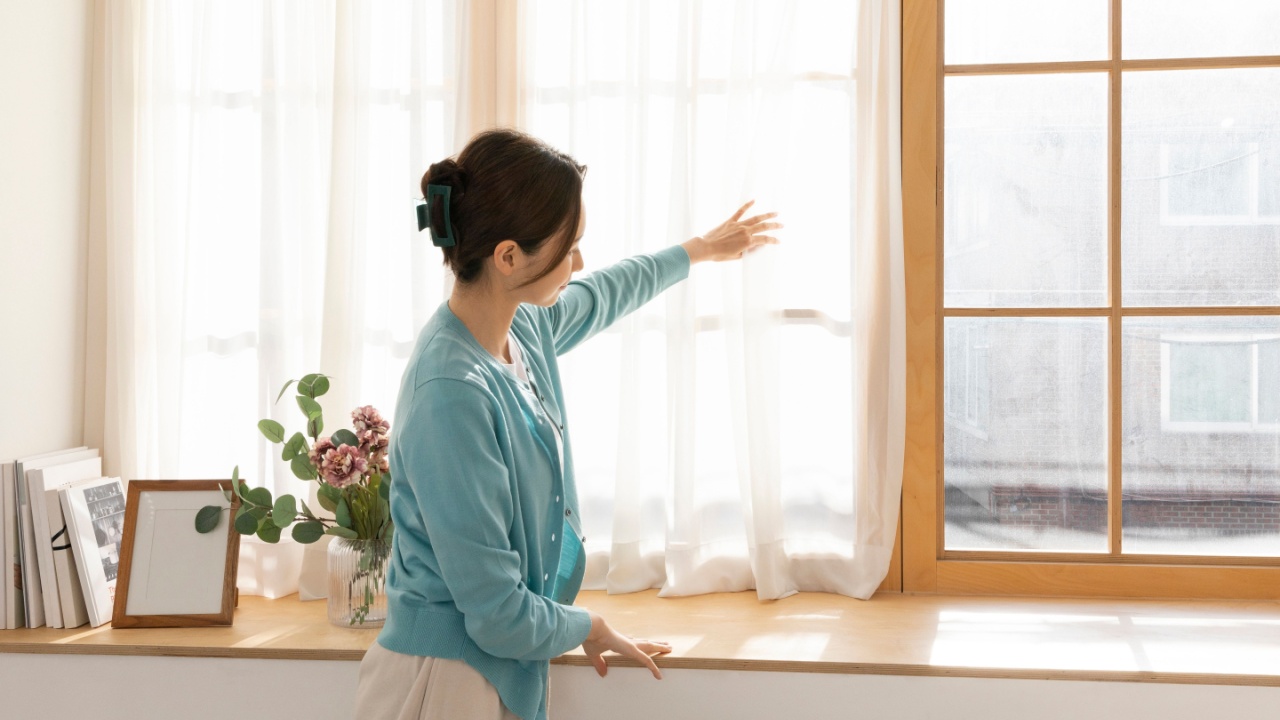
Sheer shades combine fabric softness with the control of blinds. They usually feature fabric vanes suspended between sheer panels, which lets filtered daylight enter while softening harsh sunlight.
The result is a gentle glow that feels airy without leaving the room fully exposed.
They are a smart fit for living rooms, breakfast nooks, and other areas where natural light matters. In the daytime, they can provide privacy while still keeping the room bright, though nighttime privacy may depend on indoor lighting and the specific fabric.
For homes that want a lighter window treatment with a polished look, sheer shades can strike that balance well.
4. Vertical Blinds
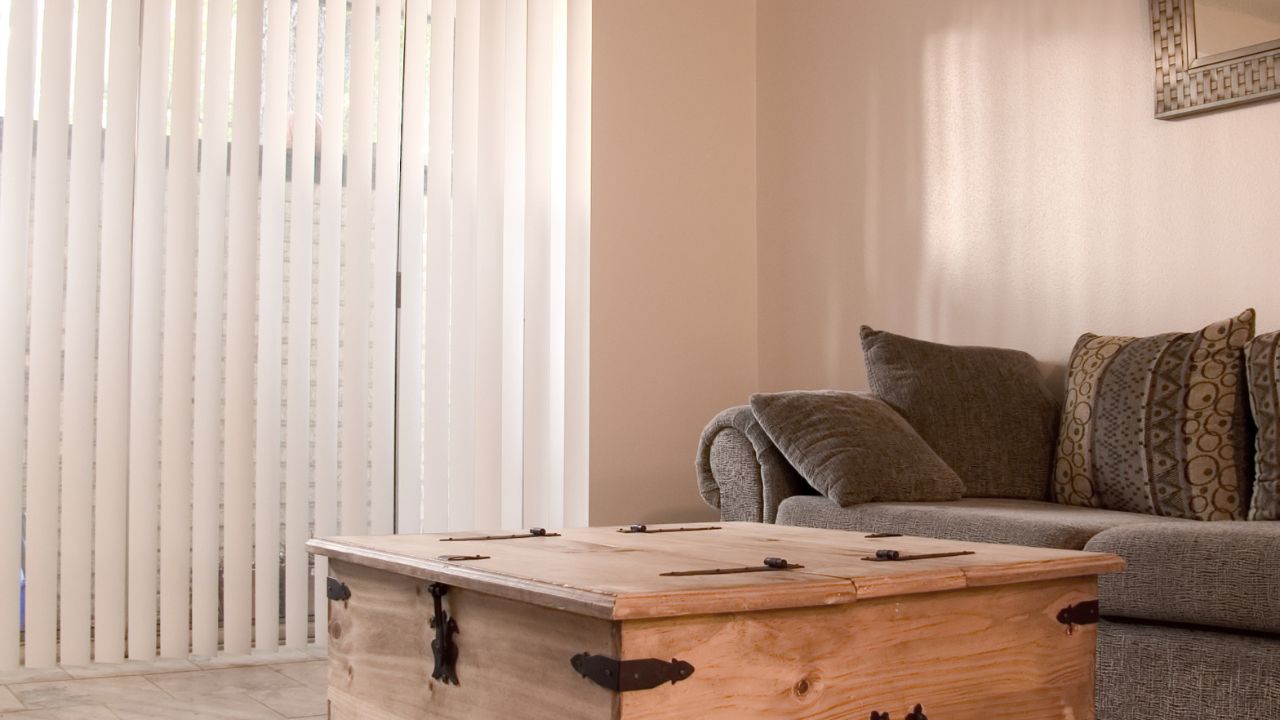
Vertical blinds have moved far beyond the plain styles many people remember from older homes and offices. Newer options come in fabric, textured vinyl, and wider slats that look cleaner and more current, especially on sliding glass doors and wide windows.
Their vertical design also makes them easy to open from side to side without taking up much space. They are especially practical in high-traffic areas where doors open often.
Since the slats hang vertically, they tend to collect less dust than many horizontal options, and damaged vanes are often easier to replace than an entire treatment. For patio doors, sunrooms, or large picture windows, they offer a simple way to manage light without crowding the room.
5. Café Shutters
Café shutters cover only the lower half of a window, which gives privacy at eye level while leaving the upper section open to daylight. That partial coverage creates a fresh and charming look that works well in kitchens, breakfast areas, and street-facing rooms.
The design feels open and bright while still solving a common privacy concern. They are most helpful in places where full window coverage would block too much natural light.
Since the top half stays uncovered, the room can feel more inviting during the day, and the shutters themselves are easy to wipe clean. For homes that want a lighter alternative to full shutters or curtains, café shutters offer a smart middle ground.
6. Cellular Honeycomb Shades
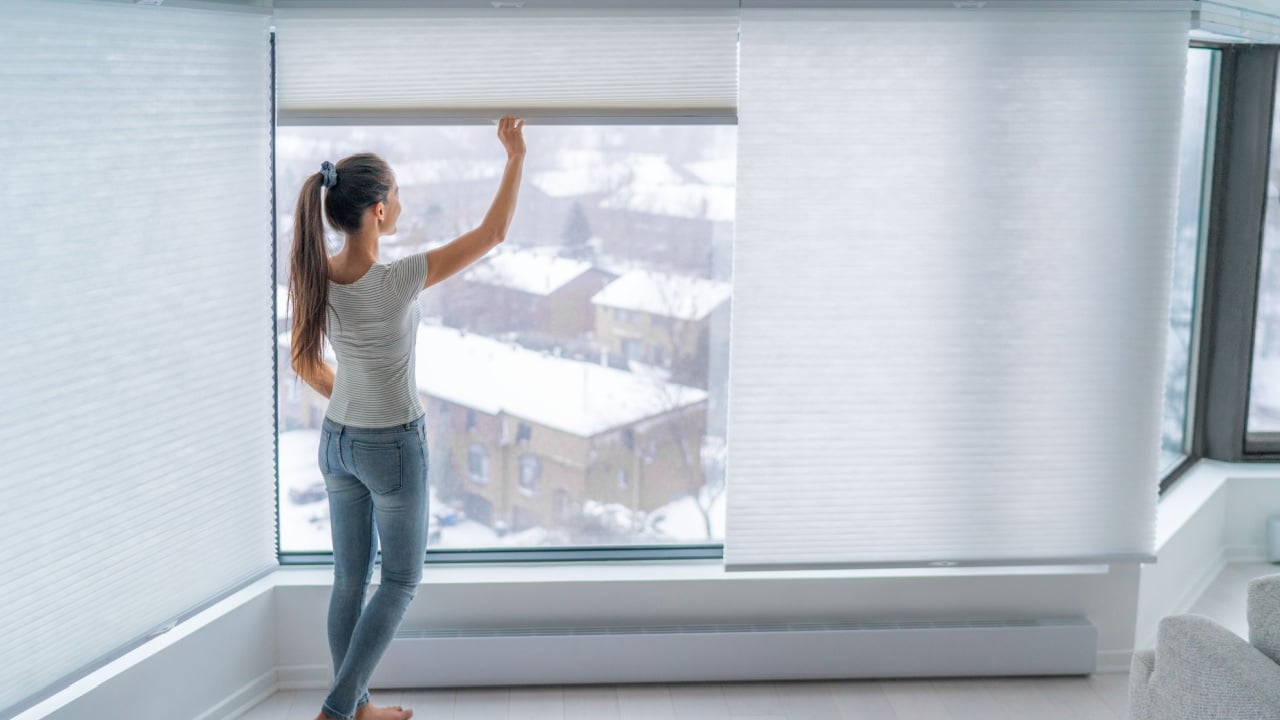
Cellular honeycomb shades are known for their energy-saving design. Their pockets trap air inside the shade, which helps reduce heat transfer at the window and can make rooms feel more comfortable in both summer and winter.
They also come in light-filtering and room-darkening versions, so they can suit many needs. This style works especially well in bedrooms, nurseries, and rooms with drafty windows.
Some designs include top-down, bottom-up control, which allows light from above while keeping the lower part private. For homeowners who care as much for comfort as style, cellular shades offer a strong mix of function and clean design.
7. Roller Shades

Roller shades have become a favorite in modern interiors because they look sleek and stay visually quiet. They use a single panel of fabric that rolls up neatly, and they come in many materials, from sheer solar fabrics to blackout options.
That range makes them easy to use in home offices, media rooms, kitchens, and bedrooms. The right fabric choice makes a big difference with this option.
Solar shades can cut glare and reduce UV exposure while still allowing a view outside, while blackout roller shades help darken a room for sleep or screen use.
Their simple profile works well in spaces that need a clean finish without heavy fabric or ornate details.
8. Venetian Blinds
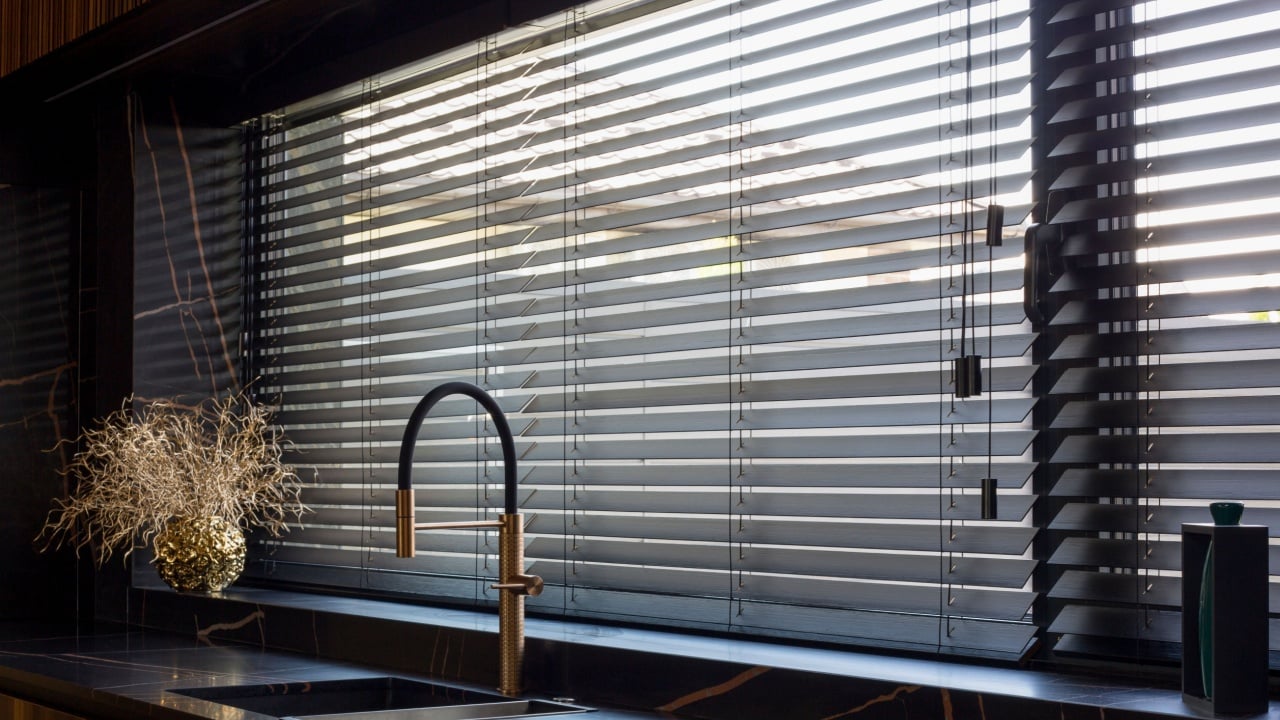
Venetian blinds use horizontal slats that tilt to adjust light and privacy with precision. They are available in wood, faux wood, aluminum, and other finishes, which helps them fit a wide range of interiors.
This design gives users more control than many fabric treatments because the slats can be angled throughout the day.
They are especially useful in rooms where sunlight changes quickly, such as home offices and front-facing living spaces. Faux wood styles can be a strong pick for bathrooms and kitchens since they handle moisture better than real wood.
For homeowners who want a familiar option with flexible performance, Venetian blinds still hold up well in current design trends.
A Fresh Finish
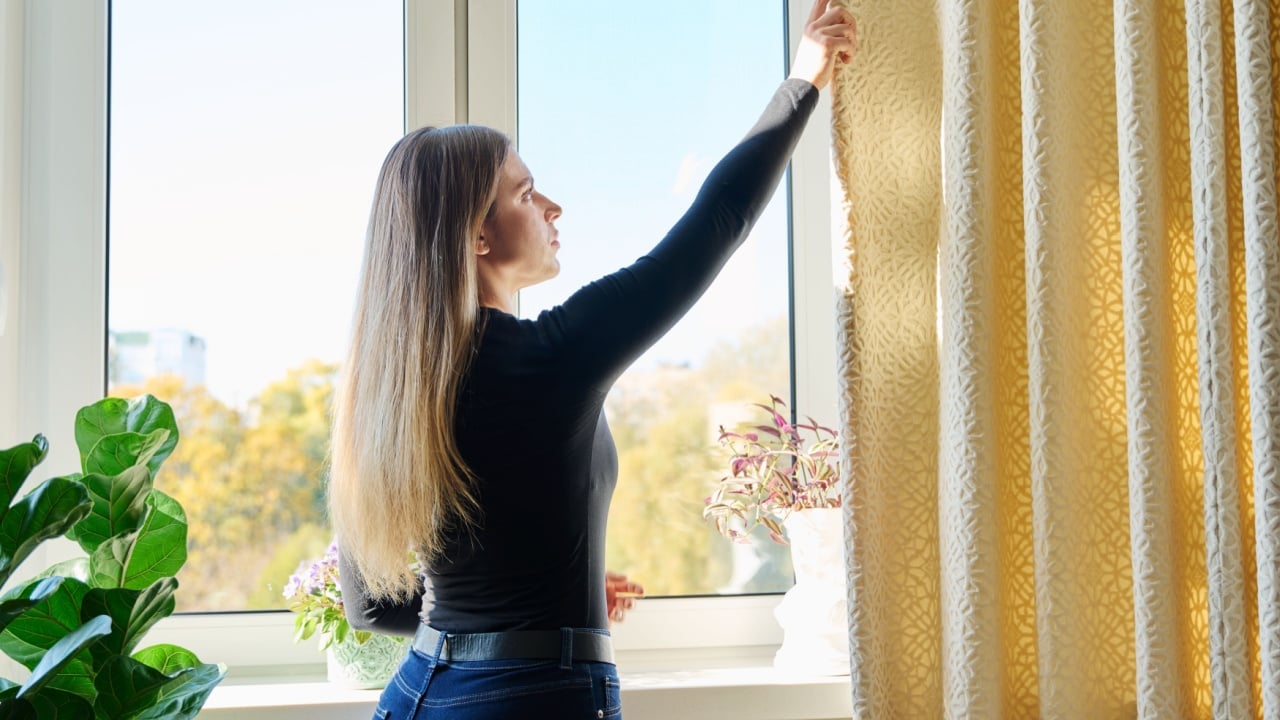
Window treatments do more than cover glass. The right choice can improve privacy, shape natural light, and give a room a more polished look without adding visual weight.
Roman shades and sheer shades bring softness. Plantation shutters and café shutters add structure, while roller shades, cellular shades, vertical blinds, and Venetian blinds each solve different needs in practical ways.
With so many stylish options available, curtains are no longer the only path to a finished window.