
7 Things That Make Professional Organizers Cringe
Clutter rarely starts with a major mess. It usually builds through small habits that seem harmless at first, then slowly turn drawers, closets, and counters into daily stress points.
Professional organizers notice patterns that many people miss. They see how a lack of planning, rushed storage fixes, and unfinished sorting sessions create recurring problems.
A tidy home is rarely the result of fancy bins or picture-perfect shelves alone. It comes from practical systems that fit real life, make items easy to find, and help every room stay useful.
Here are seven common habits that make professional organizers wince and what usually works better in their place.
1. Buying Storage Products Too Early
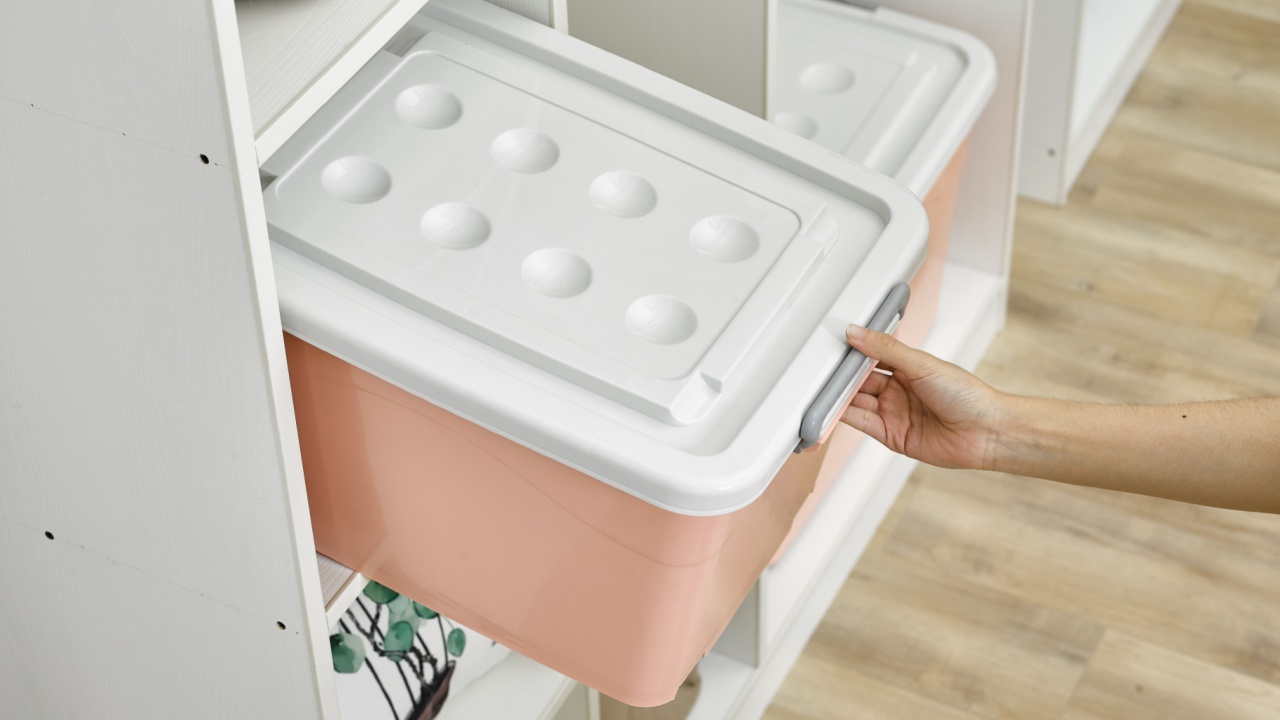
This is one of the most common mistakes that happens before any real sorting begins. People often buy baskets, bins, drawer dividers, and shelves before they know what actually needs to be stored.
That leads to containers that do not fit the space, hold the wrong items, or add another layer of clutter instead of fixing it.
Thebest practice is to sort and reduce first, then measure, then shop. That order saves money and leads to a better result because the storage matches the items instead of forcing items into random containers.
A clear count of what stays in the home also makes it easier to choose products that support daily use.
2. Skipping the Decluttering Stage

Trying to organize withoutdecluttering first is like trying to file papers that never should have been kept. Crowded kitchen drawers, packed bathroom cabinets, and stuffed linen closets often contain expired, broken, duplicate, or unused items.
If all of it stays, the final setup may look neat for a short time, but it rarely stays functional.
Begin by separating what stays from what goes. This step creates room, makes categories easier to see, and reveals how much storage is truly needed. It also helps households avoid building systems around items that no longer serve a purpose.
3. Using Vague or Missing Labels
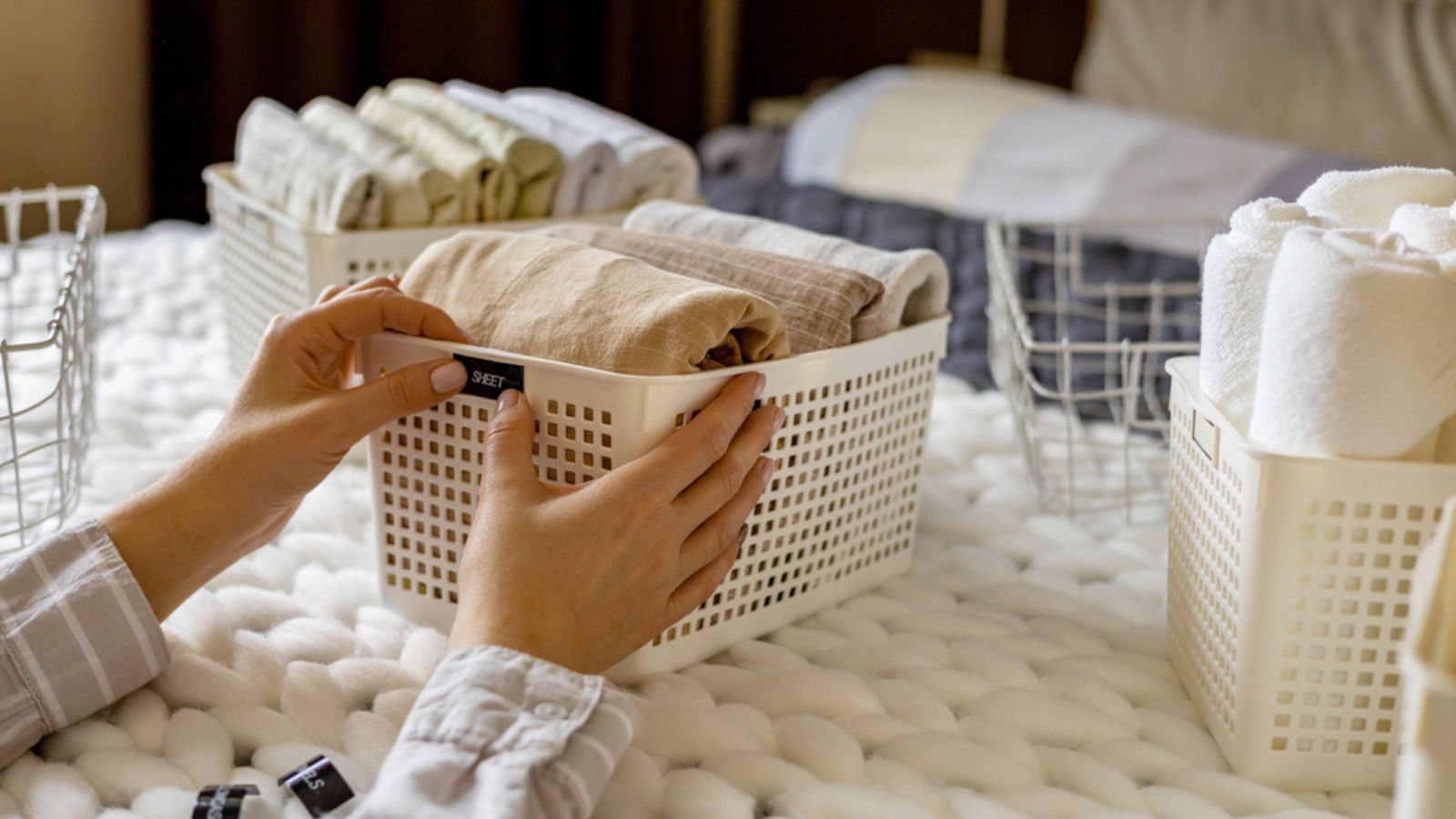
Labels do more than make shelves look polished. They help everyone in the home know where items belong and where to put them back.
Without labels, even a well-arranged pantry, playroom, or cleaning closet can slowly slide into confusion as similar items get mixed.
Good labels are specific, readable, and easy to follow. A bin marked snacks is less helpful than one marked granola bars, crackers, or lunchbox items.
Professional organizers favor labels that remove guesswork, since a clear system is much easier for a household to maintain.
4. Throwing Things Out Without Agreement
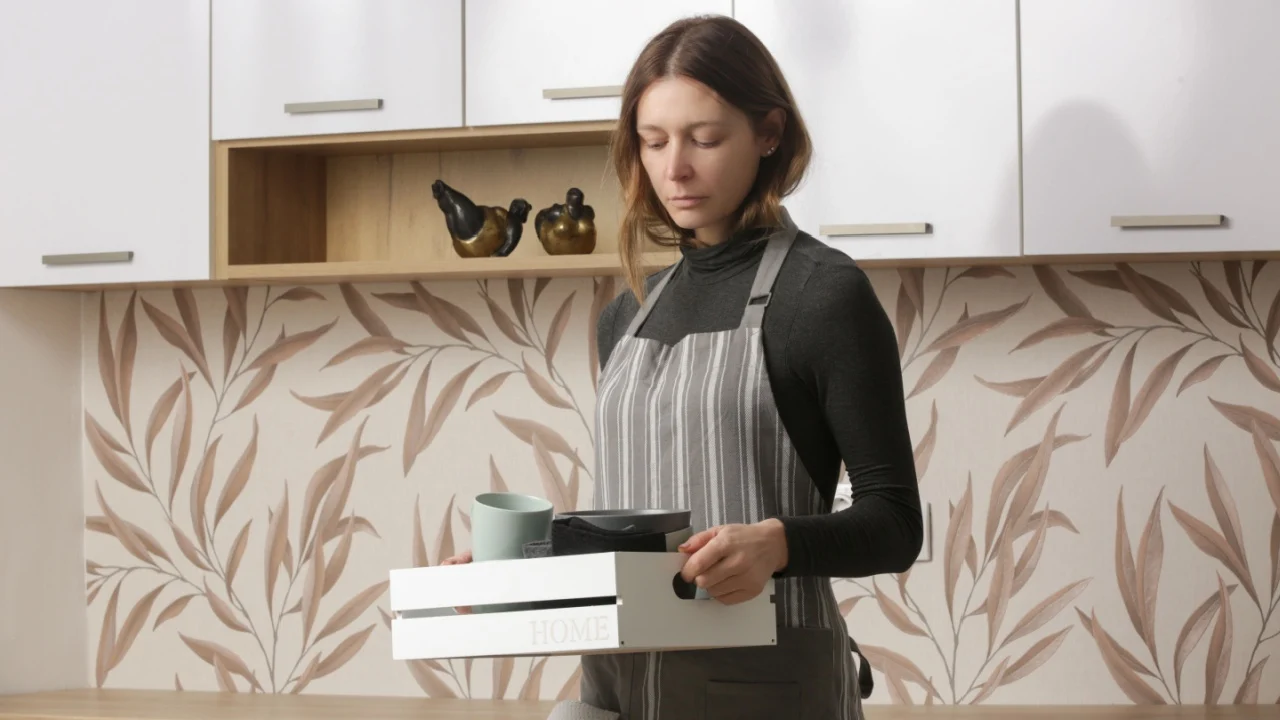
A professional organizer may spot obvious clutter, but that does not mean every item should leave the home without a discussion. Sentimental items, old paperwork, inherited pieces, and half-used supplies can carry meaning that is not visible at first glance.
Removing things without approval can damage trust in a household and create stress that lasts longer than the clutter itself.
That is why experienced organizers guide the process instead of making the final call for someone else. They ask questions, help sort items by value and use, and let the owner decide what stays or goes.
A home works better when the system respects the people living in it.
5. Discarding Items That Could Be Donated or Reused

Sometimes, usefulstuff that can be donated ends up in the trash. Clothing in good shape, duplicate kitchen tools, unopened toiletries, books, toys, and small furniture pieces may still have value.
Tossing everything into garbage bags may seem fast, yet it wastes usable items and misses better options.
A more thoughtful method is to sort items into clear groups, such as donate, recycle, relocate, and trash. That process reduces waste and helps households feel better during decluttering sessions, especially when good items are given a second life.
It also creates a more careful habit around what leaves the home.
6. Leaving a Project Half Finished
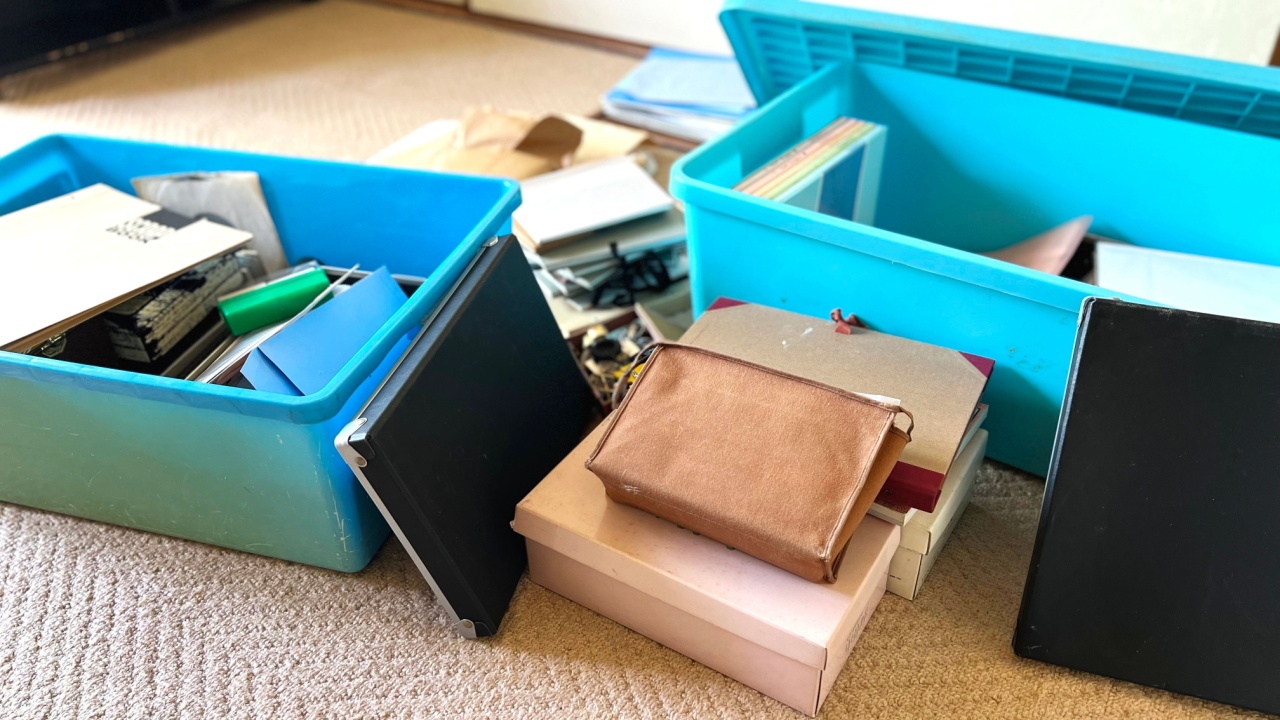
Anunfinished organizing project often creates more stress than the original mess. Half-sorted piles on a bed, open donation bags in a hallway, and items moved from one room to another without a final home can interrupt daily life fast.
A project that stalls midway often turns into a reminder of what still needs attention.
Professional organizers usually work to complete one defined area before moving on. Finishing a pantry, one closet, or a single bathroom creates a working result people can use right away.
That finished space also builds momentum and makes it easier to tackle the rest of the home with a clearer plan.
A Better Way Forward

The habits that make professional organizers cringe usually come from good intentions paired with poor order. Buying bins first, skipping decluttering, using weak labels, and leaving projects unfinished all make it harder for a home to stay functional.
A better system starts with sorting, honest decisions, and storage that fits the items and the household.
When each space is set up with purpose, it becomes easier to maintain and far less likely to slide back into clutter.