
15 Best States to Retire in America
Selecting a retirement destination involves balancing multiple personal and financial priorities. It is a major decision that shapes everything from your everyday budget and medical care to how comfortable you will be in your post-work life. While some people focus entirely on finding a warm climate, others prioritize low taxes, safe neighborhoods, or top-tier hospitals.
To help narrow down the choices, we looked at retiree feedback alongside several public and institutional datasets. The research evaluated states using seven core factors that matter most to seniors. These include quality of life, healthcare access, housing affordability, crime rates, weather, and local tax laws.
The resulting list combines those data-driven rankings with a few standout states that offer unique advantages, such as exceptional safety or a very low cost of living. Because every state offers a slightly different mix of pros and cons, the right choice ultimately depends on your personal health needs, budget, and lifestyle goals.
The following fifteen destinations represent the top spots for retirement across the country. Each section highlights the specific living costs, tax rules, and daily lifestyle factors you need to know before planning a move.
1. Florida

Florida remains a top pick for retirement because of its fantastic weather and high-quality-of-life metrics. The state has been a favorite destination for seniors for decades, which has resulted in plenty of established social groups, golf courses, and infrastructure built around older adults. Between the miles of beaches and the endless sunny days, it is incredibly easy for residents to maintain an active, outdoor lifestyle.
The financial perks are another massive draw for retirees looking to stretch their savings. Florida does not have a state income tax, which means Social Security checks, pensions, and retirement account withdrawals are completely untouched by the state. This makes it much easier for individuals to preserve their investment portfolios and budget with confidence.
However, prospective residents must weigh these tax savings against some rapidly rising local expenses. While income is safe from state taxes, property insurance premiums and housing prices in coastal areas have escalated recently due to high demand. It is essential to research local insurance rates and hurricane risks before committing to a move.
2. California

California ranks highly because it offers an amazing quality of life and some of the best healthcare facilities in the country. The state boasts beautiful, diverse landscapes that stretch from peaceful beaches to stunning mountain ranges, alongside endless cultural entertainment. The weather is also famous for being mild and comfortable year-round across most of the region.
If health is a top priority, this state gives retirees peace of mind with its world-class medical system. Residents have access to specialized care centers and advanced treatments that are tough to find anywhere else. The high density of medical professionals makes staying on top of preventative care and managing chronic conditions very straightforward.
The obvious catch to living in the Golden State is the incredibly high price tag. California has some of the highest housing costs and daily living expenses in the nation, paired with a steep, progressive state income tax. Looking into more affordable inland areas like Bakersfield can provide a reasonable entry point into the California lifestyle.
3. Texas

Texas stands out because it offers a great mix of warm weather and a generally affordable lifestyle. It is a massive state with highly diverse settings, allowing retirees to easily choose between a bustling city, a quiet hill country town, or a relaxed coastal community. Plus, for those who prefer to avoid shoveling snow, severe winters are practically nonexistent here.
From a tax perspective, Texas is highly protective of a retirement nest egg. The state constitution completely bans a personal income tax, meaning Social Security and retirement account distributions go right into the recipient’s pocket. Everyday items like groceries and utilities also tend to cost less than the national average, giving retirees more purchasing power.
The hidden financial trap in the Lone Star State comes in the form of local property taxes. Because the state does not collect income tax, local governments rely heavily on real estate taxes to fund schools and public services, resulting in very high annual bills. It is important to calculate these ongoing property taxes when mapping out a monthly housing budget.
4. Michigan
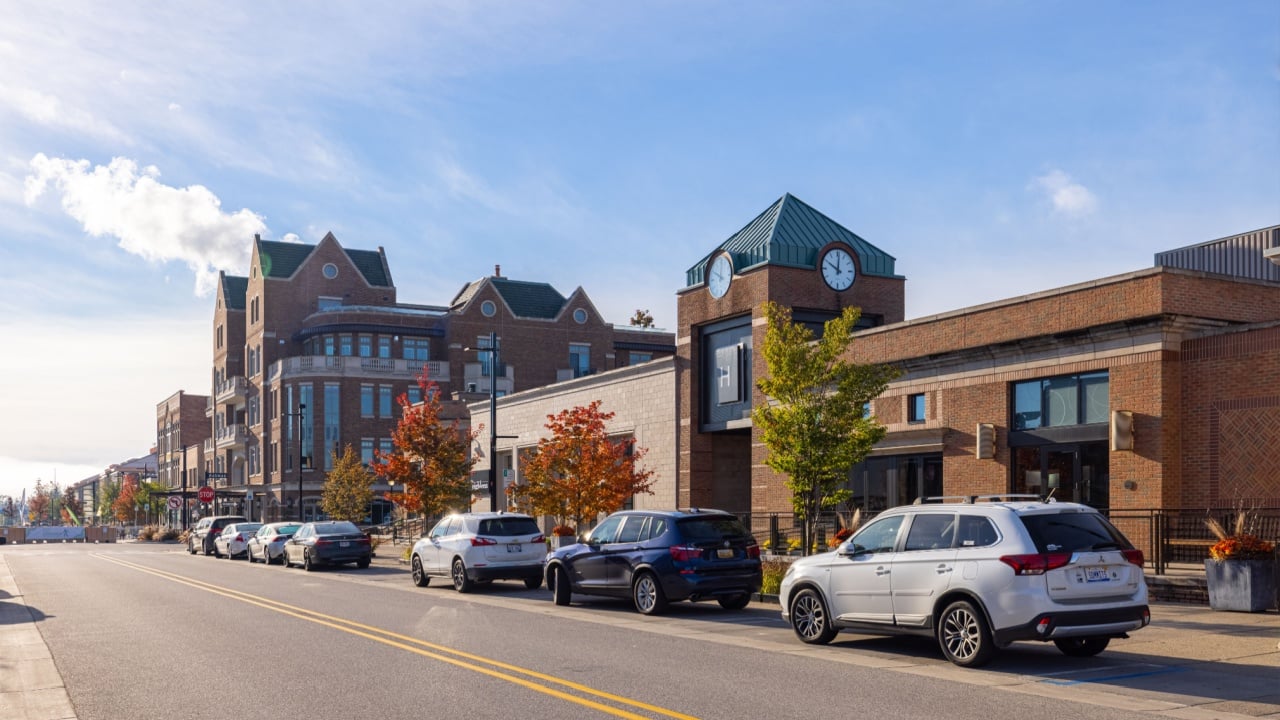
Michigan stands out as a highly affordable destination with strong healthcare networks and scenic lakefront communities. The state provides low housing costs, making it easy for retirees to find comfortable homes on a budget. Medical centers like the University of Michigan Health offer specialized treatments and routine care.
The landscape features charming college towns and beautiful natural areas that encourage outdoor recreation during the warmer months. Areas like Lapeer and Oakland County provide safe, quiet suburbs with friendly atmospheres. The overall cost of living allows retirees to enjoy local dining and entertainment without financial strain.
Individuals preparing for a move to Michigan must factor in the cold, snowy winters. Investing in a property with a reliable heating system and arranging for snow removal services will make the winter months much more manageable.
5. Wisconsin

Wisconsin delivers a strong Midwestern appeal with friendly communities and accessible lakefront recreation. The housing market remains affordable, and statewide healthcare outcomes are highly rated. Seniors find comfortable living arrangements in areas like Milwaukee and Door County.
The state offers a blend of natural beauty and robust local culture, with frequent community events and outdoor activities. Retirees enjoy lower overall living expenses, which frees up funds for travel and leisure. Safe neighborhoods contribute to a relaxed and secure retirement experience.
Because Wisconsin taxes some retirement income, residents should consult a tax professional to understand the financial implications. Preparing for long winters by engaging in indoor community activities helps maintain social connections year-round.
6. Ohio

Ohio attracts value-conscious retirees with modestly priced homes and a super low overall cost of living. The state features world-famous cultural institutions, including the Cleveland Museum of Art, alongside expansive park systems. Hospitals like the Cleveland Clinic provide exceptional medical services to residents.
Retirees can choose between walkable urban districts like Cincinnati or quieter suburban settings. The state offers easy access to outdoor recreation, including Cuyahoga Valley National Park. Daily expenses remain low, allowing for a comfortable lifestyle on a fixed income.
Prospective buyers should explore neighborhoods with good public transportation, as many rural areas heavily rely on cars. Scheduling a visit during the winter helps determine if the cold and snowy conditions suit personal preferences.
7. Pennsylvania

Pennsylvania combines deep historical roots with extremely affordable housing and favorable tax conditions. The state does not tax Social Security benefits, providing significant financial relief. Top-tier healthcare systems like UPMC serve the medical needs of the aging population.
Residents enjoy four-season recreation in areas like the Poconos and rich cultural experiences in cities like Philadelphia. Former industrial towns have undergone revitalization, creating attractive and affordable living spaces. The state features numerous historic districts that appeal to history enthusiasts.
Retirees should carefully inspect older homes for necessary cosmetic or structural updates before buying. Comparing property tax rates across different counties will help identify the most budget-friendly locations.
8. Minnesota

Minnesota ranks highly due to its outstanding healthcare options, most notably the Mayo Clinic. The state offers safe suburbs and numerous senior-friendly programs that enhance daily living. Housing and everyday expenses remain consistently affordable.
The cultural landscape thrives with institutions like the Guthrie Theater and Minnesota Orchestra providing regular entertainment. Many metro areas feature reliable public transportation and walkable neighborhoods. The state fosters strong community bonds and active social networks.
Moving to Minnesota requires a high tolerance for harsh winter weather and a readiness for state taxes on some retirement accounts. Selecting a residence near public transit or community centers helps maintain mobility and social engagement during the colder months.
9. Washington

Washington attracts retirees with zero state income tax and breathtaking natural scenery. The state features top-tier medical facilities like UW Medicine. The environment encourages an active lifestyle surrounded by mountains, forests, and coastal waters.
Cities like Seattle offer walkable neighborhoods and moderate temperatures without extreme swings. The presence of major tech companies has cultivated thriving urban centers with diverse dining and cultural options. The state provides a unique blend of urban convenience and outdoor adventure.
Since housing and rent prices run high, retirees should carefully evaluate their long-term housing budget. Looking into smaller communities outside the main metropolitan zones offers a more affordable way to enjoy the regional benefits.
10. Georgia

Georgia appeals to retirees with its mild winters and an affordable cost of living. The state offers tax exclusions for retirement income, making it a financially sound choice. Healthcare systems like Emory Health provide necessary medical services.
The housing market features moderate costs across much of the state, from the Atlanta suburbs to historic Savannah. Residents enjoy a relaxed lifestyle with access to beautiful coastal areas and rich local traditions. The pleasant weather allows for year-round outdoor activities.
Those relocating to Georgia should prepare for hot and humid summers. Choosing a community with a neighborhood pool or a reliable air conditioning system ensures comfort during the warmest months.
11. Arizona

Arizona features a desert climate that many retirees find comfortable and easy on the joints. The state does not tax Social Security and maintains low tax rates for other retirement income. Major facilities like Mayo Clinic Phoenix provide excellent healthcare services.
The region hosts numerous dedicated retirement developments like Sun City, offering built-in social networks and amenities. Residents experience hundreds of sunny days each year, perfect for golf and outdoor leisure. Housing outside the main cities remains highly affordable.
Seniors must consider the extreme summer heat when planning a move to Arizona. Scheduling outdoor activities for the early morning helps avoid the highest temperatures of the day.
12. New Jersey

New Jersey offers a unique retirement experience with beautiful beaches and proximity to major metropolitan hubs. The state features low crime rates and excellent healthcare outcomes for seniors. Walkable towns like Princeton provide charming local shops and dining.
Retirees benefit from no tax on Social Security and various tax exclusions for other retirement income. The coastal areas offer relaxed living with easy access to cultural events in New York City or Philadelphia. The state maintains a high standard of living with robust public services.
Because property taxes are quite high, individuals should factor these recurring costs into their financial plans. Exploring different municipalities helps identify areas with slightly lower tax burdens.
13. Indiana
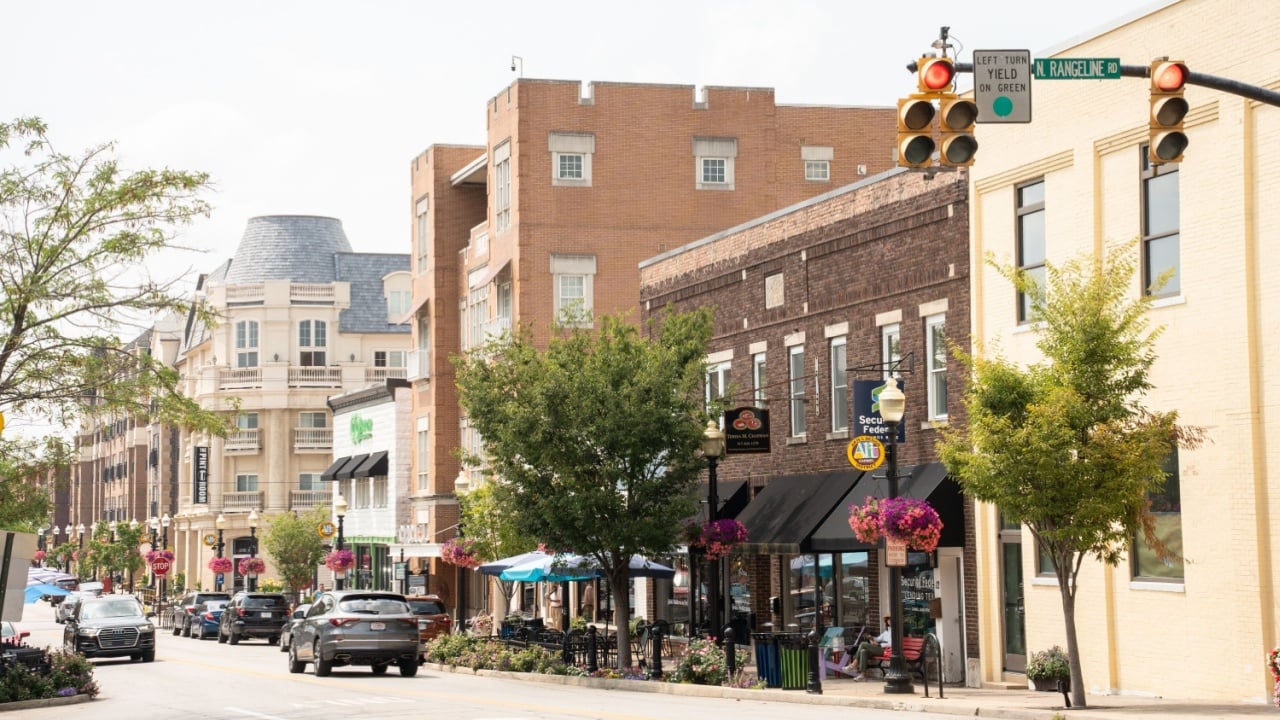
Indiana stands out for having some of the lowest housing and living costs in the nation. The state offers property tax relief to retirees and does not tax Social Security benefits. Quiet rural areas and mid-size cities provide peaceful living environments.
Residents enjoy access to cultural venues like the Indianapolis Museum of Art and various local festivals. The state cultivates a classic Midwestern friendliness with strong community ties. Fort Wayne and similar cities offer a balanced lifestyle with essential amenities.
Retirees should note that income from traditional retirement accounts may be taxed. Consulting a financial planner helps clarify how Indiana’s specific tax laws will impact a fixed monthly income.
14. Illinois

Illinois provides a rich cultural experience centered around major hubs like Chicago and affordable smaller cities like Peoria. The state does not tax retirement income, including pensions and withdrawals from traditional accounts. Healthcare outcomes remain positive across the region.
Residents enjoy lakefront recreation along Lake Michigan and numerous walkable neighborhoods. The state features world-class institutions like the Chicago Symphony Orchestra. Smaller towns offer a lower cost of living while maintaining access to solid amenities.
High property taxes require careful budget management for homeowners. Renting an apartment in a walkable district can provide an enjoyable urban lifestyle while avoiding property tax burdens.
15. Maryland

Maryland places retirees close to the nation’s capital, offering rich historical sites and waterfront living. The state provides top-notch healthcare through institutions like Johns Hopkins Hospital. Public transportation networks make navigating the region highly convenient.
Towns like Annapolis feature charming streets, excellent seafood, and scenic views of the Chesapeake Bay. The state experiences four distinct seasons with generally moderate winters. Residents enjoy a high quality of life with abundant educational and cultural activities.
Retirees should prepare for state income taxes on most retirement accounts and higher housing costs. Exploring suburbs slightly further from the capital can yield more affordable housing options.
Finding Your Perfect Retirement Landing Pad

Choosing where to spend retirement requires a structured approach to assessing personal needs against geographic data. List non-negotiable priorities, whether that is zero income tax, proximity to specialized medical care, low local crime rates, or a specific climate profile.
Comparing projected retirement income against the real estate and tax landscapes of these fourteen states will narrow down the list to the top two or three contenders. From there, planning extended visits during different seasons can provide a firsthand look at daily life before making a final moving decision.