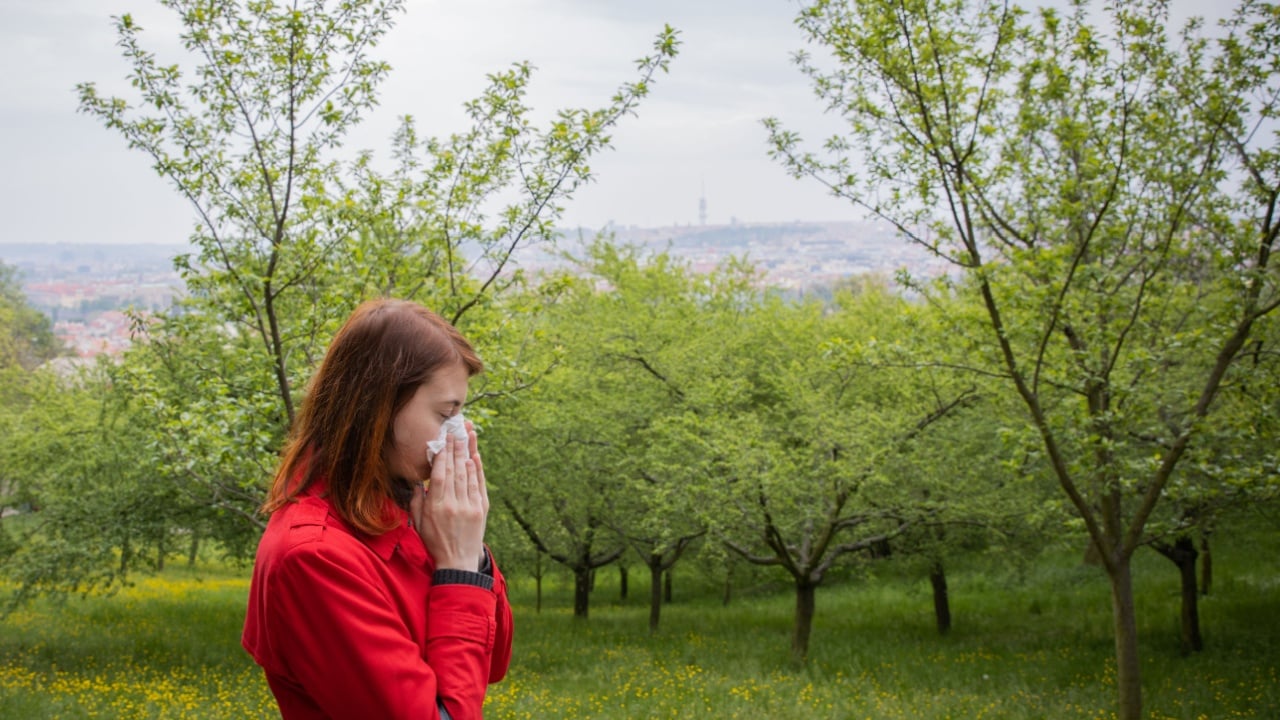
6 Toxic Trees That Aren’t Worth Planting in the Yard
Having a tree in the yard is a fantastic way to add shade, color, and privacy. However, trees can also bring a serious safety risk if you plant the wrong one.
Some trees look harmless at first glance. Bright berries, soft leaves, and showy flowers can hide toxins that put kids, pets, and even adults in danger.
In some cases, the risk comes from eating seeds, leaves, or fruit. In others, simple skin contact can cause painful rashes, blisters, or worse.
If you want a safer yard, it helps to know which trees are best left out of the plan. Here are six toxic trees that are not worth planting in the yard.
1. Cherry Laurel
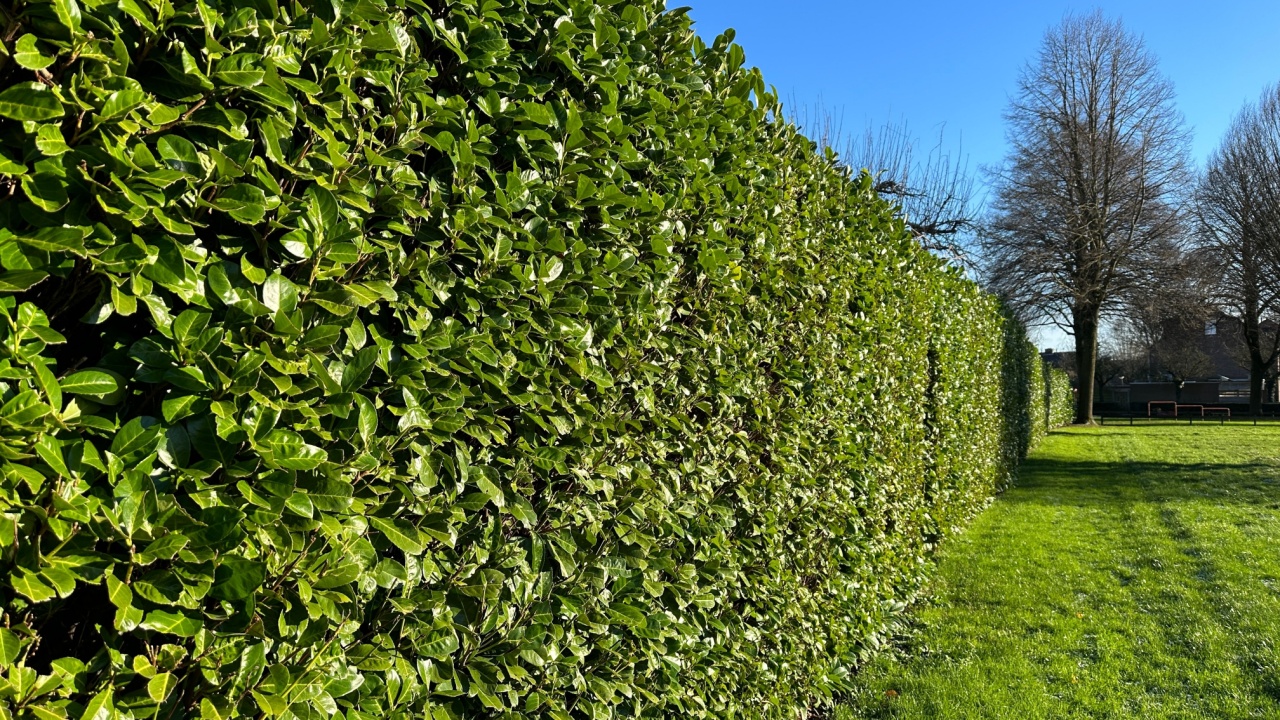
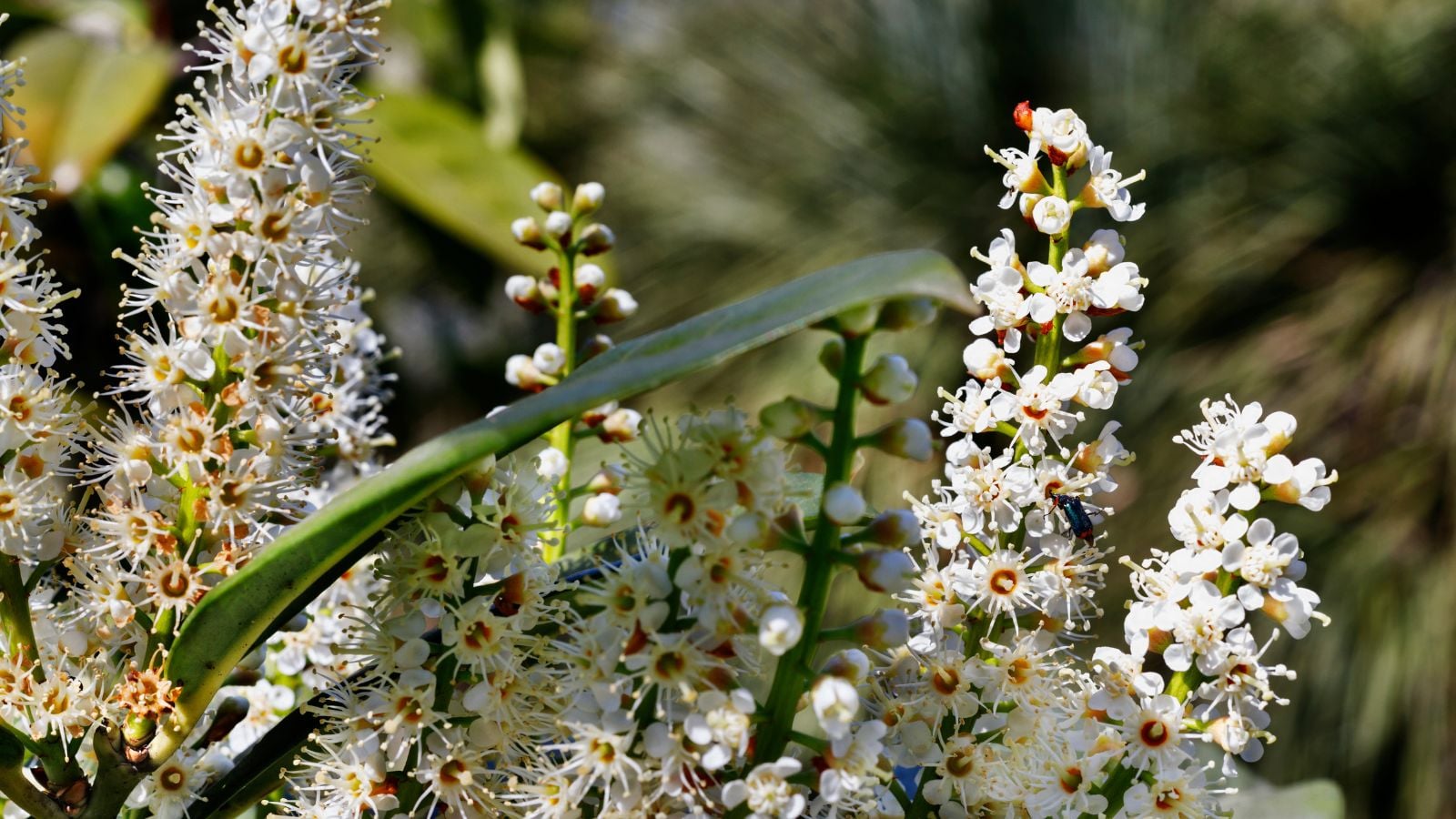
Cherry laurel is often planted for privacy because it grows thick, stays green, and looks tidy through much of the year. The problem is that its leaves and seeds contain cyanogenic glycosides, which can release cyanide when chewed or crushed.
That makes it a real hazard for pets, livestock, and children who may sample berries or fallen plant parts. Signs of poisoning can include trouble breathing, weakness, convulsions, and, in severe cases, can turn deadly fast.
This tree can be extra risky in family yards because the berries can catch a child’s eye, and the leaves stay within easy reach.
Even yard waste from pruning can pose a problem if animals chew on fresh clippings.
2. Black Locust
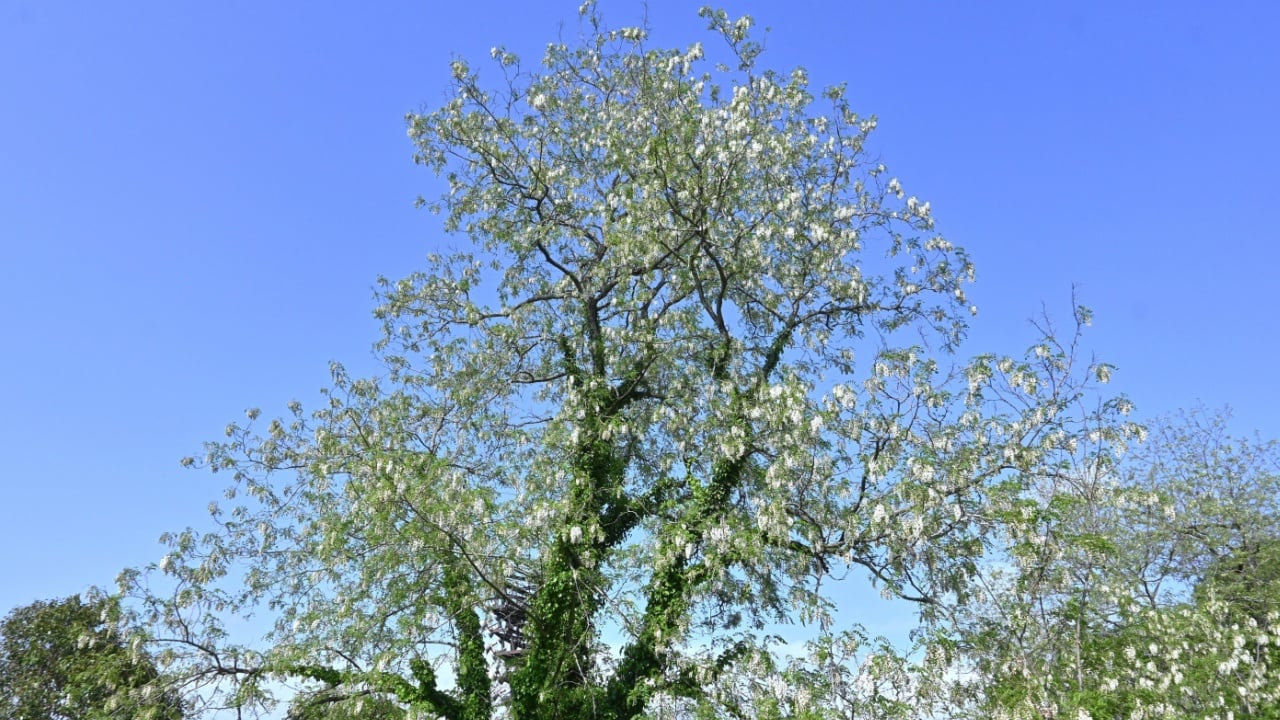
Black locust has fragrant white flowers and is sometimes praised for its hard wood and fast growth. Even so, its bark, seeds, and leaves contain toxic compounds that can cause nausea, weakness, depression, and stomach pain if eaten.
Livestock poisoning has been well documented, and people can get sick as well. The highest toxin levels are often found in the bark and seeds, which makes fallen debris a real concern.
This tree can be hard to manage in a home landscape for more than one reason. It tends to spread by suckers, and wide varieties have sharp thorns that make yard work less pleasant.
3. Poisonwood
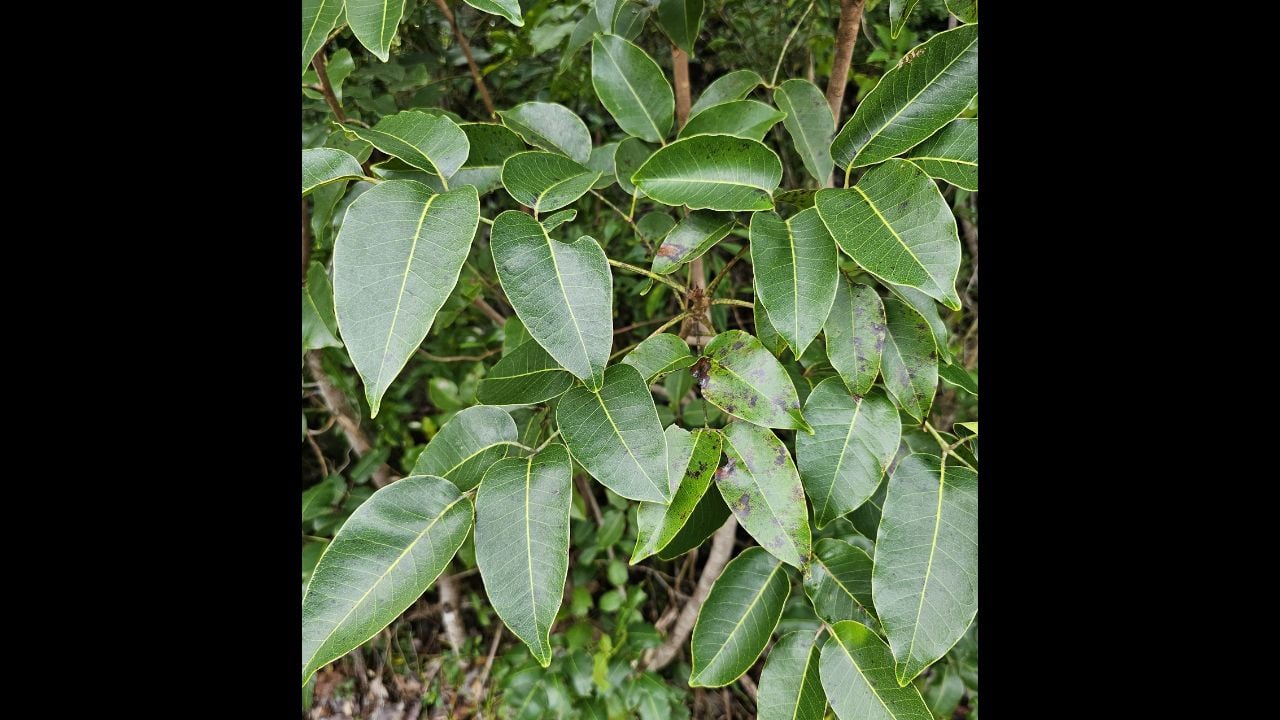
Poisonwood is native to parts of Florida and the Caribbean, and it is one of the most irritating trees you can come across. It contains urushiol, the same oily compound found in poison ivy, though many people react even more strongly to poisonwood.
Touching the leaves, bark, or sap can lead to severe rashes, swelling, and blistering that may last for weeks. Smoke from burning the wood can irritate the eyes and lungs, which makes cleanup dangerous, too.
This is a tree that causes trouble even if nobody eats it. A casual brush against a branch during pruning or weeding can leave someone miserable for days.
It is especially risky in warm climates where outdoor living is part of daily life and skin exposure is common.
4. Golden Chain Tree

The golden chain tree is loved for its long hanging clusters of yellow flowers, which can make it look like a showpiece in spring. Sadly, all parts of the tree are poisonous, especially the seeds, which contain cytisine.
Eating them can cause vomiting, drowsiness, convulsions, coma, and in severe cases, death. Children are at greater risk because the seed pods may look tempting to touch or open.
A tree with such toxic seeds is a poor match for a home yard where seed pods may fall into grass, mulch, or play areas. If you want bright spring color, there are safer flowering trees that do not carry the same level of risk.
5. Common Yew
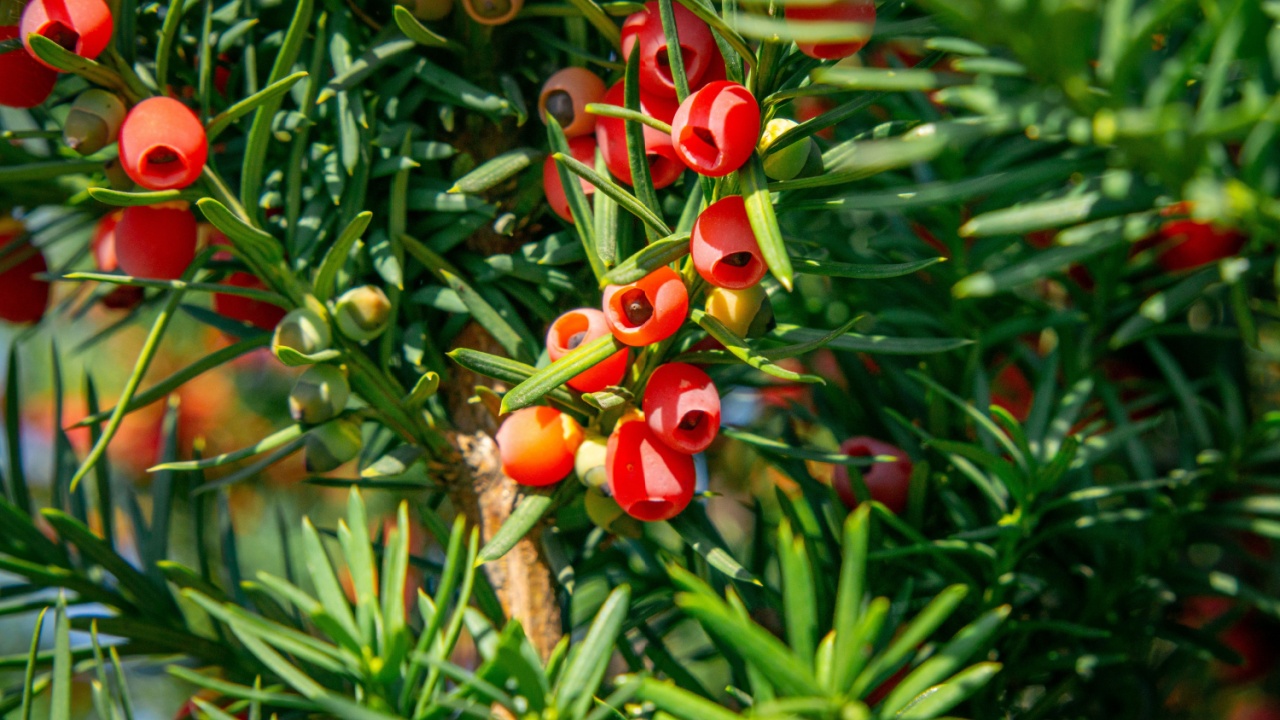
Common yew is often used in formal landscapes because it is dense, dark green, and easy to shape. Its red berry-like arils may look festive, yet the seeds inside contain highly toxic taxine alkaloids.
Most parts of the plant, aside from the fleshy red outer coating, can cause sudden poisoning in people and animals. Symptoms may include trembling, trouble breathing, collapse, and heart failure.
Birds may eat the red arils and spread seeds, while pets or children can come into contact with fallen pieces near the base. Even livestock deaths have been linked to yew clippings tossed into fields.
6. Chinaberry
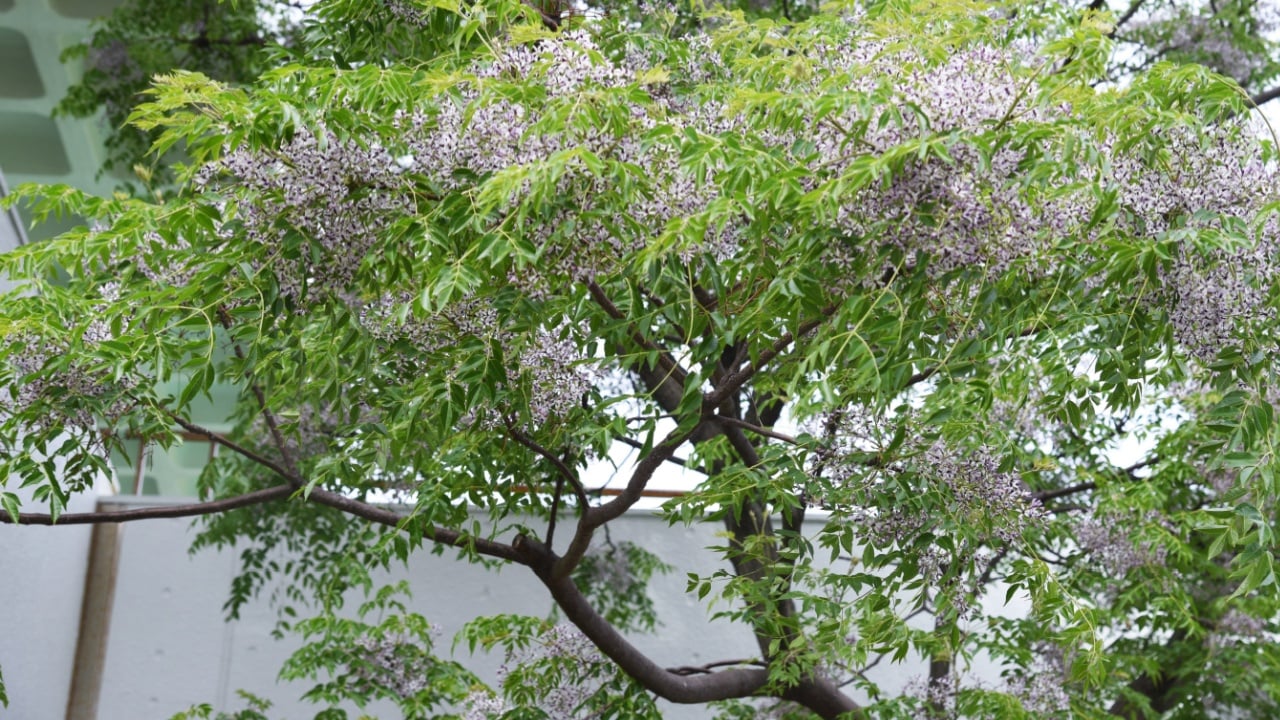
Chinaberry grows quickly and produces clusters of pale berries that often hang on after the leaves drop. The fruit and leaves contain toxins that can cause vomiting, diarrhea, seizures, and irregular breathing if eaten.
Children and pets may be drawn to the berries, especially when they fall and collect on the ground. The tree also spreads easily in some areas, which adds an invasive side to the problem.
Cleanup can be messy, the berries increase the risk of accidental poisoning, and volunteer seedlings can pop up where you do not want them.
Creating a Safer Yard
The wrong tree can do more than create extra yard work. It can put children, pets, and visitors at risk from toxic leaves, bark, berries, seeds, or sap.
Some trees come with risks that outweigh their beauty. If you are planning new plantings, a little research now can help you avoid years of worry later.
A safer yard is built with plants that look good and let everyone enjoy the space with less risk.
Read More:
10 Pretty Pink Perennials to Add a Pop of Color
7 Easy Fruit Trees for Beginners that Practically Grow Themselves