14 Uncommon and Random Uses for Everyday Household Items
Don’t throw away that old junk just yet! Before you toss something in the bin, consider its potential for a second life. With a little creativity, you can transform everyday clutter into surprisingly handy household tools.
Every year, Americans generate millions of tons of household waste. By giving items like office supplies and kitchen tools a new purpose, you can help reduce the amount of waste sent to landfills.
Plus, you’ll get more value out of every purchase and find clever solutions to common problems without spending an extra dime. It’s a true win-win for both your wallet and the environment.
Here are some creative ways to reuse common items for organizing, cleaning, and quick fixes.
1. Wine Boxes for Shoe Organization
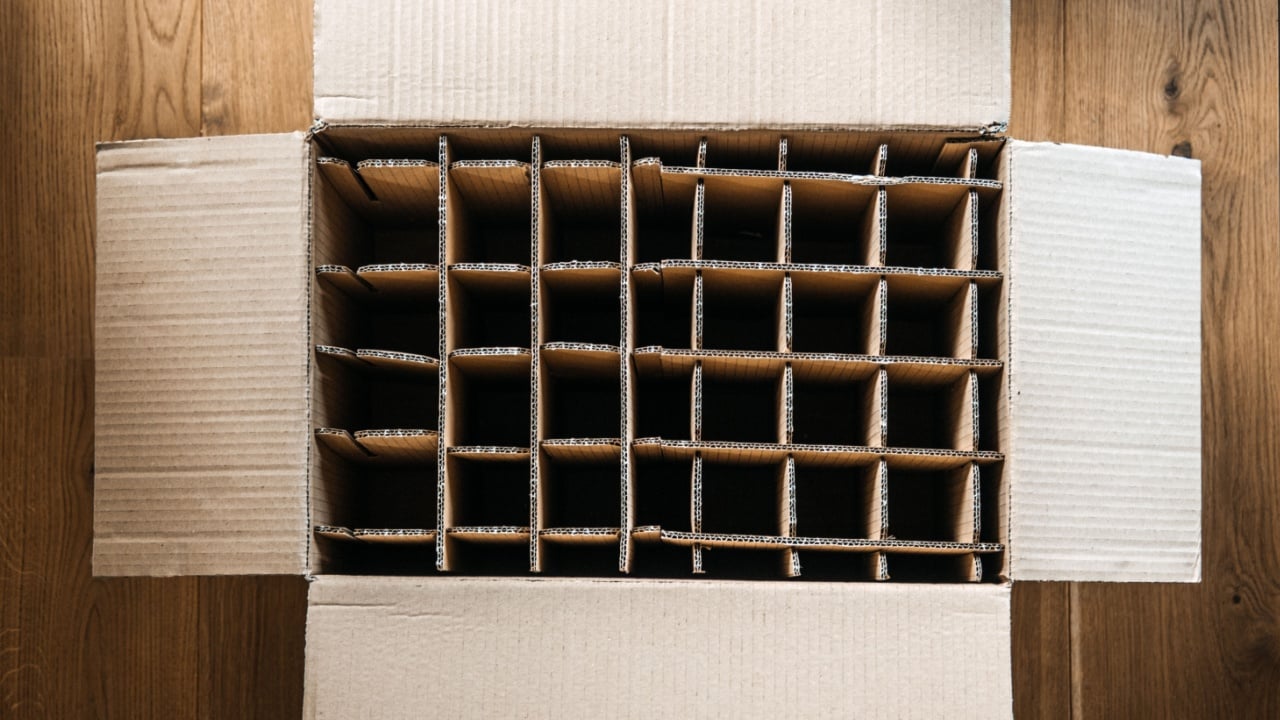
Empty wine boxes have sturdy cardboard dividers that are perfect for protecting fragile glass bottles. These dividers are also the perfect size for storing shoes, making them a great organization tool for your closet or mudroom.
Simply ask for a discarded box at your local liquor store for an instant, free storage solution. You can then slide your sandals and sneakers into the individual slots to keep them paired up and off the floor.
To upgrade the look, try wrapping the outside of the box in decorative contact paper. This will hide the original branding and give it a more polished appearance.
2. Carabiners as Tool Caddies
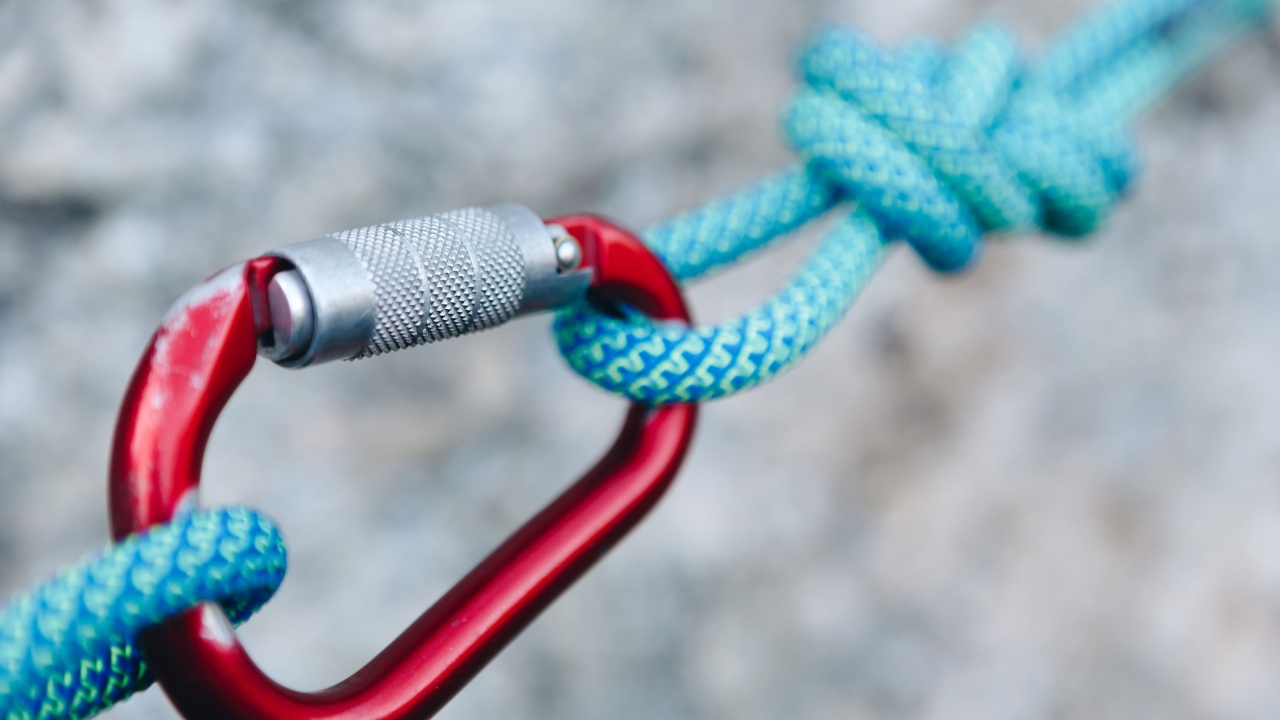
A large aluminum carabiner intended for hiking serves as a highly effective organizer for open-ended wrenches.
Stringing the closed ends of the tools onto the metal loop keeps an entire set grouped by size. This method prevents smaller pieces from getting lost at the bottom of a busy toolbox.
Hang the loaded carabiner on a pegboard nail for easy visual access above a workbench. Keeping tools bundled this way makes grabbing a complete set for a remote repair job incredibly efficient.
3. Foam Pipe Insulation for Cord Management
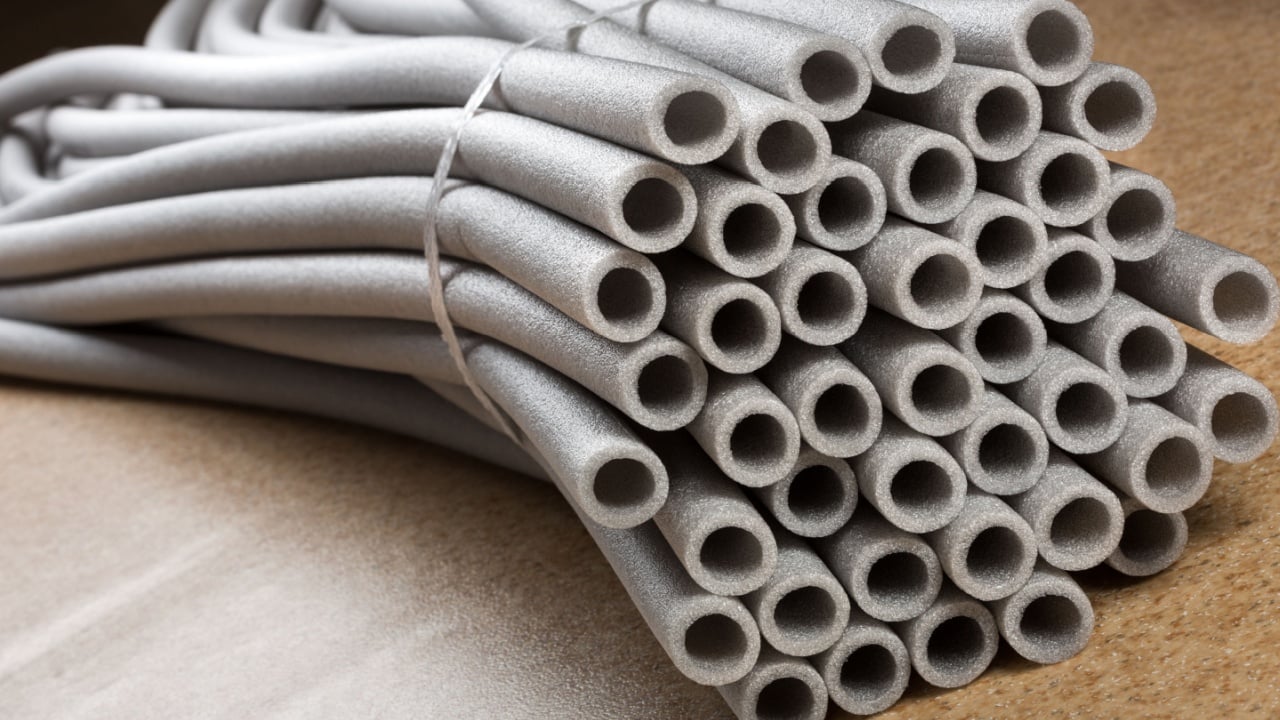
Tangled computer and television wires create an unsightly mess under desks and behind entertainment centers. A single length of foam pipe insulation easily wraps around thick bundles of cables to keep them neat and hidden.
The slit down the middle of the foam allows cords to enter and exit at any required point along the run.
Paint the foam tube the exact color of the surrounding wall to help the entire bundle blend into the background. Securing the ends with small zip ties keeps the foam tightly closed around especially thick wire groups.
4. Kitchen Tongs for Blind Cleaning
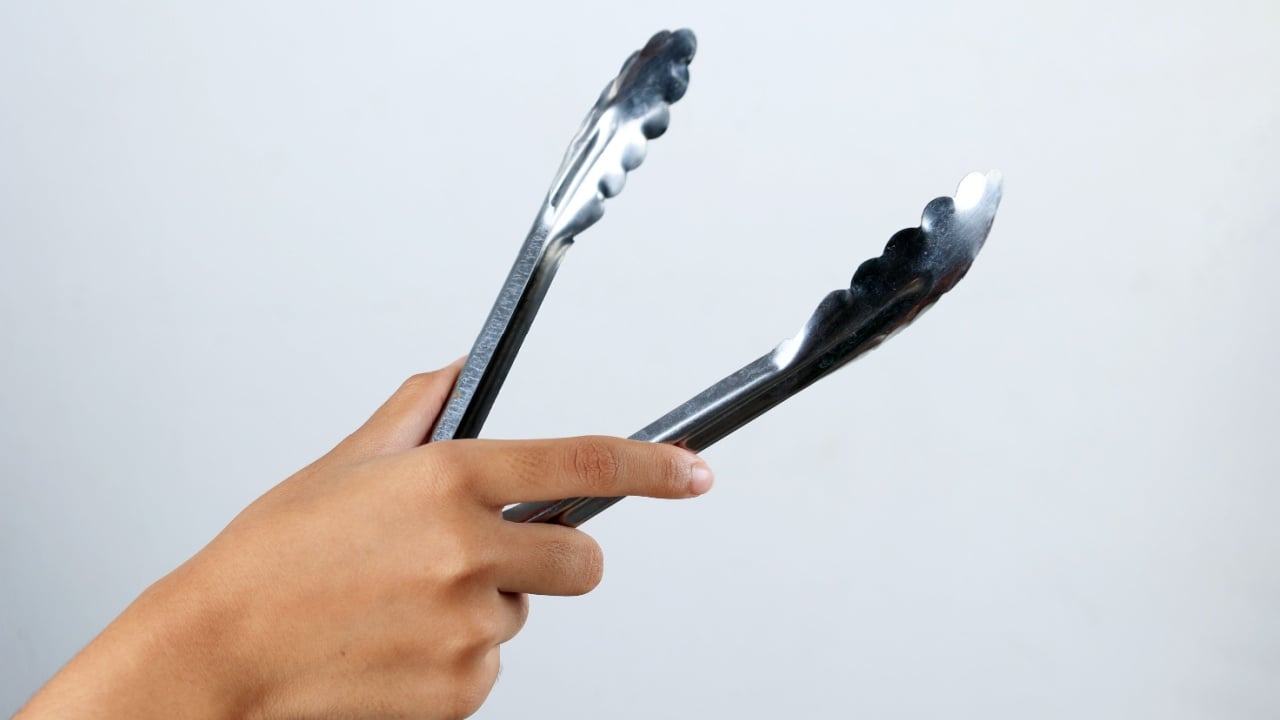
Dusting slatted window coverings often requires wiping each piece by hand, taking up hours of valuable time. Wrapping microfiber cloths around the ends of kitchen tongs creates a custom tool that grips both sides of a slat simultaneously.
This mechanism cuts cleaning time in half and grabs dust that traditional dusters push around.
Secure the cloths tightly to the metal arms using rubber bands to prevent slipping during rigorous cleaning sessions. Spraying a mild surface cleaner directly onto the microfiber material grabs stubborn grime and leaves the surfaces spotless.
5. Bobby Pins as Nail Holders
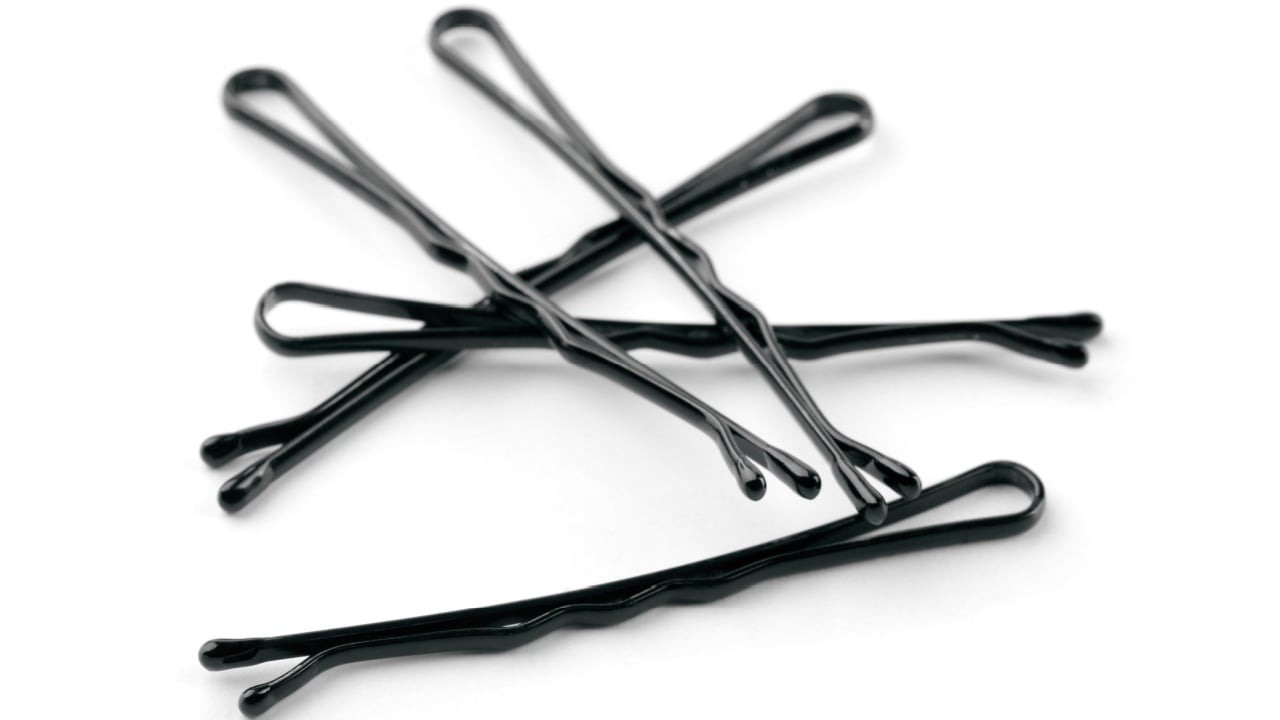
It’s no fun trying to hammer a tiny nail into a tight corner. More often than not, you end up with bruised fingers and damaged wood. A simple bobby pin can solve this problem. Just slip the nail into the bent end of the pin.
The bobby pin will hold the nail perfectly straight, keeping your hands safely away from the hammer. This trick gives you much better control, which is especially helpful when you’re working on delicate projects like trim or picture frames.
Once the nail is securely in the wood, just slide the bobby pin away. It’s a good idea to keep a few bobby pins in a magnetic dish on your workbench so they’re always there when you need them for tricky carpentry tasks.
6. Use an Egg Carton Stand for Painting Small Projects
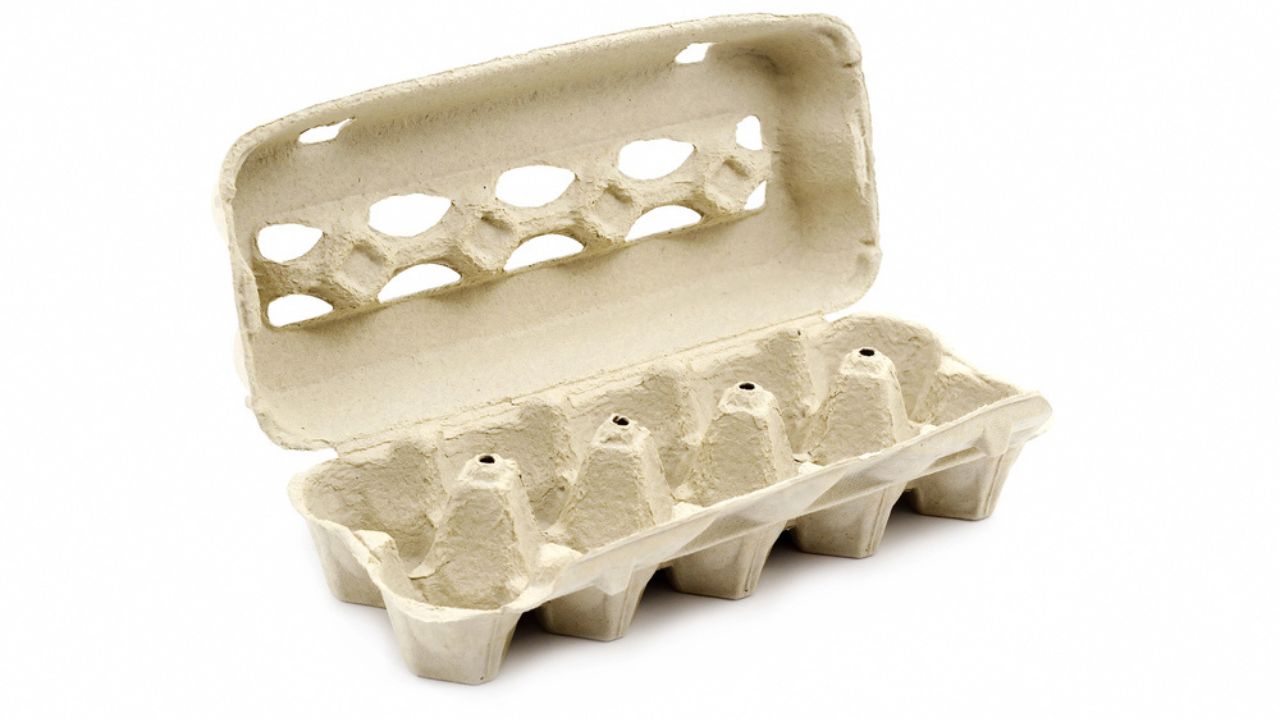
Achieving a smooth coat of paint on small craft items proves difficult when the object rests flat on a table. Flipping an empty cardboard egg carton upside down creates a disposable stand that lifts items perfectly above the work surface.
The raised bumps hold objects securely while allowing a brush to reach all the way down to the bottom edges.
Set up multiple cartons side by side to manage batches of cabinet knobs or wooden blocks simultaneously. The absorbent cardboard catches wet drips before they can run onto the floor or ruin a nearby surface.
7. Plastic Clamshells as Mini Greenhouses
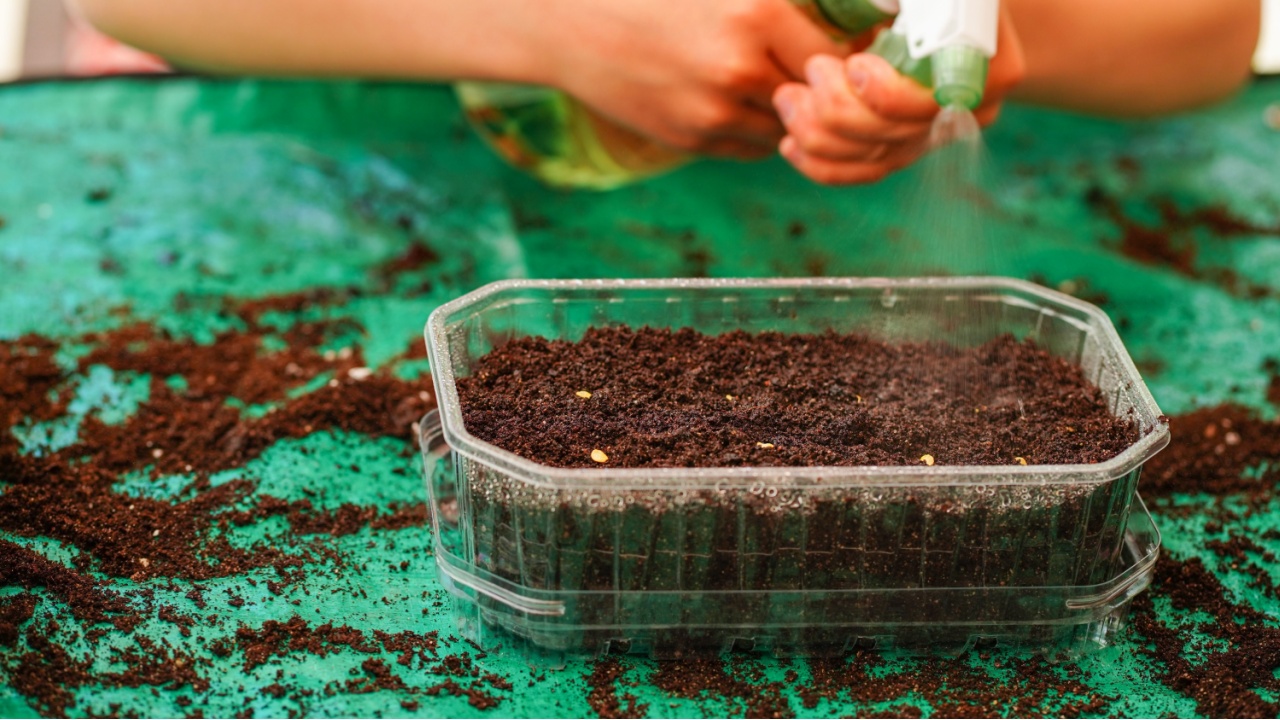
Clear plastic salad containers provide the ideal environment for sprouting seeds indoors before the spring planting season arrives. The transparent lid allows sunlight to flood the interior while trapping heat and moisture exactly like a professional greenhouse.
This controlled climate accelerates germination rates for tomatoes, peppers, and delicate herbs.
Poke a few small holes in the top lid to allow for proper airflow and prevent mold growth on the soil surface. Fill the bottom half with a high-quality seed starting mix and place the sealed container on a warm, sunny windowsill.
8. Rubber Bands as Paint Drip Stoppers
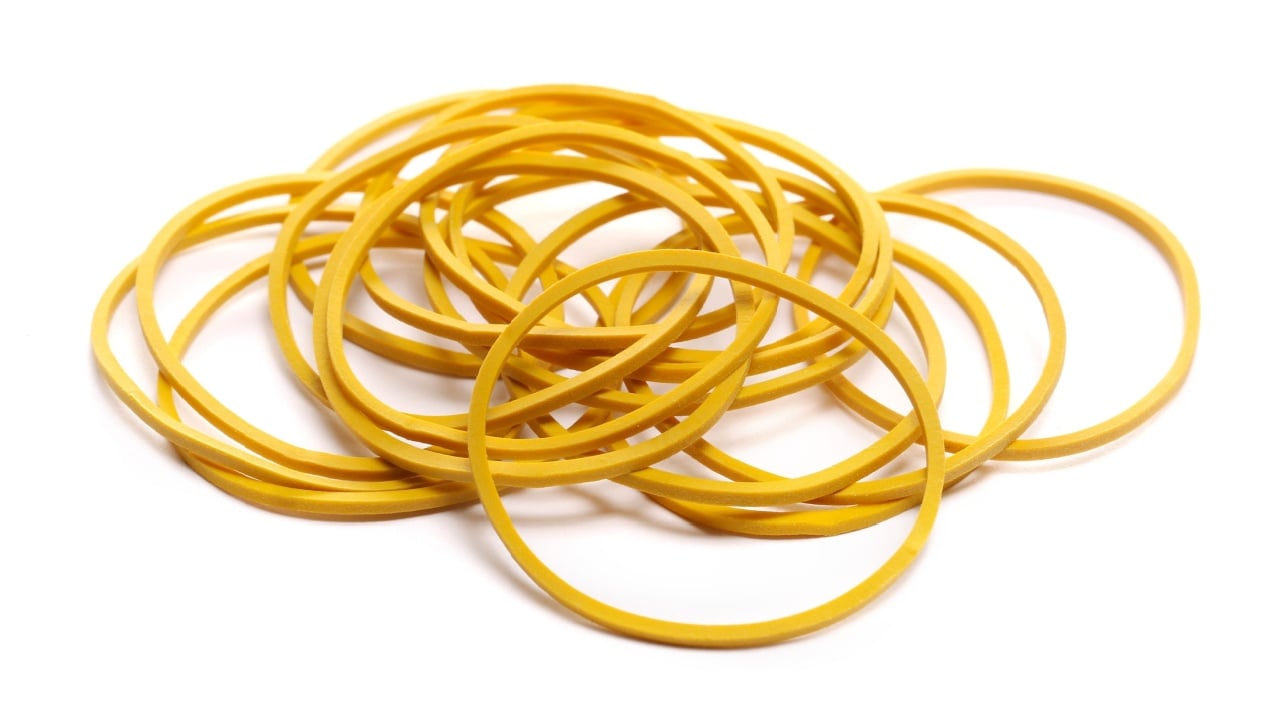
Wiping your brush on the rim of a paint can always ends up messy. Paint fills the groove, making it hard to seal and causing drips down the side. To avoid this, stretch a thick rubber band vertically around the open paint can. This creates a tight band across the opening that you can use to wipe your brush.
Instead of using the can’s rim, drag your brush’s bristles against the rubber band. This will knock off any excess paint, which will drop straight back into the can, not onto the rim or down the sides. It keeps your workspace and the paint can much cleaner.
When you’re finished painting, carefully remove the rubber band. The rim will be completely clean, allowing you to seal the lid tightly. This airtight seal prevents the paint from drying out and extends its shelf life.
9. Needle-Nose Pliers as Small-Parts Clamps
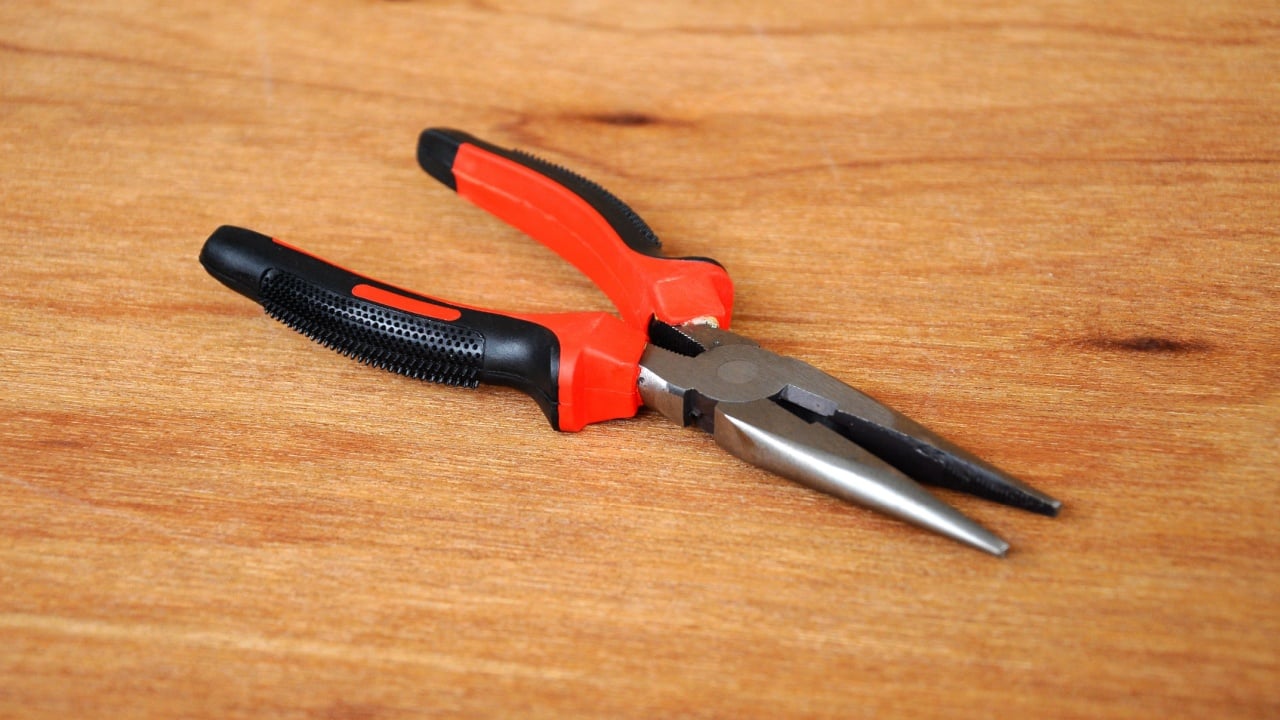
Trying to hold a tiny nut or bolt in a tight space can be frustrating. A simple trick is to wrap a rubber band tightly around the handles of your needle-nose pliers. This forces the jaws to clamp shut on their own.
This turns your pliers into a handy mini-clamp. It will hold small parts securely for you, so you don’t have to keep squeezing the handles.
Use this trick to guide screws or nuts into hard-to-reach places, like inside an engine or a cramped electrical box. When you’re ready to let go, just give the handles a little squeeze to release the tension of the rubber band.
10. Pennies for Leveling Wobbly Furniture

A frustratingly uneven table or chair leg requires immediate attention to prevent spills and damage to the joints. Gluing a common penny to the bottom of the shortest leg instantly acts as a durable shim.
The copper coin provides just enough thickness to eliminate the rock and restore stability to the piece.
Stack two coins together with a strong adhesive if the gap requires a slightly larger adjustment. Place a small felt pad directly over the coin to protect hardwood floors from scratches.
11. Tennis Balls as Jar Openers
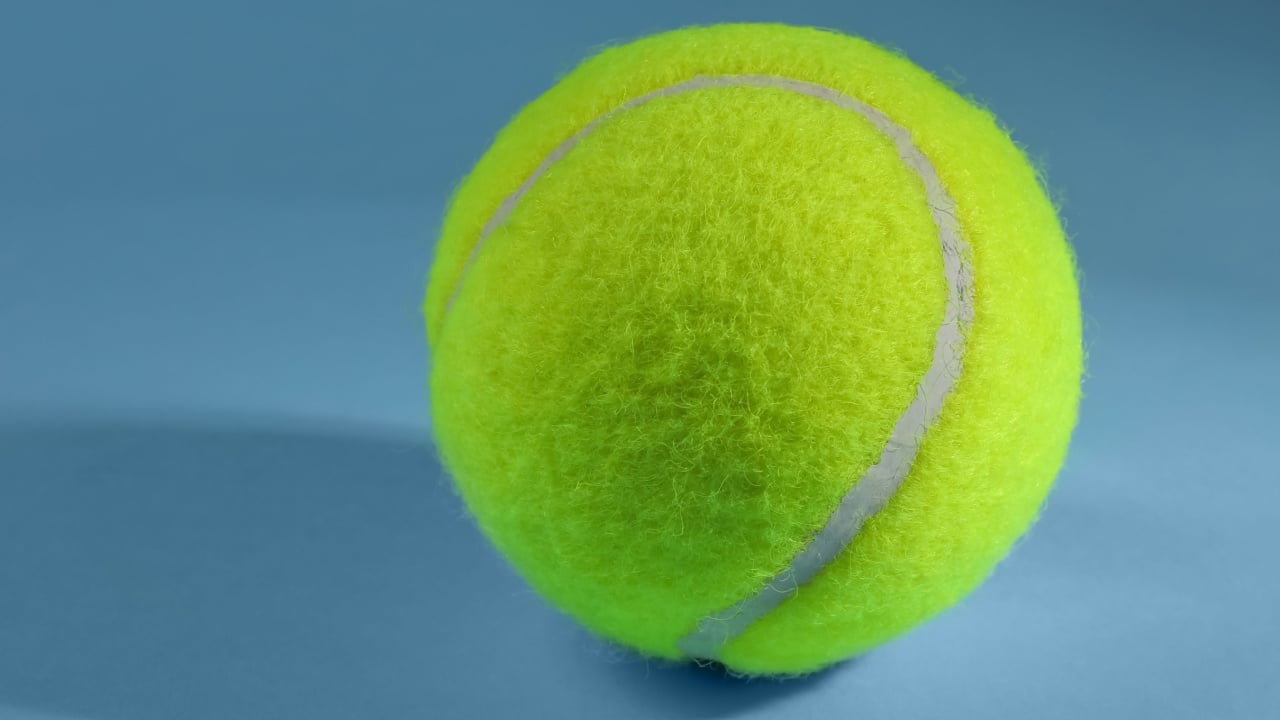
Having trouble with stubborn lids on pickle jars or sticky bottles? Don’t strain yourself. Grab a tennis ball and cut it in half. This creates two flexible, rubbery domes that are perfect for gripping smooth surfaces.
The inside texture of the ball grips the lid, while the fuzzy outside gives you a comfy hold.
Just keep a halved tennis ball in a kitchen drawer. When you need it, press down and twist. The extra friction will pop that lid open with ease.
12. Clear Nail Polish for Rust Prevention

Metal screws exposed to moisture in bathrooms and outdoor spaces rust rapidly and stain surrounding materials. Painting the heads of exposed hardware with clear nail polish creates a waterproof barrier that locks out humidity.
The lacquer dries completely invisible and prevents unsightly orange streaks from forming on white fences or shower fixtures.
Apply two thin coats to exterior door hinges and license plate bolts for maximum weather protection. Keep a cheap bottle of polish in the toolbox exclusively for sealing metallic surfaces.
13. Coffee Filters for Streak-Free Mirrors
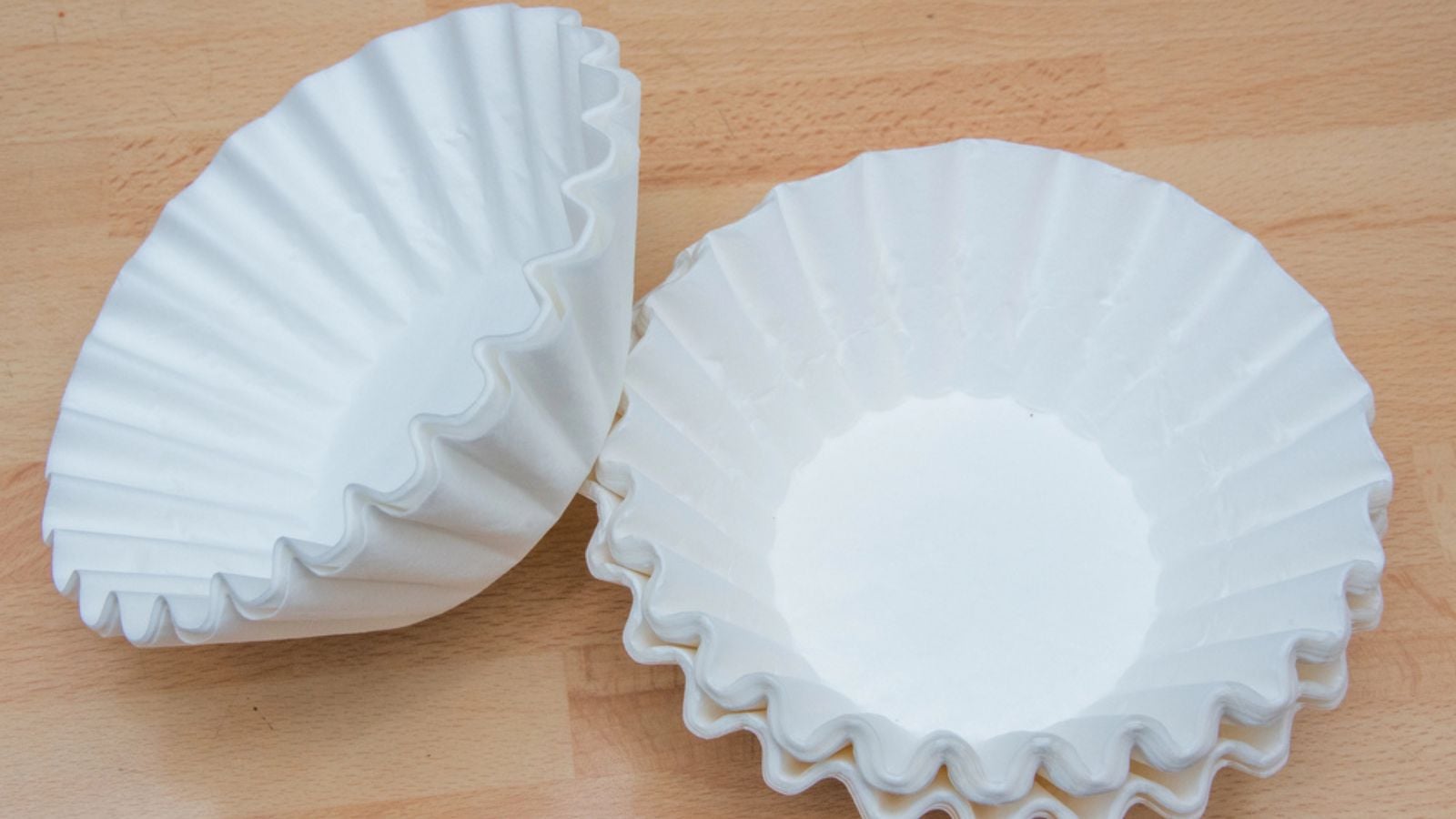
Paper towels leave behind a frustrating trail of white lint when used to wipe down glass surfaces. Standard paper coffee filters feature a tightly woven, lint-free texture that scrubs away grime without leaving any residue.
The durable material holds up well when soaked in liquid glass cleaner and polishes mirrors to a brilliant shine.
Fold the filter into quarters to create a sturdy pad that easily reaches into the sharp corners of windowpanes. Using filters instead of expensive microfiber cloths cuts down on laundry and provides a disposable option for dirty jobs.
14. Dryer Sheets for Cleaning Baseboards
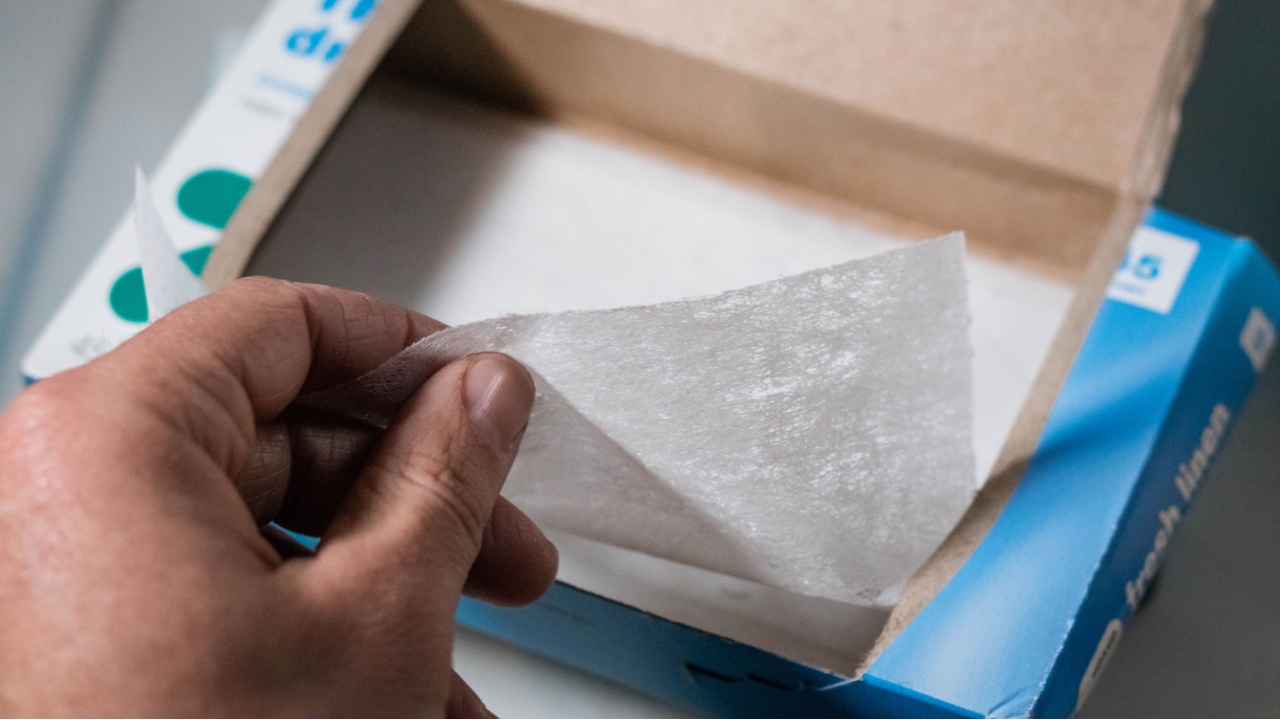
Dust and pet hair often stick to the trim along the bottom of your walls. An easy way to clean them is by rubbing the baseboards with a fresh dryer sheet. This removes the dirt and also leaves a static-repelling layer.
This invisible shield helps prevent dust and other particles from settling on the wood, keeping your baseboards looking clean for longer.
For an even easier time, you can attach the dryer sheet to a flat dusting mop to clean long hallways without having to bend down. As a bonus, the fabric softener in the sheet will leave a pleasant, fresh scent in the room.
Think Outside the Toolbox

Turning everyday supplies into clever cleaning tools can reduce clutter and make your chores easier. Take a look in your recycling bin; you might find the perfect tool for your next DIY project.
Try one of these unconventional methods this weekend and see the benefits for yourself.
Read More:
7 Natural Ways to Keep Snakes Out of Your Backyard Sanctuary